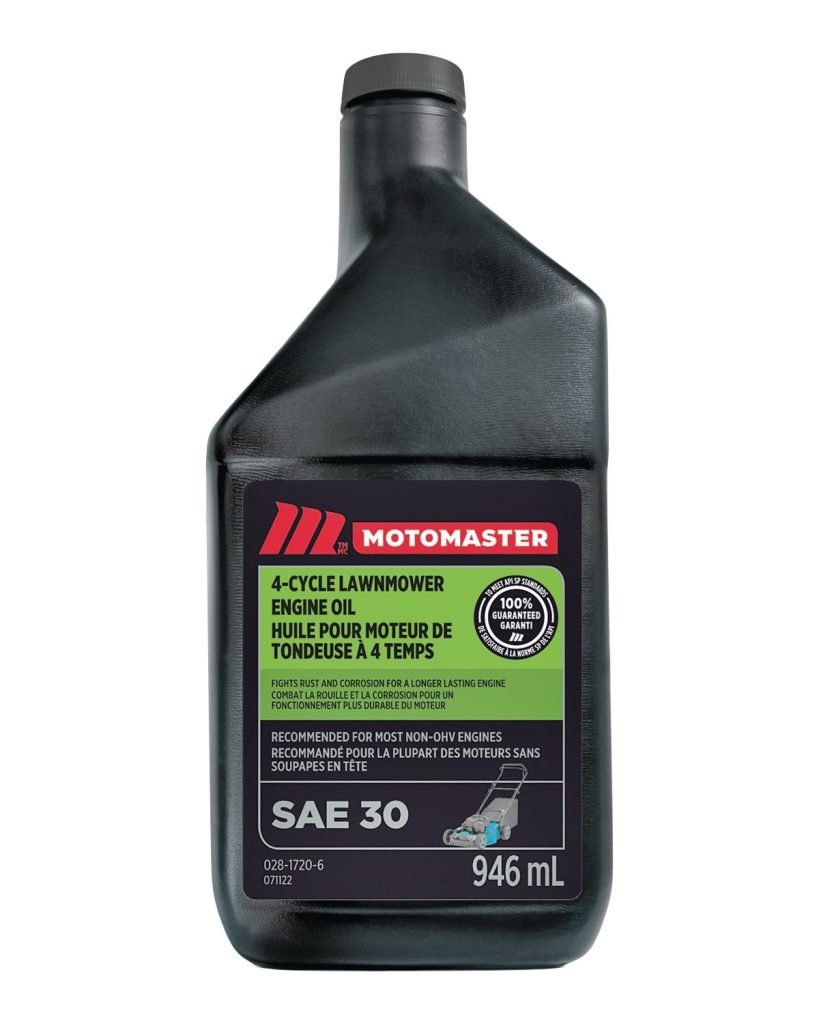
Imagine a sunny Saturday morning. The grass in your yard is lush and green, and you’re ready to make it picture-perfect.
You grab your trusty lawn mower, but before you pull that cord, there’s one crucial question: what oil should you use for your lawn mower? It might seem like a small detail, but using the right oil can make a big difference in how your mower performs and how long it lasts.
Choosing the right oil is not just about keeping your machine running smoothly; it’s about making sure your mower doesn’t let you down halfway through the job. You deserve that flawless, well-manicured lawn, and we’re here to guide you through the maze of oil options. By the end of this article, you’ll know exactly what oil to use to keep your mower in top shape, ensuring your yard is the envy of the neighborhood. So, are you ready to become the master of your lawn? Let’s dive in and discover the secret to a well-oiled machine.
Credit: www.equipmentguys.ca
Types Of Lawn Mower Oil
Choosing the right oil for your lawn mower keeps the engine running smooth. Different oils serve different purposes. Knowing the types helps you pick the best one for your mower’s needs. This section explains the main types of lawn mower oil and how to choose the right one.
Synthetic Vs Conventional Oil
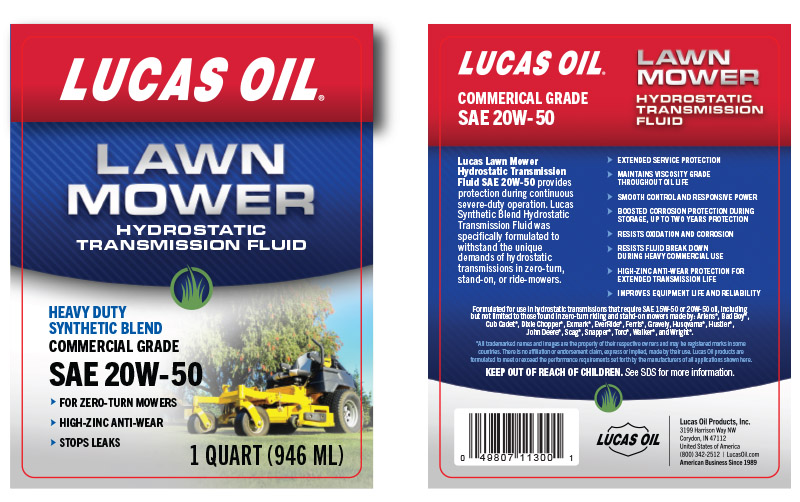
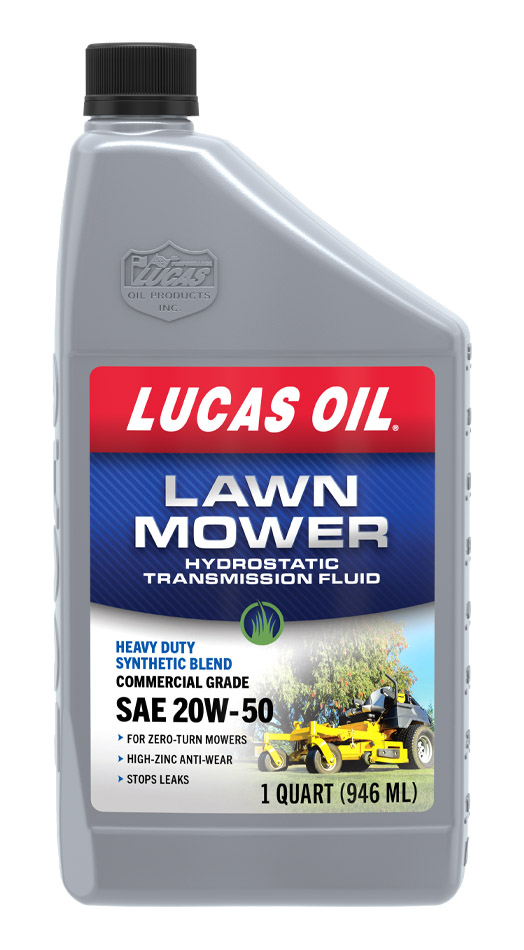
Synthetic oil is made from man-made chemicals. It offers better engine protection and lasts longer. It works well in extreme temperatures and reduces engine wear.
Conventional oil comes from natural crude oil. It is less expensive but needs changing more often. It performs well in normal conditions but may not protect as well in tough situations.
Sae Viscosity Grades
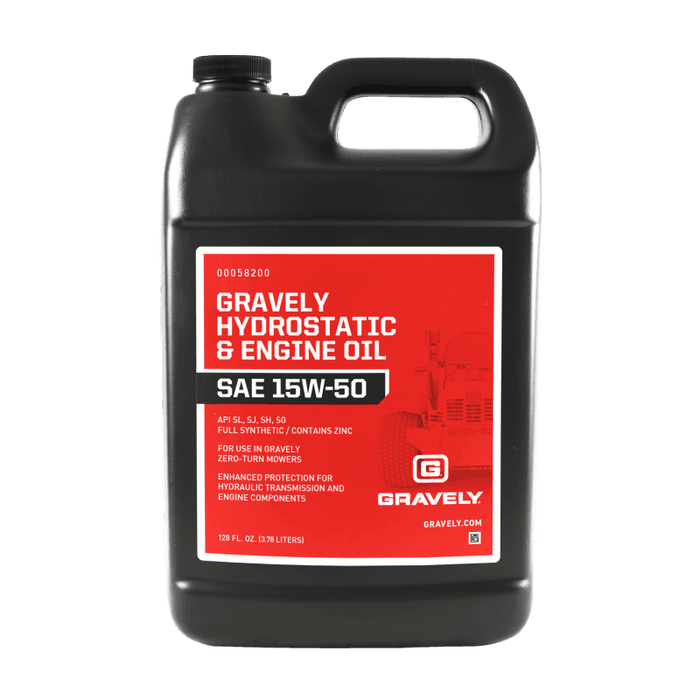
SAE grades show oil thickness or viscosity. Common grades for lawn mowers are 10W-30 and 5W-30. Lower numbers mean thinner oil, which flows easier in cold weather.
- 10W-30:Good for warm weather and general use.
- 5W-30:Better for colder climates as it flows better when cold.
Check your mower’s manual for the recommended grade to ensure proper engine function.
Seasonal Oil Choices
Changing oil based on the season helps engine health. In winter, use thinner oil for easy starts. During summer, thicker oil protects against heat damage.
- Winter: 5W-30 or similar for cold starts.
- Summer: 10W-30 or thicker for hot weather.
Using the right oil for the season keeps your mower running longer and stronger.
Credit: www.lucasoil.com
Choosing The Right Oil For Your Mower
Choosing the right oil for your lawn mower is key to keeping the engine running smoothly. The right oil protects engine parts from wear and helps the mower work efficiently. Using the wrong oil can cause damage and shorten the mower’s life. Understanding which oil fits your mower’s needs prevents costly repairs.
Checking The Owner’s Manual
The owner’s manual has important oil information for your mower. It lists the recommended oil type and viscosity. Follow the manual’s advice to keep the warranty valid. Manuals also give tips on how to change the oil properly. Always consult this guide before buying oil.
Considering Engine Type
Different mowers use different engines. Four-stroke engines need regular motor oil. Two-stroke engines require a mix of oil and gasoline. Using motor oil in two-stroke engines can cause damage. Know your engine type to pick the right oil and avoid problems.
Oil Capacity And Frequency
Check how much oil your mower needs. Overfilling or underfilling can harm the engine. The manual usually states the correct oil amount. Changing oil regularly keeps the engine clean and cool. Follow the recommended oil change schedule for best results.
Benefits Of Using Proper Oil
Choosing the right oil for your lawn mower is key to its smooth operation. Proper oil keeps the engine clean and running well. It protects parts from wear and tear. Using the correct oil helps your mower last longer and work better.
Enhanced Engine Performance
Proper oil reduces friction between engine parts. This makes the engine run more smoothly and efficiently. It helps the mower start easily and stay powerful. Clean oil prevents dirt buildup, improving fuel use and cutting down breakdowns.
Prolonged Engine Life
Good oil forms a protective layer on engine parts. This reduces metal-on-metal contact and wear. It also helps cool the engine by carrying heat away. Regular oil changes with the right type prevent damage and extend mower life.
Reduced Emissions
Using the correct oil lowers harmful exhaust gases. It keeps the engine burning fuel more completely. Cleaner burning means less smoke and pollutants released. This helps protect the environment and keeps your mower compliant with rules.
How To Change Lawn Mower Oil
Changing your lawn mower’s oil is a simple task that can significantly extend the life of your machine. It keeps the engine running smoothly and prevents costly repairs. If you’ve never done it before, you might wonder what tools you need and how to handle the old oil properly.
Tools And Materials Needed
- Fresh lawn mower oil (check your manual for the right type and amount)
- Oil drain pan or container
- Wrench or socket set to remove the drain plug
- Clean rag or paper towels
- Funnel to pour new oil
- Gloves to keep your hands clean
Having these tools ready before you start will save you time and frustration. Don’t skip checking your mower’s manual—it tells you exactly what oil your engine needs.
Step-by-step Oil Change Process
- Run the mower for a few minutes to warm up the oil; warm oil drains faster and more completely.
- Turn off the mower and disconnect the spark plug for safety.
- Place the oil drain pan under the drain plug or oil fill tube.
- Use the wrench to carefully remove the drain plug, letting the oil flow into the pan.
- Once drained, replace and tighten the drain plug securely.
- Remove the oil fill cap and use a funnel to add the correct amount of fresh oil.
- Check the oil level with the dipstick to avoid overfilling.
- Reattach the oil fill cap and spark plug wire.
Have you noticed how much cleaner your mower runs after a fresh oil change? It’s like giving your engine a fresh start. This routine only takes 15-20 minutes but pays off with better performance.
Disposing Of Used Oil Safely
Used oil is hazardous and should never be poured down drains or on the ground. Instead, collect it in a sealed container and take it to a local recycling center or automotive shop. Many communities offer free disposal services for used oil.
Handling old oil responsibly protects the environment and keeps your neighborhood safe. Have you checked where the nearest recycling drop-off is? It’s easier than you think to do your part.
Common Mistakes To Avoid
Using the right oil for your lawn mower is important. Mistakes with oil can harm the engine and reduce mower life. Avoiding common errors keeps your mower running smoothly. Learn these key oil mistakes to protect your machine and save money.
Using Incorrect Oil Type
Choosing the wrong oil damages engine parts. Lawn mowers usually need specific oil grades. Using car engine oil or heavy oils can clog the engine. Always check the owner’s manual for the right oil type. Using recommended oil keeps the engine clean and cool.
Overfilling Or Underfilling Oil
Too much oil causes pressure build-up and leaks. It can also foul spark plugs. Too little oil leads to poor lubrication and engine wear. Always fill oil between the minimum and maximum marks. Use a dipstick to check oil levels before starting the mower.
Neglecting Regular Oil Changes
Old oil loses its ability to protect the engine. Dirt and debris build up inside the oil over time. This causes engine damage and poor performance. Change the oil after every 25 to 50 hours of use. Regular oil changes keep the mower engine healthy and lasting longer.
Signs Your Lawn Mower Needs An Oil Change
Knowing when your lawn mower needs an oil change is important for its performance. Old oil harms the engine and causes problems. Watch for key signs that show the oil needs replacing. Acting fast can save repair costs and keep your mower running well.
Engine Overheating
Oil cools the engine while it runs. Dirty or low oil causes heat to build up. If your mower feels hotter than usual, it may need an oil change. Overheating can damage engine parts quickly.
Unusual Engine Noises
Oil lubricates moving parts inside the engine. Thick or dirty oil fails to protect these parts. If you hear knocking, grinding, or rattling sounds, check the oil. Strange noises often mean the oil is old or low.
Dark Or Dirty Oil Appearance
Fresh oil is clear or light amber in color. Used oil turns dark and thick from dirt and engine deposits. Check the oil on the dipstick or when draining. Dark, gritty oil needs changing to avoid engine wear.
Credit: www.lucasoil.com
Frequently Asked Questions
What Type Of Oil Is Best For Lawn Mowers?
The best oil for lawn mowers is SAE 30 for warm weather. For cold weather, use 10W-30. Synthetic oils can enhance engine performance and longevity.
Can I Use Motor Oil In My Lawn Mower?
Yes, regular motor oil like SAE 30 or 10W-30 is suitable. Avoid using automotive oils with additives meant for car engines only.
How Often Should I Change Lawn Mower Oil?
Change the oil after every 25-50 hours of use or at least once per mowing season. Regular changes keep the engine running smoothly.
Is Synthetic Oil Better For Lawn Mowers?
Synthetic oil offers better protection in extreme temperatures and extends engine life. It is more expensive but worth it for frequent mower use.
Conclusion
Choosing the right oil helps your lawn mower run smoothly. Use the oil type recommended in the manual. Change the oil regularly to keep the engine healthy. Clean oil reduces wear and extends mower life. Avoid using old or wrong oil types.
Good care means fewer breakdowns and better cutting. Keep your mower ready for every mowing job. Simple steps make a big difference in mower performance. Take care of your lawn mower like it takes care of your yard.





