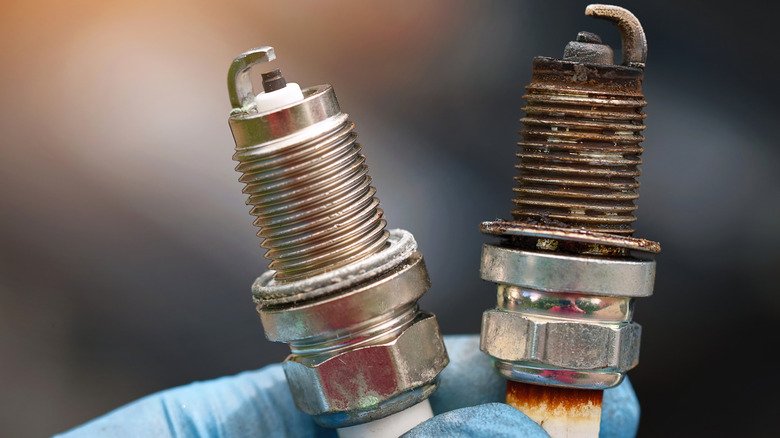
Have you ever wondered why your car’s performance seems to dip, even when everything appears fine? The culprit could be an overlooked component: the spark plug.
Understanding how long a spark plug should last can save you time, money, and unnecessary frustration. Imagine driving with smoother acceleration, improved fuel efficiency, and fewer emissions. Sounds great, right? You’ll discover the secrets behind spark plug longevity, learn how to spot signs of wear, and find out when it’s time for a replacement.
Don’t let a tiny spark plug become a big problem. Keep reading to ensure your car runs at its best.
Spark Plug Basics
Understanding the basics of spark plugs is essential if you want your engine to perform at its best. Spark plugs are small but mighty components that play a crucial role in igniting the fuel-air mixture inside your engine cylinders. Knowing how they work and the different types available can help you make better decisions about maintenance and replacement.
Role In Engine Performance
Your engine relies on spark plugs to create a tiny spark that ignites the fuel-air mixture. This ignition powers each cylinder, allowing your vehicle to run smoothly and efficiently.
If a spark plug is worn or dirty, it can cause misfires, rough idling, or poor fuel economy. Have you ever noticed your car hesitating or struggling to start? That could be a sign your spark plugs need attention.
Types Of Spark Plugs
Spark plugs come in several types, each designed for different engine needs and driving conditions. Choosing the right type can affect your engine’s performance and longevity.
- Copper Spark Plugs:These are the most basic and affordable. They conduct electricity well but wear out faster than other types.
- Platinum Spark Plugs:More durable than copper, they last longer and provide better performance.
- Iridium Spark Plugs:Known for their longevity and excellent ignition, iridium plugs are often used in high-performance engines.
Which type suits your vehicle best? Checking your owner’s manual or consulting a mechanic can save you time and money down the road.
Factors Affecting Lifespan
The lifespan of a spark plug varies due to several key factors. Understanding these elements helps you maintain your vehicle better. Spark plugs wear out faster or slower based on how you drive, the engine type, and your maintenance habits. These aspects directly impact when you should replace your spark plugs.
Driving Conditions
Driving in heavy traffic with frequent stops wears out spark plugs quickly. Short trips prevent the engine from reaching optimal temperature. This causes more carbon buildup on the plugs. Dusty or dirty roads also increase wear. High-speed driving puts extra stress on the spark plugs too. Smooth highway driving helps spark plugs last longer.
Engine Type And Usage
Different engines have different spark plug needs. High-performance engines run hotter and can wear plugs faster. Older engines may cause more spark plug deposits due to less efficient combustion. Diesel engines do not use spark plugs, so this applies to gasoline engines only. Frequent towing or heavy loads increase engine strain and reduce spark plug life.
Maintenance Habits
Regular engine tune-ups extend spark plug life. Cleaning or replacing air filters helps maintain spark plug efficiency. Using the correct spark plug type and gap size is crucial. Neglecting oil changes can cause deposits that damage spark plugs. Ignoring engine misfires or rough idling can lead to early spark plug failure.
Typical Spark Plug Lifespan
Spark plugs play a key role in engine performance. Their lifespan varies by type and usage. Knowing how long each type lasts helps plan maintenance and avoid engine trouble.
Conventional Copper Plugs
Copper spark plugs have a simple design. They conduct electricity well but wear out faster. Typically, they last about 20,000 to 30,000 miles. Frequent replacement is needed for smooth engine running.
Platinum And Iridium Plugs
Platinum and iridium plugs use precious metals. These metals resist wear and high heat better than copper. Their lifespan ranges from 60,000 to 100,000 miles. They offer longer service and better fuel efficiency.
High-performance Plugs
High-performance spark plugs suit sports and heavy-duty vehicles. They handle extreme conditions and higher engine power. Lifespan varies widely, often between 30,000 to 50,000 miles. Regular checks are important to maintain peak performance.

Credit: www.reddit.com
Signs Of Worn Spark Plugs
Recognizing the signs of worn spark plugs is essential to keep your vehicle running smoothly. Spark plugs play a vital role in igniting the air-fuel mixture, and when they start to fail, your engine’s performance drops noticeably. Paying attention to these warning signs can save you from costly repairs and frustrating breakdowns.
Poor Fuel Efficiency
Have you noticed your car using more gas than usual? Worn spark plugs can cause incomplete combustion, meaning your engine burns fuel less efficiently. This leads to more frequent trips to the pump and a heavier toll on your wallet.
Imagine driving the same route every day but suddenly seeing your fuel gauge drop faster. That could be your spark plugs struggling to keep up. Fixing or replacing them often restores your mileage to normal.
Engine Misfires
Does your engine hesitate or jerk while driving? Misfires often indicate that one or more spark plugs are not firing properly. This issue can make your ride rough and reduce overall engine power.
Sometimes you’ll feel the car stumble or hear a sputtering sound. These are clear signs that your spark plugs might be worn out or fouled. Ignoring misfires can lead to more serious engine damage down the line.
Difficulty Starting
Struggling to start your engine, especially in cold weather? Worn spark plugs can fail to create a strong enough spark to ignite the fuel mixture quickly. This results in longer crank times or even failure to start.
Think about those early mornings when your car just won’t catch right away. It’s frustrating and often linked to spark plug condition. Replacing old plugs can restore your engine’s quick and reliable start.
Replacing Spark Plugs
Replacing spark plugs is a key part of car maintenance. Old or worn spark plugs can cause poor engine performance. They affect fuel efficiency and may lead to harder starts. Regular replacement keeps your engine running smoothly and saves money on repairs.
When To Replace
Check your car manual for recommended replacement intervals. Most spark plugs last between 30,000 and 100,000 miles. Signs of wear include rough idling, engine misfires, and lower fuel efficiency. Also replace spark plugs if the engine struggles to start. Inspect plugs every 20,000 miles for safety.
Diy Replacement Tips
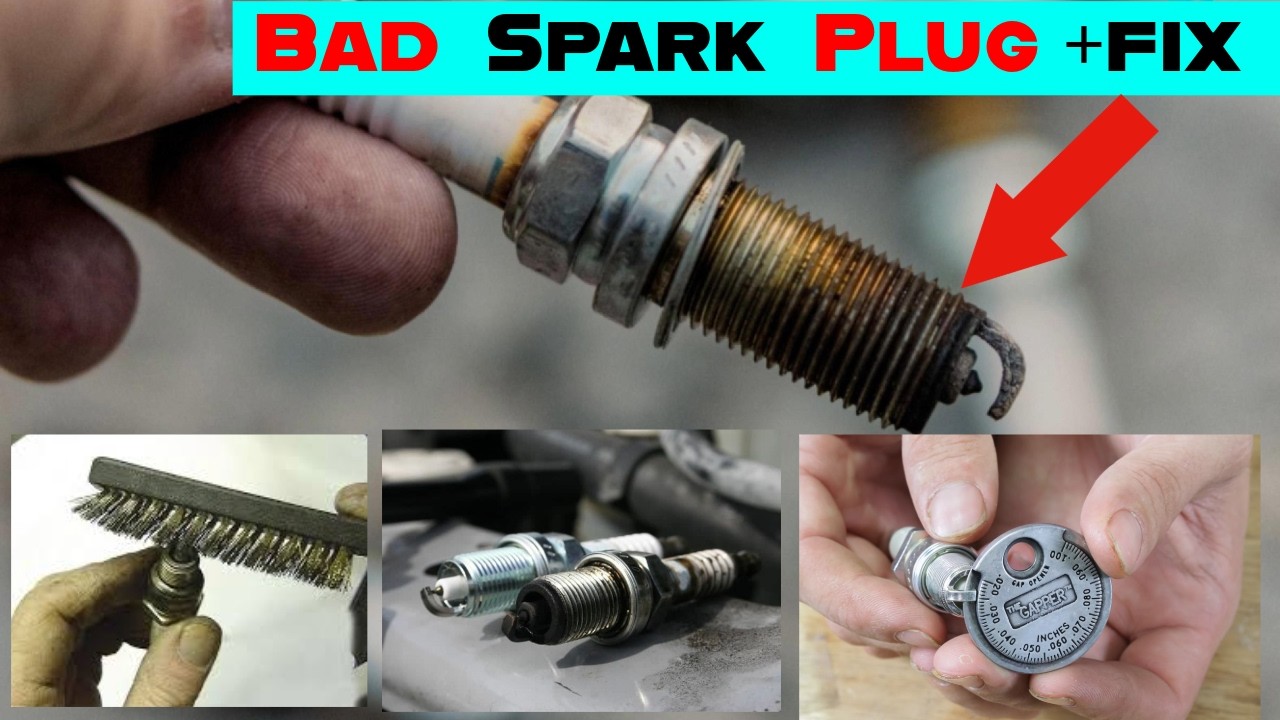
Gather the right tools: a spark plug socket, ratchet, and gap gauge. Let the engine cool before starting. Remove one spark plug at a time to avoid mixing wires. Clean the socket before installing new plugs. Check the gap on new plugs using a gap tool. Tighten plugs carefully to avoid damage. Test the engine after replacement.
Choosing The Right Spark Plug
Pick spark plugs that match your vehicle’s specs. Use your owner’s manual or consult a parts store. Consider the type: copper, platinum, or iridium. Iridium plugs last longest but cost more. Copper plugs are cheaper but wear out faster. Choose plugs that suit your driving style and budget.

Credit: www.1130cc.com
Extending Spark Plug Life
Extending the life of spark plugs helps improve engine performance. It also saves money on replacements and repairs. Simple care steps keep spark plugs working longer. These steps protect your vehicle’s ignition system and fuel efficiency.
Regular Engine Maintenance
Keep the engine clean and well-tuned. Replace air filters on time to avoid dirt buildup. Check the ignition system regularly for any issues. Use recommended oil types to reduce engine wear. Regular oil changes help keep the spark plugs clean. A smooth-running engine puts less stress on spark plugs.
Fuel Quality Impact
Use good quality fuel to avoid deposits on spark plugs. Low-quality fuel causes carbon buildup, reducing spark plug life. Avoid fuels with high ethanol content as they wear plugs faster. Clean fuel burns better and keeps plugs free from dirt. Better fuel means fewer misfires and better spark plug performance.
Proper Installation Practices
Always use the correct spark plug type for your vehicle. Tighten spark plugs to the manufacturer’s torque specification. Over-tightening can damage the threads and plugs. Under-tightening causes poor contact and misfires. Use a proper gap tool to set the spark plug gap. Correct installation ensures efficient ignition and longer spark plug life.
Credit: www.youtube.com
Frequently Asked Questions
How Often Should Spark Plugs Be Replaced?
Spark plugs typically last between 30,000 to 100,000 miles. Replacement depends on the spark plug type and vehicle model. Regular inspections help maintain optimal performance and fuel efficiency.
What Factors Affect Spark Plug Lifespan?
Driving conditions, engine type, and spark plug quality impact lifespan. Frequent short trips and harsh environments reduce longevity. Proper maintenance extends spark plug life significantly.
How To Know If Spark Plugs Need Replacement?
Signs include engine misfires, rough idling, and poor fuel economy. Difficulty starting and reduced acceleration also indicate worn spark plugs. Regular checks prevent engine damage and improve performance.
Can Old Spark Plugs Damage The Engine?
Yes, worn spark plugs cause misfires and poor combustion. This leads to engine knocking and reduced power. Timely replacement protects engine health and maintains efficiency.
Conclusion
Spark plugs usually last between 30,000 and 100,000 miles. This depends on your vehicle and spark plug type. Regular checks help spot problems early. Worn spark plugs can cause engine trouble and poor fuel use. Changing them on time keeps your car running smooth.
Remember, good spark plugs save money and stress. Take care of your car, and it will take care of you. Simple steps make a big difference in car health.





