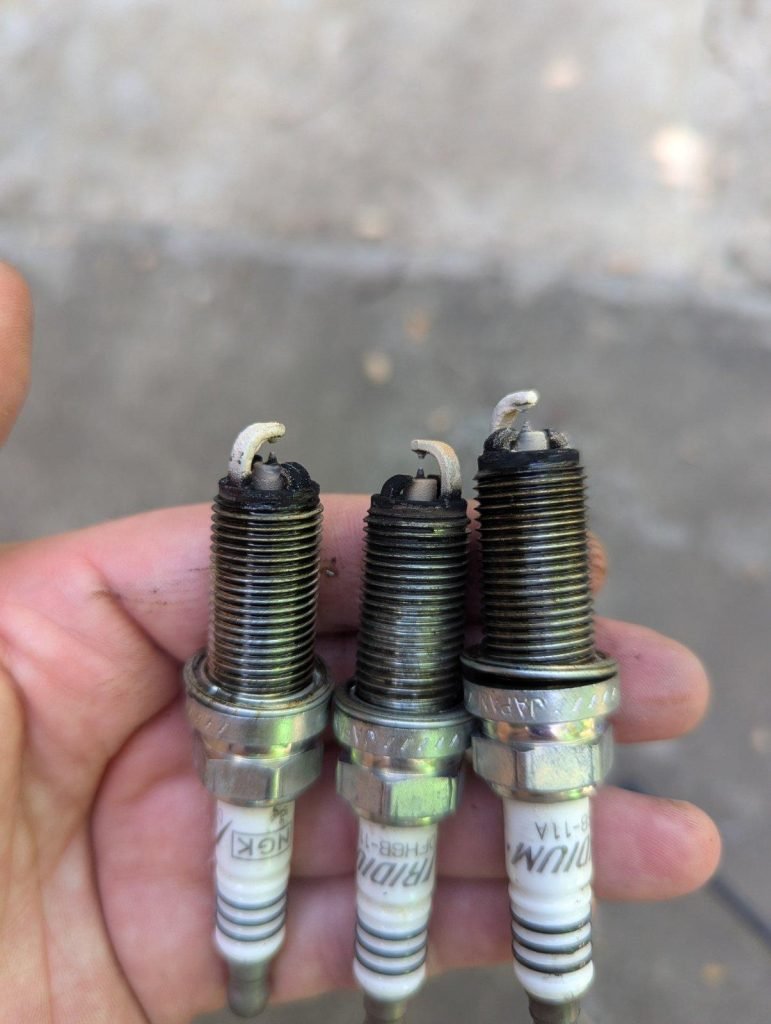
Are you feeling overwhelmed trying to figure out which spark plugs your vehicle needs? You’re not alone.
Choosing the right spark plugs can feel like navigating a maze, but it’s crucial for your engine’s performance and longevity. The wrong choice could lead to poor fuel efficiency, reduced power, or even engine damage. We’ll simplify the process for you, offering clear advice and expert insights.
By the end, you’ll be confident in selecting the perfect spark plugs that will keep your engine purring like a kitten. Stick around, and let’s make your decision-making easy and stress-free.
Types Of Spark Plugs
Spark plugs are vital for your engine’s performance. They create the spark that ignites the fuel-air mix inside the engine cylinders. Choosing the right type affects fuel efficiency, power, and engine life.
Spark plugs come in different materials and designs. Each type has unique features and benefits. Understanding these helps you pick the best spark plug for your vehicle.
Copper Spark Plugs
Copper spark plugs have a solid copper core. They conduct electricity well, which helps create a strong spark. These plugs wear out faster than others. They are best for older cars or engines designed for copper plugs.
Platinum Spark Plugs
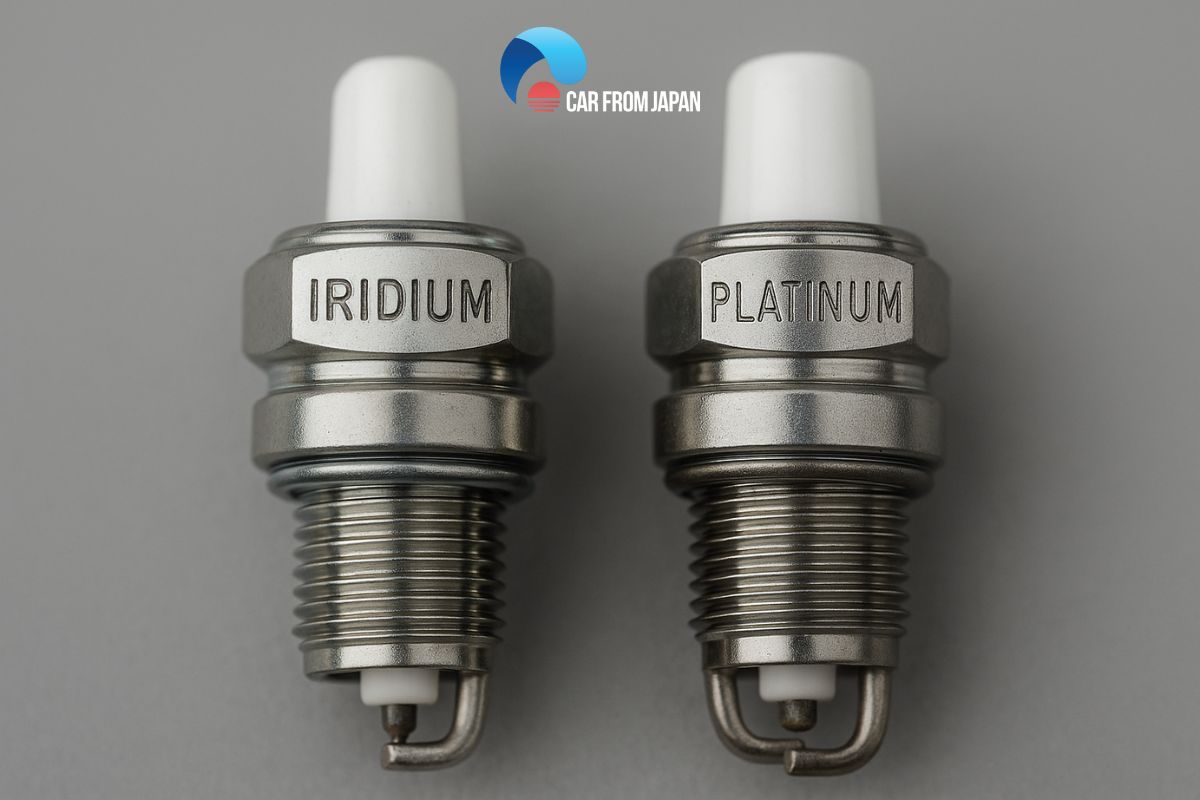
Platinum spark plugs last longer than copper ones. They have a thin platinum layer on the electrodes. This layer resists wear and corrosion. They provide steady performance and better fuel economy. Good for newer cars and daily driving.
Iridium Spark Plugs
Iridium spark plugs are very durable. Iridium is harder and melts at a higher temperature. These plugs create a more focused spark with less voltage needed. They improve ignition and engine start-up. Suitable for high-performance and modern engines.
Double Platinum And Iridium
Double platinum and iridium plugs have platinum or iridium on both center and ground electrodes. This design extends plug life and improves ignition reliability. They offer balanced performance for various engine types. Ideal for vehicles with distributor-less ignition systems.
Credit: carfromjapan.com
Factors Affecting Spark Plug Choice
Choosing the right spark plugs is more than just matching a part number. Several factors influence which spark plugs will work best for your vehicle and driving style. Understanding these factors helps you make a choice that improves engine performance and fuel efficiency.
Engine Type And Size
The type and size of your engine play a big role in spark plug selection. Smaller engines often use standard spark plugs, while high-performance or turbocharged engines may require iridium or platinum plugs for better durability and spark.
For example, a 4-cylinder sedan usually doesn’t need the same plug as a V8 truck. The heat range of the plug must match your engine’s design to avoid overheating or fouling.
Driving Conditions
Your driving habits and environment affect spark plug choice too. If you mostly drive in stop-and-go traffic, you might need plugs that resist carbon buildup. On the other hand, highway driving calls for plugs that can handle sustained high temperatures.
Think about whether you often tow heavy loads or drive in extreme weather. These conditions demand spark plugs designed to withstand extra stress.
Fuel Type
The fuel you use impacts the spark plug’s performance. Vehicles running on regular gasoline will have different needs compared to those using ethanol blends or high-octane fuels.
High-performance fuels may require spark plugs with a specific electrode design to ensure optimal combustion. Have you checked if your plugs are compatible with the fuel type you use?
Manufacturer Recommendations
Always consider the spark plug types recommended by your vehicle’s manufacturer. These suggestions are based on extensive testing to balance performance and longevity.
Ignoring these recommendations can lead to engine misfires or reduced efficiency. Checking your owner’s manual or contacting the dealer can save you from costly mistakes.
How Spark Plugs Impact Engine Performance
Spark plugs play a key role in engine performance. They create the spark needed to ignite the air-fuel mixture inside the engine cylinders. This ignition drives the engine’s power and efficiency. Choosing the right spark plugs affects how well your engine runs, saves fuel, controls emissions, and lasts longer.
Ignition Efficiency
Spark plugs ensure the air and fuel ignite at the right time. Good spark plugs produce a strong, consistent spark. This improves combustion and helps the engine run smoothly. Poor spark plugs cause misfires and rough idling. Proper ignition means better power output and less engine hesitation.
Fuel Economy
Efficient spark plugs burn fuel completely. This reduces fuel waste and saves money. Worn or wrong plugs cause incomplete combustion. This leads to higher fuel consumption. Using the correct plugs helps maintain optimal fuel use and lowers expenses.
Emissions And Environmental Impact
Clean combustion reduces harmful emissions. Spark plugs affect how much unburned fuel leaves the engine. Efficient plugs lower carbon monoxide and hydrocarbon emissions. This helps meet environmental standards and reduces air pollution. Proper plugs support a cleaner, greener engine.
Engine Longevity
Good spark plugs protect engine parts from damage. Poor ignition can cause extra stress on cylinders and pistons. Over time, this wears down the engine faster. Using the right spark plugs helps keep the engine healthy. Regular plug checks can extend engine life and avoid costly repairs.
Credit: modernautoparts.co.za
Signs You Need New Spark Plugs
Knowing when to replace your spark plugs can save you from unexpected car troubles and costly repairs. Spark plugs play a crucial role in your engine’s performance, and worn-out plugs can cause a range of issues. Here are clear signs that indicate it’s time to get new spark plugs.
Engine Misfires
Have you ever felt your car jerk or hesitate while driving? This often points to engine misfires caused by faulty spark plugs. When plugs fail to ignite the fuel-air mixture properly, your engine struggles to run smoothly.
You might notice sudden jolts or a loss of power, especially during acceleration. Ignoring this can lead to more serious engine damage. If your engine misfires, checking the spark plugs should be your first step.
Poor Fuel Economy
Are you filling up your tank more often than usual? Worn spark plugs can cause your engine to burn fuel inefficiently. This means your car uses more gas but delivers less mileage.
Replacing old spark plugs can improve your fuel economy noticeably. It’s an easy fix that can save you money at the pump. Have you tracked your miles per gallon recently? A sudden drop might be a spark plug issue.
Difficulty Starting
Does your car take longer to start or require multiple attempts? Faulty spark plugs can make ignition difficult because they don’t produce a strong enough spark. This weak spark struggles to ignite the engine’s fuel mixture.
If you notice your engine cranking but not catching right away, your spark plugs could be the cause. Replacing them often restores quick and reliable starts. Think about the last time your car hesitated to start—were the plugs checked?
Rough Idling
Is your engine shaking or sounding uneven when idling? Rough idling often signals worn spark plugs. Without a clean and consistent spark, combustion becomes irregular, causing vibrations and noise.
This issue not only affects comfort but can lead to further mechanical problems. Smooth idling is a sign that your spark plugs are doing their job well. Pay attention to how your car feels when stopped—does it purr or shudder?
Spark Plug Maintenance Tips
Keeping your spark plugs in top shape can make a huge difference in your vehicle’s performance and fuel efficiency. Spark plug maintenance isn’t just about replacing them when they’re worn out; regular care helps prevent engine misfires, rough idling, and poor acceleration. Let’s dive into some practical tips you can apply to keep your spark plugs working smoothly.
Cleaning Techniques
Cleaning spark plugs can extend their life and improve engine performance. Use a wire brush or a specialized spark plug cleaner to remove carbon deposits gently. Avoid harsh chemicals that might damage the ceramic insulator or metal parts.
After cleaning, check for cracks or heavy wear. If you spot any damage, replacement is a better option than cleaning.
Proper Installation
Installing spark plugs correctly is crucial to avoid engine damage or poor operation. Always tighten the plugs to the manufacturer’s recommended torque; too tight can strip threads, too loose can cause misfires.
Use a torque wrench to get it right every time. Also, apply a small amount of anti-seize compound on the threads if recommended, but don’t overdo it as this can affect torque readings.
Gap Adjustment
The gap between the electrodes must be precise for optimal ignition. Use a feeler gauge to measure the gap according to your vehicle’s specifications.
If the gap is off, gently adjust it with a spark plug gap tool. Incorrect gaps can cause hard starts, misfires, or poor fuel economy—does your engine hesitate when you accelerate?
Replacement Intervals
Knowing when to replace your spark plugs saves you from unexpected breakdowns. Check your owner’s manual for recommended intervals, which vary based on the spark plug type and driving conditions.
If you notice signs like engine misfires, poor fuel efficiency, or difficulty starting, it might be time to change them even if you haven’t hit the mileage mark yet.
Choosing The Right Spark Plug Brand
Choosing the right spark plug brand affects your engine’s performance and lifespan. The brand ensures quality, durability, and compatibility with your vehicle. Picking a trusted brand helps avoid common issues like misfires or poor fuel efficiency.
Top Spark Plug Manufacturers
Several brands lead the market in quality and reliability. Brands like NGK, Bosch, Denso, and Champion are well-known for producing high-quality spark plugs. These manufacturers use advanced technology and meet strict industry standards.
Choosing a top brand offers better ignition and longer-lasting spark plugs. This reduces maintenance frequency and keeps your engine running smoothly.
Price Vs. Quality
Low-cost spark plugs may save money upfront but can wear out faster. High-quality plugs last longer and improve engine performance. Consider the balance between price and durability. Investing a bit more often saves money over time by reducing replacements.
Cheap spark plugs sometimes cause engine problems that lead to costly repairs. Reliable brands deliver consistent performance and better fuel efficiency, justifying a higher price.
Warranty And Support
Good spark plug brands offer warranties that protect your purchase. Warranties show confidence in product quality. They cover defects and early wear, giving peace of mind.
Customer support is important for any questions or issues. Brands with strong support help you choose the right spark plug and solve problems quickly. This makes maintenance easier and stress-free.
Diy Spark Plug Replacement
Replacing spark plugs by yourself saves money and boosts your car’s performance. The task is simple with the right tools and clear instructions. Follow these steps carefully to ensure a smooth process.
Tools Needed
- Spark plug socket wrench
- Ratchet and extension bar
- Torque wrench
- Dielectric grease
- Compressed air or a brush
- New spark plugs
- Anti-seize compound (optional)
Step-by-step Removal
Start by letting the engine cool completely. Locate each spark plug wire or ignition coil. Gently remove the wire or coil without pulling the wire itself. Use compressed air to blow away dirt from around the plugs.
Fit the spark plug socket onto the first plug. Turn the ratchet counterclockwise to loosen and remove it. Repeat this for all spark plugs. Keep the old plugs for comparison or disposal.
Installing New Plugs
Check the gap on new spark plugs. Adjust if needed using a gap tool. Apply a small amount of dielectric grease inside the spark plug boot. Insert the plug carefully into the socket and hand-thread it into place.
Use the torque wrench to tighten plugs to the manufacturer’s recommended setting. Avoid over-tightening to prevent damage. Reconnect spark plug wires or ignition coils securely.
Testing After Replacement
Start the engine and listen for smooth running. Look for any rough idling or misfires. Check the engine light on the dashboard; it should turn off. Take a short drive to confirm the engine runs better.
Double-check connections if any issues appear. Proper testing ensures your spark plug replacement was successful.

Credit: www.chase.com
Frequently Asked Questions
What Type Of Spark Plugs Suit My Car Model?
Check your vehicle’s manual for recommended spark plugs. Different engines require specific types for optimal performance and fuel efficiency.
How Often Should Spark Plugs Be Replaced?
Typically, replace spark plugs every 30,000 to 100,000 miles. It depends on the spark plug type and driving conditions.
Can Wrong Spark Plugs Damage My Engine?
Yes, incorrect spark plugs can cause misfires, poor fuel economy, and engine damage. Always use manufacturer-recommended plugs.
What Are The Signs Of Worn Spark Plugs?
Look for engine misfires, rough idling, poor acceleration, and increased fuel consumption. These signs indicate spark plug wear or failure.
Conclusion
Choosing the right spark plugs helps your engine run smoothly and saves fuel. Check your car’s manual to find the exact type needed. Using the wrong spark plugs can cause poor performance or damage. Regularly replacing spark plugs keeps your vehicle reliable and efficient.
Remember, simple care can extend your engine’s life. Keep these tips in mind for better driving. It’s a small step that makes a big difference.





