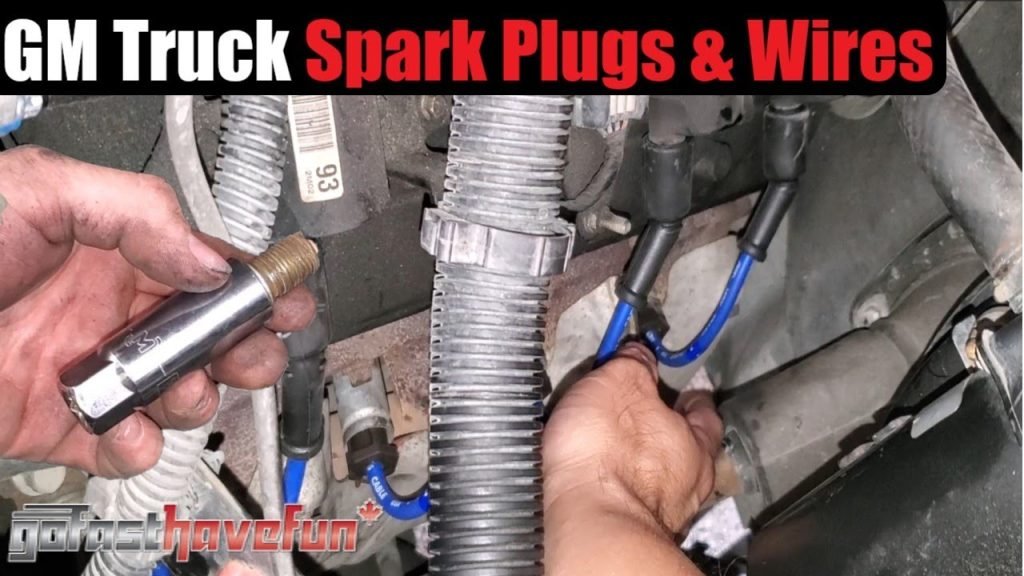
Is your car’s engine not running as smoothly as it used to? You might be surprised to find out that the culprit could be your spark plug wires.
These essential components are often overlooked, yet they play a crucial role in keeping your vehicle running efficiently. Replacing spark plug wires isn’t just for seasoned mechanics; it’s a straightforward task you can handle yourself, saving you both time and money.
Imagine the satisfaction of getting your hands a little dirty and hearing your engine purr like new again. In this guide, you’ll discover simple steps to replace your spark plug wires, ensuring your car runs at its best. Ready to rev up your DIY skills and boost your car’s performance? Let’s get started!
Signs Of Worn Spark Plug Wires
Worn spark plug wires cause engine troubles and reduce fuel efficiency. Identifying worn wires early helps avoid costly repairs. Watch for clear signs that indicate wire issues.
Common Symptoms
- Engine misfires or runs rough.
- Difficulty starting the engine.
- Visible cracks or wear on the wires.
- Increased fuel consumption.
- Backfiring or stalling during acceleration.
- Electrical arcing or sparks near the wires.
Impact On Engine Performance
Worn wires interrupt the spark delivery to the engine. This causes poor combustion and power loss. The engine may hesitate or lose power under load.
Fuel burns less efficiently, raising emissions and lowering mileage. The ignition system strains, leading to further damage. Replacing worn wires restores smooth engine function.

Credit: www.youtube.com
Tools And Materials Needed
Replacing spark plug wires requires specific tools and materials for a smooth job. Having the right equipment helps avoid damage to your engine parts. This guide lists all essentials needed to get started safely and efficiently.
Essential Tools
- Spark plug wire puller – protects wires during removal
- Socket wrench set – fits spark plugs and wire connectors
- Dielectric grease – prevents moisture and ensures good connection
- Wire cutters or scissors – trims wires if needed
- Torque wrench – tightens spark plugs to proper specification
- Gloves – protects hands from dirt and heat
- Flashlight – helps see in dark engine compartments
Choosing The Right Spark Plug Wires
Pick wires that match your car’s make, model, and engine type. Use OEM or high-quality aftermarket wires for best results. Look for wires with good insulation to resist heat and chemicals.
Length matters. Too long or too short wires cause engine problems. Check packaging or vehicle manual for correct wire length. Avoid cheap wires that break easily or cause misfires.
Preparing Your Vehicle
Preparing your vehicle before replacing the spark plug wires is crucial for a smooth and safe process. Taking the right steps early on can save you from frustration and potential injury. Let’s break down what you need to do to get your car ready.
Safety Precautions
Always start by ensuring your vehicle is off and the keys are removed from the ignition. This prevents any accidental engine starts while you’re working.
Wear gloves to protect your hands from dirt, grease, and possible burns if the engine is still warm. Safety glasses can shield your eyes from unexpected debris or sparks.
Make sure the engine is cool before touching any parts under the hood. Hot engine components can cause burns, so give the car at least 30 minutes to cool down if it was running recently.
Locating The Spark Plug Wires
Open the hood and find the spark plug wires running from the ignition coil or distributor to each spark plug on the engine. These wires are usually thick and insulated, often black or colored for easy identification.
Trace each wire carefully to see where it connects to the spark plug and the ignition system. It’s a good idea to label or take a photo of each wire’s position before removal to avoid mixing them up later.
Sometimes wires can be tucked away or covered by engine components. Use a flashlight to get a clear view, and don’t force any wire—look for clips or holders that keep them in place.
Removing Old Spark Plug Wires
Removing old spark plug wires is a crucial step before installing new ones. This process demands care to avoid damage to the ignition system or confusing the wire order. Taking the right approach here saves you from future engine problems and misfires.
Disconnecting The Wires Safely
Before you pull on any wires, make sure the engine is cool to prevent burns or cracking of the wires. Grabbing the boot—the thick end that connects to the spark plug—is key; never yank the wire itself. Gently twist the boot back and forth while pulling to loosen it.
Use a bit of patience; rushing this part can snap the wire or damage the plug. Have a rag handy to clean any dirt around the connection to avoid debris falling into the cylinder. What’s your strategy for handling stubborn wires?
Labeling For Correct Installation
Once a wire is off, label it immediately. This simple step keeps your installation accurate and your engine running smoothly. Use masking tape and a marker or pre-made wire labels to mark each wire according to its position.
Organize the wires in the order you remove them, so you won’t mix them up later. This approach saves you from a frustrating engine start or even damage from crossed wires. Have you ever skipped this step and faced trouble afterward?
Installing New Spark Plug Wires
Installing new spark plug wires is a key part of maintaining your vehicle’s ignition system. Proper installation ensures strong engine performance and fuel efficiency. Taking care during this step prevents misfires and rough idling.
Each wire must fit perfectly and connect securely. Careful handling avoids damage to the wires and connectors. This section explains how to match wire lengths and connect them correctly for the best results.
Matching Wire Lengths
Start by comparing each new wire to the old one. The length must be the same for proper fit and function.
- Lay the new wire next to the old wire on a flat surface.
- Check that both ends line up exactly.
- Do not stretch or bend wires to fit.
- Use the correct wire for each cylinder to avoid cross-firing.
Proper length ensures the wire reaches from the distributor or ignition coil to the spark plug without tension.
Proper Connection Techniques
Attach the spark plug wire firmly to avoid loose connections. Loose wires cause weak sparks and engine misfires.
- Push the wire boot onto the spark plug terminal until it clicks or feels secure.
- Connect the other end to the distributor or coil tower, ensuring a tight fit.
- Twist the wire slightly while pushing to secure the connection.
- Keep wires away from hot engine parts to prevent damage.
- Use wire separators or clips to organize wires neatly and prevent contact.
Testing And Final Checks
Testing and final checks are important to ensure the spark plug wires work well. This step confirms the wires are installed correctly and the engine runs smoothly. It helps catch any issues before driving the car.
Starting The Engine
Turn the ignition key to start the engine. Listen closely as the engine begins to run. The engine should start easily without hesitation. If it struggles to start, check the wire connections again. Make sure each wire is firmly attached to the spark plugs and distributor.
Listening For Performance Issues
Pay attention to how the engine sounds while running. The engine should run smoothly without misfires or rough idling. Listen for any popping or sputtering noises. These sounds may mean a spark plug wire is loose or damaged. If you hear problems, stop the engine and inspect the wires again.
Maintaining Spark Plug Wires
Maintaining spark plug wires is key to keeping your engine running smoothly. These wires carry the electrical current from the ignition system to the spark plugs. Good maintenance helps prevent misfires, rough idling, and engine performance issues.
Regular care of spark plug wires ensures they stay in good condition. This reduces the chance of costly repairs and improves fuel efficiency. Simple checks and proper handling can extend their lifespan significantly.
Regular Inspection Tips
- Check wires for cracks, burns, or corrosion.
- Look for signs of wear or brittleness along the entire wire.
- Make sure connections are tight and secure at both ends.
- Use a flashlight to spot hidden damage in dark engine areas.
- Inspect wires every 10,000 miles or during routine tune-ups.
Extending Wire Lifespan
- Avoid pulling wires by the wire; grip the boot instead.
- Keep wires away from hot engine parts to prevent melting.
- Clean wires gently with a damp cloth to remove dirt.
- Use dielectric grease on wire boots for better sealing.
- Replace wires in pairs or sets to maintain balance.

Credit: www.carsales.com.au

Credit: www.youtube.com
Frequently Asked Questions
What Tools Do I Need To Replace Spark Plug Wires?
You need a spark plug wire puller, socket wrench, and replacement wires. Safety gloves and dielectric grease are also helpful. These tools ensure a safe and efficient wire replacement process.
How Often Should Spark Plug Wires Be Replaced?
Spark plug wires should be replaced every 30,000 to 50,000 miles. Check for cracks, corrosion, or wear regularly. Replace them sooner if you notice engine misfires or performance issues.
Can I Replace Spark Plug Wires Myself?
Yes, replacing spark plug wires is a simple DIY task. Follow your vehicle’s manual for wire routing and connections. Ensure the engine is cool and handle wires carefully to avoid damage.
How Do I Identify The Correct Spark Plug Wire Order?
Refer to your vehicle’s service manual for the firing order. Label wires before removal to avoid confusion. Correct wire order ensures proper engine performance and prevents misfires.
Conclusion
Replacing spark plug wires can improve your car’s performance and fuel efficiency. Always handle wires carefully to avoid damage. Check each wire’s connection to ensure a secure fit. Regular maintenance helps prevent engine problems down the road. Taking time to do this task yourself saves money and builds confidence.
Remember, safety first—work on a cool engine and wear gloves if needed. This simple fix keeps your vehicle running smoothly and saves you trips to the mechanic. Give your car the care it needs with fresh spark plug wires.





