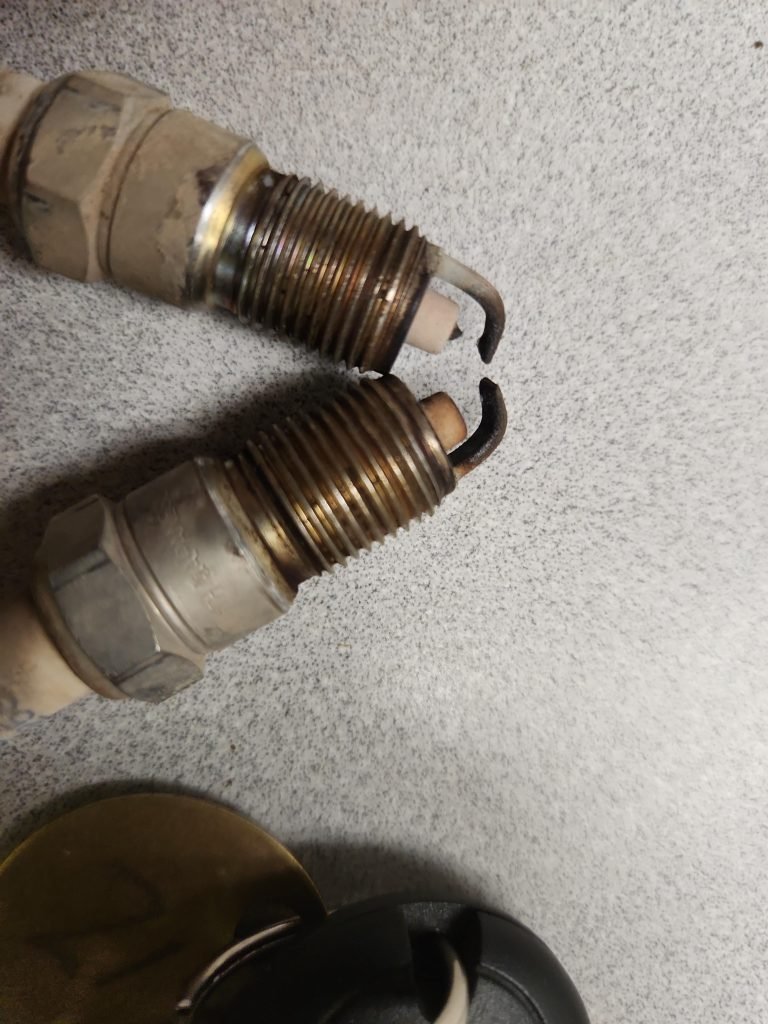
Have you ever wondered what a burnt spark plug looks like? You’re not alone.
Many car owners overlook this small yet crucial component of their vehicle’s engine. But understanding the signs of a burnt spark plug can save you from unexpected breakdowns and costly repairs. Imagine cruising smoothly along the highway, knowing your engine is in top shape.
Sounds good, right? By recognizing the telltale signs of a burnt spark plug, you can ensure your car’s performance remains reliable and efficient. Stick around as we dive into the details, helping you spot the signs early and maintain your car’s health effortlessly.

Credit: www.reddit.com
Common Spark Plug Damage
Spark plugs face various types of damage during their life. Recognizing common spark plug damage helps diagnose engine problems early. Some damage is normal wear, while other signs point to issues like burnt electrodes.
Normal Wear Patterns
Normal wear shows gradual changes on the spark plug surface. Electrodes may have slight rounding or light discoloration. A thin layer of gray or tan deposits usually forms on the insulator tip.
This wear means the spark plug is working correctly. It still produces a strong spark for proper engine function. Normal wear appears evenly on all electrodes without cracks or heavy deposits.
Signs Of Burnt Electrodes
Burnt electrodes look eroded or melted. The edges become sharp or rounded in an irregular way. Electrodes may look thin, broken, or have chunks missing.
Color changes also occur. Electrodes often turn white, blistered, or show signs of overheating. The insulator tip might be cracked or have black soot around it.
These signs indicate the spark plug runs too hot or is misfiring. Burnt electrodes reduce spark quality and cause engine performance issues.

Credit: www.reddit.com
Visual Clues Of A Burnt Spark Plug
Recognizing a burnt spark plug can save you from unexpected engine troubles and costly repairs. Visual clues provide quick hints about the health of your spark plug, helping you decide if it needs replacement or further inspection. Let’s look at key signs you can spot easily.
Color Changes
The color of a spark plug’s tip tells a lot about its condition. A healthy plug usually has a light tan or gray color. If you notice a white or very pale appearance, it might mean the engine is running too hot or the air-fuel mixture is too lean.
On the other hand, a burnt spark plug often shows dark brown, black, or even blistered white spots. These colors indicate overheating or carbon buildup. Have you checked the color before replacing your spark plug?
Surface Texture
The surface texture of the spark plug’s insulator also changes when it’s burnt. Instead of smooth porcelain, you might see rough, cracked, or eroded surfaces. This damage happens because extreme heat causes the material to break down.
Feel the plug and observe carefully—roughness or pitting on the surface isn’t normal. Spotting these signs early can prevent further engine damage and poor performance.
Electrode Condition
The electrode is the small metal piece that sparks to ignite the fuel-air mix. In a burnt spark plug, this part often looks melted, rounded, or worn down. Sharp edges become dull, and the gap may widen beyond specifications.
Watch for any signs of burning or erosion on the electrode. It’s a clear sign your spark plug isn’t firing correctly, which can cause misfires and reduce engine efficiency.
Causes Of Spark Plug Burnout
Spark plug burnout happens due to several engine problems. Recognizing these causes helps maintain engine health. Understanding why spark plugs burn out prevents costly repairs and keeps engines running smoothly.
Engine Overheating
High engine temperature can damage spark plugs quickly. Overheating causes the spark plug tip to melt or wear out. Poor cooling system function or heavy engine load leads to overheating. Burnt spark plugs show white or blistered insulators in these cases.
Incorrect Fuel Mixture
The air-fuel mix affects spark plug life directly. A lean mixture means too much air and not enough fuel. This causes high combustion temperature and burns the spark plug. A rich mixture floods the plug with fuel, causing fouling and misfires. Both conditions shorten spark plug lifespan.
Ignition Problems
Faulty ignition timing or weak spark stresses spark plugs. Misfires cause unburned fuel to damage the plug’s surface. Worn ignition wires or coils create inconsistent sparks. These issues lead to carbon buildup or burning of the spark plug tip.
Effects Of Burnt Spark Plugs On Engine
Burnt spark plugs affect how your engine runs. They cause problems that reduce engine efficiency and can lead to bigger issues. Recognizing these effects helps maintain your vehicle’s health. Below are key impacts of burnt spark plugs on engine performance.
Reduced Performance
Burnt spark plugs cause weak sparks. This leads to incomplete fuel combustion. The engine loses power and acceleration slows down. Fuel efficiency drops because more fuel is wasted. Your car may feel sluggish and less responsive.
Increased Emissions
Incomplete combustion produces more harmful gases. These include carbon monoxide and unburned hydrocarbons. The vehicle releases more pollutants into the air. This can cause your car to fail emission tests. It harms the environment and reduces air quality.
Starting Issues
Burnt spark plugs make it hard to start the engine. The weak spark fails to ignite the fuel properly. This causes longer cranking times or engine misfires. In cold weather, starting problems become worse. You may hear rough or uneven engine sounds at startup.
Quick Inspection Tips
Checking a spark plug quickly can save time and prevent bigger engine issues. A fast inspection helps spot burnt spark plugs early. This keeps your engine running smoothly.
Follow simple steps with basic tools. Watch for clear signs of damage or wear. Knowing when to replace a spark plug avoids costly repairs.
Tools Needed
- Spark plug socket wrench
- Ratchet or wrench handle
- Wire brush or spark plug cleaner
- Flashlight for better visibility
- Gloves to protect your hands
Visual Inspection Steps
- Remove the spark plug carefully using the socket wrench
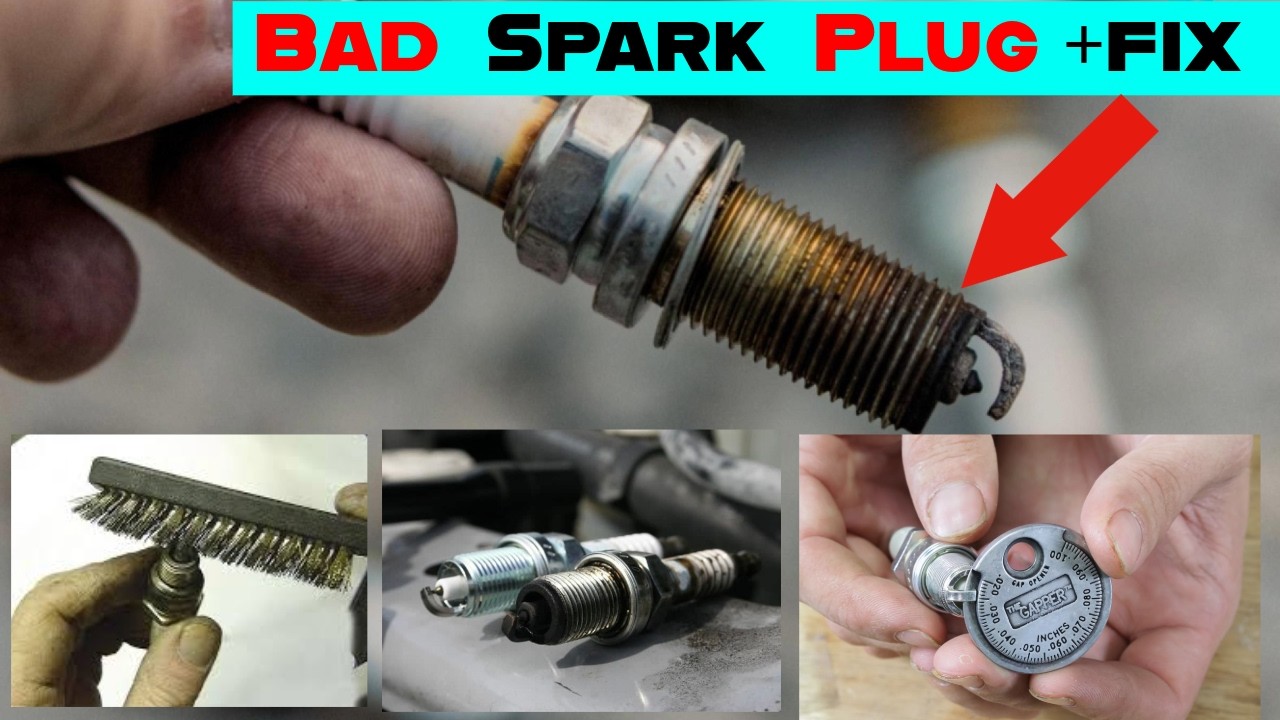
- Check the tip for a white, blistered, or melted look
- Look for black soot or oily deposits on the electrodes
- Inspect for cracks or broken ceramic insulator parts
- Use the wire brush to clean off dirt or deposits
- Examine the gap between electrodes for correct spacing
When To Replace
- Electrodes are worn down or eroded
- Tip shows signs of burning or melting
- Presence of heavy black soot or oil deposits
- Cracked or broken ceramic insulator
- Engine misfires or runs rough after inspection
- Gap is too wide or uneven and cannot be adjusted
Preventing Spark Plug Damage
Preventing spark plug damage keeps your engine running smooth and saves money. Spark plugs wear out from heat and dirt. Taking simple steps helps them last longer and work better. Avoiding damage also stops engine problems and poor fuel use.
Regular Maintenance
Check spark plugs often. Look for cracks, dirt, or wear. Change them as your car manual says. Clean spark plug holes before installing new plugs. Use the right tools to avoid damage during removal or installation. Regular checks catch small problems early.
Fuel Quality
Use good quality fuel. Low-quality fuel causes deposits on spark plugs. These deposits block sparks and make plugs burn out faster. Choose fuel with the right octane number for your engine. Avoid fuels with too many additives that can harm spark plugs.
Proper Engine Tuning
Keep your engine tuned well. A well-tuned engine burns fuel fully and evenly. Poor tuning causes overheating or fouling of spark plugs. Check ignition timing and air-fuel mix regularly. Fix engine problems quickly to protect spark plugs from damage.
Credit: www.youtube.com
Frequently Asked Questions
What Does A Burnt Spark Plug Look Like?
A burnt spark plug often shows a white, blistered, or melted electrode. It may have a cracked porcelain insulator. These signs indicate overheating or improper fuel mixture in the engine.
How Can I Identify Spark Plug Damage?
Look for discoloration, erosion, or heavy deposits on the spark plug. Burnt plugs appear white or gray with damaged electrodes. These signs affect engine performance and fuel efficiency.
What Causes Spark Plugs To Burn Out?
Overheating, incorrect air-fuel mixture, or engine timing issues cause spark plugs to burn. Poor engine maintenance or use of wrong spark plug type also leads to damage.
Can A Burnt Spark Plug Affect Engine Performance?
Yes, burnt spark plugs cause misfires, rough idling, and poor acceleration. They reduce fuel efficiency and increase emissions. Timely replacement improves engine health and performance.
Conclusion
A burnt spark plug shows clear signs of damage. It often looks black, sooty, or cracked. These signs mean the engine is not running well. Checking spark plugs helps keep your car healthy. Replacing damaged plugs can improve engine performance.
Pay attention to how your engine sounds or runs. Regular maintenance stops bigger problems later. Understanding spark plug issues saves time and money. Keep your engine firing smoothly by checking plugs often. Simple checks prevent costly repairs down the road.





