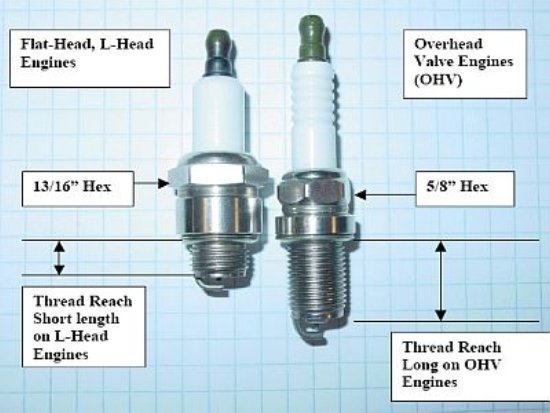
Are you tired of your lawn mower sputtering out just when you’re halfway through taming your yard’s jungle? One tiny detail might be the culprit: the spark plug gap.
Yes, that seemingly small space can make a big difference in how well your mower performs. But what’s the right gap for your machine? This isn’t just a technical detail; it’s the secret to a smooth, efficient mowing experience. Dive into this guide to discover how adjusting this one element can transform your mowing routine and keep your lawn looking its best.
Your mower’s potential is just a gap away—let’s unlock it together!
Credit: lavalite.org
Spark Plug Gap Basics
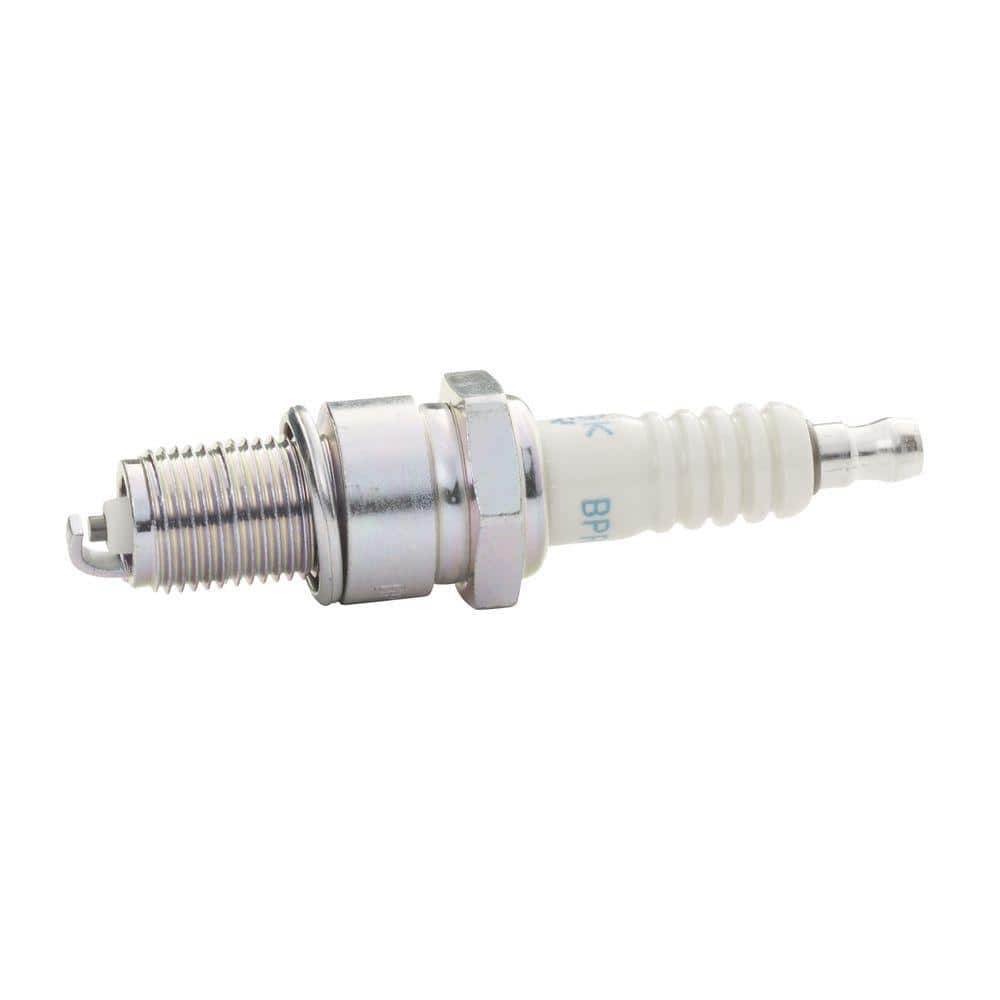
Understanding the spark plug gap is essential for keeping your lawn mower running smoothly. The gap is the tiny space between the center and side electrodes of the spark plug. This small distance controls the spark that ignites the fuel-air mixture inside the engine.
Many people overlook this detail, but getting the gap right can make a big difference in how your mower performs. If you’ve ever struggled with a mower that’s hard to start or runs roughly, the spark plug gap might be the culprit. Let’s break down why this gap matters and how it affects your mower’s power.
Role Of Spark Plug Gap
The spark plug gap determines how the spark jumps between the electrodes. This spark ignites the fuel in the engine’s combustion chamber, powering your mower. A correct gap ensures a strong, consistent spark every time you pull the starter cord.
Too small a gap means the spark might be weak or fail to ignite the fuel properly. Too large a gap can cause misfires or make the engine harder to start. Think of the gap as the perfect distance for the spark to jump without losing strength.
How Gap Affects Performance
If the gap is off, your mower might struggle with:
- Starting difficulties
- Poor fuel efficiency
- Engine misfires or rough idling
- Reduced power output
Adjusting the gap to the manufacturer’s specifications can improve these issues immediately. You might notice smoother starts and a more responsive engine after simply setting the right gap. Have you checked your spark plug gap recently? It’s an easy fix that can save you time and frustration.
Recommended Gaps For Lawn Mowers
Setting the correct spark plug gap is crucial for lawn mower performance. The gap affects how well the spark ignites the fuel-air mix. A proper gap ensures smooth starts, efficient running, and less pollution. Using the right gap size helps your mower last longer and run cleaner.
Manufacturer Guidelines
Each lawn mower brand has specific gap recommendations. Always check the owner’s manual for exact numbers. Manufacturers design engines with particular spark plug gaps in mind. Following these instructions keeps your mower running at its best. Ignoring them can cause poor engine performance or damage.
Common Gap Sizes
Most lawn mowers use a spark plug gap between 0.025 and 0.035 inches. This range suits many small engines found in push mowers and ride-ons. Some common gap sizes include:
- 0.025 inches (0.64 mm)
- 0.030 inches (0.76 mm)
- 0.035 inches (0.89 mm)
Use a feeler gauge to measure and adjust the gap. Small changes can improve engine start and power. Setting the gap too wide or too narrow can cause misfires or hard starts.
Measuring The Spark Plug Gap
Measuring the spark plug gap is a crucial step to ensure your lawn mower runs smoothly and efficiently. The gap affects the spark’s strength, which directly influences engine performance. A gap that’s too wide or too narrow can cause misfires, difficulty starting, or poor fuel economy.
Getting this measurement right is easier than you might think. With the right tools and a careful approach, you can quickly check and adjust the gap yourself, saving time and money on repairs. Have you ever struggled with a mower that just wouldn’t start? The spark plug gap might have been the culprit.
Tools Needed
- Feeler Gauge:The most accurate tool, with thin metal blades of various thicknesses.
- Spark Plug Gap Tool:A more common, user-friendly tool that looks like a small ruler or wire loop.
- Flathead Screwdriver:Sometimes useful for gently bending the ground electrode to adjust the gap.
- Gloves:To protect your hands while handling the spark plug.
Having these tools ready before you start will make the process smoother. You don’t need fancy equipment—just simple, affordable tools that you can find at most hardware stores.
Step-by-step Measurement
- First, remove the spark plug from your lawn mower using a spark plug socket or wrench.
- Clean any dirt or debris from the plug to get a clear view of the electrodes.
- Check your mower’s manual or the spark plug itself for the recommended gap size, usually between 0.025 and 0.030 inches.
- Take your feeler gauge or gap tool and slide it into the space between the center and ground electrode.
- If the tool fits snugly without forcing, the gap is correct.
- If it’s too tight or loose, gently bend the ground electrode using your fingers or a screwdriver to adjust the gap.
- Recheck the gap after adjusting to ensure it matches the recommended measurement.
- Once set, reinstall the spark plug into the mower carefully, avoiding cross-threading.
How often do you check your spark plug gap? Many overlook this simple step, but it can make a noticeable difference in your mower’s performance. Measuring and adjusting the gap is a small task that pays off with smoother starts and better fuel efficiency.

Credit: www.amazon.ca
Adjusting The Spark Plug Gap
Adjusting the spark plug gap is a key step to keep your lawn mower running smoothly. A gap that’s too wide or too narrow can cause poor engine performance or trouble starting. You don’t need fancy tools to get it right; with a little patience and the right technique, you can fine-tune the gap yourself.
How To Increase The Gap
If your spark plug gap is too small, gently widening it is simple. Use a spark plug gap tool or a feeler gauge to measure the current gap first. Then, carefully bend the ground electrode away from the center electrode to increase the gap.
Be gentle to avoid damaging the electrodes. Just a slight bend can make a big difference. Check the gap frequently as you adjust to avoid making it too wide.
How To Decrease The Gap
To make the gap smaller, you need to bring the electrodes closer together. Press the ground electrode gently toward the center electrode with your fingers or the flat end of the gap tool. Again, take small steps and measure often.
Watch out for cracking the ceramic insulator around the center electrode—this can ruin the spark plug. Adjusting the gap to the manufacturer’s recommended size ensures your mower’s engine fires correctly and runs efficiently.
Signs Of Incorrect Gap
Spotting the signs of an incorrect spark plug gap can save you from frustrating lawn mower troubles. If your spark plug gap is off, your engine won’t run smoothly, and you might not even realize why. Paying attention to these warning signals helps you fix the gap before it causes bigger problems.
Engine Misfires
One common sign of an incorrect spark plug gap is engine misfires. You might notice your mower’s engine sputtering or hesitating during use. This happens because the spark isn’t strong enough to ignite the fuel properly, causing inconsistent combustion.
If your mower jerks or stalls unexpectedly, check the spark plug gap before assuming it’s a more serious engine issue. A quick adjustment can often restore smooth performance.
Starting Problems
Does your lawn mower struggle to start or fail to start at all? An incorrect spark plug gap can make igniting the engine difficult. A gap that’s too wide or too narrow prevents the spark from jumping effectively across the electrodes.
You might find yourself pulling the starter cord multiple times with no success. Fixing the gap can make starting your mower much easier and save you time and effort.
Reduced Fuel Efficiency
Have you noticed your mower is using more fuel than usual? A wrong spark plug gap can cause incomplete combustion, wasting fuel. This not only affects performance but also increases your running costs.
Pay close attention to how often you refuel. If you’re filling up more frequently, checking and setting the correct spark plug gap might be the simple fix you need to improve fuel efficiency.
Maintaining Spark Plug Health
Maintaining spark plug health is essential for your lawn mower’s smooth operation. A clean and properly gapped spark plug ensures efficient combustion. This improves engine performance and reduces fuel use. Regular care extends the spark plug’s life and prevents mower issues.
Cleaning Tips
Remove the spark plug carefully before cleaning. Use a wire brush to remove carbon deposits. Avoid harsh chemicals that can damage the plug. Check the electrode and insulator for cracks or wear. Dry the spark plug completely before reinstalling it.
When To Replace
Replace the spark plug if the electrode is worn or damaged. Cracks in the insulator mean the plug is unsafe to use. If the spark plug gap cannot be adjusted properly, get a new one. Replace it after every 100 hours of use or once per season. A fresh spark plug helps maintain engine power and fuel efficiency.

Credit: www.reddit.com
Frequently Asked Questions
What Is The Ideal Spark Plug Gap For Lawn Mowers?
The ideal spark plug gap for most lawn mowers is between 0. 025 to 0. 030 inches. Always check your mower’s manual for specific gap recommendations to ensure optimal engine performance and fuel efficiency.
How To Measure Spark Plug Gap On Lawn Mowers?
Use a spark plug gap tool or feeler gauge to measure the gap. Insert the tool between the electrodes and adjust until it fits snugly without forcing it.
Why Is Spark Plug Gap Important For Lawn Mower Engines?
Proper spark plug gap ensures efficient ignition and combustion. Incorrect gaps can cause hard starts, poor engine performance, and increased fuel consumption.
Can I Adjust Spark Plug Gap Myself Safely?
Yes, you can adjust the gap yourself using a gap tool. Be gentle to avoid damaging the electrodes or altering the spark plug’s integrity.
Conclusion
Setting the correct spark plug gap keeps your lawn mower running well. It helps the engine start easily and work smoothly. Too wide or too narrow a gap can cause problems. Check your mower’s manual for the right gap size.
Use a feeler gauge to measure and adjust the gap carefully. Regular maintenance saves time and money. Keep your mower ready for the next cut. Simple steps make a big difference. Your lawn will look better, and your mower will last longer.





