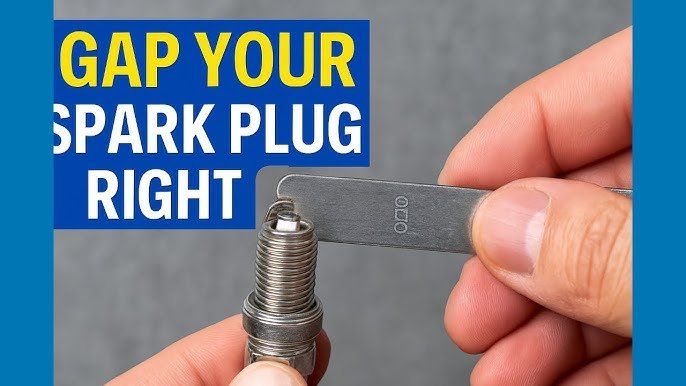
Are you unsure about whether you need to gap your spark plugs? This simple yet crucial step could be the key to unlocking your engine’s best performance.
Imagine driving with smooth acceleration, improved fuel efficiency, and fewer misfires—all possible with properly gapped spark plugs. But what does gapping really mean for your vehicle? And why should you care? Dive into this article to discover how a small adjustment can make a big difference in your driving experience.
Don’t miss out on the secrets to maintaining your car’s engine health and maximizing its efficiency. Your vehicle deserves the best, and so do you. Keep reading to find out how you can ensure your spark plugs are just right for optimal performance.
Role Of Spark Plug Gapping
Understanding the role of spark plug gapping is essential for anyone looking to maintain or improve their engine’s performance. The gap refers to the distance between the center and ground electrodes of the spark plug. This small space plays a big role in how effectively your engine ignites the fuel-air mixture.
If the gap is too wide, the spark may be weak or inconsistent, causing misfires or rough idling. Too narrow, and the spark might not be strong enough to ignite the mixture properly, leading to poor fuel efficiency or sluggish acceleration. Have you ever noticed your engine struggling to start or running unevenly? The spark plug gap could be the reason.
How Spark Plug Gap Affects Engine Performance
The spark plug gap directly influences how well your engine fires. A correct gap ensures a strong, consistent spark that burns the fuel efficiently. This helps your engine run smoothly, improve fuel economy, and reduce emissions.
When the gap is off, you might experience hesitation during acceleration, increased fuel consumption, or even engine knocking. Adjusting the gap can sometimes solve these issues without the need for expensive repairs. Have you checked your spark plug gap recently? It might be an easy fix to boost your engine’s responsiveness.
Common Spark Plug Gap Measurements
Manufacturers usually recommend specific gap sizes for their engines, often found in your vehicle’s manual. Most standard spark plugs come with a gap ranging from 0.028 inches (0.7 mm)to 0.060 inches (1.5 mm). The exact gap depends on your engine’s design and fuel system.
| Engine Type | Typical Spark Plug Gap |
|---|---|
| Standard Gasoline Engines | 0.028″ – 0.045″ (0.7 mm – 1.1 mm) |
| High-Performance Engines | 0.035″ – 0.060″ (0.9 mm – 1.5 mm) |
| Older Carbureted Engines | 0.045″ – 0.060″ (1.1 mm – 1.5 mm) |
Using a spark plug gap tool can help you measure and adjust the gap precisely. You might find that even new plugs come with an incorrect gap, so it’s worth double-checking before installation. Have you tried regapping your plugs and noticed a difference in how your engine runs?
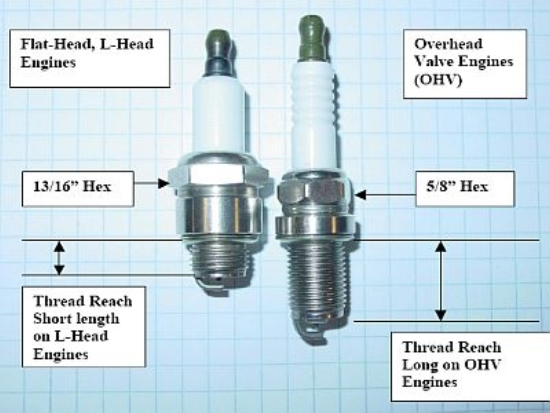
Credit: www.vanguardpower.com
Signs You Need To Gap Spark Plugs
Knowing the signs that your spark plugs need gapping can save you from costly repairs and improve your vehicle’s performance. Spark plugs play a crucial role in igniting the fuel-air mixture in your engine. If the gap between the electrodes is off, it can cause several noticeable issues.
Engine Misfires And Rough Idling
If your engine frequently misfires or idles roughly, it could be a sign that your spark plugs need gapping. When the gap is too wide or too narrow, the spark may be weak or inconsistent, causing incomplete combustion. You might feel your car jerking or hear unusual noises during acceleration.
Have you noticed your engine hesitating or stalling unexpectedly? This often points to spark plug problems that gapping can fix.
Reduced Fuel Efficiency
Are you filling up your tank more often than usual? Poor spark plug gaps can lead to inefficient fuel burning, which means your engine uses more gas to perform the same work. This not only costs you more money but also increases harmful emissions.
Checking and adjusting the gap on your spark plugs can restore proper combustion and improve your miles per gallon.
Difficulty Starting The Engine
Struggling to start your car, especially in cold weather, might be caused by spark plugs with incorrect gaps. If the gap is off, the spark won’t be strong enough to ignite the fuel-air mixture quickly. This can leave you turning the key multiple times before the engine finally catches.
Next time your engine is slow to start, consider inspecting your spark plug gaps before assuming it’s a battery or starter issue.
Tools For Gapping Spark Plugs
Gapping spark plugs is a simple but important task for engine performance. The right tools make this job easier and more accurate. Using proper tools ensures the gap matches the vehicle’s specifications. This helps the engine start smoothly and run efficiently. Below are some common tools used for gapping spark plugs and how to use them.
Using A Spark Plug Gap Tool
A spark plug gap tool is the most common device for setting the gap. It usually looks like a small wire or plastic gauge with different thicknesses. To use it, select the correct thickness for your spark plug gap. Slide the tool between the electrodes to measure the gap size. If the gap is too small, gently bend the side electrode outward. If the gap is too wide, carefully push the electrode inward. Check the gap again with the tool until it matches the recommended size.
Alternative Tools And Methods
Other tools can also help with gapping spark plugs. Feelers gauges offer precise measurements and come in sets with various thicknesses. You insert a specific thickness blade between the electrodes to check the gap. A coin-style gap tool is another option. It uses a flat disc with stepped edges to measure the gap. Some people use a small ruler or caliper, but these are less accurate. Always handle the spark plug carefully to avoid damage while adjusting the gap.
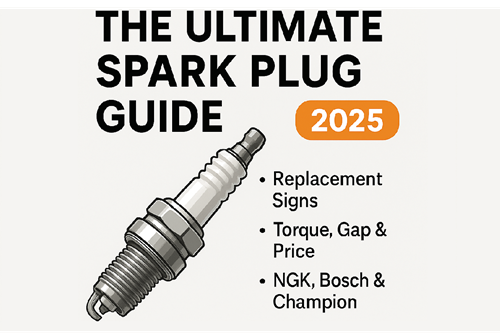
Credit: modernautoparts.co.za
Step-by-step Spark Plug Gapping Process
Gapping spark plugs ensures your engine runs smoothly and efficiently. It improves ignition and fuel combustion. Proper gap size is essential for optimal performance. Here is a clear, easy-to-follow process for gapping spark plugs.
Removing The Spark Plug
Start by turning off the engine and letting it cool. Use a spark plug socket and ratchet to loosen the spark plug. Turn counterclockwise to remove it carefully. Avoid damaging the threads or the plug itself. Keep the spark plug clean and dry during the process.
Measuring The Existing Gap
Use a spark plug gap tool or feeler gauge. Insert the tool between the center and ground electrodes. The tool should slide in with slight resistance. Check the measurement against your vehicle’s recommended gap. Note if the gap is too wide or too narrow.
Adjusting The Gap Safely
Use the gap tool’s bending part to adjust the electrode. Gently bend the ground electrode to increase or decrease the gap. Avoid applying too much force; the electrode may break. Recheck the gap after adjusting to ensure accuracy. Repeat until the gap matches the recommended size.
Tips To Maintain Spark Plug Performance
Maintaining spark plug performance is key to keeping your engine running smoothly and efficiently. Neglecting this small but vital component can lead to poor fuel economy, rough idling, and even engine misfires. You don’t need to be a mechanic to keep your spark plugs in top shape; simple habits and timely checks can make a big difference.
Regular Inspection Intervals
Check your spark plugs regularly to catch issues early. Inspecting them every 20,000 to 30,000 miles is a good rule, but always consult your vehicle’s manual for specific guidance.
Look for signs like carbon buildup, worn electrodes, or cracked insulators. These can signal poor performance or impending failure. Keeping a checklist during inspections helps you track changes over time.
- Use a spark plug socket and a gap gauge for accurate checks.
- Compare the gap to manufacturer specifications; too wide or too narrow affects ignition.
- Clean light deposits with a wire brush if they are minimal.
When To Replace Spark Plugs
Knowing when to replace spark plugs saves you from unexpected breakdowns. Most spark plugs last between 30,000 and 100,000 miles depending on the type.
If you notice your engine hesitating, reduced power, or increased fuel consumption, it might be time for a replacement. Don’t wait for complete failure—spark plugs are inexpensive and easy to change yourself or at a service shop.
Ask yourself: Are you monitoring your engine’s performance closely enough? Ignoring subtle changes can lead to bigger problems later. Staying proactive with spark plug care protects your investment in your vehicle and ensures a smoother drive every time.

Credit: craigscarcare.com
Impact Of Incorrect Spark Plug Gap
Getting the spark plug gap wrong can cause more trouble than you might expect. It affects how well your engine runs and can lead to costly repairs if ignored. Understanding what happens when the gap isn’t right will help you keep your vehicle in top shape.
Engine Knock And Damage
An incorrect spark plug gap can cause your engine to knock. This happens because the spark may ignite the fuel-air mixture too early or unevenly. Over time, this knocking puts stress on engine parts and can cause serious damage.
Have you ever heard a rattling noise from your engine? That might be a sign of improper spark plug gaps. Fixing the gap can reduce this noise and protect your engine from wear.
Increased Emissions
If the spark plug gap is too wide or too narrow, your engine may not burn fuel efficiently. This incomplete combustion leads to higher emissions, polluting the air more than necessary.
You might notice your vehicle failing emission tests or your fuel economy dropping. Adjusting the spark plug gap to the right size can help your engine run cleaner and save you money at the pump.
Frequently Asked Questions
Do Spark Plugs Always Need Gapping?
Not all spark plugs require gapping. Some come pre-gapped from the factory. Always check your vehicle’s manual to confirm if adjustment is necessary.
How To Check The Gap On Spark Plugs?
Use a spark plug gap tool or feeler gauge to measure the gap. Compare the measurement to your vehicle’s specifications for accuracy.
What Happens If Spark Plugs Are Not Gapped Correctly?
Incorrect gaps can cause poor engine performance, misfires, and reduced fuel efficiency. Proper gapping ensures optimal combustion and smooth running.
Can I Gap Spark Plugs Myself Safely?
Yes, with the right tools and instructions, you can gap spark plugs safely at home. Take care to avoid damaging the electrodes.
Conclusion
Properly gapping spark plugs helps your engine run smoothly. It improves fuel efficiency and reduces emissions. Spark plugs that are too close or wide cause problems. Checking the gap ensures good ignition and performance. Mechanics often adjust gaps during routine maintenance.
Don’t ignore this small but important step. Your car will thank you with better power and fewer issues. Keep spark plugs in good shape for a reliable ride. Simple care goes a long way.





