
Have you ever wondered why your vehicle’s performance seems a bit off? It might be time to pay attention to those small yet mighty components—your spark plugs.
Understanding how to index spark plugs can make a significant difference in your engine’s efficiency and power. This guide is your ticket to unlocking a smoother ride and a more responsive vehicle. Imagine cruising down the road with improved fuel economy and fewer emissions.
By learning the art of spark plug indexing, you can achieve just that. Stick around to discover simple steps that can transform your driving experience. Your car—and your wallet—will thank you!
Credit: www.vividracing.com
Purpose Of Spark Plug Indexing
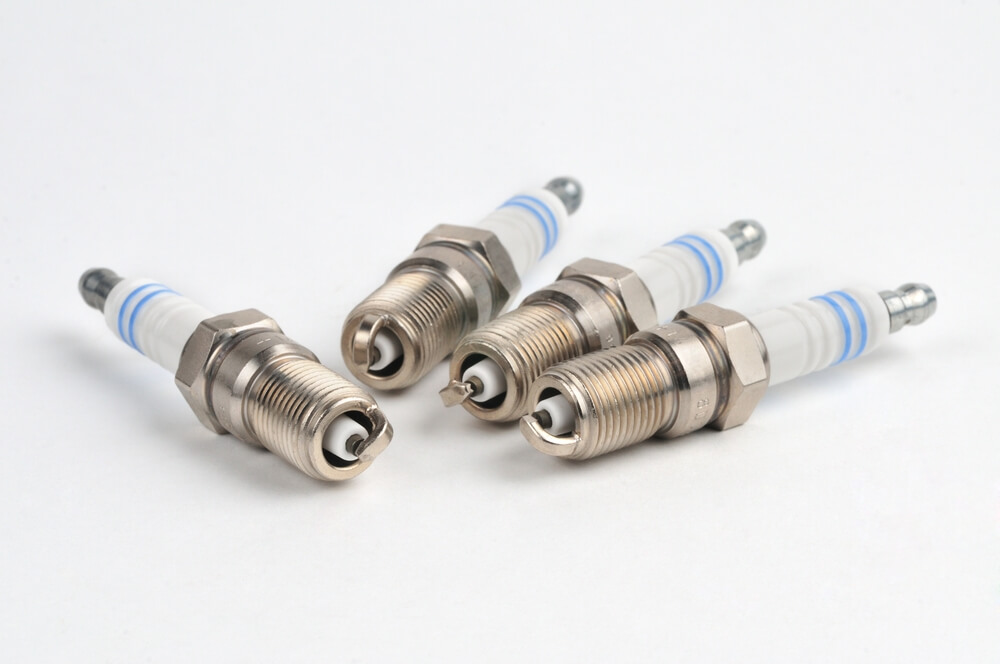
Understanding the purpose of spark plug indexing is key to getting the most out of your engine. It’s not just about placing the spark plug in the cylinder head; it’s about aligning the spark plug’s electrode in a way that optimizes the spark’s position. This alignment can influence how efficiently your engine burns fuel and ultimately how well it performs.
Impact On Combustion Efficiency
Spark plug indexing helps direct the spark toward the center of the combustion chamber. This can lead to a more complete and faster burn of the air-fuel mixture. When the spark occurs in the optimal position, it reduces the chances of incomplete combustion, which can cause wasted fuel and higher emissions.
Think about how a candle burns brighter and steadier when lit in the right spot. Similarly, proper spark plug indexing ensures the flame front spreads evenly across the mixture. This efficient burn improves fuel economy and reduces engine knocking, which can damage your engine over time.
Effects On Engine Performance
Properly indexed spark plugs can improve throttle response and overall power output. You might notice smoother acceleration and better engine stability, especially under load. It’s a simple adjustment that can make your engine feel more responsive without any major modifications.
Have you ever felt hesitation during acceleration or rough idling? Misaligned spark plugs could be a hidden cause. Indexing helps avoid uneven combustion pressures, which translates to less engine vibration and more consistent power delivery.

Credit: www.indianmotorcycles.net
Tools Needed For Indexing
Indexing spark plugs requires specific tools to ensure proper alignment and performance. Choosing the right tools can make the process easier and more accurate. Both basic and specialized tools help you achieve the best results.
Basic Equipment
- Spark plug socket – fits various spark plug sizes
- Ratchet wrench – provides leverage for tightening
- Torque wrench – ensures correct tightening torque
- Feeler gauge – measures spark plug gap
- Marker or pencil – marks the spark plug for indexing
These basic tools are essential for simple spark plug maintenance and indexing. They provide the foundation for proper installation and adjustment.
Specialized Tools
- Spark plug indexing washer kit – adjusts plug orientation
- Indexing gauge – checks spark plug electrode position
- Gap tool with scale – fine-tunes the electrode gap
- Dielectric grease – protects the plug and improves fit
- Plug thread chaser – cleans spark plug threads
Specialized tools improve precision and help customize spark plug alignment. These tools assist in enhancing engine efficiency and spark distribution.
Preparing Spark Plugs For Indexing
Preparing spark plugs for indexing improves engine performance and fuel efficiency. The process starts with cleaning each spark plug thoroughly. Dirt and deposits can affect spark plug function and indexing accuracy. After cleaning, marking the electrodes ensures proper alignment during installation. This careful preparation helps achieve the best spark and combustion.
Cleaning The Spark Plugs
Remove dirt and carbon deposits from spark plugs using a wire brush or spark plug cleaner. Avoid harsh chemicals that can damage the ceramic or metal parts. Clean threads and electrode areas carefully to prevent residue buildup. Use compressed air to blow away loose particles. Ensure spark plugs are dry and free from oil before proceeding.
Marking The Electrodes
Identify the electrode positions on each spark plug by marking them clearly. Use a permanent marker or paint to create visible marks on the side of the electrode. This helps align the plugs in the correct orientation inside the engine. Proper marking ensures the spark jumps at the optimal spot for better combustion. Double-check marks before installation to avoid mistakes.
Aligning Spark Plugs Correctly
Aligning spark plugs correctly is essential for better engine performance. Proper alignment ensures the spark ignites the fuel-air mix effectively. This leads to smoother starts and improved fuel efficiency. Incorrect alignment can cause misfires and uneven engine wear.
Identifying The Optimal Gap Orientation
The spark plug gap must face the direction of the combustion chamber’s airflow. This helps the spark jump efficiently across the electrodes. The ideal orientation varies by engine design but usually points toward the intake valve. Checking the vehicle’s manual gives exact details on the correct gap direction.
Use a small light or mirror to see inside the cylinder head. This allows you to confirm the spark plug gap faces the proper side. Correct gap orientation reduces the risk of fouling and helps maintain steady combustion.
Adjusting The Electrode Position
Adjusting the electrode position helps align the spark plug gap precisely. Gently bending the ground electrode can set the correct angle. Use a special tool designed for this task to avoid damage.
Make small adjustments and recheck the gap with a feeler gauge. The goal is a consistent gap distance and proper alignment with the combustion chamber. Avoid touching or scraping the center electrode, as this can weaken the spark.
Proper electrode positioning improves spark efficiency and extends spark plug life. It also supports better engine responsiveness and fuel savings.
Installing Indexed Spark Plugs
Installing indexed spark plugs requires careful attention to detail. These plugs improve engine performance by directing the spark to the optimal position. Proper installation ensures better combustion and smoother engine operation.
Start by preparing the spark plug and engine cylinder. Clean the spark plug hole to avoid debris. Insert the indexed spark plug gently to avoid damage.
Proper Torque Application
Applying the correct torque is essential for a secure fit. Over-tightening can damage the spark plug or cylinder head. Under-tightening may cause poor sealing and engine misfires.
- Use a torque wrench for accuracy.
- Follow the manufacturer’s torque specifications.
- Turn the spark plug until it seats snugly.
- Apply the recommended torque slowly and evenly.
This approach prevents damage and ensures optimal spark plug performance.
Verifying Spark Plug Position
Confirm the spark plug’s index mark is correctly aligned. The electrode should face the direction recommended by the engine manufacturer. This alignment helps direct the spark toward the center of the combustion chamber.
- Check the spark plug gap before installation.
- Rotate the plug slightly if necessary to align the index.
- Use a flashlight or mirror to inspect the electrode position.
Proper positioning improves fuel combustion and engine efficiency.
Common Mistakes To Avoid
Indexing spark plugs correctly is essential for optimal engine performance, but many people make avoidable mistakes that can cause more harm than good. Understanding these common pitfalls will help you handle spark plugs with confidence and keep your engine running smoothly. Let’s look at two key mistakes that often trip up even experienced DIYers.
Over-tightening
It’s tempting to tighten spark plugs as much as possible, thinking it will secure them better. However, over-tightening can strip the threads in the cylinder head, causing costly damage. Have you ever felt the plug suddenly spin freely? That’s a sign you’ve gone too far.
Use a torque wrench and follow the manufacturer’s recommended torque settings. This ensures a snug fit without stressing the threads. Remember, tight enough is better than too tight.
Misalignment Issues
Aligning the spark plug correctly before threading is crucial. Cross-threading occurs when you force the plug at an angle, damaging both the plug and the cylinder head threads. This mistake often happens because people rush or don’t start the threading by hand.
Always begin threading the spark plug by hand. It should screw in smoothly without resistance. If you feel any tight spots or grinding, stop immediately and realign. Taking a few extra seconds here prevents bigger problems later.
Benefits Of Indexed Spark Plugs
Indexed spark plugs offer more than just a neat alignment in your engine—they bring real benefits that can improve how your vehicle runs. By paying attention to how the spark plug electrodes are positioned, you can enhance combustion and get more out of your engine’s performance. Understanding these benefits helps you see why taking the time to index spark plugs can be worth the effort.
Improved Fuel Efficiency
When the spark plug is indexed correctly, the spark fires exactly where the fuel-air mixture is densest. This precise ignition helps the fuel burn more completely, reducing wasted fuel. You’ll likely notice a slight improvement in miles per gallon, which can add up over time.
Think about your own driving experience—have you ever wondered why some engines feel more efficient than others? Indexed spark plugs can be a small tweak that makes a noticeable difference, especially if you’re trying to maximize every drop of fuel.
Enhanced Engine Response
Properly indexed spark plugs create a more consistent and focused spark. This means your engine responds quicker when you press the gas pedal, giving you smoother acceleration. The difference might be subtle at first, but it’s there, especially during quick throttle changes.
Imagine taking off from a stoplight with more confidence because your engine reacts faster. That’s the kind of improvement indexing can deliver. You might find your ride feels more lively and connected to your input.

Credit: www.youtube.com
Frequently Asked Questions
What Does It Mean To Index Spark Plugs?
Indexing spark plugs means aligning the spark gap to face the combustion chamber’s optimal position. This improves ignition efficiency and engine performance by ensuring the spark fires in the best possible direction.
Why Should I Index Spark Plugs In My Engine?
Indexing spark plugs enhances combustion by directing the spark towards the air-fuel mixture. This leads to better fuel efficiency, smoother engine operation, and potentially improved horsepower.
How Do You Properly Index Spark Plugs?
To index spark plugs, first install the plug finger-tight. Then rotate it until the electrode faces the desired direction before fully tightening to the manufacturer’s torque specification.
Can Indexing Spark Plugs Improve Engine Performance?
Yes, indexing can improve engine performance by optimizing the spark’s direction. This results in more complete combustion, reduced misfires, and better throttle response.
Conclusion
Properly indexing spark plugs helps your engine run smoothly. It ensures each cylinder fires at the right time. This can improve fuel efficiency and reduce engine wear. Take time to follow the steps carefully. Check the gaps and adjust as needed.
Regular maintenance keeps your vehicle in good shape. Remember, simple care can prevent big problems later. Now you have the basic knowledge to index spark plugs with confidence. Keep learning and maintaining for the best engine performance.





