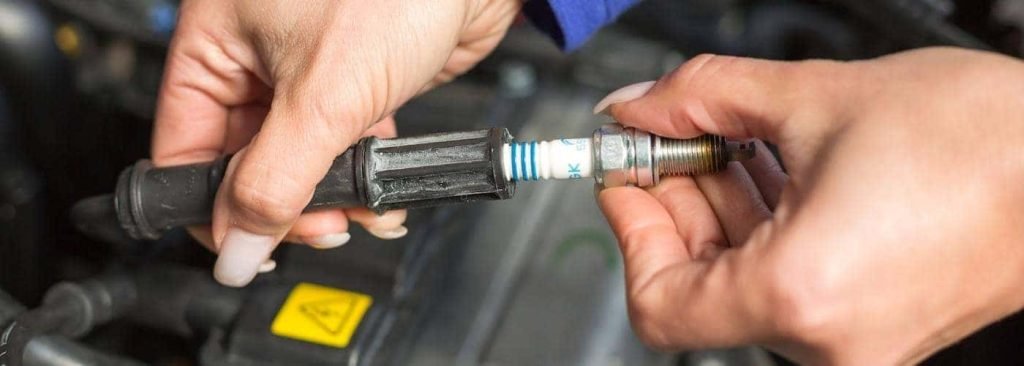
Ever wondered how often you should change your spark plugs? You’re not alone.
Many drivers overlook this crucial aspect of car maintenance, potentially risking performance and efficiency. Spark plugs may be small, but they play a big role in keeping your engine running smoothly. Failing to replace them at the right time can lead to decreased fuel economy, misfires, and even engine damage.
Imagine driving down the road with complete confidence, knowing your car is performing at its best. Sounds appealing, right? This article will guide you through everything you need to know about spark plug maintenance, so you can keep your vehicle in top shape and avoid unexpected breakdowns. Curious to find out more? Let’s dive in!
Role Of Spark Plugs
Spark plugs are small but powerful components in your vehicle’s engine. They play a crucial role in igniting the air-fuel mixture, which keeps your engine running smoothly. Understanding their role helps you grasp why timely replacement matters for your car’s health and performance.
How Spark Plugs Work
Spark plugs create a tiny electric spark that ignites the fuel and air inside your engine’s cylinders. This ignition starts a controlled explosion, pushing the pistons and generating the power needed to move your car.
The spark must be strong and timed perfectly. If the spark is weak or delayed, your engine can misfire, leading to rough idling or poor acceleration.
Impact On Engine Performance
Worn-out spark plugs can cause your engine to run inefficiently. You might notice lower fuel economy, sluggish acceleration, or difficulty starting your car.
Changing spark plugs at the right time keeps your engine firing cleanly and efficiently. Have you ever driven a car with bad spark plugs? The difference in smoothness and power is hard to ignore.
Paying attention to spark plug condition can save you money on fuel and avoid costly engine repairs down the line.
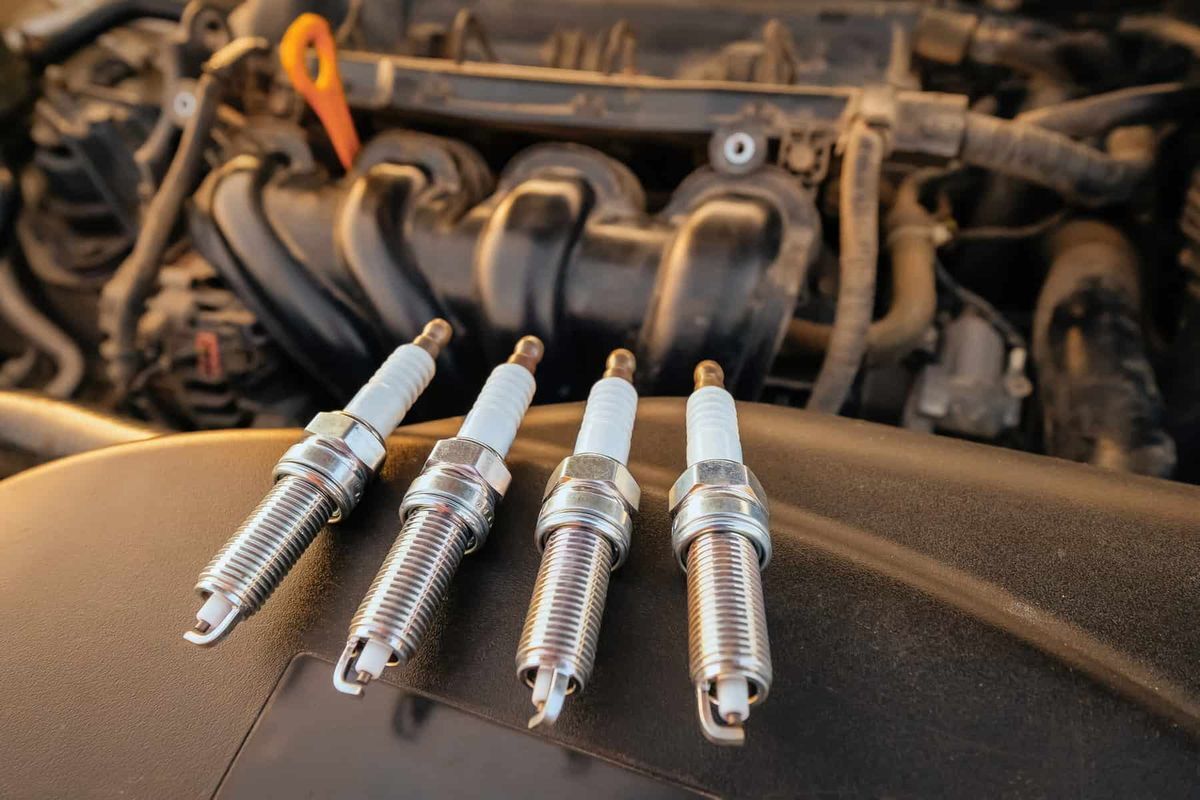
Credit: www.westsideauto.com.au
Signs Of Worn Spark Plugs
Worn spark plugs affect engine performance and fuel economy. They cause several noticeable symptoms. Identifying these signs early helps avoid costly repairs and keeps your car running smoothly. Below are key signs that indicate your spark plugs need replacement.
Engine Misfires And Rough Idling
Worn spark plugs often cause engine misfires. The engine may run unevenly or shake when idling. Misfires happen because the spark plug fails to ignite the fuel-air mix properly. This leads to poor combustion and rough engine performance.
Decreased Fuel Efficiency
Bad spark plugs reduce fuel efficiency. The engine burns more fuel to compensate for weak sparks. You may notice your car needs more fuel than usual to travel the same distance. This wastes money and harms the environment.
Difficulty Starting The Engine
Old spark plugs make starting your car harder. The engine may crank longer or fail to start quickly. This happens because worn plugs create weak sparks that struggle to ignite the engine’s fuel. Replacing plugs solves this problem fast.
Recommended Replacement Intervals
Knowing the right time to change your spark plugs can save you from unexpected breakdowns and keep your engine running smoothly. Recommended replacement intervals are not one-size-fits-all. They vary based on several factors including the manufacturer’s advice, the type of vehicle you drive, and how you use it daily.
Manufacturer Guidelines
Every car maker provides specific recommendations on when to replace spark plugs. These guidelines are usually found in your owner’s manual. They reflect the design and performance standards of your vehicle’s engine.
Most modern cars suggest changing spark plugs between 30,000 and 100,000 miles. High-performance or luxury vehicles might have different intervals. Always check your manual first—ignoring these can lead to wasted fuel and engine misfires.
Differences By Vehicle Type
Not all vehicles require the same spark plug care. For example, a compact sedan and a heavy-duty truck have different engine demands. Trucks often have more robust plugs that last longer due to the engine’s design.
Electric or hybrid cars may not need spark plugs at all, or they use them less frequently. If you drive a motorcycle or an older classic car, you might find the intervals much shorter. Knowing your vehicle type helps you avoid overpaying or risking damage.
Effect Of Driving Conditions
How you drive impacts spark plug life more than you might think. Frequent short trips, stop-and-go traffic, and harsh weather can wear out plugs faster. On the other hand, steady highway driving tends to be less stressful on your engine.
Have you noticed rough idling or a drop in fuel efficiency during winter? These could be signs your spark plugs need attention sooner. Adjust your maintenance schedule based on your daily routes and local climate to stay ahead.
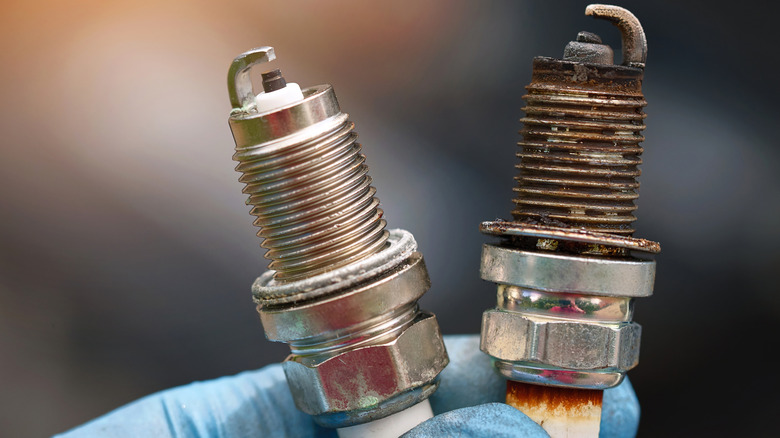
Credit: www.slashgear.com
Types Of Spark Plugs
Choosing the right spark plug can change how often you need to replace it. Different types of spark plugs last for different periods and suit different engines. Understanding these types helps you maintain your vehicle better and avoid unexpected breakdowns.
Copper Spark Plugs
Copper spark plugs have a solid copper core that conducts electricity well. They are usually the most affordable option and offer great performance for older engines. However, they wear out faster, often needing replacement every 20,000 to 30,000 miles.
If you drive a classic car or a vehicle with a simple ignition system, copper plugs might be your best choice. But if you want fewer replacements, you might want to look at other types.
Platinum Spark Plugs
Platinum spark plugs have a platinum disc welded to the tip, which helps them last longer than copper plugs. These typically last around 60,000 miles, cutting down on how often you need to change them. They also provide better fuel efficiency and a smoother engine start.
Many modern vehicles come equipped with platinum plugs, especially if the engine demands more durability. Have you ever noticed smoother starts after a plug replacement? That’s often due to the upgrade to platinum plugs.
Iridium Spark Plugs
Iridium spark plugs use an even harder metal than platinum, making them the longest-lasting option. They can last up to 100,000 miles or more and offer excellent performance in high-tech engines. Iridium plugs also improve ignition efficiency and reduce misfires.
Though they cost more upfront, iridium plugs often save you money by reducing maintenance frequency. If you want to maximize your vehicle’s reliability and performance, these might be the spark plugs for you.
Changing Spark Plugs
Changing spark plugs is a key part of maintaining your vehicle’s engine performance. Over time, spark plugs wear out and can cause misfires, poor fuel economy, or trouble starting your car. Knowing how to replace them yourself saves time and money while keeping your engine running smoothly.
Tools Needed
- Spark plug socket:Usually 5/8 or 13/16 inch, fits snugly around the plug for easy removal.
- Ratchet wrench:Provides leverage to loosen and tighten spark plugs.
- Extension bar:Helps reach plugs located deep inside the engine bay.
- Gap gauge:Measures and adjusts the gap on new spark plugs to manufacturer specs.
- Torque wrench:Ensures plugs are tightened to the correct torque, preventing damage.
- Anti-seize lubricant:Optional but helpful to prevent plugs from sticking in the cylinder head.
Step-by-step Replacement Process
First, make sure your engine is cool to avoid burns. Locate the spark plugs by following the ignition wires or coil packs on your engine.
Remove the ignition wires or coil packs carefully. Use the spark plug socket and ratchet to loosen and remove the old plugs.
Check each old plug for wear or damage; this can tell you about engine health. Use the gap gauge to set the gap on your new plugs correctly.
Apply a small amount of anti-seize on the threads if you choose. Carefully thread the new plugs by hand to avoid cross-threading, then tighten with a torque wrench.
Reconnect the ignition wires or coil packs securely. Start your engine and listen for smooth operation—any misfire might mean a plug isn’t seated properly.
When To Seek Professional Help
If your engine has more than one type of spark plug or complicated ignition systems, a professional mechanic can prevent costly mistakes. You might also want expert help if your plugs are hard to reach or if removing them requires special tools.
Notice any unusual engine noises, persistent misfires, or warning lights after changing plugs? These could signal deeper issues needing a professional diagnosis. Don’t hesitate to ask for help if you’re unsure—sometimes, it saves more time and money than struggling on your own.
Maintaining Spark Plug Health
Maintaining spark plug health ensures your engine runs smoothly and efficiently. Spark plugs create the spark that ignites fuel in the engine. Poor spark plug condition can cause misfires, rough idling, and lower fuel efficiency. Regular care extends their life and keeps your car performing well.
Regular Inspections
Check spark plugs every 20,000 to 30,000 miles. Look for signs of wear like cracks, buildup, or corrosion. Use a flashlight to see the electrodes clearly. Replace plugs that look damaged or worn out. Early detection prevents engine problems and costly repairs.
Cleaning Tips
Clean spark plugs to remove carbon deposits and oil residue. Use a wire brush or spark plug cleaner tool. Avoid harsh chemicals that can damage the plug. Gently remove dirt without scratching the electrodes. Dry plugs completely before reinstalling to avoid misfires.
Avoiding Common Issues
- Use the correct spark plug type for your vehicle model.
- Keep engine oil and coolant leaks away from spark plugs.
- Do not overtighten plugs during installation to prevent damage.
- Replace spark plug wires if cracked or worn.
- Drive smoothly to reduce stress on spark plugs and engine.
Benefits Of Timely Spark Plug Change
Changing spark plugs on time offers many benefits for your vehicle. It keeps the engine running smoothly and saves money on repairs. Timely replacement helps maintain overall car health and reduces fuel costs.
Improved Engine Efficiency
New spark plugs create a strong spark to ignite the fuel-air mix. This leads to better combustion and more power. The engine runs cleaner and uses less fuel. Efficiency improvements make driving smoother and more responsive.
Lower Emissions
Old spark plugs cause incomplete fuel burning. This increases harmful gases released into the air. Replacing spark plugs reduces carbon monoxide and other pollutants. Cleaner emissions help protect the environment and meet regulations.
Extended Engine Life
Worn spark plugs make the engine work harder than needed. This causes extra wear on parts and risks damage. Changing spark plugs on schedule lowers stress on the engine. It helps the engine last longer and reduces costly repairs.

Credit: www.acg.aaa.com
Frequently Asked Questions
How Often Should Spark Plugs Be Changed?
Spark plugs should typically be changed every 30,000 to 100,000 miles. The exact interval depends on your vehicle and spark plug type. Always check your owner’s manual for specific recommendations to maintain optimal engine performance and fuel efficiency.
What Are Signs Spark Plugs Need Replacement?
Common signs include engine misfires, poor fuel economy, rough idling, and difficulty starting. If you notice these symptoms, inspect and replace spark plugs promptly to avoid engine damage and maintain smooth vehicle operation.
Can Old Spark Plugs Damage The Engine?
Yes, worn spark plugs can cause incomplete combustion, leading to engine knocking and reduced power. Replacing them on time helps prevent costly engine repairs and ensures your vehicle runs efficiently.
Does Changing Spark Plugs Improve Fuel Efficiency?
Replacing worn spark plugs can improve fuel efficiency by ensuring proper combustion. Fresh spark plugs help the engine burn fuel more completely, reducing emissions and saving you money on gas over time.
Conclusion
Spark plugs need regular checks and timely changes to keep engines strong. Most cars require new spark plugs every 30,000 to 100,000 miles. Worn plugs cause poor fuel use and rough rides. Changing them helps your car run smooth and saves money on repairs.
Simple care goes a long way for engine health. Stay aware of your vehicle’s needs and replace spark plugs as recommended. Your car will thank you with better performance and fewer problems. Keep spark plugs fresh and drive with confidence.





