Is your lawn mower giving you trouble just when your grass is growing out of control? Don’t worry, you’re not alone.
Many people face issues with their lawn mowers, whether it’s a stubborn engine that won’t start or a blade that’s just not cutting like it used to. The good news is that you don’t always need to call in a professional.
You can fix most common lawn mower problems yourself with a little guidance. Imagine the satisfaction of hearing your mower purr back to life with just a few simple tweaks! In this guide, we’ll walk you through easy steps to get your lawn mower back in top shape, saving you both time and money. Ready to become your own lawn mower mechanic? Let’s dive in and get your mower running smoothly again!
Common Lawn Mower Issues
Many lawn mowers face common problems that stop them from working well. These issues can make yard work harder and take more time. Knowing these problems helps fix the mower faster and keeps your lawn neat.
Understanding common mower problems saves money on repairs. It also keeps the mower running longer and cuts grass better. Here are some frequent issues and what causes them.
Engine Won’t Start
The engine may not start due to old fuel or a dirty spark plug. Check if the fuel tank has fresh gas. A clogged air filter can also stop the engine from starting. Make sure the spark plug is clean and connected. The safety switch might be off or faulty.
Poor Cutting Performance
Dull blades cause poor cutting and leave uneven grass. Check if the blade is sharp and balanced. Tall or wet grass can also make cutting hard. Adjust the mower height and avoid cutting too much at once. Check the blade for damage or looseness.
Excessive Vibration
Strong vibrations usually mean the blade is unbalanced or bent. Loose parts in the mower can also cause shaking. Turn off the mower and check the blade for damage. Tighten any loose bolts or screws around the blade and engine.
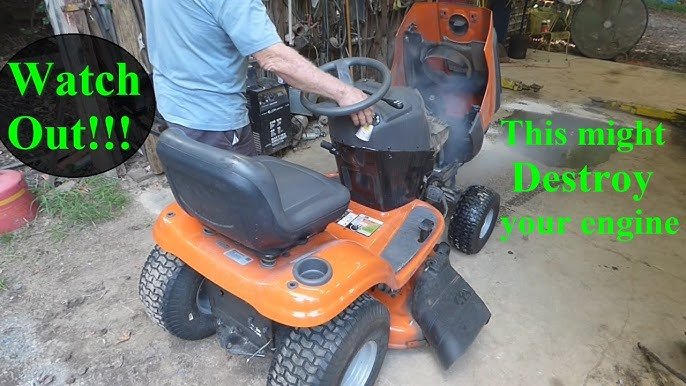
Smoke Or Strange Noises
Smoke may come from oil leaks or engine problems. Strange noises could mean loose parts or worn bearings. Stop the mower immediately if smoke appears. Check for oil spills or damaged engine parts. Listen for grinding or knocking sounds and find the cause.

Credit: www.youtube.com
Basic Tools Needed
Fixing a lawn mower requires some basic tools to get the job done right. Having the right tools helps you save time and avoid damage. These tools are common and easy to find. They let you handle most small repairs and maintenance tasks yourself.
Keep these tools handy in your garage or shed. They make fixing your mower easier and safer. Here are the essential tools you need to start with.
Wrenches And Screwdrivers
Wrenches and screwdrivers are must-have tools for mower repairs. They help remove and tighten bolts and screws. A set of both flathead and Phillips screwdrivers covers most screws. Adjustable wrenches fit different bolt sizes. These tools help you open panels and parts with ease.
Spark Plug Wrench
A spark plug wrench is needed to remove and install spark plugs. This tool fits snugly on the plug for easy turning. Replacing or cleaning the spark plug improves mower performance. Using the right wrench prevents damage to the plug or engine.
Blade Sharpening Tools
Sharp blades cut grass cleanly and improve mower efficiency. Use a file or sharpening stone to keep blades sharp. An electric grinder works well for quick sharpening. Always check the blade balance after sharpening to avoid vibrations.
Safety Gear
Safety gear protects you during repairs and maintenance. Wear gloves to protect your hands from cuts and dirt. Safety glasses keep debris out of your eyes. Closed-toe shoes protect feet from heavy parts and sharp blades. Use ear protection if you run the mower during repair checks.
Step-by-step Repair Guide
Fixing a lawn mower can save time and money. This guide breaks down key repairs into clear, easy steps. Follow each part carefully to get your mower running smoothly again.
Checking The Fuel System
Start by inspecting the fuel tank and lines. Old or dirty fuel can block the system. Drain stale fuel and refill with fresh gas. Check for leaks or cracks in hoses. Clean the fuel filter or replace if clogged. Proper fuel flow is vital for engine performance.
Replacing The Spark Plug
The spark plug ignites the fuel-air mix. A worn plug causes hard starts or no start. Remove the old spark plug with a wrench. Check the gap and condition of the new plug. Install it securely but avoid overtightening. This simple fix often restores easy starting.
Cleaning Or Replacing The Air Filter
A dirty air filter chokes the engine. Remove the cover and take out the filter. Tap it gently to remove dust or wash if reusable. Replace it if torn or very dirty. Clean air helps the engine breathe and run better.
Sharpening Or Replacing The Blade
Dull blades tear grass instead of cutting cleanly. Remove the blade with a wrench. Use a file or grinder to sharpen the edges evenly. Balance the blade to avoid vibration. Replace the blade if it is bent or damaged. Sharp blades improve cutting and lawn health.
Adjusting The Carburetor
The carburetor controls fuel and air mix. An incorrect mix causes rough running or stalling. Locate the adjustment screws on the carburetor. Turn them slightly to improve engine speed and smoothness. Listen to the engine and test changes carefully. Fine tuning can restore power and efficiency.

Credit: www.youtube.com
Maintenance Tips To Prevent Breakdowns
Proper maintenance keeps your lawn mower running smoothly. It reduces the chance of sudden breakdowns and costly repairs. Simple care steps improve the mower’s performance and lifespan. Follow these tips to keep your mower in top shape year-round.
Regular Cleaning
Clean the mower after every use. Remove grass clippings, dirt, and debris from blades and under the deck. Use a brush or cloth to wipe the surfaces. Prevents rust and blockages. Keeps air flowing to the engine.
Proper Storage
Store the mower in a dry, sheltered place. Avoid damp areas that cause rust and corrosion. Cover the mower to protect it from dust and moisture. Drain fuel before long storage to prevent gum buildup.
Scheduled Oil Changes
Change the oil regularly based on the manual’s advice. Fresh oil lubricates engine parts and reduces wear. Old oil causes engine damage and poor performance. Check the oil level before each use.
Blade Care
Keep mower blades sharp and balanced. Dull blades tear grass and strain the engine. Sharpen blades at least once per season. Replace blades if damaged or worn out. Proper blade care ensures a clean cut and healthy lawn.
When To Seek Professional Help
Knowing when to call a professional for your lawn mower repairs can save you time, money, and frustration. Some issues require specialized tools and expertise beyond basic maintenance. Recognizing these moments helps you avoid worsening the problem or risking injury.
Complex Engine Repairs
Engines are the heart of your lawn mower, but fixing internal engine parts can be tricky. If you notice your mower struggles to start despite fresh fuel and a clean air filter, or if it runs roughly with unusual noises, it could signal deeper engine trouble.
Attempting to rebuild or replace engine components without proper knowledge often leads to more damage. Professionals have the right tools and experience to diagnose and repair issues like carburetor problems, piston wear, or valve failures.
Electrical Issues
Electrical faults can be confusing and sometimes dangerous. If your mower won’t start, the battery is charged, and the spark plug looks fine, the problem might lie in the wiring, ignition switch, or safety sensors.
Handling electrical components without training risks shocks or further damage. A technician can properly test circuits, replace faulty wires, and ensure all safety mechanisms work correctly.
Major Mechanical Failures
When you hear grinding sounds, notice the blade won’t spin, or see parts visibly broken, these are signs of major mechanical failures. Issues like a damaged drive belt, broken blade shaft, or transmission problems require precise repairs.
Trying to fix these yourself without the right equipment can be unsafe. Professionals can quickly assess the damage, source the correct replacement parts, and restore your mower to full function.

Credit: www.yahoo.com
Frequently Asked Questions
How Do I Fix A Lawn Mower That Won’t Start?
Check the spark plug, fuel level, and air filter first. Clean or replace dirty parts. Also, ensure the choke is in the correct position for starting.
Why Is My Lawn Mower Cutting Unevenly?
Uneven cutting often results from dull blades or unbalanced wheels. Sharpen or replace blades and check wheel alignment to fix this issue.
How Can I Stop My Lawn Mower From Smoking?
Smoking usually indicates oil issues. Check oil levels and avoid overfilling. Also, inspect for leaks or dirty air filters that can cause smoke.
What Causes A Lawn Mower To Stall Frequently?
Frequent stalling may be due to clogged fuel lines, dirty carburetors, or bad spark plugs. Clean fuel system parts and replace faulty spark plugs.
Conclusion
Fixing your lawn mower can save time and money. Regular checks keep it running smooth. Simple steps help avoid big repairs later. Clean parts and change oil often. Sharpen blades for a neat cut. Small fixes make a big difference.
Stay patient and follow safety rules. Your mower will work better and last longer. Keep your lawn looking great with easy care. A little effort goes a long way.





