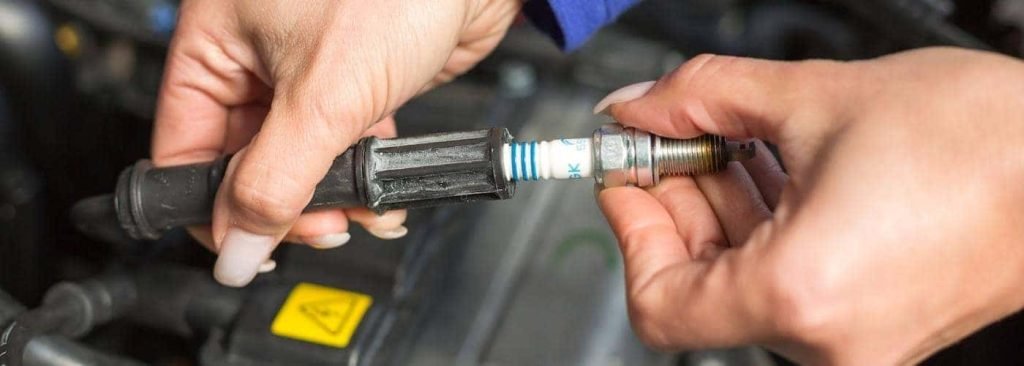
Do you ever wonder why your car seems to lose its pep over time? It might be time to give your spark plugs some attention.
These small but mighty components are essential for your vehicle’s performance. Knowing how often to change your car’s spark plugs can save you money and prevent potential headaches down the road. Imagine driving with smoother acceleration, better fuel efficiency, and fewer unexpected stalls.
All these benefits are within reach when you maintain your spark plugs properly. In this guide, we’ll explore exactly when you should replace them to keep your car running like a dream. Ready to unlock the full potential of your vehicle? Let’s dive in!
Signs Of Worn Spark Plugs
Worn spark plugs affect your car’s performance in clear ways. Recognizing these signs helps avoid bigger problems. Watch for changes in how your engine runs, fuel use, and starting ability.
Engine Misfires And Rough Idling
A worn spark plug can cause the engine to misfire. Misfires feel like sudden jolts or pauses during driving. The engine may also idle roughly, shaking or running unevenly. This happens because the spark plugs fail to ignite fuel properly.
Reduced Fuel Efficiency
Bad spark plugs burn fuel less efficiently. Your car uses more gas to run the same distance. Expect to fill the tank more often. Poor fuel combustion also leads to more emissions, harming the environment.
Difficulty Starting The Engine
Old or damaged spark plugs make starting the engine hard. You may hear more attempts before the engine turns over. Cold mornings can worsen this problem. Fresh spark plugs help the engine start quickly and smoothly.
Recommended Replacement Intervals
Knowing how often to change your car’s spark plugs can save you from unexpected breakdowns and costly repairs. The recommended replacement intervals vary widely based on several factors. Understanding these intervals helps you maintain your engine’s performance and fuel efficiency effectively.
Manufacturer Guidelines
Always check your vehicle’s owner manual for the manufacturer’s recommended spark plug replacement interval. Most car makers suggest changing spark plugs every 30,000 to 100,000 miles, depending on the engine type. Ignoring these guidelines can lead to reduced engine power and higher fuel consumption.
For example, some manufacturers recommend iridium spark plugs to last up to 100,000 miles, while older copper plugs may need replacement much sooner. Have you ever wondered why your car’s manual gives a range instead of a fixed number? It’s because different driving habits and conditions affect plug life.
Impact Of Driving Conditions
Your daily driving style influences how quickly spark plugs wear out. Frequent short trips, stop-and-go traffic, or driving in dusty or extreme weather conditions can cause spark plugs to degrade faster. On the other hand, steady highway driving puts less stress on the plugs.
Think about your routine: Do you mostly drive in the city or on highways? City driving often means more frequent spark plug checks and replacements. Neglecting this can cause misfires, rough idling, or difficulty starting your engine.
Differences Between Spark Plug Types
Spark plugs come in various types, including copper, platinum, and iridium, each with different lifespans and performance levels. Copper plugs are budget-friendly but typically last around 20,000 to 30,000 miles. Platinum plugs perform better and can last up to 60,000 miles.
Iridium plugs are the most durable, often lasting 100,000 miles or more. Choosing the right spark plug type for your car affects how often you need to replace them. Have you checked what kind of spark plugs your vehicle uses? Upgrading to a longer-lasting type might be worth considering if you want fewer replacements.
Factors Affecting Spark Plug Life
Spark plugs do not wear out at the same rate for every vehicle. Several factors influence how long spark plugs last. Understanding these factors helps you know when to replace them.
Driving conditions affect spark plug life significantly. Harsh environments or heavy use can shorten their lifespan. Knowing these details keeps your car running smoothly.
Driving Habits
Frequent short trips cause spark plugs to wear faster. The engine doesn’t fully warm up, leading to deposits on plugs. Aggressive driving also stresses spark plugs with higher engine loads. Gentle driving helps spark plugs last longer.
Engine Type And Performance
High-performance engines use spark plugs that wear quicker. Turbocharged or supercharged engines generate more heat, affecting plug life. Older engines may foul plugs due to inefficient combustion. Modern engines often have longer-lasting spark plugs.
Fuel Quality
Low-quality fuel can create deposits on spark plugs. Impurities in fuel cause misfires and reduce plug efficiency. Using cleaner fuel helps maintain spark plug condition. Regular fuel system cleaning also supports longer spark plug life.
Choosing The Right Spark Plugs
Choosing the right spark plugs can make a noticeable difference in your car’s performance and fuel efficiency. It’s not just about picking any plug; the material, heat range, and compatibility with your vehicle matter a lot. Getting these factors right helps you avoid premature wear and engine issues, saving you time and money in the long run.
Material Options
Spark plugs come in different materials, each with its own benefits and lifespan. Copper plugs offer great conductivity but wear out faster, usually lasting around 20,000 to 30,000 miles.
Platinum plugs last longer, up to 60,000 miles, and resist corrosion better. If you want even more durability, iridium plugs are the top choice, often lasting over 100,000 miles and providing excellent performance.
Think about your driving habits and budget when choosing. Are you okay with replacing plugs more often but saving upfront? Or would you prefer spending a bit more now for a longer-lasting option?
Heat Range Considerations
Heat range refers to how quickly a spark plug can transfer heat from the tip to the engine head. Choosing the wrong heat range can cause your engine to run too hot or too cold, affecting efficiency and causing damage.
If you drive mainly in the city with lots of stops, a colder plug helps prevent overheating. On the other hand, if you do a lot of highway driving or tow heavy loads, a hotter plug might be necessary to avoid fouling.
Have you noticed rough idling or reduced fuel economy? It might be time to check if your spark plugs’ heat range matches your driving conditions.
Compatibility With Your Vehicle
Your car’s make, model, and engine type dictate which spark plugs will work best. Using a plug that doesn’t fit properly can lead to misfires or damage to the cylinder head.
Always check your owner’s manual or consult a trusted mechanic to find the recommended spark plug specifications. Even if a plug looks similar, subtle differences in size, thread pitch, or electrode design can impact performance.
Have you ever tried installing a plug that didn’t feel quite right? That experience alone highlights why compatibility matters more than you might think.
Diy Spark Plug Inspection
Checking your car’s spark plugs yourself can save you time and money. It also helps you catch small problems before they turn into big repairs. With some basic tools and a bit of attention, you can easily inspect your spark plugs and decide if they need replacing.
Tools Needed
Before you start, gather these simple tools:
- Spark plug socket:A special socket that fits around the spark plug for easy removal.
- Ratchet wrench:To turn the socket and loosen or tighten the plugs.
- Gap gauge:A small tool to measure the spark plug gap accurately.
- Feeler gauge or wire gauge:To check the distance between electrodes.
- Dielectric grease:Optional, helps protect the spark plug from corrosion.
Having these ready makes the inspection smooth and efficient.
Visual Signs Of Wear
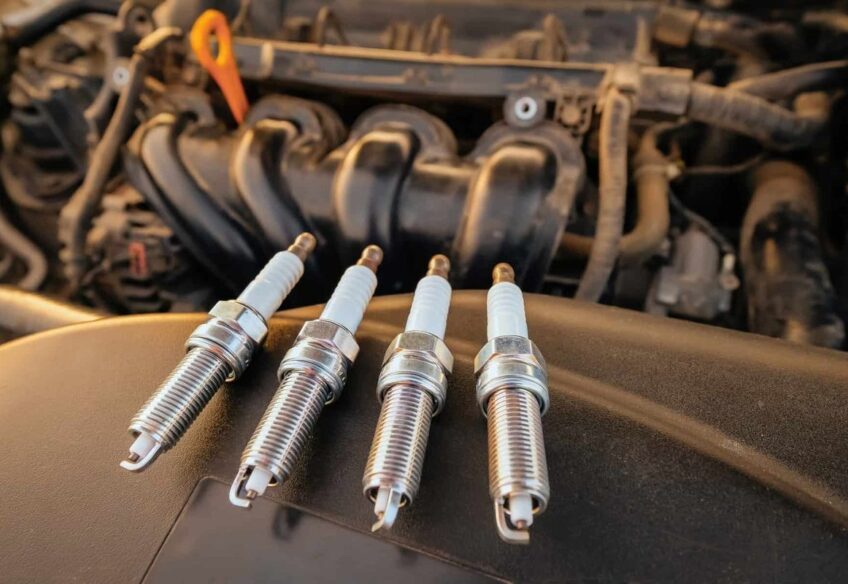
When you remove a spark plug, look closely at its condition. A healthy spark plug usually has a light tan or grayish color on the electrode.
Watch out for these warning signs:
- Black, sooty deposits:May indicate a rich fuel mixture or oil leakage.
- White, blistered areas:Could mean the engine is running too hot.
- Cracked or chipped insulator:Damaged plugs can cause misfires.
- Excessive wear on the electrode:The tip may be rounded or eroded.
Have you ever noticed unusual spark plug wear but ignored it? That’s often the start of engine trouble.
Measuring Spark Plug Gap
The gap between the electrodes affects how well your engine runs. If the gap is too wide or too narrow, your car might misfire or lose power.
Use the gap gauge to measure the distance carefully. Compare it with the manufacturer’s recommended gap, which you can find in your car’s manual or online.
If the gap is off, gently adjust it by bending the ground electrode. Be careful not to damage the plug. This small tweak can improve your car’s performance significantly.

Credit: carfromjapan.com
Benefits Of Timely Spark Plug Replacement
Replacing spark plugs on time keeps your car running smooth and strong. It helps avoid engine problems and keeps fuel use low. Clean, working spark plugs make sure your engine fires correctly every time. This saves money on repairs and fuel in the long run. Here are some key benefits of timely spark plug replacement.
Enhanced Engine Performance
Fresh spark plugs create a strong spark to ignite the fuel-air mix. This leads to better engine starts and smoother running. Your car accelerates faster and runs more reliably. Worn spark plugs cause misfires and rough idling. New plugs restore engine power and responsiveness.
Improved Fuel Economy
Good spark plugs burn fuel efficiently. This lowers fuel consumption and saves money at the pump. Old plugs waste fuel by causing incomplete combustion. Changing them on schedule keeps your engine burning fuel cleanly. This reduces how often you need to fill the tank.
Lower Emissions
Clean spark plugs help the engine burn fuel fully. This reduces harmful exhaust gases released into the air. Worn plugs increase pollution with unburned fuel and other gases. Timely replacement supports cleaner emissions and a healthier environment.
When To Seek Professional Help
Knowing when to seek professional help for changing your car’s spark plugs can save you from costly mistakes and ensure your engine runs smoothly. Sometimes, the task might seem straightforward, but there are situations where a mechanic’s expertise is invaluable. Let’s look at when it’s best to hand over the job to a pro.
Complex Engine Systems
Modern cars often have intricate engine designs that require special tools and knowledge. If your vehicle has a turbocharged engine or direct injection, changing spark plugs isn’t as simple as it sounds. You might risk damaging sensitive components or incorrectly installing plugs, leading to poor engine performance or even engine damage.
Ask yourself: Are you confident identifying the right spark plug gap or torque settings? If not, a professional mechanic can handle these complexities safely and efficiently.
Avoiding Common Mistakes
Many drivers try to change spark plugs themselves but accidentally make errors like cross-threading the plugs or failing to reconnect wires properly. These mistakes can cause engine misfires or increased fuel consumption, which are frustrating and costly to fix.
Think about whether you have the patience and steady hands to work in tight engine spaces. If you hesitate, it’s better to let a professional avoid these common pitfalls and give your car the care it deserves.
Service Cost Considerations
While DIY spark plug replacement might seem cheaper, unexpected problems can add to your costs. A professional service might include a full inspection, cleaning of related parts, and warranty on the work, providing peace of mind.
Consider the value of your time and the risk of causing damage. Sometimes, paying for expert service upfront can save you money and hassle down the road.
Credit: www.westsideauto.com.au

Credit: carfromjapan.com
Frequently Asked Questions
How Often Should I Change Car Spark Plugs?
Car spark plugs typically need changing every 30,000 to 100,000 miles. Check your vehicle’s manual for exact intervals. Regular replacement ensures optimal engine performance and fuel efficiency.
What Are Signs Of Worn-out Spark Plugs?
Common signs include engine misfires, poor fuel economy, rough idling, and difficulty starting. If you notice these, inspect or replace your spark plugs promptly to avoid engine damage.
Can Old Spark Plugs Damage My Engine?
Yes, worn spark plugs can cause misfires and poor combustion. This leads to engine strain and potential damage over time. Timely replacement helps maintain engine health.
Does Driving Style Affect Spark Plug Lifespan?
Aggressive driving can wear out spark plugs faster. Frequent high RPMs and stop-and-go traffic increase spark plug stress. Gentle driving helps prolong their lifespan.
Conclusion
Changing car spark plugs regularly keeps your engine running well. Old spark plugs can cause poor fuel use and rough rides. Check your car manual to know the right time to change them. Many cars need new plugs every 30,000 to 100,000 miles.
Clean and working spark plugs help start your car fast. Don’t wait for problems to show up. Keep an eye on your spark plugs to save money and avoid trouble. Simple care makes your car last longer and drive smoother.





