Have you ever experienced that sinking feeling when the check engine light suddenly illuminates on your dashboard? It’s like your car is trying to speak to you in a language you don’t quite understand.
Among the many potential culprits, you might be surprised to learn that your spark plugs could be the source of the problem. But how could such small components cause such a big issue? We will delve into the connection between spark plugs and the check engine light.
Understanding this relationship can empower you to take charge of your car’s health and potentially save you from costly repairs. Keep reading to uncover the secrets behind your car’s signals and learn how to keep your vehicle running smoothly.
Credit: www.youtube.com
How Spark Plugs Affect Engine Performance
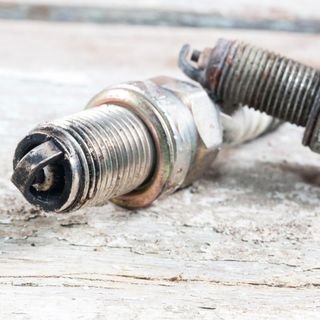
Spark plugs are small but mighty components that directly impact how your engine runs. They create the spark needed to ignite the air-fuel mixture in your engine cylinders. When spark plugs don’t function properly, you can notice a drop in engine performance, fuel efficiency, and even trigger the dreaded check engine light.
Role Of Spark Plugs In Combustion
Spark plugs deliver an electric spark that ignites the fuel-air mixture inside each cylinder. This controlled explosion generates the power needed to move your vehicle.
Without a strong and timely spark, combustion becomes incomplete or inconsistent. That leads to rough idling, misfires, and reduced engine power.
Think about the last time your car hesitated or felt sluggish—chances are, the spark plugs were struggling to do their job.
Signs Of Faulty Spark Plugs
- Engine Misfires:Your engine might skip or stumble during acceleration.
- Poor Fuel Economy:Faulty spark plugs cause incomplete combustion, wasting fuel.
- Hard Starts:It may take longer for your engine to start or require multiple attempts.
- Rough Idling:The engine may shake or vibrate more than usual when stopped.
- Check Engine Light:A failing spark plug often triggers this warning, signaling a problem.
Have you ever ignored a flickering check engine light only to face worse issues later? Paying attention to these signs can save you from costly repairs down the road.

Credit: www.reddit.com
Check Engine Light Triggers
The check engine light signals issues detected by your car’s computer. It can turn on for many reasons. Sometimes the problem is simple, other times it needs expert help. Understanding what triggers this light helps you act quickly. It also prevents bigger car troubles.
Common Causes Beyond Spark Plugs
The check engine light often points to issues not related to spark plugs. Problems with the oxygen sensor, catalytic converter, or mass airflow sensor can trigger it. Faulty gas caps and exhaust leaks also cause the light to come on. Electrical faults and loose wires might set off alerts too. These parts affect engine performance and emissions. Ignoring these signals can lead to costly repairs.
When Spark Plugs Activate The Light
Spark plugs play a key role in engine firing. Worn or damaged spark plugs can cause misfires. This misfiring makes the engine run poorly and triggers the check engine light. If spark plugs are dirty or old, the engine may hesitate or stall. Replacing spark plugs often fixes this issue. Regular maintenance keeps spark plugs in good condition. Watch for rough idling, poor fuel economy, or hard starts as warning signs.
Diagnosing Spark Plug Issues
Diagnosing spark plug issues is key to understanding why the check engine light turns on. Spark plugs play a vital role in engine performance. Faulty plugs can cause misfires, rough idling, and poor fuel economy.
Detecting spark plug problems early prevents bigger engine troubles. Simple checks and tools reveal if spark plugs need replacement or cleaning. Below are two effective ways to diagnose spark plug issues.
Using An Obd-ii Scanner
An OBD-II scanner reads error codes from the vehicle’s computer. It shows if spark plugs cause engine problems. Codes like P0300 indicate random misfires, often linked to bad plugs.
- Plug the scanner into your car’s OBD-II port.
- Turn on the ignition without starting the engine.
- Follow the scanner’s instructions to retrieve codes.
- Look up codes related to ignition or misfires.
- Clear codes and test drive to confirm the issue.
This tool helps pinpoint spark plug faults quickly. It saves time and guides proper repairs.
Visual Inspection Tips
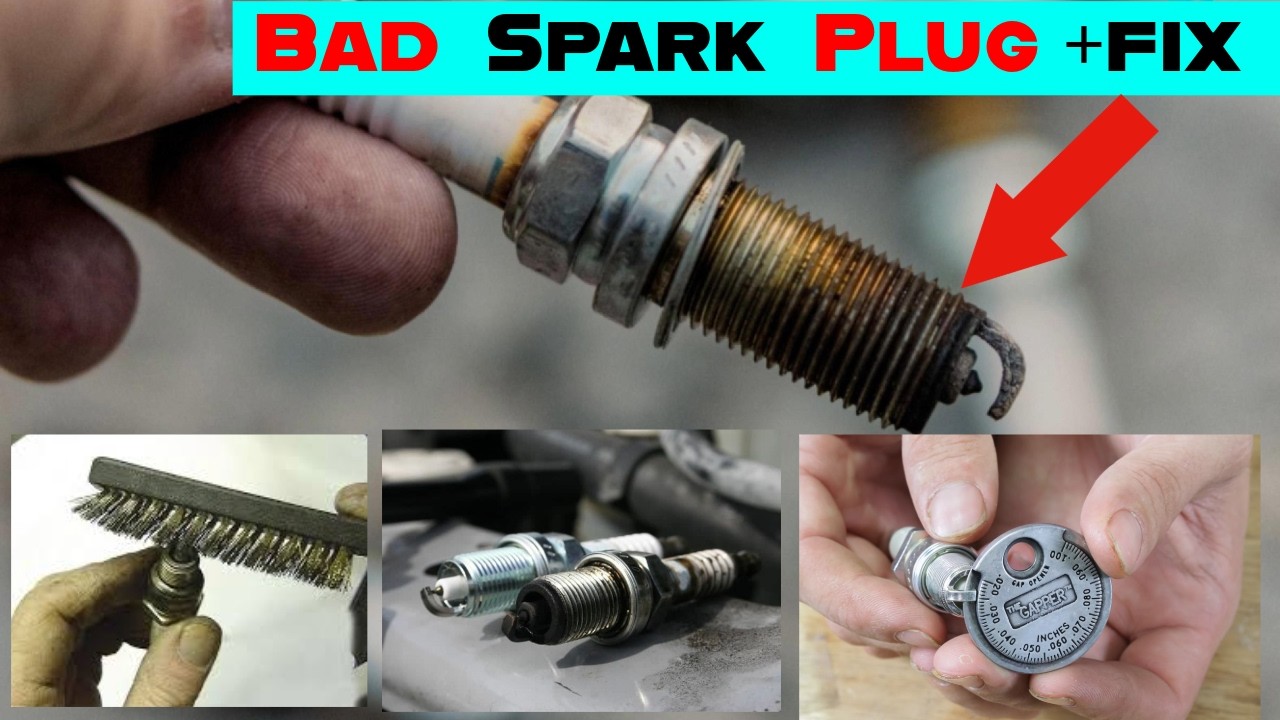
Visual checks reveal worn or damaged spark plugs. Remove each plug using a spark plug socket wrench. Examine the plug’s tip and insulator carefully.
- Look for black, oily, or sooty deposits.
- Check for cracked or broken insulator parts.
- Inspect electrode wear or erosion.
- Note any signs of overheating or melting.
- Compare plugs side-by-side for consistency.
Clean plugs can be reused, but damaged ones must be replaced. Visual inspection prevents running an engine with faulty plugs.
Replacing Spark Plugs
Replacing spark plugs can fix many engine problems and improve car performance. Old or faulty spark plugs often cause the check engine light to come on. Changing them regularly keeps the engine running smoothly and can prevent costly repairs later.
Understanding how to replace spark plugs is useful for car maintenance. It saves money and helps spot issues early. This section explains how to choose the right spark plugs and how to replace them step-by-step.
Choosing The Right Spark Plugs
Select spark plugs that match your car’s make and model. Check the owner’s manual for the recommended type and gap size. Use high-quality plugs designed for your engine to ensure good performance and longevity.
Common types include copper, platinum, and iridium plugs. Copper plugs are cheaper but wear out faster. Platinum and iridium plugs last longer and provide better ignition. Choose based on your budget and driving needs.
Step-by-step Replacement Guide
- Let the engine cool down to avoid burns.
- Locate the spark plugs by following the spark plug wires or ignition coils.
- Remove the spark plug wire or coil carefully without damaging it.
- Use a spark plug socket and ratchet to unscrew the old plug.
- Check the new plug’s gap with a gauge and adjust if needed.
- Insert the new plug and tighten it gently to the correct torque.
- Reconnect the spark plug wire or ignition coil firmly.
- Repeat for all spark plugs in your engine.
- Start the engine to check for smooth running and no warning lights.
Preventing Future Problems
Preventing future problems with spark plugs is key to avoiding the check engine light. Proper care keeps the engine running smoothly and stops issues early. Small steps in maintenance can save time and money on repairs.
Maintenance Tips For Spark Plugs
- Check spark plugs every 30,000 miles or as your manual suggests.
- Clean spark plugs to remove dirt and buildup regularly.
- Replace old or worn spark plugs on time to maintain engine health.
- Use the correct spark plug type and gap size for your vehicle.
- Inspect spark plug wires and connections for damage or corrosion.
Regular Engine Check Practices
- Run a diagnostic scan if the check engine light appears.
- Listen for unusual engine noises or rough idling.
- Monitor fuel efficiency and engine performance changes.
- Keep an eye on exhaust smoke color and smell.
- Schedule routine engine inspections with a trusted mechanic.

Credit: www.piloteers.org
Frequently Asked Questions
Can Faulty Spark Plugs Trigger The Check Engine Light?
Yes, faulty spark plugs can cause the check engine light to turn on. They affect engine performance and emissions.
How Do Spark Plugs Affect Engine Performance?
Spark plugs ignite the air-fuel mixture. Worn plugs cause misfires, rough idling, and reduced fuel efficiency.
Can Bad Spark Plugs Cause Engine Misfires?
Yes, bad spark plugs often lead to engine misfires. This triggers the check engine light and poor driving experience.
How Often Should Spark Plugs Be Replaced?
Spark plugs should be replaced every 30,000 to 100,000 miles, depending on type and vehicle manufacturer recommendations.
Conclusion
Spark plugs can cause the check engine light to turn on. Worn or faulty plugs affect engine performance and trigger alerts. Regularly checking and replacing spark plugs helps avoid problems. A quick inspection saves time and money on repairs. Stay alert to any engine changes or warning signs.
Proper spark plug care keeps your car running smoothly. Don’t ignore the check engine light; it signals something needs attention. Simple maintenance goes a long way in car health.





