
Ever turned the key in your car and wondered what really makes it spring to life? The answer lies in a small but mighty component: the spark plug.
Understanding what a spark plug does might seem like a mechanic’s secret, but it’s simpler than you think. This little device plays a crucial role in your vehicle’s engine, sparking life into your daily drives. By the end of this article, you’ll not only know what a spark plug does, but you’ll also gain insights into why it’s vital for your car’s performance.
Ready to uncover the secrets under your car’s hood? Let’s dive in!
Role In Engine Ignition
The spark plug plays a crucial role in your engine’s ignition system. Without it, the engine wouldn’t start or run efficiently. Understanding how it works can help you maintain your vehicle better and even spot potential issues early.
Igniting The Air-fuel Mixture
Inside your engine’s combustion chamber, a precise mix of air and fuel needs to ignite for the engine to produce power. The spark plug is responsible for creating the initial spark that sets this mixture on fire. This ignition causes a controlled explosion, pushing the piston down and generating the energy needed to move your vehicle.
Creating The Spark
The spark plug generates a high-voltage electrical spark between its electrodes. This spark jumps across a small gap, igniting the air-fuel mixture at exactly the right moment. The quality of this spark affects how smoothly your engine runs and how much power it produces.
Timing Of The Spark
Timing is everything when it comes to the spark plug’s job. The spark must occur at the precise moment to maximize engine efficiency and performance. If the spark happens too early or too late, you might notice engine knocking, reduced power, or increased fuel consumption.
Credit: www.youtube.com
Components Of A Spark Plug
The spark plug is a small but crucial part of an engine. It plays a key role in starting the engine by creating a spark. This spark ignites the air-fuel mixture inside the engine’s cylinders. Understanding its components helps explain how it works. Each part has a specific job that keeps the spark plug functioning well.
Electrodes And Insulator
The electrodes are the parts that create the spark. There are two electrodes: the center electrode and the ground electrode. The spark jumps between these two to ignite the fuel. The insulator surrounds the center electrode. It keeps the electricity from escaping and directs the spark to the right place.
Shell And Terminal
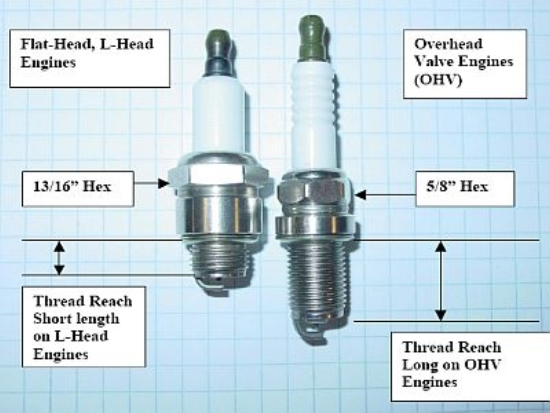
The shell is the metal body of the spark plug. It screws into the engine’s cylinder head. This part helps transfer heat away from the combustion chamber. The terminal is at the top of the spark plug. It connects to the ignition system, allowing electricity to flow into the spark plug.
Heat Range
The heat range shows how hot the spark plug gets during operation. A proper heat range helps prevent engine knocking. It also stops the spark plug from fouling or overheating. Choosing the right heat range is important for engine performance and spark plug life.
Types Of Spark Plugs
Spark plugs come in different types. Each type suits certain engines and driving needs. Choosing the right spark plug helps your engine run smoothly and efficiently.
Types vary mainly by the material used in the electrode. This affects durability, heat resistance, and performance. Here are the common spark plug types you should know.
Copper Spark Plugs
Copper spark plugs have a solid copper core. They offer good conductivity for strong sparks. These plugs heat up quickly, making them good for older engines.
Copper plugs wear out faster than other types. They need replacing more often. Still, they are affordable and reliable for many cars.
Platinum Spark Plugs
Platinum spark plugs have a platinum tip on the electrode. This material lasts longer than copper. It helps spark plugs resist wear and erosion.
Platinum plugs provide steady performance over time. They work well for modern engines with electronic ignition. They cost more than copper plugs but last longer.
Iridium Spark Plugs
Iridium spark plugs use a very hard, fine iridium tip. This makes them the most durable type. They produce consistent sparks and improve fuel efficiency.
Iridium plugs last the longest and resist fouling. They are ideal for high-performance and newer engines. The price is higher, but the lifespan is much longer.

Credit: www.chase.com
Signs Of A Faulty Spark Plug
Signs of a faulty spark plug often show in your car’s daily performance. These signs warn you early to avoid bigger engine problems. Knowing these symptoms helps you maintain your vehicle better.
Engine Misfires
Engine misfires happen when the spark plug fails to ignite the fuel properly. This causes rough running or sudden jerks while driving. You might hear unusual noises or feel vibrations from the engine.
Poor Fuel Economy
Bad spark plugs lead to incomplete fuel burning. This wastes gasoline and reduces mileage. You will notice more frequent stops at the gas station than usual.
Difficulty Starting
Worn spark plugs struggle to start the engine. The ignition process takes longer or fails completely. You may hear clicking sounds or nothing at all when turning the key.
Maintaining Spark Plugs
Maintaining spark plugs is key to keeping your engine running smoothly. Good care helps avoid misfires and poor fuel economy. Simple checks and small fixes can extend the life of each spark plug. Regular attention saves money and prevents bigger car problems.
Regular Inspection
Check spark plugs every 20,000 to 30,000 miles. Look for signs of wear, such as cracks or heavy deposits. Damaged plugs cause rough idling and hard starts. Use a flashlight and clean cloth to inspect each plug carefully. Early detection of issues prevents engine damage.
Cleaning And Replacement
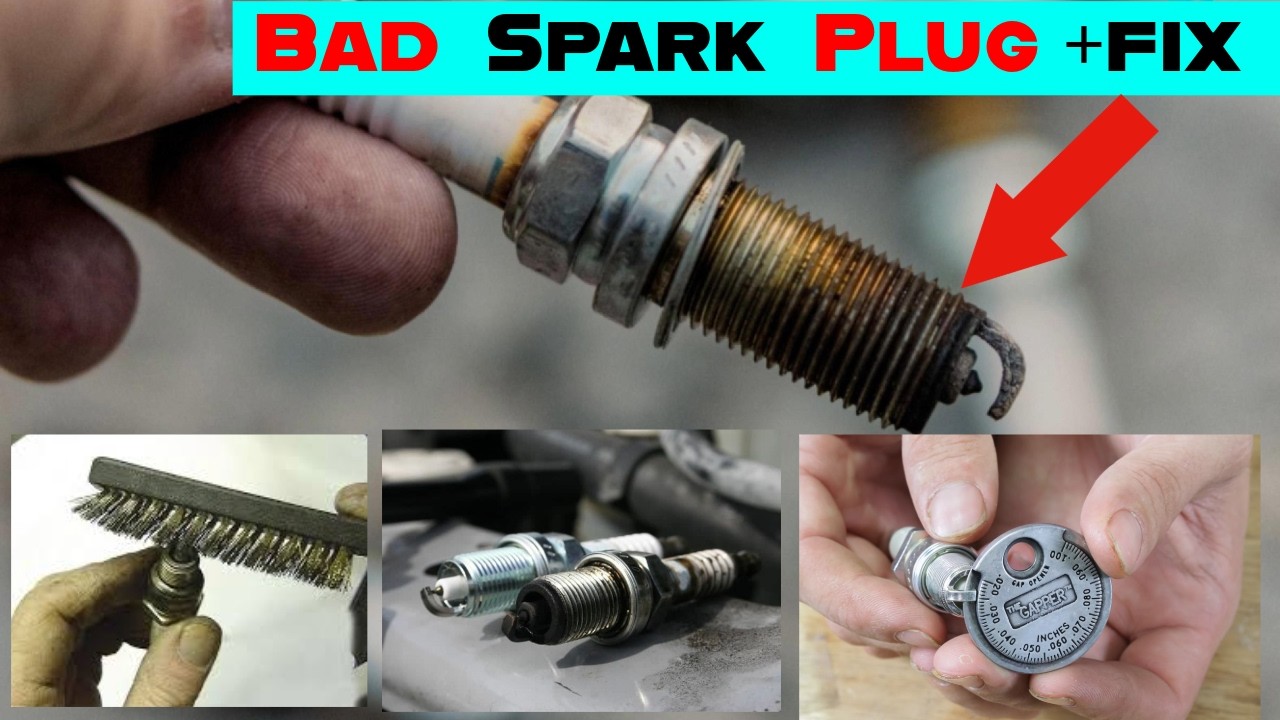
Remove dirt and carbon buildup with a wire brush or spark plug cleaner. Avoid harsh scraping that can damage the plug’s surface. Replace plugs that look burnt or worn out. Follow the vehicle manual for the right replacement interval. New plugs improve engine power and fuel efficiency.
Proper Gap Adjustment
The spark plug gap affects ignition performance. Use a gap tool to measure the distance between electrodes. Adjust the gap to match the manufacturer’s specifications. A gap too wide or narrow causes weak sparks and engine misfires. Correct gap ensures smooth and efficient combustion.
Credit: www.vanguardpower.com
Impact On Vehicle Performance
The spark plug plays a crucial role in a vehicle’s overall performance. It ignites the air-fuel mixture inside the engine cylinders. This ignition powers the engine and impacts how efficiently the vehicle runs. Small changes to the spark plug’s condition can lead to noticeable differences in driving experience.
Fuel Efficiency
A clean and well-functioning spark plug ensures complete fuel combustion. This means less fuel is wasted during engine operation. Efficient combustion helps the vehicle use fuel more effectively. As a result, the car consumes less fuel for the same distance.
Engine Power
The spark plug directly influences engine power output. Strong, consistent sparks create better explosions in the cylinders. These explosions push the pistons with more force. When spark plugs fail, engine performance drops and power decreases. Proper spark plugs help the engine run smoothly and deliver reliable power.
Emissions Control
Good spark plugs reduce harmful emissions from the exhaust. Proper combustion lowers the amount of unburned fuel released. This leads to cleaner exhaust gases and less pollution. Maintaining spark plugs supports emission control systems and helps pass vehicle inspections.
Frequently Asked Questions
What Is The Primary Function Of A Spark Plug?
A spark plug ignites the air-fuel mixture in the engine cylinder. It creates a spark that starts combustion, powering the engine efficiently.
How Does A Spark Plug Affect Engine Performance?
A clean spark plug ensures smooth ignition and optimal fuel burn. Faulty plugs cause misfires, poor fuel economy, and reduced engine power.
When Should Spark Plugs Be Replaced?
Replace spark plugs every 30,000 to 100,000 miles, depending on type. Regular inspection prevents engine issues and maintains fuel efficiency.
Can Faulty Spark Plugs Cause Engine Problems?
Yes, faulty spark plugs cause rough idling, misfires, and hard starts. They reduce engine efficiency and increase emissions, affecting overall vehicle performance.
Conclusion
A spark plug helps start your engine by creating sparks. It lights the fuel and air mix inside the engine. This small part plays a big role in making your car run smoothly. Without a good spark plug, your engine may struggle or waste fuel.
Regular checks and changes keep your vehicle healthy. Understanding this part helps you care for your car better. A working spark plug means better performance and fewer problems. Simple but important—never underestimate its job in your engine.





