Are you ready to unlock the secret to a smoother, more efficient ride? If you’re noticing your car isn’t performing as it should or fuel efficiency is dropping, the answer might be simpler than you think.
Understanding how to properly gap your spark plugs can transform your vehicle’s performance and save you money. You don’t need to be a mechanic to perform this essential maintenance task; all you need is a little guidance. This article will reveal the step-by-step process to gap your spark plugs like a pro.
Keep reading to discover how this small adjustment can make a big difference in your driving experience.

Credit: www.youtube.com
Spark Plug Gap Basics
The spark plug gap is a small but vital part of your engine’s ignition system. It affects how well the engine starts and runs. Understanding the basics helps maintain engine health and fuel efficiency. Let’s explore what the spark plug gap is and why its size matters.
What Is Spark Plug Gap
The spark plug gap is the space between the center and ground electrode. This gap allows the spark to jump across and ignite the air-fuel mixture. The size is measured in thousandths of an inch or millimeters. Each engine needs a specific gap size for proper ignition. Too wide or too narrow can cause problems.
Why Gap Size Matters
The right gap size ensures a strong spark for efficient combustion. A gap too small weakens the spark, causing poor engine performance. A gap too large may lead to misfires and harder starts. Proper gap size improves fuel efficiency and reduces emissions. Regular checks keep the engine running smoothly and avoid costly repairs.

Credit: www.amazon.ca
Tools Needed For Gapping
Adjusting the spark plug gap precisely can make a big difference in your engine’s performance. To get this right, you need the right tools. Having the proper equipment not only saves you time but also ensures your spark plugs fire efficiently and last longer.
Gap Gauge Types
Choosing the right gap gauge is key. There are several types you might come across:
- Feeler Gauge:Thin metal strips of various thicknesses. You slide them between the electrodes to measure the gap.
- Wire Gauge:Thin wires of known diameters. You insert the wire to check if the gap matches the wire’s thickness.
- Coin-Style Gauge:A flat tool with different thicknesses stamped on it. You use the edge corresponding to your needed gap.
- Plastic or Cardboard Gauge:Flexible and easy to use but less precise than metal options.
Personally, I prefer a wire gauge. It gives me a quick and accurate feel for the gap without risking damage to the spark plug electrodes. What type do you think would work best for your toolkit?
Additional Tools
Besides a gap gauge, a few other tools can come in handy:
- Spark Plug Gap Tool:A small tool designed to adjust the gap by gently bending the ground electrode.
- Pliers or a Small Flathead Screwdriver:Useful for fine-tuning the gap but be careful not to apply too much force.
- Torque Wrench:To tighten the spark plug to the correct specification without over-tightening.
- Cleaning Brush:To remove dirt or corrosion from the spark plug before gapping.
When I first started working on my car, I underestimated the importance of a torque wrench. Over-tightening a spark plug can damage the threads, leading to costly repairs. Do you have the right tools to avoid these pitfalls?
Finding The Right Gap
Finding the right spark plug gap is key for engine performance. The gap affects how the spark ignites the fuel. Too wide or too narrow can cause engine problems. Knowing the correct gap helps your engine run smoothly and efficiently.
Checking Manufacturer Specs
Start by checking the spark plug gap recommended by the manufacturer. This info is in the owner’s manual or on the vehicle’s service label. The specs give the exact gap size in millimeters or inches. Always follow these numbers for best results.
Different engines need different gaps. Using the right specs avoids misfires and poor fuel economy. If you don’t have the manual, search online for your engine model’s gap specs.
Adjusting For Engine Type
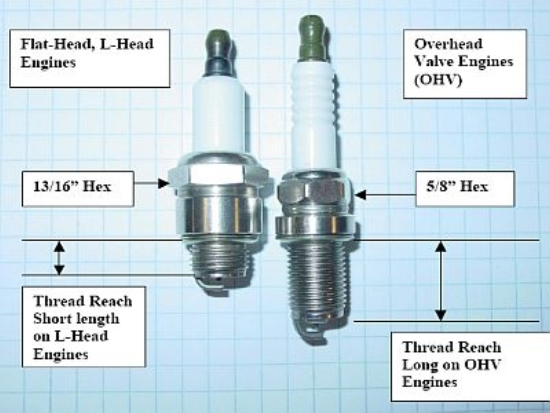
Engines vary in design and fuel system. This affects the ideal spark plug gap. For example, high-performance engines may need a smaller gap. Older engines might use a wider gap for stronger sparks.
Consider the engine’s fuel type and ignition system. Carbureted engines often use different gaps than fuel-injected ones. Adjust the gap carefully, using a gap tool, to fit your engine type. Proper adjustment improves ignition and engine life.
Credit: www.vanguardpower.com
Step-by-step Gapping Process
The spark plug gap is the distance between the center and ground electrodes. Setting this gap correctly is vital for good engine performance. A proper gap ensures the spark ignites the fuel-air mix efficiently. Follow these simple steps to measure and adjust the gap with confidence.
Measuring The Gap
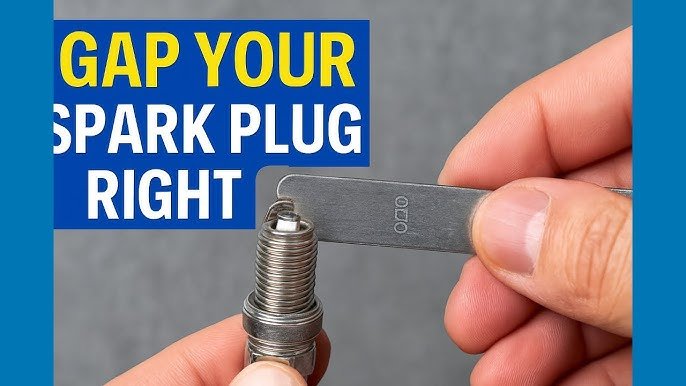
Use a spark plug gap tool or feeler gauge for accurate measurement. Insert the gauge between the electrodes gently. The tool should slide through with slight resistance. If it fits too loosely or not at all, the gap needs adjustment. Check the vehicle or spark plug manual for the correct gap size.
Adjusting The Gap Safely
Handle the spark plug carefully to avoid damage. Bend the ground electrode slowly using the gap tool or a small flat tool. Do not apply pressure on the center electrode. Adjust the gap little by little, checking frequently. Avoid scratching or damaging the electrodes during this process.
Double Checking Accuracy
Measure the gap again after adjustment. Confirm the tool fits with slight resistance. Repeat the adjustment if the gap is still off. A precise gap helps prevent engine misfires and poor fuel economy. Always double-check to ensure the best results before installing the spark plug.
Common Gapping Mistakes
Getting the spark plug gap right is crucial for your engine’s performance. However, many people make common mistakes that can hurt your engine instead of helping it. Understanding these errors can save you time, money, and frustration.
Over-gapping Issues
Setting the gap too wide causes the spark to have to jump a bigger distance. This can lead to weak or inconsistent sparks that misfire or don’t ignite the fuel properly.
If your engine struggles to start or runs roughly, an over-gapped spark plug might be the culprit. I once adjusted my gap slightly wider, thinking it would boost power, but it made the engine sputter instead.
Too large a gap also increases wear on your ignition system. The coil and wires have to work harder, which can lead to premature failure. Always check your vehicle’s manual for the recommended gap size before adjusting.
Under-gapping Risks
On the flip side, a gap that’s too narrow can produce a weak spark. This often results in incomplete combustion and reduced engine efficiency.
I saw this firsthand when a friend’s motorcycle was running poorly due to a spark plug gap that was too small. Once we adjusted it to the correct size, the bike’s performance improved dramatically.
Under-gapping also causes carbon buildup on the electrodes. This fouling shortens the plug’s lifespan and can increase emissions. Don’t guess the gap—use a feeler gauge to get it right every time.
Impact On Engine Performance
The spark plug gap plays a crucial role in how an engine performs. This small space between the electrodes affects ignition quality. A correct gap ensures the spark ignites the fuel-air mixture efficiently. Too wide or too narrow a gap can cause problems. These problems show up in fuel use, engine power, smoothness, and emissions.
Fuel Efficiency Effects
The right spark plug gap helps fuel burn completely. This reduces wasted fuel and improves miles per gallon. A gap that is too large may cause weak sparks. Weak sparks lead to incomplete combustion. This wastes fuel and lowers efficiency. A gap that is too small may not ignite the fuel properly. This also causes poor fuel economy.
Power And Smoothness
Proper spark plug gaps deliver consistent sparks. This keeps the engine running smoothly. A correct gap provides steady power during acceleration. If the gap is wrong, the engine may misfire. Misfires cause rough idling and jerky rides. Power loss happens when the spark cannot jump across the gap well. Smooth driving depends on the right spark plug gap.
Emission Considerations
Efficient combustion reduces harmful exhaust gases. A correct spark plug gap lowers carbon monoxide and hydrocarbons. Poor spark plug gaps cause incomplete burning of fuel. This increases pollution and can fail emissions tests. Keeping the gap in the recommended range helps protect the environment. It also keeps your vehicle compliant with emission laws.
When To Replace Spark Plugs
Knowing when to replace spark plugs helps keep your engine running smoothly. Worn spark plugs cause poor fuel efficiency and rough idling. Changing them at the right time avoids costly repairs and improves car performance. Regular checks ensure spark plugs work well with the correct gap setting. Here is how to tell if replacement is needed.
Signs Of Wear
- Engine misfires or runs unevenly
- Difficulty starting the engine
- Decreased fuel economy
- Rough idling or engine hesitation
- Visible damage or heavy deposits on spark plugs
- Engine warning light turns on
Routine Maintenance Tips
- Check spark plugs every 30,000 miles or as per manual
- Inspect gap and adjust using a spark plug gap tool
- Clean spark plugs if deposits are light and removable
- Replace spark plugs showing cracks, heavy wear, or corrosion
- Use the correct spark plug type recommended for your vehicle
- Keep spark plug wires and connectors clean and secure
Frequently Asked Questions
What Is The Ideal Spark Plug Gap Size?
The ideal spark plug gap varies by vehicle make and model. Refer to your owner’s manual for exact specifications. Proper gap ensures efficient combustion and engine performance.
How Do I Measure Spark Plug Gap Correctly?
Use a spark plug gap tool or feeler gauge to measure the gap. Insert the tool between electrodes and adjust carefully for accuracy.
Why Is Spark Plug Gap Adjustment Important?
Correct spark plug gap improves fuel efficiency, engine power, and reduces emissions. Incorrect gaps can cause misfires and poor engine performance.
How Often Should I Check Spark Plug Gap?
Check the spark plug gap during every spark plug replacement or tune-up. Regular checks prevent engine issues and maintain optimal performance.
Conclusion
Proper spark plug gap helps your engine run smoothly and saves fuel. Check the gap regularly to keep your car in good shape. Use a gap tool to measure and adjust the space carefully. Too big or too small can cause problems.
Taking time to set the right gap improves performance and reduces engine wear. Simple steps like these keep your vehicle reliable and efficient. Remember, small details make a big difference in car care. Keep your spark plugs in good condition for better driving every day.





