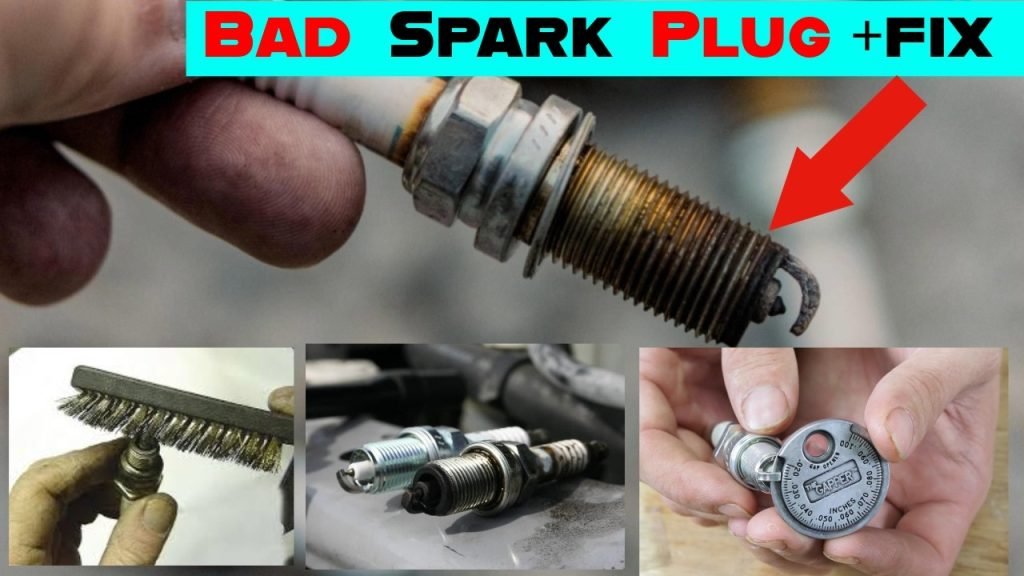
Are you noticing your car’s engine misfiring or struggling to start? It might be time to check your spark plugs.
These small but mighty components are crucial for your vehicle’s performance, yet they often go unnoticed until something goes wrong. You might be wondering, how can you tell if a spark plug is bad? Understanding the signs of a failing spark plug can save you from unexpected breakdowns and costly repairs.
In this guide, you’ll discover the key indicators of a bad spark plug and learn how to diagnose issues before they turn into major problems. Stay tuned, because getting this right could mean the difference between smooth sailing and being stranded on the side of the road.
Common Spark Plug Symptoms
Common spark plug symptoms often signal trouble under the hood. These signs can affect your car’s performance and fuel efficiency. Recognizing these symptoms early can help you maintain your vehicle better.
Engine Misfires
Engine misfires happen when the spark plug fails to ignite the fuel properly. This causes the engine to run unevenly or jerk. You might notice a sudden drop in power or strange noises. Misfires can lead to more serious engine damage over time.
Poor Fuel Economy
Bad spark plugs cause incomplete fuel burning. Your car uses more fuel to produce the same power. This lowers your miles per gallon. Poor fuel economy means you spend more money on gas and pollute more.
Difficulty Starting Engine
Worn spark plugs make starting your engine harder. The spark needed to ignite the fuel is weak or inconsistent. You may hear prolonged cranking or no start at all. This can leave you stranded in cold or wet weather.
Rough Idling
Rough idling feels like the engine is shaking or stalling when the car is stopped. Bad spark plugs cause uneven firing in the cylinders. This leads to vibration and noise inside the cabin. Rough idling reduces driving comfort and signals maintenance needs.

Credit: www.youtube.com
Visual Inspection Tips
Visual inspection is one of the quickest and most effective ways to identify if your spark plug is failing. By simply looking closely, you can spot signs that indicate whether it needs replacement or cleaning. This hands-on check saves you time and helps avoid unnecessary expenses.
Check For Carbon Deposits
Look carefully at the spark plug’s tip for any black, sooty buildup. Carbon deposits often appear dry and powdery and can block the spark, causing misfires. If you see heavy carbon layers, it might mean your engine is running too rich or the air filter is clogged.
Look For Worn Electrodes
The electrodes on your spark plug should have sharp, defined edges. Over time, these edges wear down and become rounded or eroded. This wear reduces spark efficiency and can lead to poor engine performance, so replace the plug if the electrodes look dull or uneven.
Detect Oil Fouling
Oil fouling shows up as a wet, oily coating on the spark plug’s insulator and electrodes. This often signals oil leaking into the combustion chamber, which can cause misfires and rough idling. Spotting this early can save you from more serious engine problems down the road.
Examine For Cracks Or Damage
Cracks in the ceramic insulator or any physical damage to the spark plug body are clear signs of trouble. Such damage can cause misfires or even engine failure if left unchecked. Take a moment to inspect carefully—sometimes a tiny crack is easy to miss but critical to fix.
Testing Spark Plug Performance
Testing the performance of your spark plug is crucial for maintaining your engine’s efficiency. A spark plug that’s not working correctly can lead to poor fuel economy, rough idling, or even engine misfires. By checking its performance, you can identify issues early and save yourself from costly repairs down the road.
Use A Spark Tester
A spark tester is a simple tool that lets you see if your spark plug is firing properly. You attach the tester between the spark plug and the ignition wire, then crank the engine. If you see a strong, blue spark inside the tester, your spark plug is likely working well.
A weak or no spark indicates a problem. I once used a spark tester and discovered a faulty plug causing my car to stall randomly. This quick test saved me hours of unnecessary troubleshooting.
Measure Electrode Gap
The gap between the spark plug’s electrodes must be just right. Too wide or too narrow, and the spark won’t ignite the fuel-air mixture efficiently. You can measure the gap using a feeler gauge, which is inexpensive and easy to use.
Check your vehicle’s manual for the exact gap size. Adjust it carefully by bending the ground electrode if needed. Neglecting this step can cause misfires and reduced engine power.
Check Resistance With Multimeter
Using a multimeter, you can check the internal resistance of the spark plug. Set the multimeter to the ohms setting and touch the probes to the terminal and the center electrode. A very high or infinite reading suggests the plug is damaged internally.
This test reveals problems not visible to the eye, such as broken insulators or corrosion. I once found a spark plug with normal appearance but a faulty resistance reading, which explained why my engine ran rough despite no visible damage.

Credit: www.toyotanation.com
Impact Of Bad Spark Plugs On Engine
Bad spark plugs affect the engine’s overall performance and health. They cause several issues that reduce driving comfort and increase repair costs. Understanding these impacts helps in early detection and timely replacement of spark plugs.
Reduced Power Output
Bad spark plugs cause weak or irregular sparks. This leads to poor combustion inside the engine cylinders. Engines struggle to generate full power, making acceleration slow and uneven. The vehicle may feel sluggish and less responsive.
Increased Emissions
Incomplete combustion due to faulty spark plugs raises harmful emissions. Unburned fuel exits the engine, polluting the environment. This can cause the car to fail emissions tests. It also affects fuel efficiency, leading to higher fuel costs.
Engine Knocking Risks
Worn spark plugs can cause engine knocking or pinging sounds. These noises result from improper fuel burning timing. Engine knocking damages internal parts over time. It reduces engine life and can lead to costly repairs.
When To Replace Spark Plugs
Knowing when to replace spark plugs helps keep your engine running smoothly. Spark plugs wear out over time and can cause problems. Replacing them at the right time avoids engine misfires and poor fuel economy.
Some spark plugs last longer than others. The replacement timing depends on the type of spark plug and vehicle use. Watching for signs of wear also helps decide when to change them.
Manufacturer’s Recommended Interval
Car makers suggest specific intervals to change spark plugs. These intervals appear in the owner’s manual. Commonly, spark plugs need replacement every 30,000 to 100,000 miles.
Follow the manual’s advice for the best engine performance. Using the recommended interval prevents damage to other engine parts. It also maintains fuel efficiency and reduces emissions.
Signs Justifying Early Replacement
Sometimes spark plugs need changing before the recommended time. Watch for these signs:
- Engine misfires or rough idling
- Hard starts or slow acceleration
- Decreased fuel efficiency
- Unusual engine noises
- Check engine light turns on
Early replacement fixes these problems quickly. It helps avoid costly repairs later. Checking spark plugs regularly supports better engine health.

Credit: www.reddit.com
Preventive Maintenance Tips
Preventive maintenance helps keep spark plugs in good condition. It improves engine performance and fuel efficiency. Regular care avoids unexpected breakdowns and costly repairs. Simple steps can extend the life of your spark plugs and keep your vehicle running smoothly.
Regular Cleaning
Cleaning spark plugs removes dirt and carbon buildup. Use a wire brush or spark plug cleaner for best results. Avoid harsh chemicals that can damage the plug. Clean plugs spark better and last longer. Check them every 10,000 miles or as recommended by the car manual.
Proper Installation
Install spark plugs with the correct torque to avoid damage. Too tight can crack the plug, too loose causes poor contact. Use a torque wrench for accuracy. Make sure the gap between electrodes matches the car’s specifications. Proper installation ensures good spark and engine performance.
Using Quality Spark Plugs
Choose spark plugs made by trusted brands. Quality plugs resist wear and heat better. They provide consistent sparks for smooth engine running. Avoid cheap, low-quality plugs that wear out fast. Investing in good spark plugs saves money and prevents engine problems.
Frequently Asked Questions
How Do I Know If My Spark Plug Is Bad?
A bad spark plug causes engine misfires, rough idling, and poor fuel economy. Check for black soot, cracks, or worn electrodes. If your engine struggles to start, the spark plug may need replacement.
What Are Common Signs Of Spark Plug Failure?
Common signs include engine misfires, decreased acceleration, poor fuel efficiency, and rough idling. You might also hear unusual engine noises. These signs indicate your spark plugs may be dirty or damaged.
Can A Bad Spark Plug Cause Engine Misfires?
Yes, a bad spark plug can cause engine misfires. It fails to ignite the fuel-air mixture properly. Misfires lead to rough running, power loss, and increased emissions.
How Often Should Spark Plugs Be Replaced?
Spark plugs should be replaced every 30,000 to 100,000 miles, depending on your vehicle and plug type. Consult your owner’s manual for exact intervals to maintain engine performance.
Conclusion
Bad spark plugs can cause many engine problems. Watch for rough idling, poor fuel economy, or hard starts. Check the plug’s color and shape to spot damage. Clean or replace plugs to keep your car running well. Regular checks help avoid costly repairs later.
Stay aware of these signs for smoother rides. Taking care of spark plugs saves time and money. Simple steps make a big difference in engine health.





