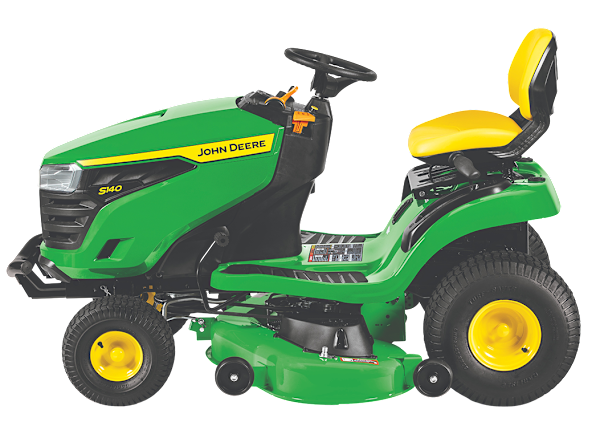
Have you ever wondered who keeps those powerful riding lawn mowers running smoothly? When your lush green yard requires some TLC, it’s not just the mower that gets to work.
There’s an entire group of skilled professionals who make sure your machine is in top shape. These are the people who diagnose problems, perform routine maintenance, and ensure your mower is ready for action whenever you need it. Understanding who works on these machines can save you time, money, and a lot of frustration.
Stick around, and you’ll discover the experts behind the scenes and how they can make your life easier.
Types Of Technicians
Understanding who works on riding lawn mowers starts with recognizing the different types of technicians involved. Each type brings unique skills and expertise, ensuring your mower runs smoothly and lasts longer. Knowing who to call can save you time, money, and frustration when your equipment needs attention.
Certified Lawn Mower Mechanics
Certified lawn mower mechanics have specialized training focused solely on lawn mower repair and maintenance. They often complete courses that cover engine systems, electrical components, and safety protocols. Their certification proves they meet industry standards, giving you confidence in their ability to fix complex issues.
If you want precision and reliability, these mechanics are a smart choice. They use the latest diagnostic tools and follow manufacturer guidelines closely. Have you ever noticed how a well-maintained mower performs effortlessly? Certified mechanics make that possible.
General Small Engine Repair Specialists
General small engine repair specialists handle a variety of equipment beyond just riding mowers. They work on chainsaws, generators, and other gas-powered tools. This broad experience allows them to troubleshoot problems that span multiple engine types.
While they might not have mower-specific certifications, their hands-on knowledge is valuable. If your mower has an unusual problem or you own several types of equipment, these specialists can be very helpful. Would you prefer someone who understands engines from different angles?
Dealer Service Professionals
Dealer service professionals work directly for mower brands or dealerships. They have access to genuine parts and specialized training from manufacturers. This insider knowledge often leads to faster repairs and warranties that protect your investment.
They also stay updated on the newest mower models and software updates. If you bought your mower from a dealer, their service team is usually the best place to start. Do you want your warranty intact and repairs done with official parts?
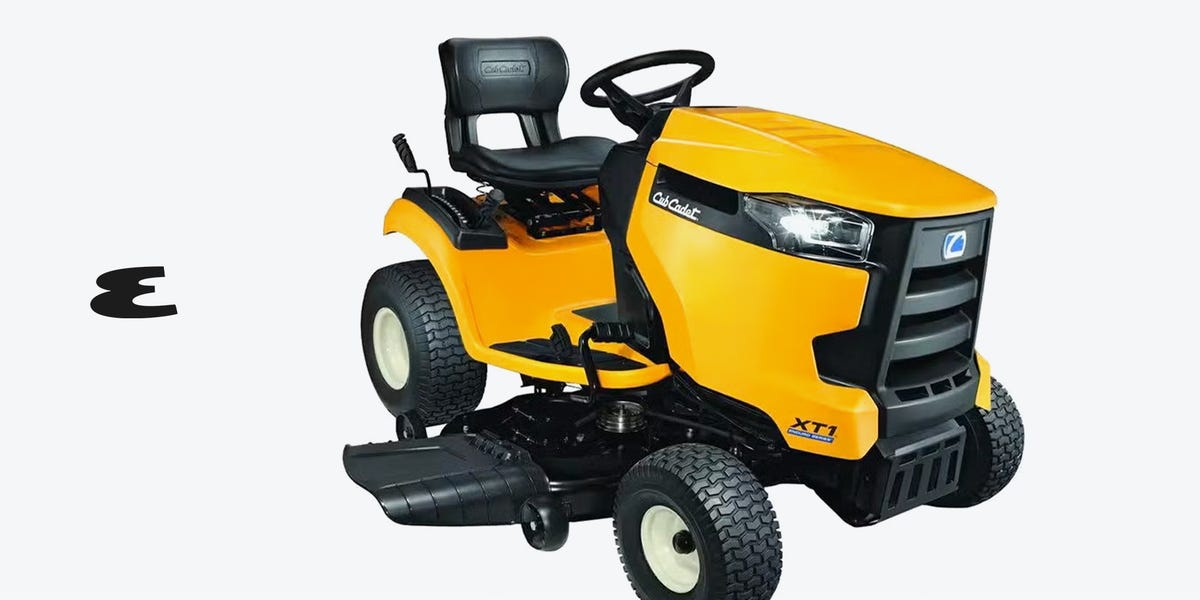
Credit: www.esquire.com
Skills Required
Working on riding lawn mowers demands a specific set of skills that go beyond basic maintenance. Understanding these skills can help you decide if this is the right path for you or how to improve your current abilities. Each skill contributes to diagnosing problems quickly and fixing them efficiently, saving time and money.
Mechanical Aptitude
Mechanical aptitude is fundamental when working on riding lawn mowers. You need to understand how different parts fit and work together, like the engine, blades, and transmission. This skill helps you spot worn-out components and replace them before they cause bigger problems.
Think about the last time you noticed your mower wasn’t cutting evenly. Mechanical knowledge helps you check the blade balance and belt tension, ensuring smooth operation. Are you comfortable taking apart and reassembling engine parts? That confidence comes with mechanical experience.
Electrical System Knowledge
Riding lawn mowers have electrical systems that control ignition, lights, and sometimes more advanced features. Knowing how to test batteries, fuses, and wiring is essential. This skill lets you troubleshoot why your mower won’t start or why lights flicker unexpectedly.
Imagine trying to start your mower on a cold morning and nothing happens. Electrical knowledge guides you through checking spark plugs and connections without guesswork. Do you know how to use a multimeter? It’s a simple tool that can save hours of frustration.
Hydraulic System Expertise
Many modern riding lawn mowers use hydraulic systems for steering and blade engagement. Understanding how hydraulics work helps you identify leaks, pressure issues, or faulty pumps. This expertise ensures your mower operates smoothly, even under heavy use.
Have you ever felt the steering getting heavy or unresponsive? That’s often a hydraulic problem. Knowing how to maintain and repair these systems keeps your mower safe and reliable. Would you know where to check for hydraulic fluid or how to replace a damaged hose?
Training And Certification
Training and certification play a crucial role in preparing individuals to work effectively on riding lawn mowers. These machines combine mechanical and electrical systems, requiring specialized knowledge to diagnose problems and perform maintenance safely. Whether you’re a beginner or looking to enhance your skills, understanding the different training paths can help you become a trusted technician.
Technical Schools And Programs
Many technical schools offer programs specifically designed for small engine repair, which often include training on riding lawn mowers. These programs cover basics like engine mechanics, electrical systems, and safety protocols. You’ll get hands-on experience, which is vital because working on these machines involves real-world troubleshooting.
Think about it: if you tried fixing a mower without understanding its electrical system, you might miss key issues or cause more damage. Technical schools help you avoid those costly mistakes by providing structured learning and access to tools.
Manufacturer Training
Manufacturers often provide specialized training for their models to ensure technicians know the latest technology and repair techniques. This kind of training usually focuses on brand-specific features and diagnostic tools. If you want to work in dealerships or authorized service centers, this training can set you apart.
Imagine being the go-to expert for a particular brand because you completed their official training. It not only boosts your confidence but also increases your value in the job market. Have you considered which brand’s training might align best with your career goals?
Industry Certifications
Certifications from recognized industry bodies prove your skills and commitment to quality work. Programs like those offered by the Equipment & Engine Training Council (EETC) provide credentials that many employers look for. Holding a certification can lead to better job opportunities and higher pay.
These certifications often require passing exams and demonstrating hands-on skills. They serve as a benchmark, showing you can handle complex repairs and maintenance tasks with professionalism. Would investing time in certification change how you approach your work on riding lawn mowers?
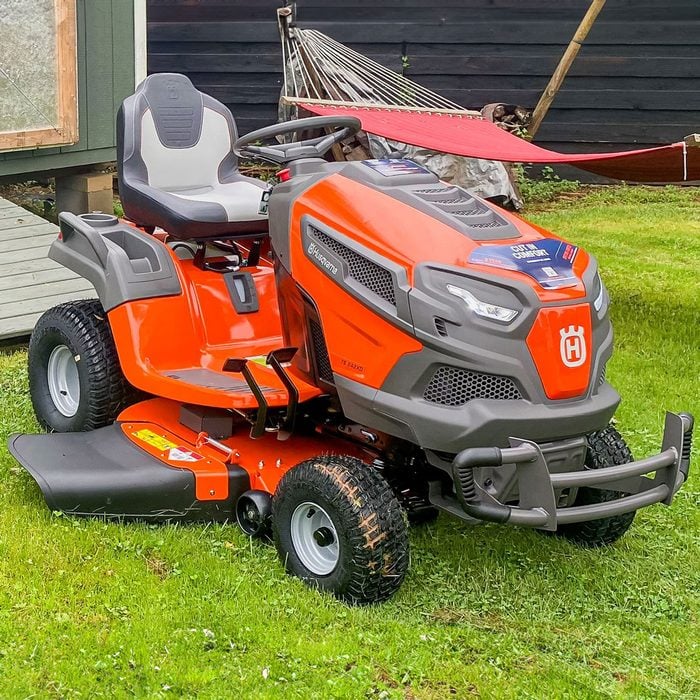
Credit: www.familyhandyman.com
Common Repair Tasks
Riding lawn mowers need regular care to keep running smoothly. Common repair tasks often involve parts that wear out or need adjustment. Understanding these tasks can help you spot issues early and save money on bigger repairs.
Engine Maintenance
The engine is the heart of your mower. Regular oil changes and air filter replacements keep it healthy. You should also check spark plugs and fuel lines to avoid unexpected breakdowns.
Have you ever noticed your mower sputtering or losing power? That’s often a sign the engine needs attention. Cleaning carburetors and checking for fuel leaks can solve many common engine problems.
Blade Sharpening And Replacement
Sharp blades cut grass cleanly and reduce stress on your mower’s engine. Dull blades tear grass, causing uneven cuts and increasing fuel use. You should sharpen blades at least once per mowing season or replace them if they are bent or cracked.
Consider the last time you checked your blades. Are they still sharp? Taking a few minutes to inspect and maintain them can improve your lawn’s appearance and your mower’s performance.
Transmission And Drive System Repairs
The transmission and drive system control your mower’s movement. Problems here can cause slipping, jerking, or failure to move. Checking belts, pulleys, and fluid levels helps prevent these issues.
Sometimes, a worn belt or low transmission fluid is the culprit behind poor mower response. Do you hear unusual noises or feel uneven speed when mowing? That might be your transmission asking for help.
Work Environments
Riding lawn mower technicians work in different places. Each place offers unique tools and challenges. The work environment shapes how technicians fix and maintain these machines. Understanding these settings helps appreciate their skills and efforts.
Dealership Workshops
Dealership workshops are official service centers. They have brand-specific tools and parts. Technicians here get training directly from the manufacturer. This knowledge helps them handle complex repairs. Workshops are clean and well-organized. They follow strict safety rules. Customers trust these places for reliable service.
Independent Repair Shops
Independent repair shops serve various brands and models. They use general tools and aftermarket parts. Technicians rely on experience and online resources. Shops are often smaller and busier. They offer quick fixes and custom work. Prices here tend to be more flexible. These shops provide a personal touch.
Mobile Repair Services
Mobile repair services bring help to the customer’s location. Technicians carry essential tools in their vehicles. They fix simple issues on the spot. This saves time and effort for owners. Mobile services are useful for emergency repairs. They suit people with large properties. Flexibility and speed are key benefits here.
Challenges Faced By Technicians
Technicians working on riding lawn mowers face several challenges that test their skills and patience daily. These machines combine mechanical, electrical, and hydraulic systems, making repairs anything but straightforward. Whether you’re a seasoned pro or just curious about the job, understanding these hurdles reveals why expertise matters so much in keeping your mower running smoothly.
Diagnosing Complex Issues
Riding lawn mowers often present problems that aren’t immediately obvious. A mower might stall or fail to start, but the root cause could be anything from a faulty ignition switch to a clogged fuel line. Technicians must dig deep, using both experience and diagnostic tools to pinpoint the exact issue.
Imagine spending hours chasing a problem that turns out to be a tiny loose wire. It’s frustrating, but that attention to detail saves you from unnecessary parts replacement and costs. Are you confident your mower’s issue is what it seems at first glance?
Keeping Up With New Models
Manufacturers keep improving riding mowers with new features and technology. This means technicians have to constantly update their knowledge. Each new model might have different engine types, electronic controls, or safety mechanisms that require fresh skills.
Technicians often attend training sessions or study manuals late into the night to keep up. It’s not just about fixing what’s broken but understanding how new components work together. How often do you think about the learning curve behind the service you receive?
Working In Varied Weather Conditions
Repairing riding lawn mowers isn’t always done in a clean, comfortable workshop. Many technicians work outside or in garages exposed to the elements. Rain, cold, or heat can make the job physically tough and sometimes risky.
Cold weather can stiffen parts, making diagnostics harder. Rain can cause slippery surfaces and electrical shorts. Despite these challenges, technicians push through, ensuring your mower is ready when the grass starts growing again. Would you be prepared to work under such conditions to keep your equipment running?
Choosing The Right Technician
Choosing the right technician for your riding lawn mower ensures it runs smoothly. A skilled professional can fix issues quickly and prevent future problems. Selecting a reliable expert saves time and money. Here are key points to consider when deciding on the best technician.
Checking Credentials
Start by confirming the technician’s certifications. Proper credentials show they have the required knowledge and training. Look for licenses or certificates from recognized organizations. This ensures the technician understands riding lawn mower systems.
Evaluating Experience
Experience matters in repairing and maintaining riding lawn mowers. Technicians with years in the field handle various brands and models. They diagnose problems faster and provide better solutions. Ask about their background and specific mower experience.
Customer Reviews And Reputation
Read reviews from previous customers to gauge technician reliability. Positive feedback reflects good service and satisfaction. A strong reputation in the community shows trustworthiness. Avoid technicians with many complaints or poor ratings.

Credit: www.agdealer.com
Frequently Asked Questions
Who Typically Repairs Riding Lawn Mowers?
Riding lawn mowers are usually repaired by small engine mechanics or lawn equipment specialists. They have the skills to fix engines, blades, and electrical systems efficiently.
Can Homeowners Maintain Their Riding Lawn Mowers?
Yes, many homeowners perform basic maintenance like cleaning, oil changes, and blade sharpening. Regular upkeep extends mower life and improves performance.
Where Can I Find Professionals For Riding Lawn Mower Service?
You can find professionals at local repair shops, garden centers, or through manufacturer service centers. Online reviews help identify trusted experts nearby.
What Skills Do Riding Lawn Mower Technicians Need?
Technicians need mechanical, electrical, and diagnostic skills. They must understand engine systems, blade mechanics, and safety protocols to ensure proper repairs.
Conclusion
Riding lawn mowers need care from skilled workers. Technicians fix engines, blades, and belts. They keep machines running smoothly and safely. Regular maintenance saves money and time. Owners should trust trained professionals for repairs. Knowing who works on these mowers helps you choose help wisely.
Proper care extends the mower’s life. Keep your lawn mower in good shape for best results.





