Are you looking to squeeze more miles out of every gallon of gas? With fuel prices constantly on the rise, improving your car’s gas mileage can make a big difference in your budget.
You might have heard that changing your spark plugs can help. But is it true? Will new spark plugs really boost your vehicle’s fuel efficiency? We’ll dive into the fascinating world of spark plugs and their impact on your car’s performance.
We’ll reveal the science behind why these tiny components can play a big role in your engine’s efficiency. Discover how a simple change could lead to more savings at the pump and a smoother ride. Keep reading to find out if this small upgrade is the secret weapon your car needs for better mileage.
How Spark Plugs Affect Gas Mileage
Understanding how spark plugs affect your gas mileage can help you decide if changing them is worth your time and money. Spark plugs play a crucial role in how efficiently your engine burns fuel. If they aren’t working properly, your fuel consumption can increase without you even noticing right away.
Role Of Spark Plugs In Engine Performance
Spark plugs ignite the air-fuel mixture inside your engine’s cylinders. This ignition creates the explosion that powers your vehicle.
Good spark plugs produce a strong, consistent spark. This ensures complete combustion of the fuel, maximizing the energy extracted from each drop of gas.
If the spark is weak or inconsistent, the engine runs less smoothly. You may feel rough idling or hesitation, which often leads to wasting fuel.
Impact Of Worn Spark Plugs On Fuel Efficiency
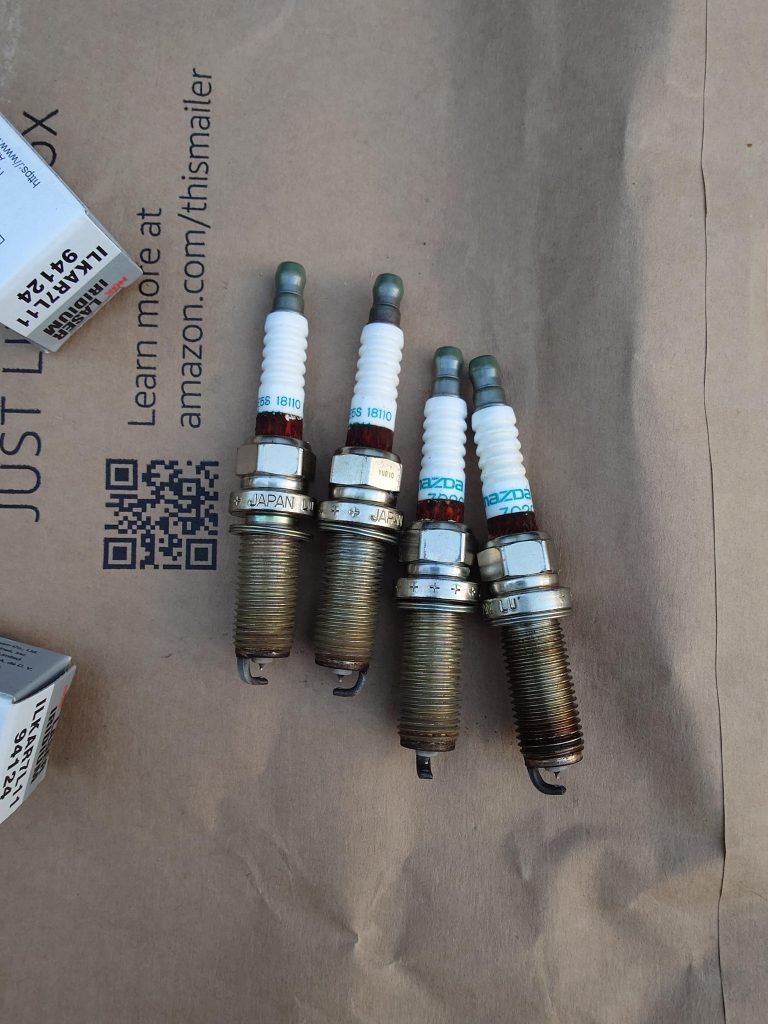
Worn spark plugs cause incomplete combustion. This means some fuel doesn’t burn, lowering your miles per gallon.
Imagine driving with half your fuel wasted every time you press the gas pedal. Over weeks, that adds up to noticeable extra trips to the pump.
Many drivers overlook this issue because the decline in mileage is gradual. But swapping old spark plugs can restore lost efficiency and save you money quickly.

Credit: www.tundratalk.net
Signs Of Inefficient Spark Plugs
Spark plugs play a key role in your car’s engine performance. When they wear out, your engine runs less efficiently. This inefficiency leads to poor gas mileage and rough driving. Recognizing the signs of inefficient spark plugs helps you keep your car in good shape. Knowing these signs can save you money on fuel and repairs.
Common Symptoms Of Spark Plug Wear
- Engine misfires or jerks during acceleration
- Hard starting or slow engine crank
- Rough idling or uneven engine sound
- Decreased fuel efficiency and more trips to the pump
- Loss of power or sluggish acceleration
- Excessive exhaust smoke or unusual smells
When To Replace Spark Plugs
Check your vehicle’s owner manual for replacement intervals. Many spark plugs last between 30,000 to 100,000 miles. Signs like frequent misfires or poor fuel economy mean it’s time to replace them sooner. Regular maintenance helps avoid engine damage and keeps gas mileage steady. Replace spark plugs if you notice any of the symptoms above.
Types Of Spark Plugs And Their Benefits
Spark plugs play a key role in your vehicle’s engine. They ignite the air-fuel mixture inside the cylinders. Different types of spark plugs offer various benefits. Choosing the right one can improve gas mileage and engine performance. Understanding the types helps you make a smart choice for your car.
Copper Vs. Platinum Vs. Iridium Spark Plugs
Copper spark plugs have a solid copper core and a nickel alloy. They conduct electricity well but wear out faster. These plugs are budget-friendly but need more frequent replacement.
Platinum spark plugs last longer than copper. They have a platinum disc on the electrode tip. This design resists wear and improves ignition efficiency.
Iridium spark plugs use a thin iridium tip. Iridium is harder and melts at a higher temperature. These plugs offer the longest life and best performance. They provide a stronger spark and can enhance fuel efficiency.
Choosing The Right Spark Plugs For Your Vehicle
Check your vehicle’s manual for recommended spark plugs. Using the right type ensures proper engine function and fuel economy. Consider factors like driving style and engine type.
For older vehicles, copper plugs may be sufficient. Modern engines often require platinum or iridium for better performance. Iridium plugs suit high-performance or fuel-efficient cars.
Replacing spark plugs on time keeps your engine running smoothly. It can prevent misfires and improve gas mileage. Always match the spark plug type to your car’s needs.
Installation And Maintenance Tips
Proper installation and regular maintenance of spark plugs can impact your car’s gas mileage. Taking care during installation ensures the spark plugs work efficiently. Regular checks help keep performance steady and fuel use low. These tips guide you on how to handle spark plugs correctly and maintain them well.
Proper Spark Plug Installation
Use the right spark plugs for your vehicle model. Check the gap size before installation; it affects engine performance. Clean the spark plug hole to remove dirt and debris. Hand-tighten the spark plug first to avoid cross-threading. Use a torque wrench to tighten to the manufacturer’s recommended setting. Avoid overtightening, which can damage the threads or spark plug. Reconnect spark plug wires or ignition coils securely to ensure proper firing.
Regular Maintenance For Optimal Performance
Inspect spark plugs every 30,000 miles or as recommended. Look for signs of wear like deposits, cracks, or erosion. Clean spark plugs with a wire brush if lightly dirty. Replace spark plugs if worn or damaged to maintain fuel efficiency. Check ignition wires for cracks or corrosion and replace if needed. Maintain the entire ignition system for consistent engine performance and better gas mileage.
Realistic Expectations For Gas Mileage Improvement
Replacing spark plugs may help improve gas mileage, but the change is often small. Understanding what to expect keeps frustration low and motivation high. Fuel efficiency depends on many parts of the engine and driving habits. New spark plugs alone won’t fix all issues that reduce mileage.
How Much Can Spark Plugs Boost Efficiency?
New spark plugs can make your engine run smoother. This helps the fuel burn more completely. The boost in gas mileage usually ranges from 1% to 3%. The exact gain depends on how worn the old plugs were. Severely worn plugs may give a noticeable improvement. If plugs are only mildly used, the change is less clear.
Better combustion also reduces engine misfires. Fewer misfires mean less wasted fuel. This adds to small improvements in mileage. Still, spark plugs are only one part of the fuel system. Their impact is limited by other engine conditions.
Other Factors Influencing Fuel Economy
- Air filter condition: A dirty filter restricts airflow and lowers efficiency.
- Tire pressure: Under-inflated tires increase rolling resistance and fuel use.
- Driving style: Aggressive acceleration and speeding reduce mileage.
- Vehicle maintenance: Issues like clogged fuel injectors or dirty oil affect fuel burn.
- Load and weight: Carrying heavy loads makes the engine work harder.
- Traffic and road type: Stop-and-go traffic uses more fuel than highway driving.
Focusing only on spark plugs ignores these other factors. Improving overall car care and driving habits can give better mileage gains. New spark plugs help, but expect only modest fuel savings from them alone.

Credit: www.reddit.com
Credit: www.autoblog.com
Frequently Asked Questions
Will New Spark Plugs Increase My Car’s Gas Mileage?
New spark plugs can improve gas mileage by ensuring efficient combustion. Worn plugs cause misfires and poor fuel use. Replacing them helps the engine burn fuel more completely, boosting mileage slightly.
How Often Should Spark Plugs Be Replaced For Best Mileage?
Spark plugs should be replaced every 30,000 to 100,000 miles, depending on type. Regular replacement keeps the engine running efficiently, preventing fuel waste and maintaining good gas mileage.
Can Bad Spark Plugs Cause Poor Fuel Economy?
Yes, bad spark plugs lead to incomplete combustion and engine misfires. This wastes fuel and reduces gas mileage. Replacing faulty plugs restores optimal engine performance and improves fuel efficiency.
Do All Spark Plugs Improve Gas Mileage Equally?
No, spark plug quality and type affect fuel efficiency differently. Iridium or platinum plugs last longer and maintain better combustion. Using the right plugs for your vehicle maximizes gas mileage benefits.
Conclusion
New spark plugs can help your engine run smoother. This may lead to better gas mileage over time. Old or worn plugs can cause poor fuel efficiency. Replacing them keeps your car burning fuel well. Remember, other factors also affect gas mileage.
Proper tire pressure and regular maintenance matter too. So, new spark plugs can improve mileage but are not the only solution. Keep your car in good shape for the best results. Small steps add up to save fuel and money.





