
When was the last time you thought about your car’s spark plugs? If you’re like most drivers, it’s probably been a while.
However, these tiny components play a crucial role in keeping your vehicle running smoothly. Ignoring them could lead to poor performance or even costly repairs. So, how much should you expect to spend when it’s time to replace them? The answer might surprise you.
We’ll break down the costs involved and help you make an informed decision. Whether you’re a seasoned car enthusiast or someone who just wants to keep their vehicle in top shape, understanding the cost of spark plug replacement can save you time, money, and headaches down the road. Stick around to discover everything you need to know about replacing spark plugs, so you can drive with confidence.

Credit: www.reddit.com
Factors Affecting Spark Plug Replacement Cost
Understanding the factors that affect the cost of replacing spark plugs can help you budget better and avoid surprises. Several elements come into play, from the type of spark plugs to the specific needs of your vehicle. Knowing these details empowers you to make informed decisions and potentially save money.
Type Of Spark Plugs
The cost varies widely depending on the spark plug type you choose. Copper spark plugs are usually cheaper but wear out faster. On the other hand, platinum and iridium plugs cost more but last longer and perform better.
Choosing the right type for your vehicle can affect both upfront costs and long-term maintenance. Have you checked what spark plugs your car’s manual recommends?
Vehicle Make And Model
Different cars require different spark plugs, and some are more expensive than others. Luxury or high-performance vehicles often need specialized plugs that cost more. Additionally, the location and accessibility of the spark plugs in your engine can vary based on the model.
This means labor time can increase, which adds to the overall cost. Ever noticed how some engines are easier to work on than others?
Labor Charges
Labor costs depend heavily on where you get the service done. Dealerships usually charge more than independent mechanics. If your vehicle’s spark plugs are hard to reach, expect higher labor fees due to the extra time required.
Considering a local garage might save you money, but make sure they have the right expertise. How much time and effort do you think your mechanic will spend replacing your spark plugs?
Additional Repairs
Sometimes, during spark plug replacement, mechanics find other issues like worn ignition coils or damaged wires. These repairs can add to your bill but are important for keeping your engine running smoothly. Ignoring them might cause bigger problems later on.
It’s worth asking for a detailed estimate before approving extra work. Are you prepared to handle unexpected repairs that might come up during the spark plug replacement?
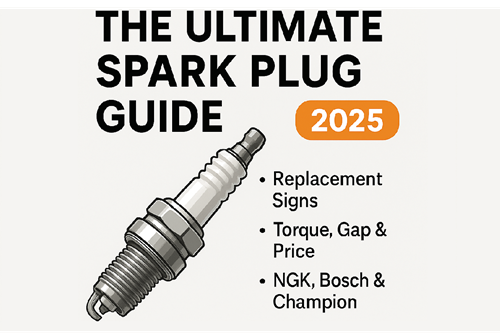
Credit: modernautoparts.co.za
Average Price Range For Spark Plug Replacement
Replacing spark plugs is a common car maintenance task. Knowing the average price helps plan your budget. The total cost depends on parts, labor, and location. Understanding each factor clarifies what to expect at the repair shop.
Cost Of Parts
Spark plug prices vary by type and brand. Standard plugs usually cost between $5 and $15 each. High-performance or specialty plugs can range from $15 to $40. Most cars need four to six spark plugs, so parts cost adds up.
Typical Labor Costs
Labor charges depend on the mechanic’s rate and job difficulty. Spark plug replacement generally takes 30 to 60 minutes. Labor costs range from $40 to $100 per hour. Some cars need extra work, which increases labor time and cost.
Price Variations By Region
Labor rates differ between cities and states. Urban areas often have higher prices than rural locations. Parts may also cost more in some regions due to supply and demand. Checking local prices gives a more accurate estimate for your area.
Diy Spark Plug Replacement Savings
Replacing spark plugs on your own can save you a surprising amount of money. Labor costs at a shop often exceed the price of the parts themselves. By handling the task yourself, you keep those extra dollars in your pocket and gain a deeper understanding of your vehicle’s maintenance.
Have you ever wondered how much you could save by avoiding a mechanic’s hourly rate? Even if you’ve never done this before, the process is straightforward with the right tools and guidance. Let’s look at what you’ll need and how to do it safely.
Tools Needed
- Spark plug socket:Specifically designed to fit spark plugs snugly and avoid damage.
- Ratchet wrench:For turning the socket easily in tight spaces.
- Extension bar:Helps reach plugs that are recessed deep in the engine.
- Torque wrench:Ensures spark plugs are tightened to the manufacturer’s specifications.
- Gap gauge:Checks the gap size on new spark plugs for optimal performance.
- Anti-seize lubricant (optional):Prevents spark plugs from sticking in the cylinder head.
Step-by-step Replacement Guide
Start by locating your spark plugs, often under an engine cover or coil packs. Remove any components blocking access.
Carefully disconnect the ignition coil or spark plug wire from each plug. Use the spark plug socket and ratchet to loosen and remove the old plugs.
Check the gap on your new spark plugs with the gap gauge and adjust if needed. Apply a small amount of anti-seize lubricant to the threads if you choose.
Insert the new spark plugs by hand to avoid cross-threading. Then tighten them with a torque wrench to the recommended setting.
Reconnect the ignition coils or wires, replace any covers, and you’re done. The entire process can take less than an hour once you’re comfortable.
Safety Tips
- Always work on a cool engine to avoid burns.
- Disconnect the battery to prevent accidental shocks or shorts.
- Wear gloves and safety glasses to protect your hands and eyes.
- Keep your workspace clean and organized to avoid losing small parts.
- Double-check connections before starting your engine to ensure everything is secure.
Signs Your Spark Plugs Need Replacement
Recognizing the signs that your spark plugs need replacement can save you from costly repairs and frustrating breakdowns. Spark plugs are small but vital parts of your engine’s ignition system. When they start to fail, your vehicle’s performance drops noticeably, and addressing these signs early can keep your car running smoothly.
Engine Misfires
One of the clearest signs of worn-out spark plugs is engine misfiring. You might feel your engine hesitate or jerk unexpectedly while driving. This happens because the spark plugs aren’t igniting the fuel mixture properly, causing incomplete combustion.
If you notice rough idling or hear unusual popping sounds, your spark plugs could be the culprit. Ignoring misfires can lead to damage in other engine parts, so don’t delay checking them.
Poor Fuel Economy
Have you noticed that you’re filling up your tank more often than usual? Poor fuel economy often points to spark plugs that aren’t firing efficiently. Worn plugs cause the engine to burn more fuel trying to maintain power.
Tracking your mileage can help you spot this issue early. If your car’s gas mileage drops suddenly, consider inspecting the spark plugs before blaming the gas prices.
Difficulty Starting
Struggling to start your car is frustrating and often signals spark plug trouble. When the plugs are dirty or worn, they fail to create a strong spark, making it hard for the engine to ignite the fuel.
This problem is especially noticeable in cold weather or after your car has been sitting idle. If you find yourself turning the key multiple times before the engine catches, it’s time to check your spark plugs.
Tips To Lower Spark Plug Replacement Costs
Lowering spark plug replacement costs is possible with smart choices. Small efforts can save money and keep your car running smoothly. Focus on key areas to make a difference.
Choosing Quality Parts
Pick spark plugs that fit your car model perfectly. Quality parts last longer and work better. Avoid very cheap options; they may fail early and cost more in the long run. Check for trusted brands with good reviews. Sometimes paying a bit more upfront saves money later.
Finding Reliable Mechanics
Choose a mechanic with fair prices and good reputation. Ask friends or read reviews to find trusted shops. Avoid places that charge too much or do unnecessary work. A reliable mechanic does the job right the first time. This reduces the chance of extra repairs or repeat visits.
Regular Maintenance
Keep your vehicle in good shape with regular check-ups. Clean and inspect spark plugs during routine service. Regular maintenance prevents damage and extends spark plug life. Follow the manufacturer’s schedule for replacements. This avoids costly emergency repairs and improves fuel efficiency.

Credit: simonsautorepairtaunton.com
Frequently Asked Questions
How Much Does Spark Plug Replacement Cost?
The average cost to replace spark plugs ranges from $100 to $300. Prices vary by vehicle model and labor rates. Premium plugs or complex engines may increase costs. DIY replacement can save money but requires proper tools and skills.
When Should I Replace My Spark Plugs?
Spark plugs typically need replacement every 30,000 to 100,000 miles. Consult your vehicle’s manual for specific intervals. Signs include engine misfires, poor fuel economy, and rough idling. Regular replacement ensures optimal engine performance and fuel efficiency.
Can I Replace Spark Plugs Myself?
Yes, if you have basic mechanical skills and tools. Ensure you use the correct spark plug type and gap. Follow safety precautions and the vehicle’s service manual. DIY replacement can save labor costs but be cautious to avoid engine damage.
Do Spark Plug Types Affect Replacement Cost?
Yes, spark plug types impact replacement cost significantly. Standard copper plugs are cheaper, while iridium and platinum cost more. Higher-quality plugs last longer and improve performance. Choose plugs recommended by your vehicle manufacturer for best results.
Conclusion
Replacing spark plugs costs vary by car and part quality. Choosing the right spark plugs helps your engine run smoothly. Regular replacement avoids engine problems and saves money. You can replace them yourself or hire a mechanic. Check your car manual for the recommended schedule.
Keep your vehicle in good shape with timely spark plug changes. It’s a small cost for better car performance and fuel efficiency. Don’t wait until your engine misfires or stalls. Simple care keeps your car running longer and stronger.





