
Have you ever wondered how often you should change your spark plugs? If you’re like most car owners, this question might not cross your mind until you notice your engine misfiring or your fuel efficiency dropping.
Ignoring spark plug maintenance can lead to bigger, more expensive problems down the road. But don’t worry; you’re not alone, and understanding the right time to change spark plugs isn’t as complicated as it might seem. We’ll simplify the process, ensuring your engine runs smoothly and efficiently.
Stick around to discover how often you should change your spark plugs to keep your car performing at its best and avoid unnecessary headaches.

Credit: www.youtube.com
Signs You Need New Spark Plugs
Knowing the signs that indicate your spark plugs need replacement helps keep your engine running smoothly. Worn spark plugs cause various issues that affect performance and fuel use. Detecting these signs early can save money and prevent bigger problems.
Engine Misfires
One common sign of bad spark plugs is engine misfires. The engine may hesitate or jerk while driving. This happens because the spark plugs fail to ignite the fuel-air mixture properly. Misfires reduce power and can harm engine parts over time.
Poor Fuel Economy
Old spark plugs cause poor fuel economy. Your car uses more fuel to maintain power when plugs are worn. You may notice more frequent visits to the gas station. Replacing spark plugs helps restore better fuel efficiency quickly.
Difficulty Starting
Difficulty starting the engine can indicate spark plug issues. Faulty plugs make it harder for the engine to start, especially in cold weather. The spark needed to ignite fuel weakens, causing longer crank times or failure to start.
Rough Idling
Rough idling is another warning sign. The engine may shake or sound uneven while idling. This occurs when spark plugs do not fire consistently. Smooth idling improves after spark plugs are replaced, making your drive more comfortable.
Factors Affecting Spark Plug Lifespan
Spark plug lifespan varies due to many factors. Understanding these helps you know when to replace them. Some spark plugs last longer than others. Driving habits and engine types also affect their wear. Proper maintenance keeps spark plugs working well.
Type Of Spark Plugs
Different spark plugs have different lifespans. Copper plugs usually last about 20,000 to 30,000 miles. Platinum plugs can last 60,000 miles or more. Iridium plugs are the most durable, often lasting up to 100,000 miles. The material affects how fast the plug wears out.
Driving Conditions
Stop-and-go traffic wears out spark plugs faster. Short trips do not let the engine fully warm up. This causes more deposits on the plugs. Highway driving at steady speeds is easier on spark plugs. Harsh weather, such as extreme heat or cold, can also reduce lifespan.
Engine Type
High-performance engines put more stress on spark plugs. Turbocharged engines run hotter and wear plugs faster. Older engines may foul plugs more quickly. Modern engines with advanced ignition systems can extend spark plug life. Engine design plays a big role in plug durability.
Maintenance Habits
Regular tune-ups help keep spark plugs in good shape. Cleaning or replacing air filters prevents plug fouling. Using the right fuel protects spark plugs from damage. Ignoring engine problems can shorten plug life. Good maintenance habits extend the time between changes.
Recommended Replacement Intervals
Knowing the right time to change spark plugs keeps your engine healthy. Spark plugs wear out over time and affect engine performance. Different types of spark plugs have different lifespans. Here are the common types and their recommended replacement intervals.
Standard Copper Plugs
Copper spark plugs have the shortest lifespan. They usually need replacement every 20,000 to 30,000 miles. These plugs wear faster because copper conducts heat well but erodes quickly. They are best for older or basic engines.
Platinum Plugs
Platinum spark plugs last longer than copper ones. They can last between 60,000 and 100,000 miles. Platinum resists wear better and provides stable performance. Many modern vehicles use platinum plugs for better durability.
Iridium Plugs
Iridium spark plugs have the longest lifespan. They often last 100,000 miles or more. Iridium is very hard and resists wear well. These plugs improve fuel efficiency and engine smoothness over time.
Manufacturer Guidelines
Always check your vehicle’s manual for specific spark plug intervals. Manufacturers design engines and plugs to work best together. Following their advice helps avoid engine problems. Some vehicles may need more frequent checks based on driving habits.

Credit: www.reddit.com
How To Check Spark Plug Condition
Knowing how to check your spark plug condition can save you time and money on unnecessary replacements. It also helps keep your engine running smoothly and efficiently. A simple inspection can reveal if your spark plugs are still in good shape or if they need changing.
Visual Inspection
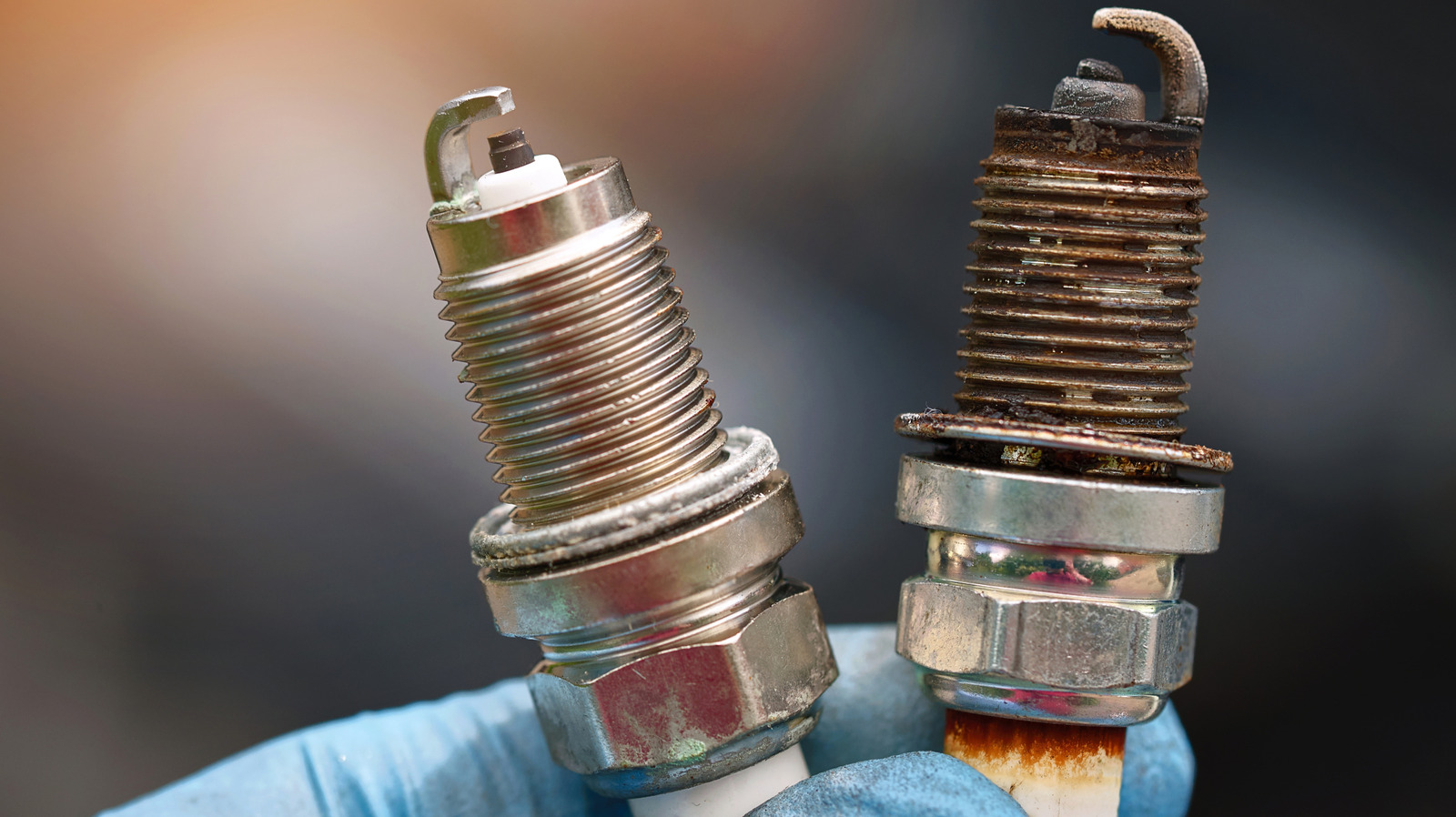
Start by removing the spark plug and examining it closely. Look for any signs of carbon buildup, oil deposits, or cracks on the porcelain insulator. A healthy spark plug usually has a light tan or gray color on the electrode.
If you notice heavy black soot, oily residue, or physical damage, your spark plug likely needs replacement. Small cracks or worn electrodes can cause misfires and poor engine performance.
Measuring Electrode Wear
Use a feeler gauge to check the gap between the center and ground electrodes. This gap affects the spark’s strength and timing. Compare the measurement to your vehicle’s specifications, which you can find in the owner’s manual.
If the gap is too wide or too narrow, it can cause inefficient combustion. Worn electrodes may also look rounded or eroded instead of sharp and defined. Adjusting or replacing the spark plug will restore proper function.
Using A Spark Plug Tester
A spark plug tester gives you a clear indication of whether your spark plug is firing correctly. Connect the tester to the spark plug and crank the engine. You should see a strong, blue spark if the plug is working well.
If the spark is weak, irregular, or absent, the spark plug may be faulty. This tool is especially useful if you’re unsure after visual and gap checks. It helps pinpoint ignition problems that might otherwise go unnoticed.
Replacing Spark Plugs Yourself
Replacing spark plugs yourself saves money and gives satisfaction. It is a simple task with the right tools and knowledge. Knowing how to replace spark plugs helps keep your engine running smoothly. This guide covers the tools, steps, torque needs, and common mistakes to avoid.
Tools Needed
- Spark plug socket
- Ratchet wrench
- Extension bar
- Torque wrench
- Gap gauge
- Dielectric grease
- Compressed air or small brush
Step-by-step Replacement
Start by letting the engine cool down to avoid burns. Remove the ignition coil or spark plug wire carefully. Clean around the spark plug to stop debris from entering the cylinder. Use the spark plug socket and ratchet to unscrew the old plug. Check the gap on the new spark plug with a gap gauge. Insert the new plug by hand first to avoid cross-threading. Tighten the spark plug with a torque wrench to the correct specification. Reattach the ignition coil or spark plug wire. Repeat for all spark plugs.
Torque Specifications
| Vehicle Type | Torque (ft-lbs) |
|---|---|
| Passenger Cars | 13-15 |
| Trucks and SUVs | 18-22 |
| Motorcycles | 10-15 |
Always check your vehicle’s manual for exact torque values.
Common Mistakes To Avoid
- Over-tightening spark plugs can damage threads.
- Under-tightening causes poor engine performance.
- Not checking the gap can reduce efficiency.
- Forgetting to clean the area before removal.
- Using the wrong spark plug size or type.
- Ignoring manufacturer’s torque specifications.
Benefits Of Timely Spark Plug Replacement
Changing spark plugs on time keeps your car running smoothly. It avoids many common engine troubles. You will notice better driving experience and fewer repairs. Timely replacement helps maintain your vehicle’s health and saves money over time.
Improved Engine Performance
Fresh spark plugs create strong sparks. This helps ignite the fuel-air mix perfectly. Your engine starts faster and runs without hesitation. Smooth acceleration and steady power become normal again. Old spark plugs cause misfires and rough idling. Replacing them restores smooth engine function.
Enhanced Fuel Efficiency
New spark plugs burn fuel more completely. This means less wasted fuel in the engine. Your car uses fuel smarter and goes farther per gallon. Worn plugs reduce fuel efficiency and increase costs. Timely replacement helps you save money at the pump.
Reduced Emissions
Proper spark plug function lowers harmful exhaust gases. Cleaner burning reduces smoke and pollutants released. This helps protect the environment and meets emission standards. Old plugs cause incomplete combustion and more pollution. Changing them keeps your car greener.
Prolonged Engine Life
Good spark plugs reduce stress on engine parts. They prevent damage caused by misfires or poor combustion. Regular replacement avoids costly repairs and breakdowns. Your engine lasts longer and runs reliably. Maintenance like this protects your investment.
When To Consult A Professional
Knowing when to ask for professional help with your spark plugs can save you time, money, and stress. Some situations require expert knowledge beyond simple DIY checks. Recognizing these moments ensures your engine runs smoothly and avoids costly damage.
Complex Engine Systems
Modern cars often have complicated engine setups. Some engines use iridium or platinum spark plugs that demand special tools and techniques for replacement. If your engine has multiple coils or unusual plug placements, a professional mechanic can prevent mistakes that might harm your vehicle.
Have you ever struggled to remove a stubborn spark plug? Professionals have the right equipment to handle tricky jobs without damaging your engine parts.
Persistent Performance Issues
If your engine misfires, stalls, or uses more fuel than usual even after changing spark plugs, it’s time to get a professional opinion. These symptoms could indicate deeper problems like ignition coil failures or fuel system issues. A mechanic can diagnose and fix the root cause rather than just treating the symptoms.
Ignoring persistent problems might lead to bigger repairs later. Would you rather spend a little now or pay much more down the road?
Warranty Considerations
Your vehicle’s warranty may require spark plug changes to be done by certified technicians. DIY replacements can sometimes void warranty coverage if not done according to manufacturer guidelines. Consulting a professional ensures you keep your warranty intact and maintain your car’s resale value.
Are you certain your DIY spark plug change won’t affect your warranty? When in doubt, let the experts handle it to avoid unexpected costs.
Credit: www.slashgear.com
Frequently Asked Questions
How Often Should Spark Plugs Be Replaced?
Spark plugs typically need replacement every 30,000 to 100,000 miles. Check your vehicle’s manual for exact intervals. Regular inspection helps maintain engine efficiency and fuel economy.
What Signs Indicate Spark Plug Replacement Is Needed?
Common signs include engine misfires, rough idling, poor acceleration, and decreased fuel efficiency. If you experience these, inspect or replace spark plugs promptly.
Can Old Spark Plugs Affect Car Performance?
Yes, worn spark plugs cause poor engine performance, reduced power, and higher emissions. Replacing them ensures smooth ignition and optimal fuel combustion.
Are All Spark Plugs Replaced At The Same Interval?
No, replacement intervals vary by spark plug type and vehicle model. Iridium plugs last longer than copper ones. Always follow manufacturer recommendations.
Conclusion
Changing spark plugs regularly keeps your engine running smooth. Most cars need new spark plugs every 30,000 to 100,000 miles. Check your owner’s manual for the exact time. Worn spark plugs can cause poor fuel economy and engine trouble. Pay attention to how your car feels and sounds.
Good spark plugs help your car start easily and run well. Remember, small maintenance steps save big repair costs later. Keep your vehicle healthy by not skipping spark plug changes. Simple care means better performance and longer engine life.





