
Have you ever wondered what makes your car spring to life with just a turn of the key? It’s not magic—it’s the spark plug.
This tiny yet mighty component is crucial for your car’s engine to run smoothly. Without it, your vehicle wouldn’t even start. Imagine being stranded with a car that won’t budge. That’s the power of a spark plug. You’ll discover exactly what a spark plug does in your car.
You’ll learn how it ignites the fuel-air mixture in the engine and why it’s essential for optimal performance. By the end, you’ll see why keeping your spark plugs in top condition is vital for your car’s health and your peace of mind. Curious to know more? Let’s dive into the world of spark plugs and uncover their fascinating role in your car’s engine.
Credit: www.waynesgarageinc.net
Role In Engine Combustion
The spark plug plays a crucial role in engine combustion, acting as the ignition point for your car’s engine to run smoothly. Without it, the air and fuel mixture inside the engine cylinder wouldn’t ignite, leaving your vehicle unable to move. Understanding this role helps you appreciate why maintaining spark plugs is key to keeping your car efficient and responsive.
Igniting The Air-fuel Mix
Your engine relies on a precise combination of air and fuel to produce power. The spark plug’s job is to ignite this mixture at just the right moment. This ignition causes a small explosion that pushes the piston down, generating the force needed to move your car.
Think about how a single spark can light a campfire; similarly, the spark plug lights the fuel-air mix inside the engine cylinder. Without this ignition, the fuel would just burn inefficiently or not at all.
Generating The Spark
The spark plug creates a tiny but powerful electrical spark between its electrodes. This spark happens when the voltage supplied by the ignition system jumps across a small gap. The energy from this spark is enough to ignite the compressed fuel and air inside the cylinder.
Have you ever noticed how a worn-out spark plug can cause your engine to misfire? That’s because the spark becomes weak or inconsistent, leading to poor combustion and reduced engine performance.
Timing And Precision
Timing is everything when it comes to spark plugs. The spark must occur at the exact right moment in the engine cycle to maximize power and efficiency. If the spark fires too early or too late, it can cause knocking, lower power, and even engine damage.
Modern engines use sensors and computer controls to ensure this timing is spot-on. Your spark plug’s ability to deliver a precise spark helps your engine run cleanly and efficiently, saving fuel and reducing emissions.
Components Of A Spark Plug
The spark plug is a small but crucial part of your car’s engine. Understanding its components can help you appreciate how it creates the spark needed to ignite the fuel. Let’s break down the main parts that make a spark plug work efficiently.
Electrodes And Insulator
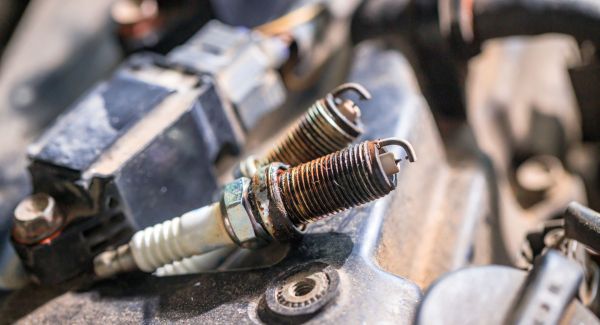
The electrodes are the heart of the spark plug. They create the gap where the electric spark jumps to ignite the air-fuel mixture in your engine.
There are two electrodes: the center electrode and the ground electrode. The center electrode is connected to the ignition coil, and the ground electrode is attached to the metal shell.
Surrounding the center electrode is the insulator, usually made of ceramic. It keeps the electrical current focused and prevents it from leaking to other parts of the engine.
Metal Shell And Threads
The metal shell is the outer casing of the spark plug. It screws directly into the engine’s cylinder head, securing the spark plug in place.
The shell’s threads are designed to fit tightly, ensuring a strong seal to keep combustion gases from escaping. This tight fit also helps conduct heat away from the spark plug.
Have you ever noticed how a worn or loose spark plug affects engine performance? That’s often due to the metal shell and threads not maintaining a proper seal.
Terminal Connection
The terminal connection is the top part of the spark plug where the ignition wire attaches. It transmits electricity from the ignition coil to the center electrode.
This connection needs to be secure and free of corrosion to ensure a reliable spark. A loose or dirty terminal can cause misfires and poor engine performance.
Next time you check your spark plugs, pay attention to the terminal. It’s a small part that plays a big role in your car’s ignition system.
Impact On Engine Performance
The spark plug plays a crucial role in your car’s engine performance. It ignites the air-fuel mixture inside the cylinder, directly affecting how well your engine runs. Small issues with the spark plug can lead to noticeable drops in efficiency and power, making it essential to understand its impact.
Fuel Efficiency
A properly functioning spark plug ensures complete combustion of fuel. This means your engine uses every drop of fuel effectively, reducing waste. Have you noticed your gas mileage dropping? It might be time to check your spark plugs.
Worn or dirty spark plugs cause misfires, leading to incomplete combustion. This wastes fuel and increases emissions. Keeping spark plugs clean and in good condition can save you money at the pump.
Power Output
Your engine’s power depends on how well the spark plug ignites the fuel mixture. Strong, consistent sparks create smooth explosions that push the pistons with force. If the spark weakens, your car loses horsepower and acceleration feels sluggish.
Think about the last time your car struggled going uphill. Weak spark plugs might be the reason behind that loss of power. Replacing them can restore your engine’s punch and responsiveness.
Smooth Idling
Ever experienced rough or shaky idling? Faulty spark plugs can cause your engine to run unevenly when stopped. This happens because the combustion process becomes irregular, making the engine vibrate.
Maintaining your spark plugs helps your engine idle smoothly, which reduces wear on other parts. A steady idle also means fewer annoying noises and a more comfortable driving experience for you.
Credit: jerry.ai
Signs Of A Failing Spark Plug
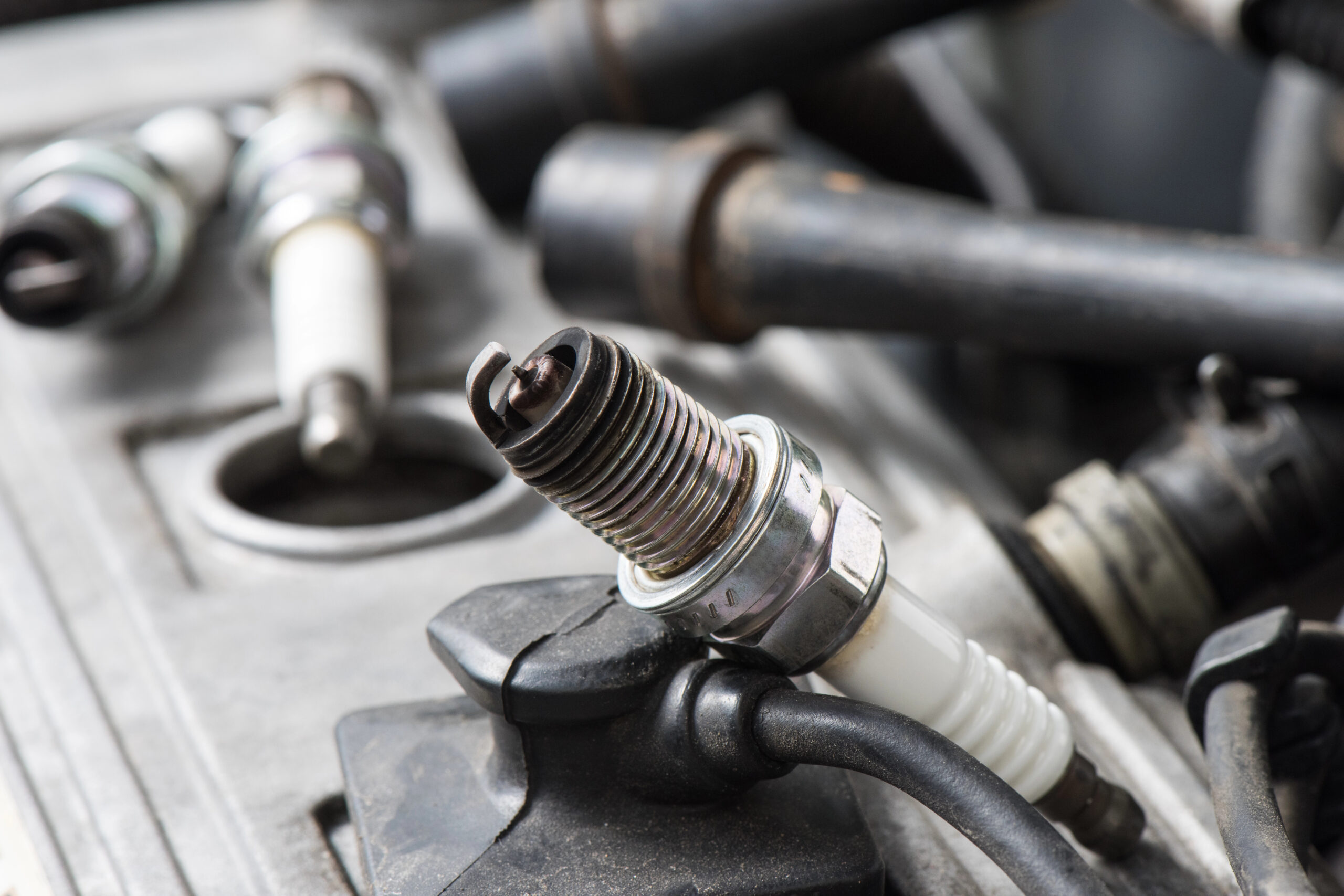
Signs of a failing spark plug often show up in how your car runs. These small parts have a big job. They help start the engine and keep it running smoothly. When spark plugs wear out, the engine can struggle. It may not run as well or as efficiently. Watch for these common signs to know if spark plugs need attention.
Engine Misfires
Engine misfires happen when the spark plug fails to ignite the fuel-air mix. You may feel the engine jerk or hesitate. The car might shake or run rough. Misfires can cause a loss of power and make driving unsafe. This problem often means the spark plug is dirty or worn out.
Poor Acceleration
Poor acceleration means the car responds slowly when pressing the gas pedal. The engine struggles to produce enough power. This can happen because the spark plug can’t create a strong spark. A weak spark reduces engine performance. You may notice the car feels sluggish or slow on hills.
Increased Fuel Consumption
A failing spark plug can cause the engine to burn more fuel. The spark may be weak or inconsistent. This leads to incomplete fuel combustion. More fuel is needed to keep the engine running. As a result, your car uses more gas than usual. This wastes money and harms the environment.
Maintenance And Replacement Tips
Maintaining your car’s spark plugs is essential for keeping your engine running smoothly. Neglecting them can lead to poor performance, reduced fuel efficiency, and even engine damage. Let’s dive into practical tips on cleaning, knowing when to replace, and choosing the right spark plugs for your vehicle.
Cleaning Spark Plugs
Cleaning spark plugs can extend their life and improve engine performance. Use a wire brush or specialized spark plug cleaner to remove carbon deposits gently. Avoid harsh scraping that can damage the electrode or ceramic insulator.
After cleaning, check the spark plug gap with a feeler gauge. An incorrect gap can cause misfires or poor combustion. Adjust the gap carefully according to your car’s manual.
When To Replace
How do you know when a spark plug needs replacement? Look for signs like rough idling, difficulty starting, or decreased fuel economy. Visual inspection can also reveal worn electrodes or heavy deposits.
Most spark plugs last between 30,000 and 100,000 miles, depending on the type and vehicle. Don’t wait for problems to start; regular checks during oil changes can save you from costly repairs later.
Choosing The Right Spark Plug
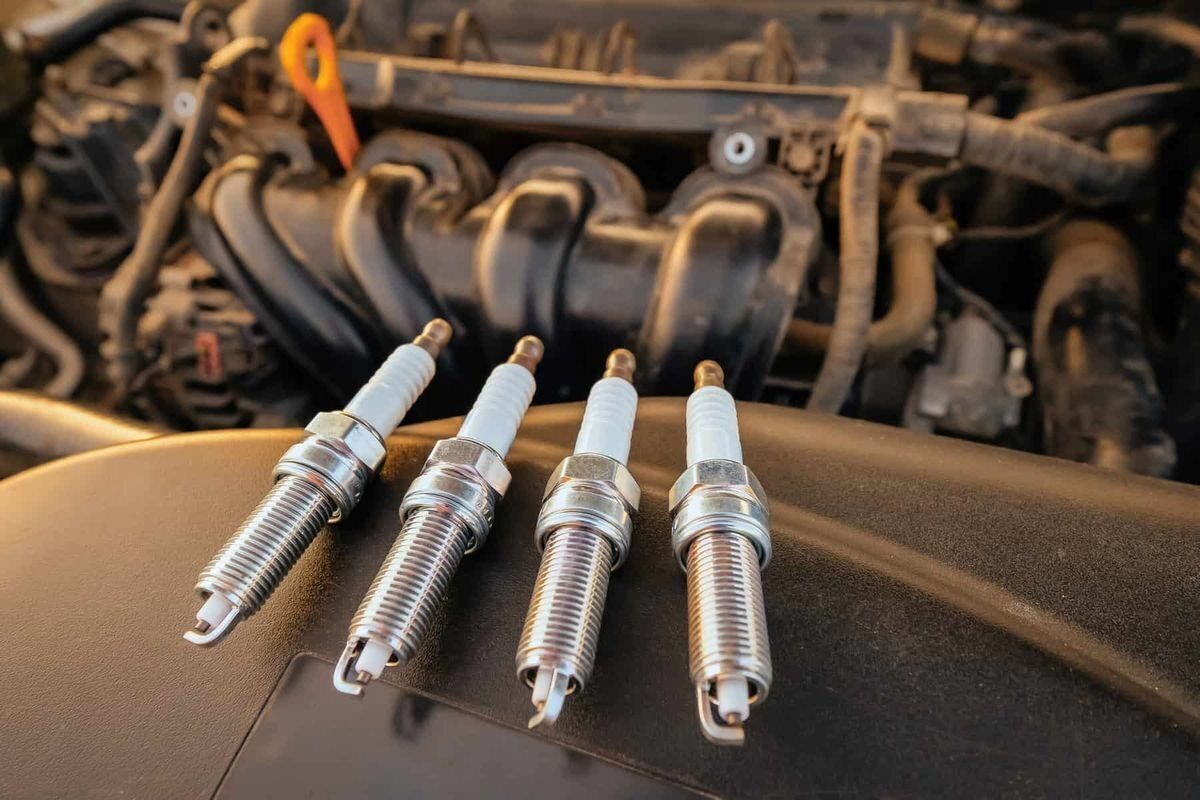
Not all spark plugs fit every car. Your vehicle’s manual is the best guide for the correct type, heat range, and size. Using the wrong plug can lead to poor engine performance or damage.
Consider factors like driving habits and engine type. For example, iridium plugs last longer and perform better under high stress but cost more upfront. Think about what suits your driving style and budget.
Credit: www.westsideauto.com.au
Frequently Asked Questions
What Is The Main Function Of A Spark Plug In A Car?
A spark plug ignites the air-fuel mixture in the engine’s combustion chamber. This ignition powers the engine and starts the car. It creates a spark that triggers combustion, enabling the engine to run efficiently.
How Often Should Spark Plugs Be Replaced?
Spark plugs typically need replacement every 30,000 to 100,000 miles. The exact interval depends on the car model and spark plug type. Regular checks ensure optimal engine performance and fuel efficiency.
Can A Faulty Spark Plug Affect Car Performance?
Yes, faulty spark plugs can cause misfires, poor fuel economy, and rough idling. They reduce engine power and increase emissions. Replacing worn plugs improves overall vehicle performance and smooth operation.
Why Do Spark Plugs Wear Out Over Time?
Spark plugs wear due to constant exposure to heat and pressure inside the engine. Carbon deposits and electrode erosion reduce spark quality. Regular maintenance prevents engine issues caused by worn plugs.
Conclusion
A spark plug helps start the car’s engine by creating a small spark. This spark lights the fuel inside the engine, making it run smoothly. Without a good spark plug, the car might not start or could run poorly. Regular checks keep the spark plug working well and the car healthy.
Remember, a clean and healthy spark plug means better engine performance. Simple but important for every driver.





