
Are you wondering if changing spark plugs is a job you can tackle on your own? You’ve come to the right place.
Spark plugs are small but mighty components that play a crucial role in your vehicle’s performance. Replacing them might sound like a daunting task, especially if you’re not a seasoned mechanic. However, what if we told you that with the right guidance, you could save time, money, and even boost your car’s efficiency?
Imagine the satisfaction of knowing you’ve done it yourself. We’ll break down the process, step by step, giving you the confidence and knowledge you need to decide if changing spark plugs is a DIY project you’re ready to take on. Let’s dive in and see if it’s really as hard as it sounds!

Credit: www.youtube.com
Why Change Spark Plugs Matters
Changing spark plugs is more than just routine maintenance. It directly affects how your engine runs and how efficiently your vehicle performs. Understanding why spark plug replacement matters can save you from unexpected breakdowns and costly repairs down the road.
Impact On Engine Performance
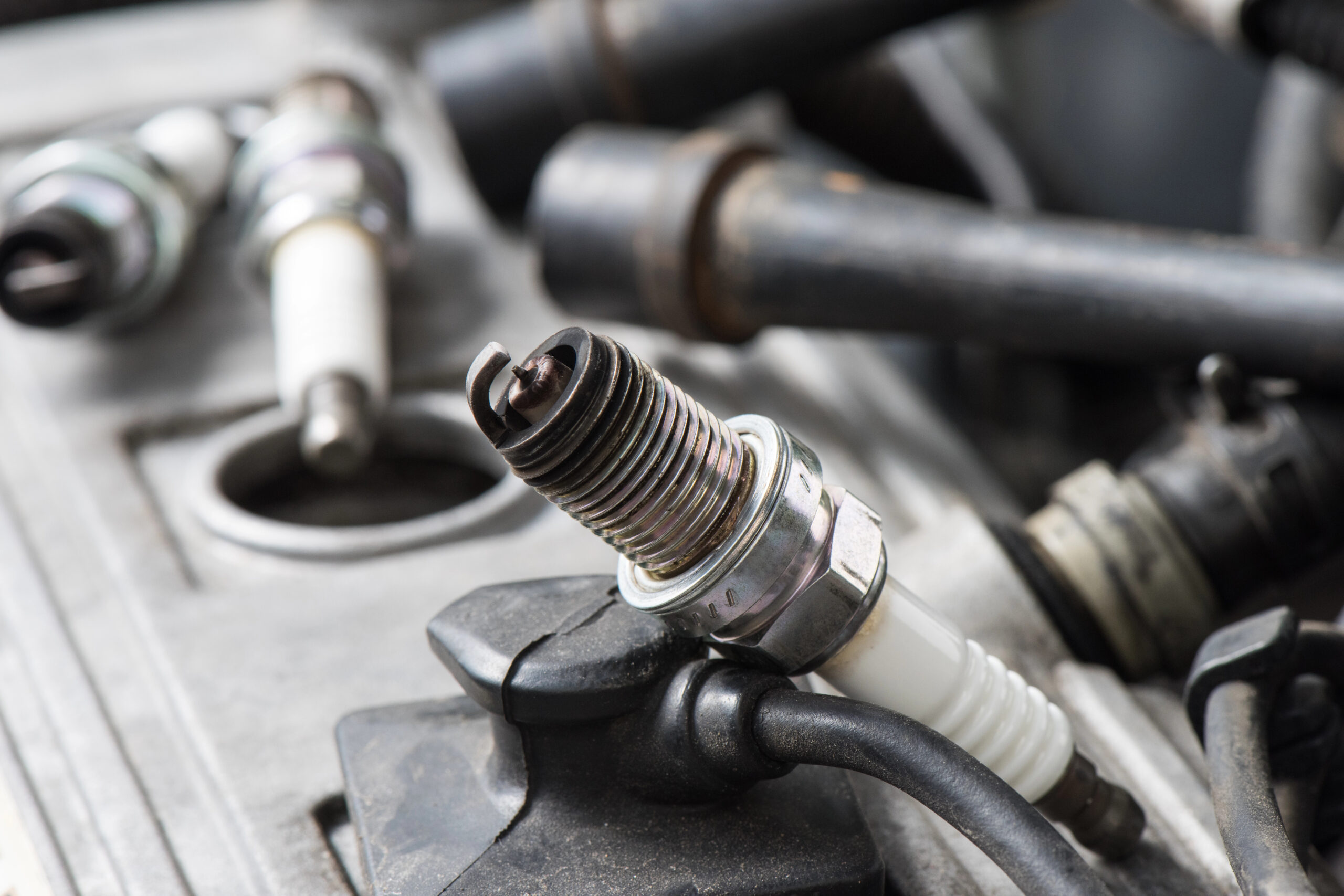
Your spark plugs create the spark that ignites the air-fuel mixture in the engine’s cylinders. Worn or dirty spark plugs cause weak or inconsistent sparks, which means your engine struggles to run smoothly.
You might notice rough idling, slower acceleration, or even reduced fuel efficiency. Have you ever felt your car hesitate just when you need power the most? That’s often a sign that your spark plugs are past their prime.
Replacing spark plugs restores a strong, consistent spark. This helps your engine fire properly, improves throttle response, and can even boost your gas mileage. It’s a simple swap that can make your car feel like new again.
Signs Of Worn Spark Plugs
- Engine Misfires:Your engine might skip or jerk during acceleration.
- Hard Starts:The car takes longer to start or won’t start at all.
- Poor Fuel Economy:You notice you’re filling up the tank more often than usual.
- Rough Idling:The engine shakes or sounds uneven when your car is at a stop.
- Check Engine Light:Your dashboard lights up unexpectedly.
If you recognize any of these symptoms, it’s time to check your spark plugs. Waiting too long can put extra strain on other engine components and lead to more expensive fixes.
Tools Needed For The Job
Changing spark plugs may seem intimidating at first, but having the right tools can make the job much easier and less stressful. You don’t need a full mechanic’s toolbox, just a few essential items to get the job done efficiently and safely.
Before you start, ask yourself: do you have these tools ready? Missing one can turn a quick task into a frustrating experience.
Essential Tools List
- Spark Plug Socket:A deep socket with a rubber insert to grip the plug securely without damage.
- Ratchet Wrench:This provides the leverage needed to loosen and tighten spark plugs.
- Socket Extensions:Extensions help reach plugs that are recessed deep in the engine.
- Torque Wrench:Critical for tightening spark plugs to the manufacturer’s specifications, preventing over-tightening or under-tightening.
- Gap Gauge:Ensures the spark plug gap is set correctly for optimal engine performance.
- Compressed Air or Brush:To clean around the spark plug area before removal, preventing debris from falling into the cylinder.
These tools cover the basics and will help you avoid common mistakes like cross-threading or breaking a plug.
Optional Helpful Gadgets
- Magnetic Pickup Tool:A lifesaver if you drop a spark plug or small parts in hard-to-reach areas.
- Anti-Seize Lubricant:Applying a small amount on the plug threads makes future removal easier.
- Flashlight or Headlamp:Good lighting is often overlooked but essential, especially if you’re working in tight engine bays.
- Gloves:Protect your hands from heat, dirt, and sharp edges.
- Spark Plug Boot Puller:Helps remove the ignition coil boots without damage.
Have you ever struggled with a spark plug that just wouldn’t budge? Using the right tools can turn that frustration into a quick and satisfying fix. What’s your experience with DIY car repairs?
Step-by-step Spark Plug Replacement
Changing spark plugs is a task many car owners can handle. It helps maintain engine performance and fuel efficiency. The process requires some tools and careful steps to avoid damage. Following clear instructions makes the job easier and safer.
Preparing Your Vehicle
Start by parking your car on a flat surface. Ensure the engine is cool to avoid burns. Open the hood and locate the spark plugs. You may need a manual to find their exact position. Gather necessary tools: a spark plug socket, ratchet, extension, and a gap gauge. Disconnect the battery to prevent any electrical issues.
Removing Old Spark Plugs
Remove the spark plug wires or coil packs carefully. Pull them straight out to avoid damage. Use the spark plug socket and ratchet to loosen the old plugs. Turn counterclockwise until they come out easily. Inspect the removed plugs for wear or deposits. Keep them for comparison with the new ones.
Installing New Spark Plugs
Check the gap on each new spark plug with a gap gauge. Adjust to the manufacturer’s specifications if needed. Insert the new plug into the socket and carefully thread it into the cylinder by hand. Tighten with the ratchet, avoiding overtightening. Reattach the spark plug wires or coil packs securely. Reconnect the battery and close the hood.

Credit: www.reddit.com
Common Challenges And Solutions
Changing spark plugs can seem straightforward, but certain challenges often make the task tricky. Knowing these common issues and how to handle them can save you frustration and damage to your engine. Here’s what you need to watch out for and how to tackle these hurdles effectively.
Dealing With Stuck Plugs
Stuck spark plugs are a frequent headache. They can be seized due to carbon buildup or corrosion inside the cylinder head.
Try spraying a penetrating lubricant around the plug and let it sit for 10-15 minutes before attempting removal. Use a spark plug socket with a good grip to avoid rounding off the plug’s edges.
If the plug still won’t budge, gently wiggle it back and forth instead of forcing it straight out. This reduces the risk of snapping the plug inside the engine, which can lead to costly repairs.
Avoiding Cross-threading
Cross-threading happens when the spark plug is inserted at an angle, damaging the threads in the cylinder head. This can cause poor sealing and expensive fixes.
Always start threading the spark plug by hand. This allows you to feel if it’s going in smoothly.
Stop if you meet resistance and back out to realign before continuing. Using a torque wrench to tighten the plug to the manufacturer’s specs ensures you don’t overtighten or strip the threads.
Ensuring Proper Gap
The gap between the spark plug electrodes affects engine performance. Too wide or too narrow a gap can cause misfires or poor fuel economy.
Check the gap with a feeler gauge before installation. Adjust it carefully by bending the ground electrode, not the center electrode, to avoid damage.
Remember, new plugs often come pre-gapped, but it’s best to verify. Are you confident your spark plugs have the right gap for your engine?
Maintenance Tips For Longevity
Keeping your spark plugs in good shape can save you time and money down the road. Proper maintenance not only improves your engine’s performance but also extends the life of your spark plugs. Let’s look at when you should check them and how you can make them last longer.
When To Check Spark Plugs
Check your spark plugs every 30,000 miles or as recommended by your vehicle’s manual. If you notice rough idling, poor fuel economy, or difficulty starting your engine, it’s a good idea to inspect them sooner. Watching out for these signs can prevent bigger engine problems.
Remember, not all spark plugs wear out at the same rate. High-performance engines or frequent short trips might need more frequent checks. Have you ever waited too long and ended up with engine trouble? That’s a clear signal to stay ahead with timely inspections.
How To Extend Spark Plug Life
- Keep Your Engine Clean:Dirt and oil can cause spark plug fouling. Regular engine cleaning helps maintain optimal spark plug function.
- Use the Right Fuel:Low-quality fuel can leave deposits on your plugs. Stick to the fuel grade recommended by your vehicle manufacturer.
- Proper Gap Setting:Ensure the spark plug gap matches your car’s specifications. An incorrect gap can lead to misfires and shorten plug life.
- Regular Tune-Ups:Replacing air filters and checking ignition components keeps your spark plugs firing efficiently.
I once ignored the gap setting on my spark plugs, thinking it was minor. Within weeks, my car started misfiring and gas mileage dropped. Adjusting the gap made a noticeable difference, proving small tweaks can have big effects.
Are you paying close enough attention to your spark plugs, or waiting until performance drops? Small maintenance steps today can prevent costly repairs tomorrow.
When To Seek Professional Help
Changing spark plugs can be a straightforward task for some, but there are moments when professional help becomes necessary. Knowing when to step back and call a mechanic can save you time, money, and frustration. Let’s look at the signs that indicate it’s best to seek expert assistance and what costs you might expect.
Signs It’s Time To Call A Mechanic
If your engine is misfiring despite changing spark plugs, it might signal a deeper issue beyond just the plugs themselves. Difficulty accessing the spark plugs due to engine design or corrosion can also make the job too tricky to do safely on your own.
Warning lights on your dashboard, such as the check engine light, combined with poor fuel economy or rough idling, suggest a professional diagnosis. If you don’t have the right tools or if the spark plugs are stuck, forcing them can cause damage to your engine.
- Engine misfires or rough starts after spark plug replacement
- Check engine light stays on or flashes
- Limited space or difficult access to spark plugs
- Corroded or seized spark plugs
- Inexperience with automotive repairs or lack of proper tools
Cost Considerations
Hiring a mechanic to change spark plugs can vary in price depending on your vehicle and location. On average, you might pay between $100 and $200 for parts and labor combined.
While DIY spark plug replacement saves labor costs, a mistake could lead to expensive repairs. For example, stripping the threads in the cylinder head can cost hundreds to fix, outweighing any savings.
| Service | Typical Cost Range | Notes |
|---|---|---|
| Spark Plug Parts | $10 – $30 per plug | Depends on brand and vehicle type |
| Labor (Professional) | $70 – $150 | Varies by shop and complexity |
| Potential Repair (Thread Damage) | $200 – $500+ | Costly if DIY goes wrong |
Ask yourself: Is the cost of professional service worth the peace of mind? Sometimes, investing a little upfront saves you from bigger headaches later.
Credit: jerry.ai
Frequently Asked Questions
Is Changing Spark Plugs A Difficult Task?
Changing spark plugs is generally straightforward for those with basic mechanical skills. It requires simple tools and following step-by-step instructions carefully. However, some engines may have hard-to-reach plugs, which can add complexity.
How Long Does It Take To Change Spark Plugs?
On average, changing spark plugs takes about 30 to 60 minutes. Time varies depending on your experience and the vehicle model. Proper preparation and the right tools can speed up the process.
What Tools Are Needed To Change Spark Plugs?
You need a spark plug socket, ratchet wrench, extension bar, and a gap gauge. Additionally, anti-seize lubricant and a torque wrench improve installation quality and safety.
Can I Change Spark Plugs Myself Safely?
Yes, you can safely change spark plugs if you follow safety guidelines. Make sure the engine is cool, disconnect the battery, and work carefully to avoid damage.
Conclusion
Changing spark plugs is not as hard as it seems. With some basic tools and care, anyone can do it. Taking your time helps avoid mistakes and saves money. Always follow the steps carefully for safety and best results. This small task keeps your engine running smoothly.
Practice builds confidence and skill. Give it a try—you might be surprised how easy it is.





