Have you ever wondered what your spark plugs are trying to tell you? These small but powerful parts hold the key to your engine’s health.
Knowing how to read spark plugs can save you time, money, and frustration by spotting problems early. You’ll discover simple tips to check your spark plugs like a pro. By the end, you’ll have the confidence to understand what your engine needs and keep your vehicle running smoothly.
Keep reading to unlock the secrets hidden in your spark plugs!
Spark Plug Basics
Spark plugs are small but vital parts of a car’s engine. They create sparks that ignite the fuel and air mix. This process powers the engine and keeps the vehicle moving. Understanding spark plugs helps in maintaining engine health and improving performance.
Spark Plug Components
A spark plug has several key parts. Each part plays a role in making the spark happen.
- Center Electrode:Conducts electricity to form the spark.
- Ground Electrode:Creates a gap with the center electrode for the spark.
- Insulator:Surrounds the center electrode and prevents electrical leaks.
- Metal Shell:Screws into the engine and holds the plug firmly.
- Terminal:Connects the spark plug to the ignition system.
Function In Engine Performance
Spark plugs light the fuel-air mix inside engine cylinders. This ignition produces the explosion that drives the pistons. Proper spark plug function means smooth starts and efficient fuel use.
Worn or faulty plugs cause misfires, rough idling, and low power. Good plugs improve acceleration and reduce emissions. They also help the engine run cooler and last longer.
Signs Of Spark Plug Wear
Spark plugs play a key role in engine performance. Their condition shows much about engine health. Signs of spark plug wear tell you when to check or replace them. Worn spark plugs can cause poor fuel economy, rough idling, and difficulty starting the engine.
Common Wear Patterns
- Normal Wear:Light tan or grayish deposits on the electrode and insulator.
- Carbon Fouling:Black, dry soot covering the electrode. Shows rich fuel mixture or weak ignition.
- Oil Fouling:Oily, wet deposits on the spark plug. Indicates oil leaking into the combustion chamber.
- Overheating:White, blistered insulator and eroded electrodes. Caused by engine running too hot.
- Electrode Wear:Rounded or eroded electrodes. Reduces spark efficiency and increases gap size.
- Deposits Build-Up:Hard, crusty material on electrodes and insulator. Caused by poor fuel quality or additives.
Impact On Engine Health
Worn spark plugs reduce engine power and fuel efficiency. Misfires become common, causing rough running and vibrations. Starting the engine takes longer and can fail in cold weather. Increased emissions pollute the environment more. Engine damage may occur if worn plugs are ignored for long. Regular inspection helps keep the engine smooth and reliable.
Tools For Spark Plug Inspection
Inspecting spark plugs requires the right tools for accurate reading. Using proper tools helps detect problems early. It also ensures your engine runs smoothly. Basic tools let you check spark plug condition and gap easily. These tools are affordable and easy to use at home. Understanding each tool’s purpose improves your inspection skills.
Essential Inspection Tools
- Socket wrench with spark plug socket for removal
- Wire brush to clean dirt and deposits
- Magnifying glass for close examination
- Feeler gauge to measure spark plug gap
- Multimeter to check spark plug resistance
Each tool plays a key role in checking spark plug health. Using a socket wrench avoids damage during removal. The wire brush clears debris for a clear view. Magnifying glass reveals cracks or wear. Feeler gauge measures the gap precisely. Multimeter helps identify electrical issues.
Using A Spark Plug Gap Gauge
The spark plug gap gauge measures the space between electrodes. Correct gap size ensures proper engine firing. Too small or too large gaps cause misfires and poor fuel use. The gauge comes in round or wire types. Insert the gauge between electrodes gently.
- Slide the gauge to check resistance
- Adjust the gap by bending the side electrode carefully
- Recheck the gap with the gauge after adjustment
Precise gap adjustment improves engine performance and fuel efficiency. Regular gap checks extend spark plug life. Using the gap gauge is simple and effective for every vehicle owner.

Credit: www.underhoodservice.com
Step-by-step Spark Plug Reading
Reading spark plugs reveals your engine’s health. It shows how well the engine runs and points out problems early. Follow these clear steps to read spark plugs effectively. This guide helps you handle plugs safely and understand what their condition means.
Removing The Spark Plug Safely
Let the engine cool before touching spark plugs. Hot plugs can cause burns or damage. Use a spark plug socket and ratchet to loosen plugs carefully. Turn counterclockwise until the plug comes out. Avoid forcing it to stop thread damage. Keep track of each plug’s position for correct reinstallation.
Cleaning And Visual Inspection
Remove dirt and grease from the spark plug surface. Use a wire brush or clean cloth. Check the plug’s tip and threads closely. Look for cracks, wear, or heavy deposits. Note the gap between the electrodes. A damaged or dirty plug needs replacement. Clean plugs offer better insight into engine condition.
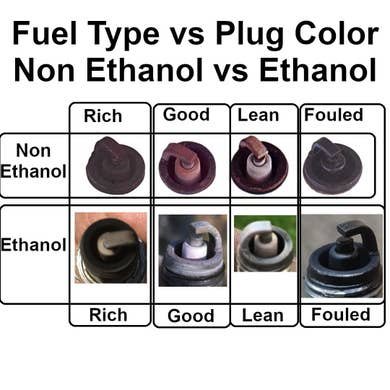
Interpreting Color And Deposits
- Light tan or gray:Normal engine operation and fuel mixture.
- Black, dry soot:Too rich fuel or weak ignition.
- Wet black deposits:Oil leakage or flooding.
- White or blistered:Overheating or lean fuel mixture.
- Rust or corrosion:Moisture issues or worn plugs.
Colors and deposits tell different engine stories. Match each sign with possible causes to decide next steps.
Diagnosing Engine Issues
Reading spark plugs offers a clear view into engine health. Each plug tells a story about what happens inside the engine. Understanding these clues helps spot problems early. This knowledge saves time and money on repairs. It also improves engine performance and fuel efficiency.
Identifying Fuel Mixture Problems
The color and condition of the spark plug reveal the fuel mixture quality. A light tan or grayish color means the mixture is balanced. A black, sooty deposit signals a rich fuel mixture with too much fuel. A white or blistered plug points to a lean mixture with too little fuel. Watch for uneven deposits on different plugs. This might mean some cylinders run richer or leaner than others.
Detecting Ignition And Timing Issues
Worn or damaged spark plugs can indicate ignition troubles. Look for cracked insulators or burned electrodes. These signs suggest misfiring or weak sparks. A spark plug with melted metal parts often shows timing problems. Delayed ignition causes excessive heat, damaging the plug. Early ignition can also stress the plug and engine. Consistent plug wear across cylinders usually means correct timing.
Spotting Oil Leaks And Engine Damage
Oily or wet spark plugs reveal oil leaks inside the engine. Oil fouling causes misfires and poor running. It also signals worn piston rings or valve guides. Check for heavy carbon buildup with a shiny, oily surface. Broken or chipped electrodes may indicate mechanical engine damage. Pay attention to plugs that look very different from others. These signs help detect serious engine problems early.

Credit: www.gtrusablog.com
Maintenance Tips For Longevity
Proper care of spark plugs extends their life and improves engine performance. Regular maintenance avoids early wear and costly repairs. Follow these tips to keep spark plugs in top condition for longer use.
Proper Installation Techniques
Clean the spark plug hole before installation. Dirt can damage threads and affect performance. Use a torque wrench to tighten plugs to the manufacturer’s specifications. Over-tightening can break the plug or strip threads. Under-tightening may cause poor contact and misfires.
Apply a small amount of anti-seize compound on the plug threads. This prevents corrosion and makes future removal easier. Avoid getting compound on the electrode or insulator. Check the spark plug gap with a feeler gauge. Adjust the gap carefully to match your vehicle’s requirements.
Recommended Replacement Intervals
Replace spark plugs according to your vehicle’s maintenance schedule. Most spark plugs last between 30,000 and 100,000 miles. High-performance or iridium plugs may last longer. Inspect plugs regularly for wear signs like fouling, cracks, or erosion.
Replace plugs earlier if you notice engine misfires, rough idling, or poor fuel economy. Timely replacement ensures smooth engine operation and better fuel efficiency. Keep a record of replacement dates to track plug life easily.
When To Consult A Professional
Knowing when to consult a professional is key to keeping your engine in good shape. Spark plugs offer clues, but some problems go deeper. Recognizing these signs early avoids bigger damage and costly repairs. Professionals have the tools and skills to find hidden issues and fix them safely.
Complex Symptoms Beyond Spark Plugs
Sometimes, engine trouble shows signs not clear on spark plugs. Issues like rough idling, poor fuel economy, or strange noises need expert eyes. These symptoms might come from fuel, ignition, or mechanical parts. A professional can identify if spark plugs cause problems or if another part is failing.
Ensuring Accurate Engine Diagnosis
Professionals use special tools to test the engine fully. They check spark plug condition along with sensors, fuel injectors, and ignition coils. This thorough check helps find the exact cause of engine trouble. Accurate diagnosis prevents unnecessary part replacements and saves money in the long run.

Credit: www.dootalk.com
Frequently Asked Questions
What Are The Signs Of A Bad Spark Plug?
A bad spark plug can cause engine misfires, rough idling, or reduced fuel efficiency. You might notice a decrease in acceleration and power. Additionally, unusual engine noises or difficulty starting the vehicle can indicate faulty spark plugs. Regular inspection and replacement can prevent these issues.
How Often Should Spark Plugs Be Replaced?
Spark plugs typically need replacement every 20,000 to 100,000 miles, depending on the vehicle and plug type. Checking your vehicle’s manual provides specific guidance. Regular maintenance ensures optimal engine performance and fuel efficiency. Ignoring replacement schedules can lead to engine issues.
Can You Clean A Spark Plug Instead Of Replacing It?
Yes, you can clean spark plugs to extend their life. Use a wire brush or a specialized cleaner. However, if they are heavily worn or damaged, replacement is necessary. Regular cleaning can maintain engine efficiency temporarily, but it’s not a substitute for timely replacement.
What Tools Are Needed To Check Spark Plugs?
To check spark plugs, you need a spark plug socket, ratchet, and gap gauge. A torque wrench ensures proper installation. These tools help you inspect and replace spark plugs efficiently. Ensuring the correct gap and torque is crucial for engine performance.
Conclusion
Reading spark plugs helps you know your engine’s health. You can spot problems early and save money. Check spark plugs often for better car performance. Clean or replace them when needed to avoid issues. Understanding spark plugs is easier with practice and patience.
Keep an eye on their color and wear patterns. This simple skill helps you maintain your vehicle well. Stay attentive and your engine will run smoothly longer.





