Imagine cruising down the open road, feeling the wind rush past, when suddenly your car starts to stutter. What if I told you the culprit could be something as small as the gap in your spark plugs?
Yes, that tiny space can make a massive difference in your vehicle’s performance. If the spark plug gap is too small, your engine might struggle, affecting power, efficiency, and even fuel consumption. Curious about how this happens and why it matters?
Dive into this article to discover the impact of spark plug gaps and ensure your car runs like a dream. You won’t want to miss these crucial insights that could save you time, money, and a whole lot of frustration.
Spark Plug Gap Basics
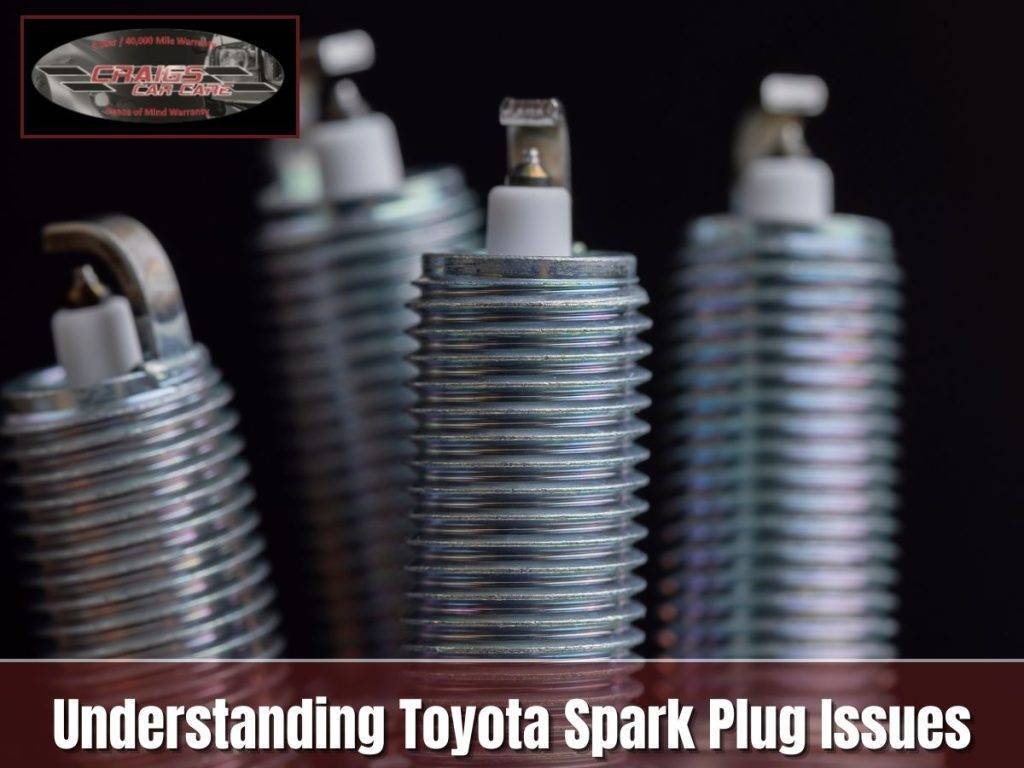
The spark plug gap is the small space between the center and ground electrodes. This gap allows the spark to jump and ignite the fuel-air mixture in the engine. Understanding this gap is vital for engine performance and efficiency. A gap that is too small or too large can cause problems in starting, power, and fuel use.
Role Of The Spark Plug Gap
The spark plug gap controls how the spark forms inside the engine. It must be the right size to create a strong, consistent spark. A proper gap helps the engine run smoothly. It ensures good combustion and reduces emissions. The spark jumps across this gap, igniting the fuel mixture. If the gap is too small, the spark may be weak or fail to start. If too large, the spark might not jump at all.
Standard Gap Measurements
Manufacturers set standard gap sizes for different engines. These sizes usually range between 0.020 and 0.060 inches. The right gap depends on the engine type and design. Many vehicle manuals list the exact gap needed. Mechanics use a gap tool to measure and set the space correctly. Keeping to these measurements helps maintain engine health and efficiency.
Effects Of A Small Gap
Having a spark plug gap that’s too small can silently sabotage your engine’s performance. It might not trigger an immediate breakdown, but subtle issues start creeping in, affecting how your engine runs every day. Understanding these effects helps you spot problems early and keep your car running smoothly.
Weak Spark Generation
A small gap limits the space for the spark to jump, producing a weak spark. This weak spark struggles to ignite the air-fuel mixture efficiently. You might notice your engine hesitating during acceleration or feeling sluggish because the spark isn’t strong enough to ignite fuel properly.
Incomplete Combustion
When the spark is weak, combustion won’t fully complete. This means some fuel remains unburned, reducing your engine’s efficiency. You could see a drop in fuel economy and increased emissions, which might also lead to a buildup of carbon deposits inside the engine.
Engine Misfires
A small gap can cause the spark to fail altogether, leading to engine misfires. Misfires create rough idling, jerking, or even stalling, making your drive frustrating and less reliable. If you’ve ever experienced sudden jerks or your check engine light came on, a small spark plug gap might be the hidden culprit.
Performance And Efficiency Issues
The spark plug gap plays a vital role in engine performance. When the gap is too small, it causes several issues. The engine may not run as smoothly or efficiently. These problems affect power, fuel use, and emissions. Understanding these effects helps maintain the engine’s health.
Reduced Power Output
A smaller spark plug gap creates a weaker spark. This weak spark may not ignite the fuel-air mix properly. Incomplete combustion leads to less engine power. You may notice slower acceleration or poor engine response. The engine struggles to reach its full potential.
Lower Fuel Efficiency
Weak sparks burn fuel inefficiently. The engine uses more fuel to produce the same power. Fuel economy drops and costs rise. Poor combustion wastes fuel and reduces mileage. This inefficiency can add up over time.
Increased Emissions
Incomplete burning of fuel raises harmful emissions. Higher levels of unburned hydrocarbons and carbon monoxide escape. This pollution harms the environment and may cause failed emissions tests. A small spark gap contributes to dirty exhaust gases.
Potential Engine Damage
Having a spark plug gap that’s too small can lead to serious problems under your car’s hood. The engine relies on a precise spark to ignite the fuel-air mixture efficiently. When that gap shrinks, the spark weakens, causing a chain reaction of issues that could damage your engine over time.
Carbon Buildup Risks
A smaller spark plug gap often results in incomplete combustion. This means fuel doesn’t burn completely, leaving carbon deposits on the spark plug and inside the combustion chamber.
Excessive carbon buildup can cause your engine to misfire and reduce fuel efficiency. Over time, these deposits harden and make it harder for the spark plug to create a strong spark, worsening engine performance.
Have you noticed your car running rough or struggling to start? It might be a sign of carbon buildup caused by an improperly gapped spark plug.
Overheating Concerns
Too small a gap can also cause the spark plug to overheat. A weak spark means the fuel-air mix isn’t igniting properly, which can increase combustion chamber temperatures.
Overheating can damage not just the spark plug but also valves, piston rings, and cylinder walls. This leads to costly repairs and reduced engine life.
Think about how a small adjustment in your spark plug gap could save you from expensive repairs down the road. Is your engine running hotter than usual? It’s worth checking the spark plug gap before things get worse.
Diagnosing Small Gap Problems
Diagnosing a spark plug gap that is too small requires careful observation and precise testing. Small gaps can cause misfires, poor engine performance, and increased fuel consumption. Detecting these issues early can save time and prevent further engine damage. Understanding the symptoms and how to test the gap helps maintain your vehicle’s health.
Symptoms To Watch For
- Engine misfires during acceleration or idling
- Rough or uneven engine running
- Increased fuel consumption without explanation
- Difficulty starting the engine
- Reduced engine power and responsiveness
These symptoms often signal a spark plug gap issue. The spark may be too weak to ignite the fuel mixture properly. This reduces combustion efficiency and engine performance.
Testing The Spark Plug Gap
Use a feeler gauge to measure the spark plug gap accurately. The gauge slides between the electrodes to check the distance.
- Remove the spark plug from the engine carefully
- Insert the correct size feeler gauge between the electrodes
- Check if the gauge fits snugly without forcing it
- Compare the measurement with the manufacturer’s recommended gap
If the gap is smaller than recommended, gently widen it using a spark plug gap tool. Proper gap adjustment improves spark strength and engine function.

Credit: www.piloteers.org
Adjusting Spark Plug Gap
Adjusting the spark plug gap is a simple yet crucial task that directly impacts your engine’s performance. A gap that’s too small can cause weak sparks, misfires, and lower fuel efficiency. Taking the time to set the correct gap ensures your engine runs smoothly and efficiently.
Tools Needed
- Feeler Gauge:The most accurate tool for measuring the gap thickness.
- Spark Plug Gap Tool:A simple wire or plastic tool designed for bending the electrode gently.
- Flathead Screwdriver:Sometimes used for fine adjustments, but requires careful handling.
- Protective Gloves:To protect your hands while handling spark plugs and tools.
Having the right tools makes the process easier and prevents damage to the spark plug. Using a feeler gauge gives you precision that guessing can’t match.
Step-by-step Gap Adjustment
Start by checking the current gap on your spark plug with the feeler gauge. Slide the correct thickness blade between the electrodes—if it fits too tightly or not at all, the gap needs adjusting.
If the gap is too small, gently widen it by placing the electrode on a solid surface and carefully bending it outward using the spark plug gap tool. Avoid applying too much force; small, gradual adjustments work best.
After bending, re-measure the gap to ensure it matches the manufacturer’s specification exactly. Repeat the process if necessary, but never force the electrode beyond the recommended gap.
Have you ever noticed how a tiny change in your spark plug gap can dramatically improve your engine’s responsiveness? That’s why precision matters. Taking the time to adjust correctly can save you from frequent tune-ups and unexpected stalls on the road.
Choosing The Right Gap
Choosing the right spark plug gap is key to engine performance. The gap affects how the spark ignites the fuel mixture inside the cylinder. A gap that is too small can cause weak sparks, leading to poor combustion and engine issues. Setting the correct gap ensures the spark plug fires correctly and efficiently. This section explains how to select the right gap for your engine.
Manufacturer Specifications
Every vehicle has a recommended spark plug gap. This information is found in the owner’s manual or service guide. Following these specifications is important for proper engine function.
- Check the manual for the exact gap size in millimeters or inches.
- Use a feeler gauge tool to measure and adjust the gap precisely.
- Do not guess or use the same gap for different engines.
Manufacturers test and set these gaps based on engine design and fuel type. Using the correct gap prevents misfires and maintains fuel efficiency.
Considerations For Different Engines
Different engines need different spark plug gaps due to their design and power output. High-performance engines usually require a wider gap for a stronger spark.
- Small engines like lawnmowers have smaller gaps for easy ignition.
- Turbocharged or high-compression engines may need larger gaps for better combustion.
- Older engines might have different gap sizes compared to modern engines.
Always adjust the gap based on the specific engine type and its requirements. This helps the engine run smoothly and avoid damage from incorrect spark plug gaps.
Credit: www.f150ecoboost.net
Preventive Tips
Preventing spark plug gap issues starts with simple, consistent actions. Small gaps cause weak sparks, leading to engine trouble. Avoid this by keeping spark plugs in top shape. Regular checks and choosing the right plugs help engines run smoothly. These tips save money and extend engine life.
Regular Maintenance Schedules
Follow the vehicle’s maintenance guide strictly. Check spark plugs at every service visit. Clean or replace them if needed. Use a gap gauge tool to measure the gap precisely. Keep records of all maintenance work. This routine prevents small gaps from causing big problems.
Quality Spark Plug Selection
Buy spark plugs made for your engine type. Avoid cheap or generic brands that may not fit well. Match the gap size recommended by the manufacturer. Use plugs with good heat range and durability. High-quality plugs reduce misfires and improve fuel efficiency. Proper plugs keep the gap stable longer.

Credit: www.theengineeringchoice.com
Frequently Asked Questions
What Happens If Spark Plug Gap Is Too Small?
A spark plug gap too small causes weak sparks. This leads to poor combustion and reduced engine performance. Fuel efficiency drops, and misfires may increase. It can also cause starting problems and rough idling, affecting overall vehicle operation.
How Does A Small Gap Affect Engine Performance?
A small spark plug gap produces a weaker spark. This weak spark fails to ignite the fuel-air mix fully. As a result, engine power decreases, fuel consumption rises, and emissions increase. The engine may run roughly or stall occasionally.
Can A Small Spark Plug Gap Cause Misfires?
Yes, a too small gap can cause misfires. The spark may be too weak to ignite the fuel properly. This leads to incomplete combustion, causing engine hesitation and rough running. Misfires can damage engine components over time.
Is Fuel Efficiency Impacted By A Small Spark Plug Gap?
Fuel efficiency decreases with a small spark plug gap. Weak sparks cause incomplete fuel burning, wasting fuel. This results in higher fuel consumption and increased emissions. Proper gap adjustment improves combustion and saves fuel.
Conclusion
A spark plug gap that is too small causes weak sparks. This leads to poor engine performance and lower fuel efficiency. Engines may misfire or run rough over time. Fixing the gap helps the spark ignite fuel properly. Regularly checking the gap keeps your engine running smoothly.
Small changes can make a big difference in car health. Don’t ignore this simple but important part of maintenance. Keep your spark plugs at the right gap for best results.





