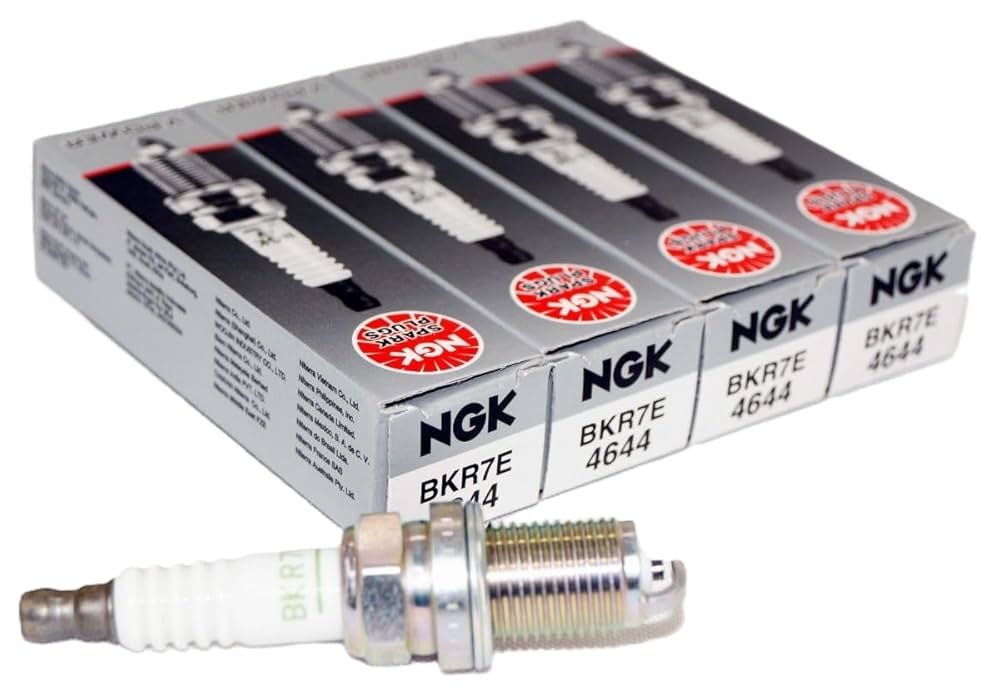
Are you curious about how much spark plugs really cost? Whether you’re a seasoned car enthusiast or just someone trying to keep your vehicle running smoothly, understanding the cost of spark plugs can be crucial.
These small yet vital components can make a big difference in your car’s performance. But with so many options on the market, how do you know if you’re getting the best deal for your needs? In this guide, we’ll break down the factors that influence spark plug prices, so you can make an informed decision.
Get ready to discover everything you need to know about spark plug costs, ensuring your car stays in top shape without breaking the bank. Keep reading to become a savvy shopper and give your vehicle the care it deserves.

Credit: www.amazon.ca
Spark Plug Price Range
Spark plugs come in various types and prices. The cost depends on material, brand, and performance. Understanding the price range helps choose the right one for your vehicle. Prices vary from low-cost to high-end options. Each category offers distinct features and benefits.
Budget Options
Budget spark plugs are affordable and meet basic needs. They usually cost between $2 and $5 per plug. These plugs work well for older cars or simple engines. They may need replacement more often than pricier models. Ideal for drivers who want a quick, cheap fix.
Mid-range Choices
Mid-range spark plugs cost about $6 to $12 each. These provide better performance and longer life than budget options. Made from materials like platinum, they resist wear better. Suitable for modern cars and moderate driving demands. A good balance of cost and quality.
Premium Models
Premium spark plugs range from $13 to $25 or more. Made with iridium or other advanced materials. They offer superior durability and improved engine efficiency. Designed for high-performance or luxury vehicles. Ideal for drivers who want the best engine response and fuel economy.

Credit: www.amazon.ca
Factors Affecting Spark Plug Costs
Spark plug prices vary widely. Several key factors influence how much you pay. Understanding these helps you make smarter choices. Prices depend on what the spark plug is made of, the brand, and the vehicle it fits. Each factor plays a role in the final cost.
Material Types
Spark plugs come in different materials. Common types include copper, platinum, and iridium. Copper plugs cost less but wear out faster. Platinum plugs last longer and cost more. Iridium plugs are the most durable and the priciest. Higher-quality materials improve performance and lifespan. This raises the price but reduces how often you replace them.
Brand Influence
Trusted brands often charge more for spark plugs. They invest in research and quality control. Well-known brands provide reliable and consistent products. Lesser-known brands may offer cheaper options. But quality might not match top brands. Brand reputation affects price and customer confidence.
Vehicle Compatibility
Different vehicles need specific spark plugs. Performance cars require advanced spark plugs. These cost more due to their technology and design. Older or standard cars use simpler plugs. These are usually cheaper. Always check compatibility to avoid extra costs or damage. Custom or rare vehicle plugs tend to be more expensive.
Cost Comparison By Spark Plug Type
Understanding the cost differences among spark plug types can help you make smarter choices for your vehicle’s maintenance. Each type offers unique benefits and price points that affect both your initial expense and long-term performance. Let’s break down the costs so you can decide which spark plug fits your budget and driving needs.
Copper Spark Plugs
Copper spark plugs are usually the most affordable option you’ll find. They often cost between $2 to $5 per plug, making them a budget-friendly choice for older cars or everyday driving.
However, copper plugs wear out faster than others, meaning you’ll replace them more often—typically every 20,000 to 30,000 miles. Have you considered how often you’re willing to swap plugs versus saving money upfront?
Platinum Spark Plugs
Platinum spark plugs fall in the mid-price range, generally costing around $5 to $15 per plug. They last longer than copper plugs, often up to 60,000 miles, which can save you money in the long run.
These plugs deliver better performance and durability, especially if you drive frequently in stop-and-go traffic. Think about how the longer lifespan might reduce the hassle and cost of frequent replacements for your schedule.
Iridium Spark Plugs
Iridium spark plugs are the most expensive, typically priced between $15 to $30 per plug. Their ultra-fine iridium tip offers superior durability and can last 100,000 miles or more.
Though pricier upfront, iridium plugs provide excellent fuel efficiency and smoother engine performance. Would paying more now for fewer replacements and better mileage fit your long-term vehicle care plan?
| Type | Average Cost per Plug | Typical Lifespan (Miles) | Key Benefit |
|---|---|---|---|
| Copper | $2 – $5 | 20,000 – 30,000 | Low upfront cost |
| Platinum | $5 – $15 | 60,000 | Better durability |
| Iridium | $15 – $30 | 100,000+ | Longest lifespan and performance |

Credit: www.amazon.ca
Labor Costs For Spark Plug Replacement
Labor costs for spark plug replacement vary widely. These costs depend on the vehicle type and the mechanic’s hourly rate. Some cars have easy access to spark plugs, while others require more work. The amount of time needed affects the total labor cost. Understanding these costs helps plan your budget for maintenance.
Diy Vs Professional Installation
Doing the replacement yourself saves labor fees. Basic tools like a spark plug socket and ratchet are needed. Watch tutorials to learn the correct steps. Mistakes can cause engine problems. Professional installation ensures the job is done right and fast. Mechanics have experience and proper tools, reducing risk. Labor costs pay for their skill and time.
Typical Service Fees
Labor charges usually range between $40 and $150. Simple spark plug changes take less time and cost less. Complex engines may require more hours and higher fees. Some shops charge a flat rate, others hourly. Labor fees include removing old plugs and installing new ones. Additional services, like checking ignition wires, may add to the cost.
Where To Buy Spark Plugs
Finding the right place to buy spark plugs can save time and money. Various options suit different needs and budgets. Each source offers unique benefits and conveniences. Explore common places to purchase spark plugs below.
Online Retailers
Online stores offer a wide variety of spark plugs. They provide detailed product descriptions and customer reviews. Prices tend to be competitive with frequent discounts. Delivery is usually fast and direct to your door. Perfect for those who prefer shopping from home.
Auto Parts Stores
Local auto parts stores allow you to see products in person. Staff can help recommend the right spark plug for your vehicle. Instant availability means no waiting for shipping. Stores often stock popular brands and sizes. Good choice for quick purchases and expert advice.
Dealerships
Car dealerships sell spark plugs made for specific vehicle models. These plugs match the manufacturer’s specifications exactly. Dealerships provide assurance of quality and compatibility. Prices may be higher than other sources. Ideal for those wanting original parts and peace of mind.
Tips For Saving On Spark Plug Purchases
Saving money on spark plug purchases can be simple with the right approach. Small changes in buying habits can lead to noticeable savings. Focus on strategies that reduce cost without sacrificing quality. Understanding where and how to buy matters a lot. Here are practical tips to help you spend less on spark plugs.
Bulk Buying Benefits
Buying spark plugs in bulk often lowers the price per unit. Auto shops and online stores offer discounts for larger orders. Stocking up means fewer purchases over time. It also reduces shipping costs if buying online. Bulk buying suits those who change spark plugs regularly. Just ensure you store them properly to keep quality intact.
Seasonal Discounts
Many retailers offer discounts during certain seasons or holidays. Sales events like Black Friday or end-of-year clearances are common. Planning your purchase around these times can save money. Watch for special deals from automotive stores and websites. Signing up for newsletters can alert you to upcoming sales. Patience pays off when timing your buy.
Using Coupons And Promo Codes
Coupons and promo codes provide extra savings on spark plugs. These are often found on retailer websites or coupon sites. Some stores offer discounts for first-time customers. Applying these codes at checkout lowers the total cost. Keep an eye on expiration dates to use them in time. Combining coupons with sales can maximize your savings.
Frequently Asked Questions
How Much Do Spark Plugs Typically Cost?
Spark plugs usually cost between $2 and $15 each. Prices vary by brand, vehicle type, and plug quality. High-performance or specialty plugs may cost more. Labor charges for installation are extra if done by a mechanic.
What Factors Influence Spark Plug Prices?
Spark plug prices depend on material, brand, and engine compatibility. Iridium and platinum plugs cost more than copper ones. OEM parts are pricier than aftermarket options. Vehicle make and model also affect the cost.
How Often Should Spark Plugs Be Replaced?
Most spark plugs need replacement every 30,000 to 100,000 miles. Check your vehicle manual for exact intervals. Worn plugs reduce engine efficiency and fuel economy. Regular replacement ensures smooth engine performance and longevity.
Can I Replace Spark Plugs Myself To Save Money?
Yes, replacing spark plugs yourself can save labor costs. You need basic tools and knowledge about your engine. Follow safety precautions and use the correct plug type. DIY replacement is cost-effective but requires care and precision.
Conclusion
Spark plugs cost varies by brand and type. Basic spark plugs are affordable and work well. High-performance plugs cost more but last longer. Installation may add to the total expense. Regular replacement keeps engines running smoothly. Check your vehicle’s manual for recommended plugs.
Spending a little now can save money later. Choose quality plugs to avoid frequent repairs. Remember, spark plugs are key for engine health. Simple parts, big impact. Keep them in good shape for better car performance.





