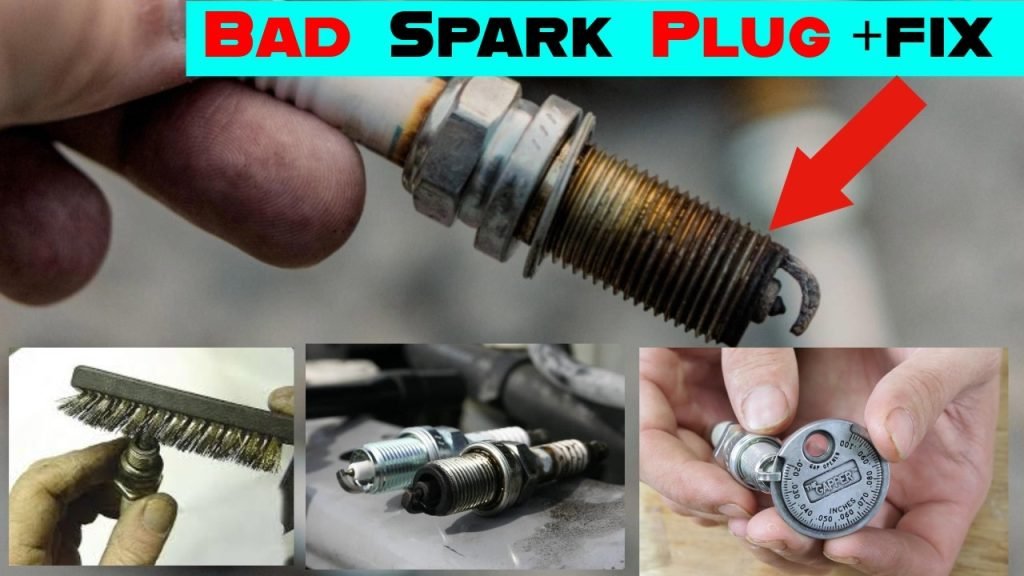
When it comes to your car’s performance, spark plugs might not be the first thing you think of. However, these small components play a crucial role in keeping your engine running smoothly.
But what happens when they go bad? You might find yourself experiencing a range of issues that can not only affect your driving experience but also your wallet. From decreased fuel efficiency to unexpected engine misfires, bad spark plugs can be the hidden culprit behind many common car troubles.
Understanding the potential problems they can cause is the first step in maintaining your vehicle’s health and ensuring a smooth ride. Ready to uncover the impact of faulty spark plugs and how you can prevent costly repairs? Keep reading to protect your car and your peace of mind.

Credit: craigscarcare.com
Signs Of Faulty Spark Plugs
Spotting faulty spark plugs early can save you from costly repairs and frustrating breakdowns. They play a crucial role in igniting the fuel-air mixture in your engine, so any issue with them can affect your car’s overall performance. Here are some clear signs to watch out for that indicate your spark plugs might be failing.
Engine Misfires
Have you noticed your engine suddenly jerking or hesitating while driving? Misfires happen when spark plugs fail to ignite the fuel properly, causing the engine to stumble.
This can lead to rough acceleration and an unpleasant driving experience. If your check engine light comes on alongside these symptoms, faulty spark plugs could be the culprit.
Poor Fuel Economy
Is your car guzzling more fuel than usual? Worn or damaged spark plugs don’t burn fuel efficiently, making your engine work harder and consume more gas.
Pay attention if you find yourself stopping at the pump more often without changing your driving habits. Replacing spark plugs might be the quick fix you need to improve your mileage.
Difficulty Starting Engine
Struggling to start your car can be frustrating and time-consuming. Bad spark plugs can cause weak or inconsistent sparks, making it harder for the engine to ignite the fuel mixture.
If your engine cranks but won’t start easily, especially in cold weather, it’s worth checking your spark plugs before assuming it’s a battery or starter issue.
Rough Idling
Does your car shake or vibrate when idling at a stoplight? Faulty spark plugs can cause uneven combustion in the cylinders, leading to a rough idle.
This not only feels uncomfortable but can also signal deeper engine problems if ignored. Listening closely to your engine’s behavior can help you catch these issues early.
Impact On Engine Performance
Bad spark plugs can significantly affect how your engine performs. They play a vital role in igniting the air-fuel mixture inside the engine’s cylinders. When spark plugs fail to work properly, you’ll notice your car doesn’t run as smoothly or efficiently as it should.
Loss Of Power
Have you ever felt your car struggling to maintain speed on a hill? That’s a common sign of bad spark plugs. Worn or fouled spark plugs create weak or inconsistent sparks, which means incomplete combustion.
This incomplete combustion reduces the engine’s power output. You’ll notice your car feels sluggish, especially when climbing or carrying heavy loads. If you ignore this, your vehicle may struggle to accelerate or maintain speed, affecting your driving confidence.
Increased Emissions
Faulty spark plugs cause poor fuel burning, leading to higher emissions. When fuel doesn’t burn completely, more unburned hydrocarbons exit the exhaust system.
This not only harms the environment but may cause your vehicle to fail emissions tests. If you want to keep your car eco-friendly and avoid fines, keeping your spark plugs in good condition is essential.
Reduced Acceleration
Do you feel a delay or hesitation when you press the gas pedal? Bad spark plugs can cause this frustrating lag. The spark plugs aren’t igniting the fuel-air mixture quickly enough, slowing down the engine’s response.
This delay means your car won’t accelerate as smoothly or quickly as it should. It can make merging onto highways or overtaking other vehicles risky. Regularly checking and replacing spark plugs can help keep your acceleration sharp and reliable.
Potential Engine Damage
Bad spark plugs can cause serious damage to your engine. They affect how well your engine runs and can lead to costly repairs. Ignoring bad spark plugs puts different parts of your engine under stress. Over time, this damage worsens and lowers your car’s performance. Understanding potential engine damage helps prevent bigger problems.
Catalytic Converter Damage
Bad spark plugs cause incomplete fuel burning. This sends unburned fuel into the exhaust system. The catalytic converter then overheats trying to burn this extra fuel. Overheating damages the converter, reducing its efficiency. A damaged catalytic converter can cause higher emissions and poor engine performance. Replacing this part can be very expensive.
Ignition Coil Stress
Ignition coils create the spark that ignites fuel in the engine. Bad spark plugs make the coils work harder. This extra work causes coils to overheat and fail early. When coils fail, your engine may misfire or not start at all. Replacing ignition coils is costly and time-consuming.
Cylinder Wear
Faulty spark plugs cause uneven combustion inside engine cylinders. This leads to abnormal pressure and heat. Over time, this wears down cylinder walls and piston rings. Worn cylinders reduce engine power and fuel efficiency. Severe wear can cause engine knocking and costly repairs.

Credit: www.reddit.com
Causes Of Spark Plug Failure
Spark plugs play a vital role in your engine’s performance. Their failure can cause rough idling, poor fuel economy, and starting issues. Various factors lead to spark plug failure, affecting how well your car runs. Understanding these causes helps in maintaining your vehicle better.
Carbon Buildup
Carbon buildup occurs when fuel does not burn completely. This leaves a layer of soot on the spark plug tip. The soot blocks the spark, reducing ignition efficiency. Dirty spark plugs cause misfires and lower engine power.
Overheating
Overheating damages the spark plug’s metal parts. Extreme heat can melt the electrodes or crack the insulator. This prevents the plug from sparking properly. Overheating often results from engine problems or incorrect spark plug heat range.
Incorrect Gap
The gap between spark plug electrodes must be precise. Too wide or too narrow gaps cause weak or no sparks. Incorrect gaps lead to poor combustion and engine misfires. Proper gap ensures the spark plug fires at the right moment.
Wear And Tear
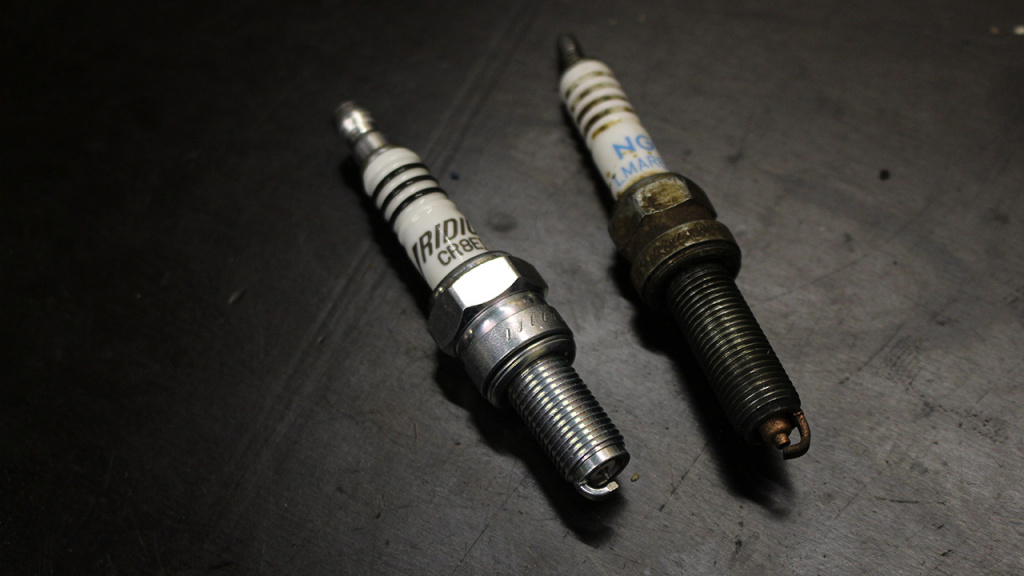
Spark plugs wear out over time due to constant use. Electrodes erode, and the insulator may crack. This natural wear reduces spark strength and ignition reliability. Regular inspection and replacement keep the engine running smoothly.
Preventing Spark Plug Issues
Preventing spark plug issues is essential for a smooth-running engine. Spark plugs ignite the air-fuel mixture inside the engine. Faulty spark plugs cause poor performance, lower fuel efficiency, and hard starts. Taking steps to avoid these problems saves time and money. Simple care routines keep spark plugs working well and extend their life.
Regular Maintenance
Check spark plugs at regular intervals. Clean or replace them as needed. Regular inspections catch wear before it causes engine trouble. Follow the car manufacturer’s service schedule for spark plug checks. Keep the engine clean to prevent dirt build-up around plugs. A clean engine helps spark plugs last longer and work better.
Choosing The Right Spark Plugs
Select spark plugs that fit your vehicle’s make and model. Use the correct heat range for your engine type. Wrong plugs can cause misfires and damage engine parts. Check the owner’s manual or ask a trusted mechanic for advice. Quality spark plugs improve engine performance and fuel efficiency.
Proper Installation
Install spark plugs carefully to avoid damage. Use a torque wrench to tighten them to the correct level. Over-tightening can crack the plug or damage the threads. Under-tightening causes poor contact and misfires. Replace spark plug wires or coils if worn. Proper installation ensures reliable engine starts and smooth running.
When To Replace Spark Plugs
Spark plugs play a key role in your engine’s performance. Knowing when to replace them helps avoid engine problems. Worn-out spark plugs cause rough starts, poor fuel economy, and engine misfires. Pay attention to signs and service intervals to keep your car running smoothly.
Mileage Guidelines
Spark plugs usually last between 30,000 to 100,000 miles. The exact range depends on the type and your vehicle’s make. Check your owner’s manual for recommended replacement mileage. Replacing spark plugs on time prevents engine damage and keeps fuel efficiency high.
Performance Symptoms
Bad spark plugs cause several performance issues. Watch for these signs:
- Engine misfires or rough idling
- Difficulty starting the engine
- Reduced fuel efficiency
- Loss of power during acceleration
- Unusual engine noises or vibrations
Any of these symptoms may mean it’s time to replace the spark plugs.
Professional Inspection
Regular inspections by a mechanic help catch spark plug problems early. Professionals check spark plug condition and gap size. They spot corrosion, wear, and carbon buildup. A quick inspection can save you from costly repairs later. Schedule inspections during routine maintenance visits.
Credit: finntrail.com
Frequently Asked Questions
What Are The Symptoms Of Bad Spark Plugs?
Bad spark plugs cause rough idling, engine misfires, and poor acceleration. You may also notice difficulty starting your car and reduced fuel efficiency.
How Do Bad Spark Plugs Affect Fuel Economy?
Worn spark plugs cause incomplete combustion, leading to higher fuel consumption. This reduces your vehicle’s miles per gallon and increases emissions.
Can Bad Spark Plugs Damage The Engine?
Yes, faulty spark plugs can cause misfires that harm the catalytic converter. Prolonged issues may lead to engine damage or costly repairs.
How Often Should Spark Plugs Be Replaced?
Most spark plugs need replacement every 30,000 to 100,000 miles. Check your vehicle’s manual for the recommended interval to maintain optimal performance.
Conclusion
Bad spark plugs can cause many car problems. They make the engine run rough and waste fuel. The car might struggle to start or stall often. Poor spark plugs also cause higher emissions, hurting the environment. Fixing or replacing them helps your car run smoothly and saves money.
Regular checks keep your engine healthy and strong. Don’t ignore spark plug issues to avoid bigger repairs later. Keep your vehicle in good shape with simple care.





