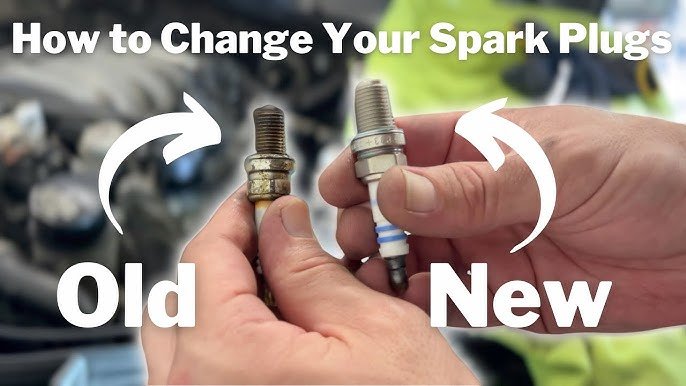
Have you ever wondered why your car isn’t running as smoothly as it used to? Or maybe you’ve noticed a decrease in fuel efficiency?
If so, it might be time to think about changing your spark plugs. Spark plugs play a crucial role in keeping your engine running efficiently. They ignite the fuel-air mixture in the engine, giving your car the power it needs to move.
But over time, they wear out and need replacing. Knowing when to change them can save you from costly repairs and keep your car performing at its best. You’ll discover the signs that indicate it’s time for a change and how regular maintenance can enhance your driving experience. Don’t let worn-out spark plugs slow you down—read on to find out more.
Signs Of Worn Spark Plugs
Worn spark plugs can quietly cause a lot of trouble for your vehicle without you realizing it right away. They are small but vital components that keep your engine running smoothly. Recognizing the signs of worn spark plugs early can save you from costly repairs and frustrating breakdowns.
Engine Misfires
Have you ever felt your car jerk or stumble while driving? That’s often a clear sign of an engine misfire caused by worn spark plugs. When spark plugs fail to ignite the fuel-air mixture properly, the engine struggles to maintain a smooth rhythm.
Misfires can lead to rough idling and unexpected power loss. Ignoring this can damage other engine parts over time, increasing repair costs.
Poor Fuel Economy
Notice your fuel gauge dropping faster than usual? Worn spark plugs can lower your car’s fuel efficiency. When plugs don’t spark efficiently, the engine burns more fuel to compensate.
This means you’ll be visiting the pump more often without any change in your driving habits. It’s a subtle but costly sign that your spark plugs need checking.
Difficulty Starting
Struggling to start your vehicle, especially on cold mornings? Worn spark plugs can cause slow or failed starts. The spark that ignites the engine’s fuel mixture may be weak or inconsistent, making it hard to get your car going.
If you’ve had to try multiple times before the engine catches, it might be time to inspect your spark plugs.
Reduced Acceleration
Does your car feel sluggish when you press the gas pedal? Worn spark plugs can reduce your vehicle’s acceleration and overall power. Without a strong spark, the engine cannot perform at its best, leaving you with a less responsive ride.
Feeling this difference during overtaking or hill climbs is a strong hint that your spark plugs need replacement.
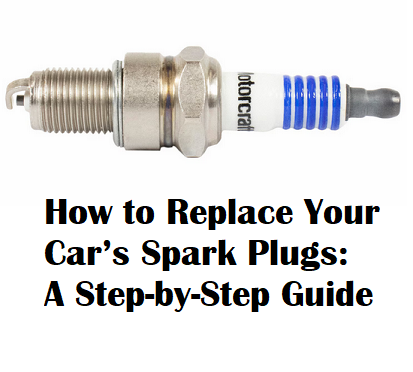
Credit: beachautomotive.com
Recommended Replacement Intervals
Knowing the right time to change spark plugs helps keep the engine running smoothly. Changing them too late can cause poor fuel efficiency and engine trouble. Different factors affect how often spark plugs need replacement. Understanding these can save money and avoid car problems.
Manufacturer Guidelines
Car makers provide clear instructions on spark plug replacement. These guidelines are found in the owner’s manual. Usually, replacement intervals range between 30,000 and 100,000 miles. Following these recommendations helps maintain engine health and warranty coverage. Always check the manual for your car’s specific needs.
Impact Of Driving Conditions
Driving habits affect how quickly spark plugs wear out. Stop-and-go traffic, short trips, and heavy loads cause faster wear. Dusty or wet environments also reduce spark plug lifespan. Regular highway driving allows spark plugs to last longer. Adjust replacement intervals based on your driving style and conditions.
Types Of Spark Plugs And Lifespan
| Type | Average Lifespan (miles) | Notes |
|---|---|---|
| Copper | 20,000 – 30,000 | Good conductor, wears faster |
| Platinum | 60,000 – 100,000 | Longer life, costlier than copper |
| Iridium | 80,000 – 120,000 | Most durable and efficient |
Select spark plugs based on your vehicle and budget. High-quality plugs last longer and improve performance.
Tools Needed For Replacement
Replacing spark plugs is a task that requires the right tools to ensure the job is done correctly and safely. Using improper tools can damage the spark plugs or your engine, costing you more time and money. Having these essential tools at hand makes the process smoother and helps you avoid common mistakes.
Spark Plug Socket
A spark plug socket is specially designed to fit the shape and size of spark plugs. It has a rubber insert or a magnetic core that grips the plug securely, preventing it from falling out during removal or installation.
Using a regular socket can strip the plug’s metal or make it difficult to reach deep plugs. Investing in a high-quality spark plug socket saves you effort and protects your engine components.
Torque Wrench
Many people overlook the importance of a torque wrench, but it’s critical to tightening spark plugs to the manufacturer’s specifications. Too tight, and you risk cracking the plug or the engine’s cylinder head; too loose, and the plug might come undone or cause poor engine performance.
With a torque wrench, you can apply the exact amount of force needed. This tool ensures your spark plugs seal properly and last longer, which you’ll appreciate when your engine runs smoothly.
Gap Gauge
The spark plug gap affects how your engine fires. A gap that’s too wide or too narrow can lead to misfires, reduced fuel efficiency, and rough idling. That’s where a gap gauge comes in handy.
This small but precise tool measures the gap between the center and ground electrodes of the spark plug. Adjusting the gap to the correct measurement recommended for your vehicle helps maintain optimal engine performance.

Credit: www.reddit.com
Step-by-step Replacement Process
Changing your spark plugs can significantly improve your vehicle’s performance and fuel efficiency. Knowing the exact process makes the task less intimidating and helps you avoid costly mistakes. Here’s a clear, practical guide to replacing spark plugs step-by-step.
Locate Spark Plugs
Open your car’s hood and look for the spark plug wires or ignition coils. They typically connect to the engine’s cylinder head. If you’re unsure, your owner’s manual will show the exact location.
Keep in mind, some engines have spark plugs hidden under a cover that you’ll need to remove first. Have a flashlight handy to spot them easily, especially in tight spaces.
Remove Old Spark Plugs
Start by gently disconnecting the spark plug wire or coil pack from the spark plug. Use a spark plug socket and ratchet to loosen and remove the old plugs.
Turn the socket counterclockwise slowly to avoid damaging the threads. If a plug feels stuck, apply a bit of penetrating oil and wait a few minutes before trying again.
Check And Adjust Gap
Before installing new spark plugs, check the gap between the electrodes with a feeler gauge. The correct gap size is crucial for proper engine performance.
Adjust the gap carefully if needed by bending the ground electrode slightly. Don’t guess the measurement; always refer to your vehicle’s specifications.
Install New Spark Plugs
Thread the new spark plugs into the engine by hand first to avoid cross-threading. Once snug, tighten them with a torque wrench to the recommended torque.
Reconnect the spark plug wires or coil packs firmly. Have you noticed smoother idling or quicker starts after doing this yourself? Many car owners say it’s worth the effort.
Tips For Maintaining Spark Plug Health
Keeping spark plugs in good shape helps your car run smoothly and saves money. Simple care can prevent many engine problems. Healthy spark plugs improve fuel efficiency and reduce emissions. Follow these tips to maintain spark plug health and avoid early replacements.
Regular Inspections
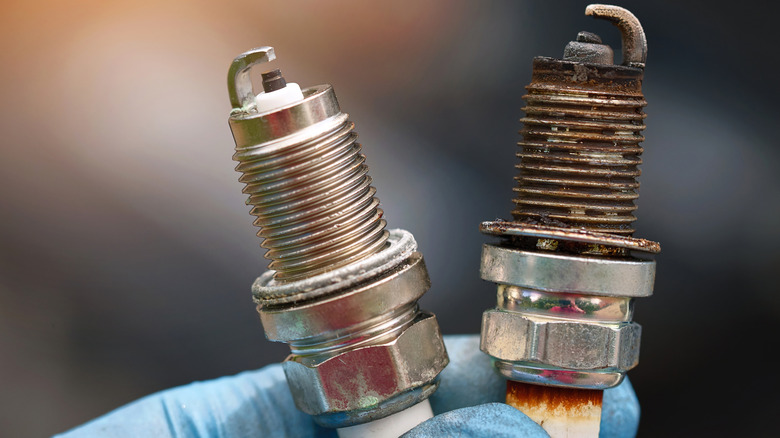
Check spark plugs every 20,000 to 30,000 miles or as your car manual suggests. Look for signs of wear, such as cracks, corrosion, or buildup. Clean or replace plugs showing damage to keep the engine firing correctly. Regular checks catch issues early and keep performance steady.
Use Quality Fuel
Fuel affects spark plug lifespan. Use clean, high-quality fuel to reduce deposits on plugs. Poor fuel causes carbon buildup, which can foul plugs and reduce spark. Good fuel keeps combustion clean and spark plugs working longer.
Address Engine Issues Promptly
Engine problems like misfires or rough idling damage spark plugs. Fix these issues quickly to protect plugs from extra strain. Ignoring engine faults leads to faster wear and costly repairs. Timely fixes keep spark plugs and engine parts healthy.
Credit: www.slashgear.com
Frequently Asked Questions
When Should I Replace Spark Plugs In My Car?
Replace spark plugs every 30,000 to 100,000 miles, depending on the type. Check your owner’s manual for specific intervals. Worn plugs reduce engine efficiency and fuel economy, so timely replacement keeps your car running smoothly.
What Are Signs Of Worn Spark Plugs?
Common signs include engine misfires, rough idling, poor acceleration, and reduced fuel efficiency. If your car struggles to start or runs unevenly, inspect the spark plugs. Early detection prevents further engine damage and costly repairs.
Can I Change Spark Plugs Myself?
Yes, if you have basic mechanical skills and tools, you can change spark plugs. Ensure the engine is cool, use the correct plug type, and follow the vehicle manual instructions. Otherwise, seek professional help to avoid damage.
How Do Spark Plugs Affect Fuel Economy?
Worn spark plugs cause incomplete combustion, wasting fuel and lowering mileage. Fresh plugs improve ignition efficiency, resulting in smoother performance and better fuel economy. Regular maintenance saves money on fuel over time.
Conclusion
Changing spark plugs keeps your engine running smooth and strong. Old plugs can cause rough starts and poor fuel use. Check your car’s manual for the right change time. Watch for signs like engine misfires or slow acceleration. Regular spark plug care saves money on repairs later.
Stay ahead by replacing them on time. Your car will thank you with better power and less pollution. Simple steps keep your ride reliable and safe. Don’t wait—keep those spark plugs fresh for best results.





