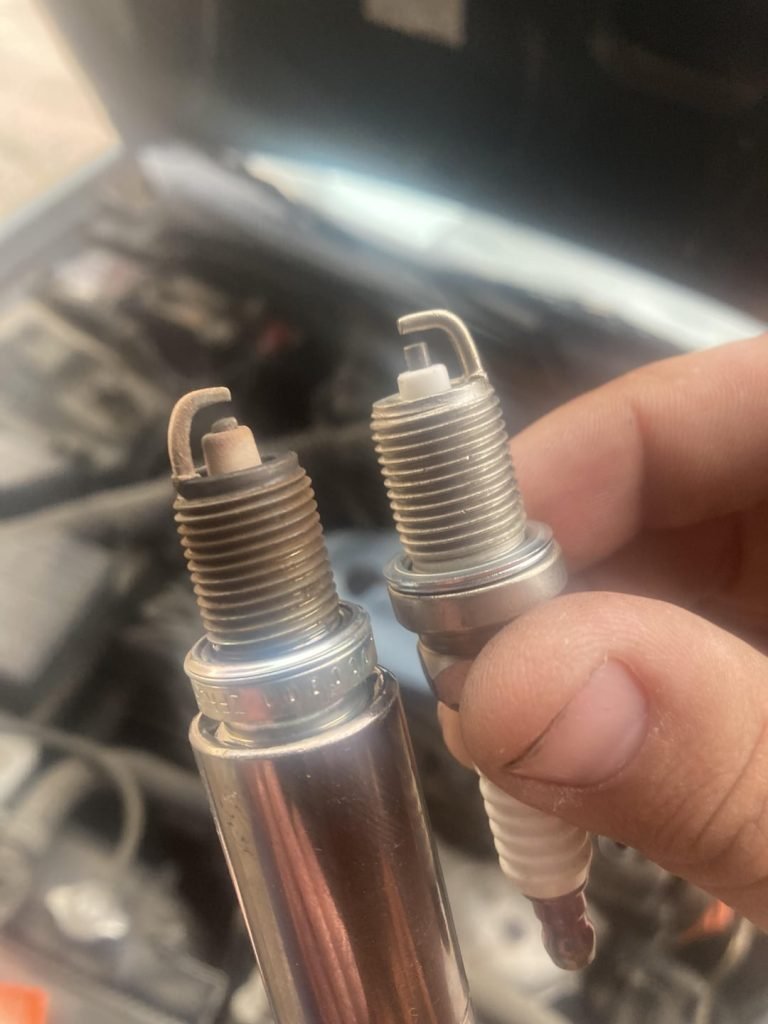
Are you wondering if it’s time to replace your spark plugs? Knowing the condition of your spark plugs is crucial for keeping your vehicle running smoothly and efficiently.
But how can you tell if they are old or new? This guide will walk you through the simple steps to check your spark plugs, saving you time, money, and the hassle of unexpected car troubles. By the end of this article, you’ll feel confident in assessing the state of your spark plugs, ensuring your car performs at its best.
Dive in to discover how a quick spark plug check can make all the difference in your driving experience!
Visual Inspection Tips
Visual inspection is a simple way to check spark plugs for wear or damage. It helps decide if the spark plug needs replacement. A close look can reveal signs of aging or trouble affecting engine performance.
Check Electrode Wear
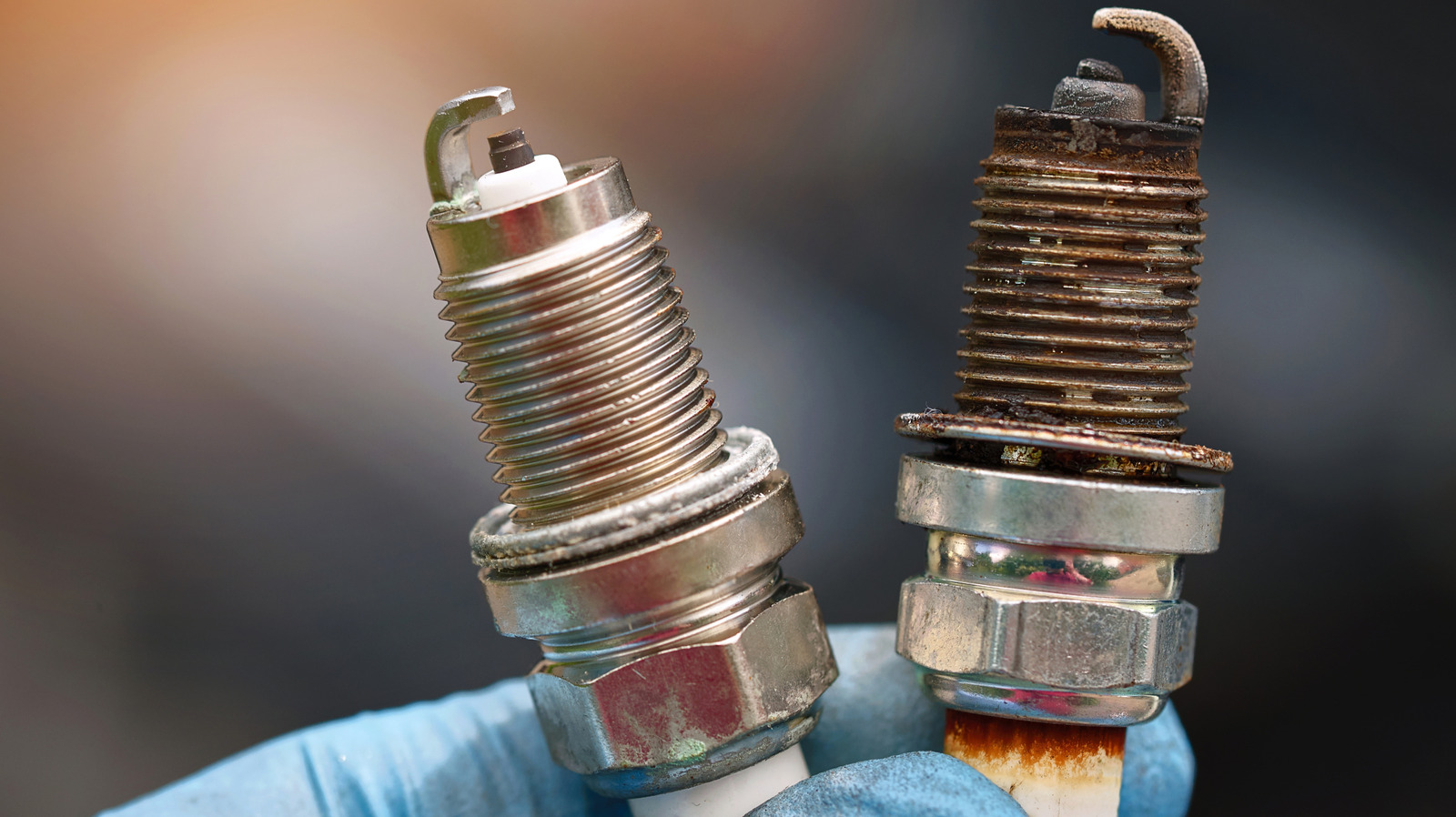
Examine the electrode tip for signs of wear. A sharp, defined edge indicates a new spark plug. Rounded or eroded edges suggest the spark plug is old. Excessive wear can reduce spark quality and engine efficiency.
Look For Deposits
Inspect the spark plug for any buildup on the electrode or insulator. Light tan or gray deposits are normal and show the plug is in good condition. Heavy black, oily, or white deposits may mean the spark plug is worn or the engine has issues.
Inspect For Cracks And Damage
Check the ceramic insulator and metal parts for cracks or chips. Any visible damage can cause misfires or poor engine performance. A damaged spark plug should be replaced immediately to avoid engine problems.
Credit: www.slashgear.com
Performance Clues
Performance clues reveal the condition of your spark plugs. These small parts affect your engine’s overall function. Watch for changes in how your car runs. This helps spot old or worn spark plugs.
Engine Misfires
Engine misfires cause rough running and shaking. The engine may hesitate or jerk during acceleration. This happens when spark plugs fail to ignite fuel properly. Old spark plugs often lead to frequent misfires.
Poor Fuel Economy
Worn spark plugs lower fuel efficiency. Your car uses more fuel than usual. This occurs because incomplete combustion wastes fuel. New spark plugs help maintain good mileage and save money.
Difficulty Starting
Hard starting signals spark plug issues. The engine may crank longer before it starts. Cold weather can make this problem worse. Old spark plugs struggle to produce a strong spark. Replacing them often fixes starting troubles quickly.
Mileage And Time Factors
Understanding the mileage and time factors is key to knowing if your spark plugs are still good or if they need replacing. Spark plugs wear out over time and with use, so both how far you’ve driven and how long your plugs have been installed matter. Paying attention to these elements can save you from unexpected engine troubles and keep your car running smoothly.
Recommended Replacement Intervals
Most manufacturers suggest changing spark plugs between 30,000 to 100,000 miles, depending on the type of spark plug and vehicle. For example, copper plugs often need replacement closer to 30,000 miles, while platinum or iridium plugs can last up to 100,000 miles.
Time also plays a role—spark plugs can degrade even if you haven’t driven much. If your spark plugs have been in place for more than five years, consider replacing them regardless of mileage. Are you tracking your spark plug age as closely as your mileage?
Effects Of Driving Conditions
Your driving habits directly affect how quickly spark plugs wear out. Stop-and-go city driving, frequent short trips, or driving in dusty environments can cause faster wear. On the other hand, steady highway driving tends to be gentler on spark plugs.
If you often drive in harsh conditions, it’s wise to check your plugs more frequently. You might find that replacing them earlier than the recommended interval improves performance and fuel efficiency. How often do you think about the impact your daily drive has on engine parts?

Credit: beachautomotive.com
Testing Methods
Knowing whether your spark plugs are old or new can save you from unexpected car troubles. Testing them is straightforward and doesn’t always require a mechanic. You can use simple tools to check their condition and decide if replacement is necessary.
Using A Spark Plug Tester
A spark plug tester is a handy device that lets you see if the spark plug is firing correctly. You simply attach the spark plug to the tester and crank the engine. If you see a strong, blue spark, your plug is likely good.
Weak or no spark means the plug might be worn out or damaged. I once found a faulty spark plug this way, which explained why my car was misfiring. It’s a quick test that gives you clear results without guesswork.
Multimeter Resistance Check
Using a multimeter to check resistance helps you understand the spark plug’s internal condition. Set your multimeter to the ohms setting and place the leads on the plug’s terminals.
A reading that’s too high or shows infinite resistance indicates the plug is old or faulty. Low resistance generally means the spark plug is still good. This method requires a bit of practice but is very effective for pinpointing problems.
When To Replace
Knowing when to replace spark plugs keeps your engine running smooth. Old spark plugs can cause poor performance and lower fuel efficiency. Regular checks help you avoid costly repairs later. Replace spark plugs based on mileage or visible wear for best results.
Signs You Shouldn’t Ignore
- Engine misfires or runs rough during idle
- Difficulty starting the engine or slow starts
- Reduced fuel economy despite normal driving
- Loss of power or sluggish acceleration
- Visible wear such as eroded electrodes or heavy deposits
- Engine knocking or unusual noises
Choosing The Right Spark Plug
Select spark plugs that match your vehicle’s specifications. Check the owner’s manual for correct size and heat range. Consider plugs made from durable materials like iridium or platinum. Proper spark plugs ensure efficient ignition and longer service life. Avoid cheap or incorrect plugs to prevent engine damage.

Credit: www.youtube.com
Frequently Asked Questions
How Can I Visually Identify Old Spark Plugs?
Old spark plugs usually have worn electrodes and heavy deposits. New plugs appear clean, with sharp edges and no corrosion or carbon buildup.
What Are Common Signs Of Worn Spark Plugs?
Worn spark plugs cause engine misfires, poor fuel economy, and rough idling. These symptoms suggest it’s time to inspect or replace them.
How Often Should Spark Plugs Be Replaced?
Most spark plugs need replacement every 30,000 to 100,000 miles. Check your vehicle’s manual for the recommended interval specific to your model.
Can Spark Plug Color Indicate Its Condition?
Yes, a healthy spark plug is light tan or gray. Black, oily, or white deposits can indicate fouling or engine issues.
Conclusion
Knowing how to tell if spark plugs are old or new helps your car run well. Check for wear, color, and buildup on each plug. Clean and replace them on time to avoid engine problems. Good spark plugs save fuel and keep your car smooth.
Keep an eye on their condition regularly. This simple check keeps your vehicle healthy and ready to drive. Spark plugs matter more than you think. Take care of them, and your car will thank you.





