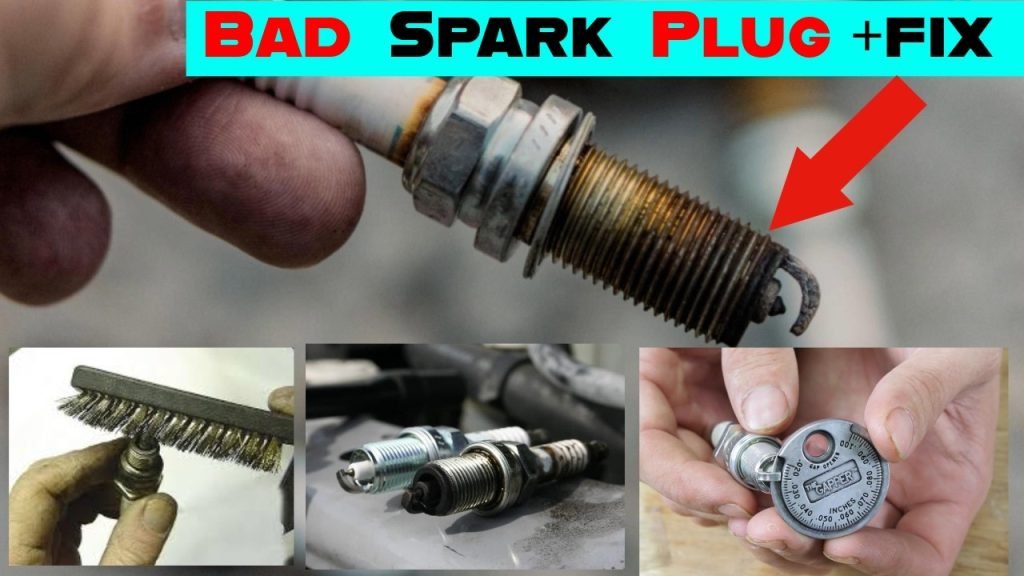
When your car isn’t running as smoothly as it should, it might be more than just a minor glitch. Have you ever wondered if your spark plugs could be the culprit?
These small but mighty components play a crucial role in your vehicle’s performance. If they’re not working properly, you could face issues like reduced fuel efficiency, rough idling, or even engine misfires. But how do you know if your spark plugs are bad?
Recognizing the signs early can save you time, money, and a lot of stress down the road. In this guide, we’ll uncover the telltale signs of failing spark plugs and help you determine if it’s time for a replacement. Stay with us to ensure your car remains in peak condition and avoid unexpected breakdowns.
Credit: finntrail.com
Symptoms Of Faulty Spark Plugs
Faulty spark plugs can cause several noticeable issues in your vehicle. These problems affect engine performance and fuel efficiency. Recognizing the symptoms early helps prevent costly repairs. Here are some common signs that your spark plugs may be failing.
Engine Misfires
Engine misfires happen when spark plugs fail to ignite the fuel-air mix. This causes a sudden loss of power. You may feel jerking or hesitation during acceleration. Misfires also lead to rough running and increased emissions.
Poor Fuel Economy
Bad spark plugs reduce fuel efficiency. They cause incomplete combustion, wasting fuel. Your car may need more frequent refueling than usual. This symptom is a clear sign that spark plugs need checking.
Difficulty Starting The Engine
Worn spark plugs make starting the engine hard. The engine might crank longer before it starts. Sometimes, it won’t start at all without multiple attempts. This issue often occurs in cold weather or after long stops.
Rough Idling
When spark plugs are faulty, the engine idles unevenly. You may hear shaking or vibrating sounds while the car is stopped. Rough idling can make driving uncomfortable and signal spark plug problems.
Visual Clues On Spark Plugs
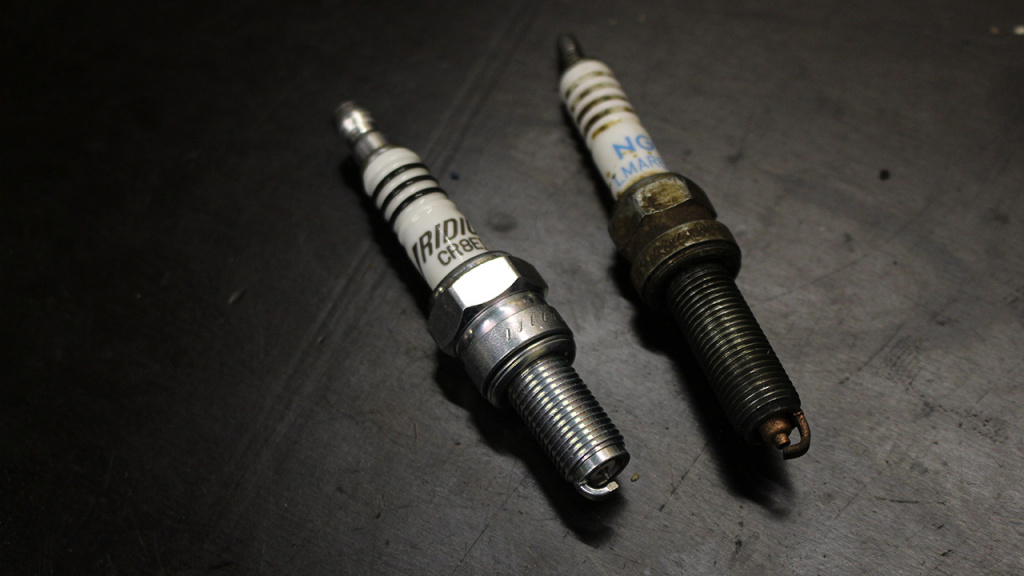
Visual inspection of spark plugs reveals many signs of their condition. Simple clues on the plug’s surface help identify problems early. Checking spark plugs offers insight into engine health and performance. Here are some key visual clues to watch for.
Carbon Deposits
Black, dry soot on the spark plug tip signals carbon deposits. This buildup blocks the spark from firing properly. Causes include running too rich or poor fuel combustion. Carbon deposits reduce engine power and increase fuel use.
Worn Electrodes
Electrodes appear rounded or eroded with wear. Sharp edges should be clearly visible on a good plug. Worn electrodes cause weak sparks and misfires. Replacing plugs restores proper ignition and smooth engine running.
Oil Fouling
Wet, oily deposits on the spark plug indicate oil fouling. Oil leaks into the combustion chamber and coats the plug. This prevents the spark from jumping the gap. Oil fouling causes rough idling and poor acceleration.
Cracked Insulator
Look for visible cracks or chips in the white ceramic insulator. Damage here causes misfires and weak sparks. Cracks allow electrical leakage and reduce plug efficiency. Replace cracked plugs to avoid engine problems.
Impact On Vehicle Performance
Bad spark plugs can seriously affect how your vehicle performs. If you notice your car isn’t running as smoothly or powerfully as before, worn-out spark plugs might be the culprit. Understanding their impact on vehicle performance helps you catch issues early and avoid costly repairs.
Reduced Acceleration
Have you felt your car lagging when you press the gas pedal? Bad spark plugs can cause this sluggish response. They fail to ignite the fuel-air mixture properly, which means your engine doesn’t get the power boost it needs to speed up quickly.
You might notice slower starts or difficulty reaching highway speeds. This can be frustrating, especially if you rely on quick acceleration for merging or overtaking. Checking your spark plugs could save you from these annoying delays.
Engine Surging
Does your engine speed up and slow down unexpectedly while driving? That jerking or surging often points to spark plug issues. When spark plugs misfire, the engine struggles to maintain a steady rhythm.
This can make your drive feel uneven and less safe. You might feel like you’re constantly correcting your speed, which can tire you out on longer trips. Fixing your spark plugs can bring back smooth, steady power delivery.
Increased Emissions
Are you concerned about your car’s environmental impact or failed emissions tests? Worn spark plugs can cause incomplete combustion, leading to higher emissions. This means your vehicle releases more pollutants into the air.
Besides hurting the environment, poor combustion wastes fuel and lowers efficiency. Addressing spark plug problems can help your car run cleaner and reduce the chances of failing emissions inspections.

Credit: www.reddit.com
When To Inspect And Replace
Knowing when to inspect and replace spark plugs helps keep your engine running smoothly. Spark plugs wear out over time and cause poor performance. Regular checks catch problems early, saving money and hassle.
Ignoring spark plug issues leads to rough idling, misfires, and reduced fuel efficiency. Understanding recommended intervals and urgent signs helps protect your vehicle.
Recommended Maintenance Intervals
Most manufacturers suggest checking spark plugs every 30,000 to 50,000 miles. Some modern plugs last up to 100,000 miles. Always follow your vehicle’s owner manual for exact guidance.
Frequent inspections are important if you drive in tough conditions like extreme heat or dusty roads. Regular maintenance ensures spark plugs perform at their best.
Signs Warranting Immediate Replacement
- Engine misfires or struggles to start
- Decreased fuel efficiency without other causes
- Rough idling or unusual engine noises
- Check engine light turns on
- Visible damage or heavy deposits on spark plugs
These symptoms mean spark plugs need quick attention. Delaying replacement can harm the engine and increase repair costs.
Diy Spark Plug Check Tips
Checking your spark plugs at home saves time and money. You can spot issues early and keep your car running smooth. A simple inspection helps detect wear, dirt, or damage that affects engine performance.
Follow these easy tips to check spark plugs safely and correctly. No special skills needed—just a few tools and care.
Tools Needed
- Spark plug socket wrench
- Ratchet and extension bar
- Feeler gauge
- Wire brush or spark plug cleaner
- Torque wrench (optional)
- Gloves and safety glasses
- Rag or cloth
Safety Precautions
- Make sure the engine is cool before starting
- Disconnect the battery to avoid electric shocks
- Wear gloves to protect your hands from dirt and heat
- Work in a well-ventilated area
- Keep loose clothing and hair away from engine parts
Step-by-step Inspection
- Locate the spark plugs by following the ignition wires
- Use the spark plug socket and ratchet to carefully remove one plug
- Check the electrode and insulator for deposits or damage
- Measure the gap with a feeler gauge to see if it matches specs
- Clean the spark plug with a wire brush if it is dirty
- Replace the plug if it is cracked, worn, or too dirty to clean
- Reinstall the spark plug and tighten it to the recommended torque
- Repeat for each spark plug in the engine

Credit: www.reddit.com
Frequently Asked Questions
What Are Common Signs Of Bad Spark Plugs?
Bad spark plugs cause rough idling, engine misfires, and poor fuel economy. You might also notice difficulty starting your vehicle and reduced acceleration. These symptoms indicate that your spark plugs need inspection or replacement.
How Does A Bad Spark Plug Affect Engine Performance?
A faulty spark plug disrupts combustion, leading to weak engine power and stalling. It causes inefficient fuel burning, reducing overall engine efficiency and increasing emissions. Timely replacement improves engine responsiveness and fuel economy.
Can Bad Spark Plugs Cause Engine Misfires?
Yes, bad spark plugs often cause engine misfires. Misfires occur when the spark plug fails to ignite the fuel-air mixture properly. This results in rough running, loss of power, and possible damage to the catalytic converter.
How To Check If Spark Plugs Are Bad?
Inspect spark plugs for carbon deposits, wear, or damage. Look for fouling, cracks, or electrode erosion. If you notice these signs or experience performance issues, it’s time to replace the spark plugs.
Conclusion
Bad spark plugs cause engine trouble and poor fuel use. Watch for rough idling, slow starts, or low power. These signs point to worn or dirty plugs. Replace them to keep your car running smooth. Regular checks help avoid costly repairs later.
Keep spark plugs clean for better engine health. Don’t wait too long; small issues can grow fast. Taking care now saves time and money. Simple steps protect your vehicle and improve driving. Stay alert to these clues and act soon.





