Have you ever wondered what makes your car engine come to life with just the turn of a key? The answer lies in a tiny yet mighty component known as the spark plug.
This small device plays a crucial role in your vehicle’s engine performance, fuel efficiency, and overall driving experience. Understanding what spark plugs do for your car can save you time, money, and even improve your driving pleasure. Imagine a smoother ride, fewer trips to the mechanic, and better gas mileage—all from one small part.
Are you curious to know more? Keep reading to uncover how spark plugs work their magic under the hood and why they’re essential for keeping your car running smoothly.
Role In Engine Ignition
The role of spark plugs in engine ignition is crucial for your car’s performance. They start the combustion process that powers the engine. Without spark plugs, the fuel-air mixture cannot ignite, and the engine won’t run.
Creating The Spark
Spark plugs generate a small electric spark inside the engine’s cylinder. This spark ignites the fuel and air mixture. The spark must be strong and precise to start combustion effectively. It happens in a tiny gap at the tip of the spark plug. The ignition system sends a high voltage current to the spark plug. This current jumps across the gap, creating the spark needed for ignition.
Timing And Combustion
The timing of the spark is vital for engine efficiency. The spark must occur at the right moment during the engine’s cycle. Early or late sparks can cause poor engine performance or damage. Proper timing ensures the fuel burns completely. Complete combustion produces power and reduces harmful emissions. The engine control unit (ECU) controls the spark timing. It adjusts the spark based on engine speed, load, and temperature for optimal performance.
Impact On Performance
Spark plugs play a key role in how well your car performs. They create the spark that ignites the fuel and air mixture inside the engine. This ignition affects many parts of driving, from how much fuel you use to how smoothly your engine runs. Poor spark plugs can cause misfires, rough idling, and lower fuel economy. Good spark plugs help your car work better and last longer.
Fuel Efficiency
Spark plugs help burn fuel fully and cleanly. When they work well, your engine uses less gas. This means you can drive farther on the same amount of fuel. Worn or dirty spark plugs cause incomplete burning. This wastes fuel and lowers your car’s miles per gallon. Replacing spark plugs regularly keeps your fuel efficiency high.
Power Output
Strong sparks lead to better power from your engine. Spark plugs that fire correctly ignite fuel at the right time. This creates more force to move your car. Weak or faulty spark plugs reduce this power. Your car may feel sluggish or slow to respond. New spark plugs restore the engine’s strength and improve acceleration.
Smooth Engine Operation
Good spark plugs help your engine run smoothly. They prevent misfires and rough idling. This means less shaking and noise while driving. Bad spark plugs cause uneven firing and vibrations. This can make your ride uncomfortable and stress engine parts. Keeping spark plugs in good shape ensures quiet, steady engine performance.
Signs Of Worn Spark Plugs
Worn spark plugs can silently affect your car’s performance without you realizing it immediately. Recognizing the signs early can save you from costly repairs and keep your vehicle running smoothly. Let’s look at some common symptoms that indicate your spark plugs might need attention.
Engine Misfires
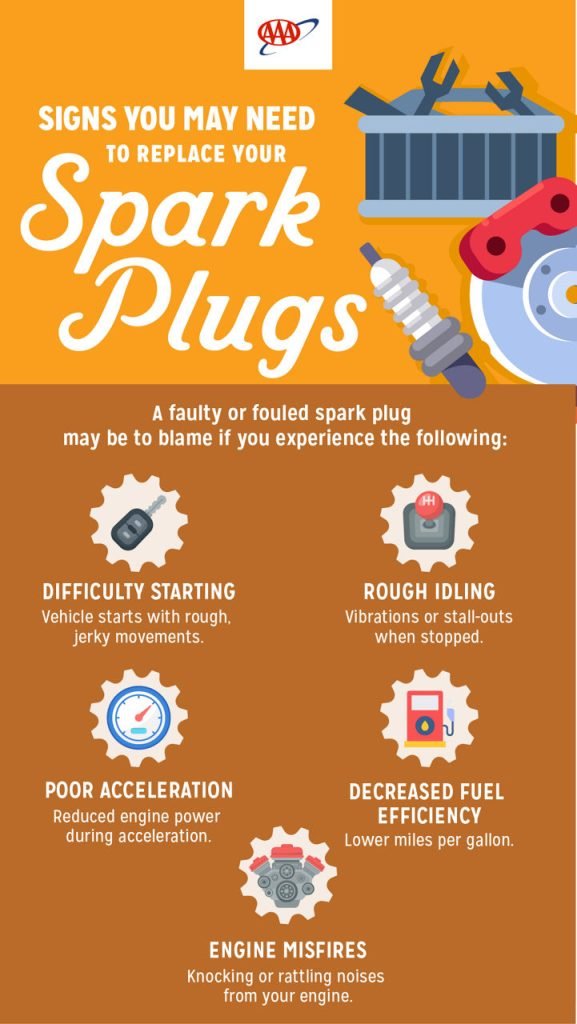
Have you noticed your engine jerking or hesitating while driving? This is often a clear sign of worn spark plugs. Misfires happen because the spark plugs fail to ignite the fuel-air mixture properly, causing uneven combustion.
This can make your car feel rough and less responsive. If you hear popping sounds or feel sudden jolts, it’s time to check your spark plugs.
Poor Fuel Economy
Are you filling up your tank more often than usual? Worn spark plugs can cause incomplete combustion, which means your engine burns more fuel than necessary. This inefficiency directly hits your wallet at the pump.
Tracking your mileage can help you spot this problem early. If your fuel economy drops without any other changes, worn spark plugs might be the culprit.
Difficulty Starting
Does your car struggle to start or take longer to turn over? Spark plugs play a vital role in igniting the engine’s cylinders during startup. When they wear out, they can’t generate the strong spark needed to start your engine quickly.
This can leave you stuck in cold mornings or unexpected situations. Don’t wait until your car won’t start at all—listen to these early warnings.
Credit: motorist.org
Types Of Spark Plugs
Understanding the different types of spark plugs can help you choose the best one for your car’s performance and longevity. Each type offers unique benefits and fits specific engine needs. Let’s break down the main kinds you’ll encounter.
Copper Spark Plugs
Copper spark plugs have a solid copper core, which makes them excellent at conducting electricity. They tend to provide strong performance at a lower cost.
However, they wear out faster than other types, especially in modern engines with higher demands. If you enjoy tuning your engine or drive an older car, copper plugs might be a practical choice.
Platinum Spark Plugs
Platinum spark plugs last longer than copper ones because they have a platinum disc welded to the electrodes. This metal resists wear better, allowing for extended use.
You might notice improved fuel efficiency and smoother starts with platinum plugs. They strike a good balance between cost and durability, making them popular for everyday vehicles.
Iridium Spark Plugs
Iridium spark plugs are the most durable and efficient among the three. Their fine iridium tip requires less voltage to create a spark, helping your engine run cleaner and smoother.
Though they cost more upfront, iridium plugs often save money over time due to their long lifespan and performance benefits. If you want the best ignition and fewer replacements, iridium is worth considering.
Maintenance Tips
Maintaining your spark plugs is key to keeping your car running smoothly. Neglecting them can lead to poor engine performance and increased fuel consumption. Let’s look at some practical maintenance tips that will help you get the most out of your spark plugs.
When To Replace
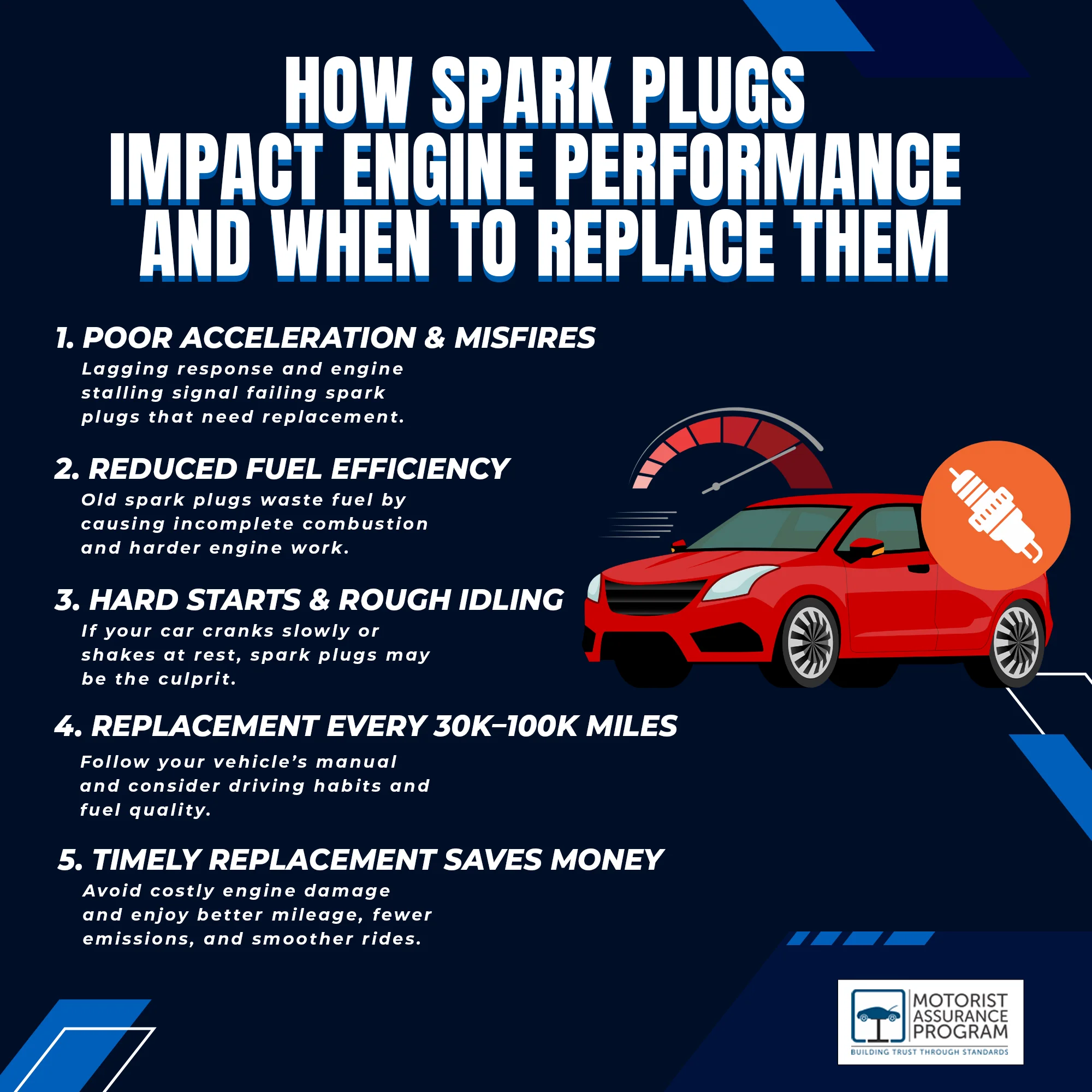
Most spark plugs need replacement every 30,000 to 100,000 miles, depending on your car and the type of plugs used. Check your owner’s manual for specific intervals. If you notice rough idling, difficulty starting, or decreased fuel efficiency, it might be time to replace them sooner.
Have you ever ignored a warning sign, only to spend more on repairs later? Don’t let worn spark plugs catch you off guard.
Cleaning Spark Plugs
Cleaning spark plugs can extend their life if they are not too worn or damaged. Use a wire brush or spark plug cleaner to remove carbon deposits gently. Avoid using harsh chemicals that can damage the ceramic insulator.
Regular cleaning helps maintain a strong spark and better combustion. However, if the electrodes are eroded or cracked, replacement is a safer choice.
Proper Installation
Installing spark plugs correctly is just as important as replacing them on time. Make sure to use the right gap size, which you can check with a gap gauge. Tighten the plugs to the manufacturer’s recommended torque to avoid damage or poor contact.
Have you ever over-tightened a spark plug and stripped the thread? It’s a common mistake that can cause costly repairs. Taking your time during installation pays off in performance and longevity.

Credit: www.chase.com
Choosing The Right Spark Plug
Choosing the right spark plug is crucial for your car’s performance and fuel efficiency. The wrong spark plug can lead to misfires, poor fuel economy, and even engine damage. Understanding what to look for helps you make a smart choice that fits your car’s needs and your driving style.
Compatibility With Vehicle
Every car model requires specific spark plugs designed to match its engine type. Using incompatible spark plugs can cause poor ignition and reduce engine life. Check your owner’s manual or consult a trusted mechanic to find the exact spark plug size, heat range, and thread length your vehicle needs.
Have you ever tried fitting a part that just didn’t feel right? Spark plugs are no different. Installing the correct type ensures a perfect fit and optimal performance.
Driving Conditions
Your driving habits and environment influence the spark plug choice. If you frequently drive in stop-and-go traffic, you might need plugs that handle frequent ignition better. For highway driving or towing heavy loads, plugs with a higher heat range can prevent overheating.
Think about the climate where you live. Cold weather might require plugs that ignite more easily, while hot climates demand plugs that resist fouling. Adjusting your spark plug choice to your driving conditions helps maintain engine efficiency and longevity.
Manufacturer Recommendations
Car manufacturers spend years testing and recommending spark plugs tailored for their engines. Following these recommendations ensures you use plugs that meet the engine’s design and performance standards. Ignoring them might save money upfront but could cost more in repairs later.
Always look for the manufacturer’s part numbers and approved brands. Some manufacturers also offer premium plugs designed to enhance fuel economy and reduce emissions. Are you willing to compromise engine health for a quick fix?
Credit: beachautomotive.com
Frequently Asked Questions
What Role Do Spark Plugs Play In Engine Performance?
Spark plugs ignite the air-fuel mixture inside the engine cylinders. This ignition creates combustion, powering the engine. Proper spark plugs ensure smooth starts and efficient fuel use.
How Often Should You Replace Spark Plugs?
Most spark plugs last between 30,000 to 100,000 miles. Replacement depends on the type and vehicle usage. Regular checks help maintain engine efficiency and prevent misfires.
What Happens If Spark Plugs Fail?
Faulty spark plugs cause engine misfires, poor fuel economy, and rough idling. They can also increase emissions and reduce overall engine power. Timely replacement avoids costly repairs.
Can Bad Spark Plugs Affect Fuel Efficiency?
Yes, worn spark plugs reduce combustion efficiency. This leads to incomplete fuel burning and higher fuel consumption. Replacing spark plugs improves mileage and lowers emissions.
Conclusion
Spark plugs help your car start and run smoothly. They create sparks that ignite fuel inside the engine. This process powers your vehicle and keeps it moving. Worn or dirty spark plugs can cause poor performance or engine trouble. Regular checks and replacements keep your car healthy and fuel-efficient.
Understanding spark plugs helps you care for your car better. Small parts, big impact. Keep them clean and working well for a smoother ride.





