Are your car’s spark plugs looking grimy, and you’re not sure how to clean them? Don’t worry; you’re not alone.
Spark plugs are crucial for your vehicle’s performance, yet they often get overlooked during routine maintenance. Cleaning them not only helps your car run smoother but can also save you money in the long run by improving fuel efficiency and extending the life of your engine.
Imagine driving without the worry of misfires or poor acceleration. Curious about how to achieve this? Dive into this article, and you’ll discover a simple, step-by-step guide to cleaning your spark plugs effectively. Get ready to give your car the boost it needs!
Tools Needed
Cleaning spark plugs requires specific tools to make the job easier and safe. Having the right supplies avoids damage and ensures a thorough cleaning. Gather everything before you start to work efficiently.
Essential Cleaning Supplies
- Spark plug socket wrench – fits spark plugs perfectly
- Wire brush – removes carbon and dirt effectively
- Rag or clean cloth – wipes off loosened debris
- Carburetor or brake cleaner – cleans stubborn deposits
- Compressed air can – blows away dust and small particles
- Gap gauge – checks and adjusts spark plug gap
Safety Gear
- Protective gloves – shield hands from chemicals and sharp edges
- Safety goggles – protect eyes from flying debris
- Mask or respirator – prevents inhaling harmful dust or fumes
- Long sleeves – protect skin from chemical splashes
Credit: www.vanguardpower.com
Removing Spark Plugs
Removing spark plugs might seem straightforward, but it requires careful attention to avoid damage. Taking your time to do this properly sets you up for a smoother cleaning process. Let’s break down how to remove spark plugs safely and efficiently.
Locating Spark Plugs
First, open your car’s hood and look for the spark plug wires or ignition coils. They usually sit on top of the engine block, arranged in a row. If you’re unsure, your vehicle’s manual can point you exactly where to find them.
Once you spot the wires or coils, gently pull them off one by one. Avoid yanking hard; wiggle them slightly to loosen the connection. This prevents any accidental damage to the wires or connectors.
Using The Right Socket
Using the correct socket makes removing spark plugs much easier. Typically, a 5/8-inch or 13/16-inch spark plug socket fits most plugs, but double-check your vehicle’s specifications.
These sockets come with a rubber insert or magnetic feature to grip the spark plug securely. This helps you pull the plug out without dropping it inside the engine bay.
Attach a ratchet wrench to the socket and turn counterclockwise. If the plug feels stuck, don’t force it. Try applying a little penetrating oil and wait a few minutes before trying again.
Avoiding Damage
Spark plugs are delicate, especially the ceramic insulator. Use steady, controlled force when loosening and removing them to avoid cracking.
It’s easy to cross-thread the plug when reinstalling, which can damage the engine. To avoid this, start screwing the plug in by hand before using any tools.
Have you ever stripped a spark plug thread? It’s a hassle that’s preventable with patience and the right technique. Protect your engine by handling each plug carefully from removal to reinstallation.
Inspecting Spark Plugs
Inspecting spark plugs is a crucial part of maintaining your vehicle’s engine performance. By carefully examining these small components, you can catch issues early and prevent costly repairs. Let’s look at how you can tell if your spark plugs are still in good shape or if they need attention.
Signs Of Wear
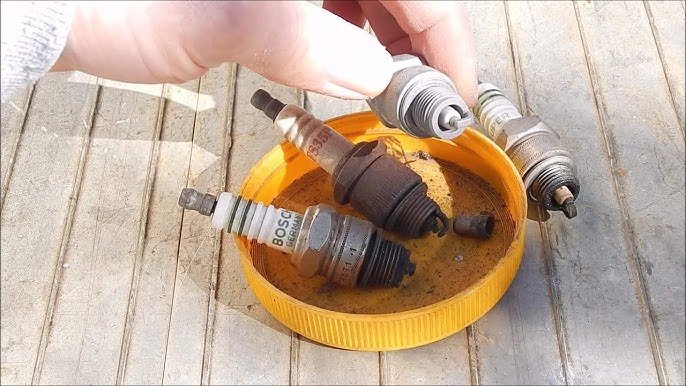
Look closely at the spark plug’s tip. If you notice a thick, black, sooty coating, it could mean your engine is running too rich or the spark plug is fouled.
Cracks or chips in the ceramic insulator are clear signs of damage and will affect the spark plug’s ability to fire correctly.
Also, check for worn or rounded electrodes. These reduce the spark’s strength and can lead to misfires or rough idling.
Have you ever seen a spark plug with a shiny, oily residue? This might indicate oil leaking into the combustion chamber, which could signal a bigger engine problem.
When To Replace Instead
If you find any cracks, heavy deposits, or excessive electrode wear, it’s better to replace the spark plug rather than clean it.
Replacing spark plugs on time can save you from poor fuel economy and engine hesitation. Most manufacturers recommend changing them every 30,000 to 50,000 miles, but check your vehicle’s manual for specifics.
Remember, cleaning might temporarily improve performance, but worn-out plugs won’t deliver consistent sparks. Investing in new spark plugs ensures your engine runs smoothly and efficiently.

Credit: www.youtube.com
Cleaning Methods
Cleaning spark plugs improves engine performance and fuel efficiency. Dirt, oil, and carbon deposits reduce spark plug effectiveness. Proper cleaning restores their function and extends life. Various methods exist to clean spark plugs safely and effectively. Choose one based on available tools and spark plug condition.
Using A Wire Brush
A wire brush removes dirt and carbon buildup from spark plugs. Use a soft wire brush to avoid damaging the electrodes. Hold the spark plug firmly and brush all metal parts gently. Avoid scrubbing the ceramic insulator to prevent cracks. This method works well for light to moderate deposits.
Using Spark Plug Cleaner
Spark plug cleaners use abrasive materials to blast away deposits. These machines spin the spark plug while spraying a cleaning agent. They clean hard-to-reach areas without damaging the plug. This technique is effective for heavy carbon buildup. Professional shops often use this method for thorough cleaning.
Alternative Cleaning Techniques
- Soaking spark plugs in a carburetor cleaner for 30 minutes.
- Using a small pick or toothpick to remove stubborn deposits.
- Applying compressed air to blow away loose dirt.
- Cleaning with fine sandpaper, but use caution to avoid damage.
These methods suit different levels of dirt and available tools. Always handle spark plugs carefully to maintain their integrity.
Reinstalling Spark Plugs
Reinstalling spark plugs is a crucial step after cleaning to ensure your engine runs smoothly. Proper installation helps avoid damage and maintains engine performance. Taking time to check key details guarantees a secure fit and good spark plug function.
Checking Gap Size
Check the gap between the spark plug electrodes before reinstalling. Use a feeler gauge to measure it. The gap should match the vehicle’s specifications. A wrong gap can cause poor engine start or misfires. Adjust the gap gently if needed to avoid damage.
Proper Tightening
Insert the spark plug carefully into the cylinder head. Tighten it by hand first to avoid cross-threading. Use a torque wrench to apply the correct tightness. Over-tightening can damage the threads or the spark plug. Under-tightening might cause poor contact or loosening during use.
Applying Anti-seize Compound
Apply a small amount of anti-seize compound on the spark plug threads. This helps prevent the plug from sticking in the cylinder head. Avoid getting the compound on the electrode or gap. Too much compound can affect spark plug performance. Proper use makes future removal easier and safer.

Credit: www.youtube.com
Maintaining Spark Plugs
Maintaining spark plugs is essential for keeping your engine running smoothly and efficiently. Clean spark plugs ensure better fuel combustion, improved mileage, and reduced emissions. Ignoring their upkeep can lead to rough idling, engine misfires, and increased fuel consumption.
Recommended Cleaning Frequency
How often should you clean your spark plugs? It depends on your vehicle and driving habits, but a good rule of thumb is every 30,000 miles or once a year. If you often drive in dusty conditions or make frequent short trips, consider checking them more often.
Always consult your vehicle’s manual for specific intervals. Regular inspections let you catch buildup before it affects performance. Remember, replacing worn-out spark plugs is sometimes better than cleaning if they show heavy wear or damage.
Tips For Longevity
- Use the right fuel:Poor fuel quality can cause deposits on plugs faster.
- Avoid hard starts:Repeatedly cranking your engine can wear plugs prematurely.
- Keep your engine tuned:A well-maintained engine reduces the chances of fouling your spark plugs.
- Clean plugs properly:Use a wire brush or specialized spark plug cleaner to remove carbon deposits without damaging the electrodes.
- Check gaps:Ensure the spark plug gap matches your vehicle’s specs for optimal spark performance.
I once neglected my spark plugs and noticed a drop in power and fuel efficiency. After cleaning and resetting the gaps, my engine felt like new again. Have you ever experienced a sudden drop in engine performance that a quick spark plug check could have fixed?
Frequently Asked Questions
How Often Should I Clean Spark Plugs?
Spark plugs should be cleaned every 30,000 miles or as recommended by your vehicle manual. Regular cleaning ensures optimal engine performance and fuel efficiency.
What Tools Do I Need To Clean Spark Plugs?
You need a spark plug socket, wire brush, carburetor cleaner, and a gap gauge. These tools help remove deposits and check spark plug condition accurately.
Can I Clean Spark Plugs Without Removing Them?
It’s best to remove spark plugs before cleaning for thorough inspection and cleaning. Cleaning them while installed can be unsafe and less effective.
How Do I Check If Spark Plugs Need Cleaning?
Look for signs like engine misfires, poor fuel economy, or rough idling. Visually inspect for carbon buildup or worn electrodes indicating cleaning or replacement.
Conclusion
Cleaning spark plugs helps your engine run smooth and saves money. You can do it with simple tools and steps. Regular care stops engine problems before they start. Clean plugs improve fuel use and reduce pollution too. Keep an eye on your plugs every few months.
Simple maintenance makes a big difference in your car’s life. Try it yourself and enjoy a better driving experience.





