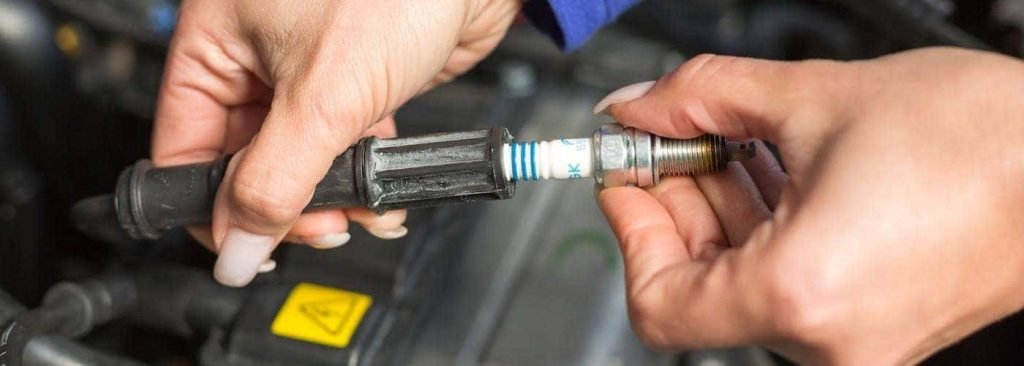
Are you wondering how often you should replace your car’s spark plugs? You’re not alone.
Many drivers overlook this small yet essential component of their vehicle’s engine. But ignoring your spark plugs can lead to bigger issues down the road. Imagine getting stuck in the middle of traffic because your engine won’t start. Frustrating, right?
By understanding when and why to replace your spark plugs, you can avoid unexpected breakdowns and keep your car running smoothly. We’ll dive into the signs that indicate it’s time for new spark plugs, helping you maintain a reliable ride and save money on costly repairs. So, if you want to keep your car in top shape, keep reading!
Credit: modernautoparts.co.za
Role Of Spark Plugs
Spark plugs play a crucial role in your vehicle’s engine, yet they often go unnoticed until problems arise. Understanding their function can help you appreciate why timely replacement matters. Spark plugs ignite the air-fuel mixture inside the engine, making sure your car runs smoothly and efficiently.
How Spark Plugs Work
Spark plugs create a small but powerful spark that ignites the fuel-air mixture in the engine’s cylinders. This spark happens thousands of times per minute while your engine runs. Without a strong spark, the combustion process becomes weak or inconsistent.
Think of spark plugs as tiny ignition points that kickstart the engine’s power stroke. They need to be in good condition to maintain this constant ignition. If they wear out, the spark can become weak or irregular, affecting your engine’s performance.
Impact On Engine Performance
Worn or faulty spark plugs can cause your engine to misfire, leading to rough idling and reduced fuel efficiency. You might notice your car hesitating when you accelerate or struggling to start. These symptoms often point to spark plugs that no longer deliver a reliable spark.
Replacing spark plugs on time can improve fuel economy and reduce emissions. It also helps your engine run more smoothly and prevents damage caused by incomplete combustion. Have you ever experienced a sudden drop in power or strange engine noises? Spark plugs could be the culprit.
Signs Of Worn Spark Plugs
Worn spark plugs affect your car’s performance in clear ways. These signs tell you it’s time for a change. Recognizing them early helps avoid bigger engine problems and saves money. Watch for these common symptoms during your regular checks.
Engine Misfires And Rough Idle
Worn spark plugs cause engine misfires. This means the engine does not fire smoothly. You may notice a jerking or shaking sensation while driving. The car might idle roughly and sound uneven. These issues happen because spark plugs fail to ignite fuel properly.
Decreased Fuel Efficiency
Bad spark plugs lead to poor fuel burning. This lowers fuel efficiency and wastes gas. You might fill your tank more often than usual. The engine works harder to maintain speed. Replacing spark plugs can restore normal fuel use.
Difficulty Starting The Engine
Old spark plugs make starting the car tough. The engine may crank longer before it starts. Sometimes, it fails to start at all. This happens when the spark plugs can’t create enough spark. Changing them often solves this problem quickly.
Recommended Replacement Intervals
Knowing when to replace spark plugs helps keep your engine running smoothly. The recommended replacement intervals vary widely. They depend on the vehicle, spark plug type, and driving habits. Following the right schedule prevents engine misfires and saves fuel. Understanding these factors ensures you change spark plugs at the best time.
Manufacturer Guidelines
Car makers suggest specific spark plug replacement intervals. These appear in the owner’s manual. Most recommend changing spark plugs every 30,000 to 100,000 miles. Some modern vehicles use long-life spark plugs that last up to 100,000 miles. Stick to the manufacturer’s advice for optimal engine health.
Differences By Vehicle Type
Different vehicles need spark plug changes at different times. Smaller cars often require more frequent changes. Trucks and SUVs may have longer intervals. High-performance cars might need spark plug checks more often. Check your vehicle type to find the right replacement schedule.
Effect Of Driving Conditions
Driving style and conditions affect spark plug life. Frequent short trips can cause faster wear. Stop-and-go traffic and heavy loads also reduce spark plug life. Harsh environments like dust or extreme heat add wear. Adjust replacement intervals based on your usual driving conditions.
Types Of Spark Plugs
Spark plugs come in different types, each made from various materials. These materials affect how long the spark plugs last and how well they perform. Knowing the types helps you choose the right one for your car. Here are the main types of spark plugs:
Copper
Copper spark plugs have a solid copper core. They conduct electricity well, giving a strong spark. These plugs wear out faster than others. They need to be replaced more often, usually every 20,000 to 30,000 miles. Copper plugs are often cheaper but not as durable.
Platinum
Platinum spark plugs last longer than copper ones. They have a platinum tip that helps resist wear. These plugs can last about 60,000 miles. They provide better performance and are more reliable for everyday driving. Many modern cars use platinum plugs.
Iridium
Iridium spark plugs are very durable and high performing. They use a thin iridium tip that lasts up to 100,000 miles. Iridium plugs burn fuel more efficiently. They also improve engine start and smooth running. These plugs cost more but save money over time due to their long life.
Steps To Replace Spark Plugs
Replacing spark plugs keeps your engine running smoothly and efficiently. The process requires careful steps to avoid damage and ensure proper installation. Follow these clear steps to replace spark plugs safely and correctly.
Tools Required
- Spark plug socket
- Ratchet wrench
- Socket extension
- Gap gauge tool
- Torque wrench
- Dielectric grease
- Compressed air (optional)
Removal Process
Start by letting the engine cool completely. Remove the ignition coil or spark plug wire carefully. Use compressed air to clear debris around the spark plug. Attach the spark plug socket to the ratchet and extension. Turn counterclockwise to loosen and remove the old spark plug.
Installing New Plugs
Check the new spark plug for damage and correct type. Apply a small amount of dielectric grease to the boot. Insert the spark plug by hand to avoid cross-threading. Tighten with the socket and ratchet until snug. Use a torque wrench to tighten to manufacturer specifications.
Gap Adjustment
Check the spark plug gap using a gap gauge tool. Compare the gap to your vehicle’s manual. Adjust the gap gently by bending the ground electrode. Ensure the gap matches the recommended size for best performance.
Benefits Of Timely Replacement
Replacing spark plugs on time keeps your car running smoothly. It prevents small issues from turning into big problems. Proper maintenance saves money and improves driving experience. The benefits go beyond just starting the engine.
Improved Engine Efficiency
New spark plugs create a strong spark that ignites fuel properly. This leads to better fuel combustion and more power. Your engine runs smoother and uses less gas. You get better mileage and less engine strain.
Reduced Emissions
Worn spark plugs cause incomplete fuel burning. This releases more harmful gases into the air. Fresh spark plugs help burn fuel fully and cleanly. Your car produces fewer pollutants, helping the environment.
Extended Engine Life
Old spark plugs make the engine work harder. This causes wear and tear on parts. Changing spark plugs on time reduces stress on the engine. It helps avoid costly repairs and keeps the engine healthy longer.
Common Mistakes To Avoid
Replacing spark plugs is important for engine performance and fuel efficiency. Many people make mistakes that can cause damage or reduce effectiveness. Avoiding these common errors helps keep your car running smoothly and saves money on repairs.
Over-tightening
Too much force can damage the spark plug or the engine cylinder. It may crack the plug or strip the threads. Use a torque wrench to apply the right pressure. Hand-tighten first, then tighten to the manufacturer’s recommended torque.
Using Incorrect Spark Plugs
Not all spark plugs fit every car. The wrong type can cause poor engine performance or misfires. Check your vehicle’s manual for the correct size and heat range. Using the right spark plug ensures better fuel economy and longer engine life.
Neglecting Regular Checks
Skipping routine inspections can lead to worn-out spark plugs going unnoticed. Dirty or damaged plugs reduce engine power and increase emissions. Inspect spark plugs every 30,000 miles or as recommended. Replace them sooner if you notice engine trouble or rough idling.
Credit: beachautomotive.com
Credit: www.westsideauto.com.au
Frequently Asked Questions
How Often Should Spark Plugs Be Replaced?
Spark plugs typically need replacement every 30,000 to 100,000 miles. Check your vehicle’s manual for exact intervals. Regular replacement ensures optimal engine performance and fuel efficiency.
What Are Signs Of Worn-out Spark Plugs?
Common signs include engine misfires, rough idling, poor fuel economy, and difficulty starting. If you notice any, inspect or replace spark plugs promptly to avoid engine damage.
Can Old Spark Plugs Damage My Engine?
Yes, worn spark plugs can cause misfires and incomplete combustion. This reduces engine efficiency and may lead to costly repairs if not addressed timely.
Are All Spark Plugs Replaced At The Same Time?
Yes, it’s best to replace all spark plugs simultaneously. This ensures balanced engine performance and prevents uneven wear or future issues.
Conclusion
Spark plugs need regular checks to keep your engine running well. Replacing them on time saves money and avoids car trouble. Most cars need new spark plugs every 30,000 to 100,000 miles. Always check your car manual for the best advice.
Clean, working spark plugs help your car start fast and run smooth. Don’t wait for problems to appear; stay ahead with proper care. Your engine will thank you with better performance and fuel efficiency. Simple steps like this keep your car healthy and reliable.





