
Are you struggling to find the spark plug on your push mower? You’re not alone.
This small yet crucial component often plays hide-and-seek with many homeowners. Whether you’re a seasoned gardening pro or just getting started, knowing where your spark plug is can save you time, money, and a whole lot of frustration. Imagine the satisfaction of confidently maintaining your mower, ensuring it starts smoothly every time you need it.
By understanding its location and function, you’re one step closer to becoming the master of your own lawn care. Stick around, and you’ll discover not only where the spark plug is hiding but also tips to keep your mower running like a dream. Let’s dive into it and make sure your mower is always ready to roll.
Push Mower Basics
Understanding push mower basics helps you maintain it better. A push mower is simple but powerful. It uses several parts to cut grass evenly. Knowing these parts makes it easier to find the spark plug and keep your mower running smoothly.
Main Components
- Engine: Powers the mower’s blade and movement.
- Blade: Cuts the grass as you push the mower.
- Handle: Allows you to steer and push the mower.
- Wheels: Help the mower move across the lawn.
- Spark Plug: Starts the engine by igniting fuel.
- Fuel Tank: Holds the gasoline needed to run the engine.
Role Of The Spark Plug
The spark plug creates a small spark inside the engine. This spark ignites the fuel-air mix, starting the engine. Without a working spark plug, the mower will not start. It is a small but vital part of the mower’s function.
Checking the spark plug regularly keeps the mower reliable. Dirt or wear on the plug can cause the engine to stall or not start. Replacing or cleaning it can improve mower performance and extend its life.
Credit: www.familyhandyman.com
Spark Plug Location
The spark plug on a push mower plays a key role in starting the engine. Finding its location helps with maintenance or replacement. Knowing where to look saves time and effort. The spark plug is usually easy to spot once you know where engines commonly place it.
Typical Placement On Engine
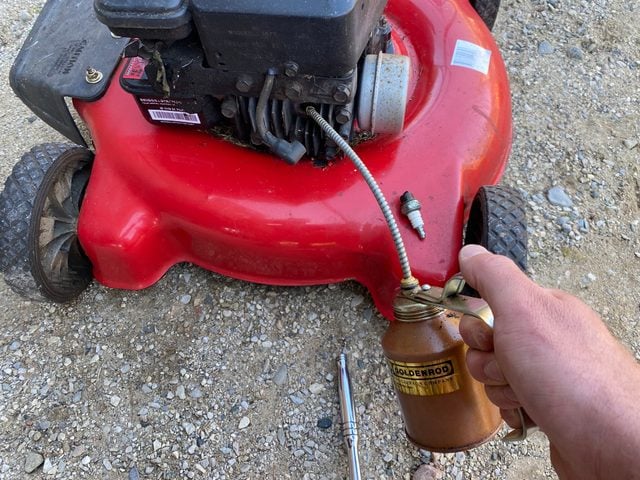
The spark plug is often near the top of the engine. It screws into the cylinder head, which is part of the engine block. You can find it on one side of the engine, sticking out. Most push mower engines have the spark plug facing upward or sideways for easy access.
Its position varies slightly depending on the mower brand and model. Still, it stays close to the engine’s center to ignite the fuel-air mix quickly.
Visual Identifiers
The spark plug has a small metal body with a white ceramic insulator. It connects to a thick wire called the spark plug wire or ignition lead. This wire often has a rubber boot that fits tightly over the plug.
- Look for a metal piece with a thick wire attached.
- The wire usually runs from the spark plug to the ignition coil.
- The ceramic part of the plug is white or light gray and stands out against the engine’s metal parts.
Spotting these features helps you identify the spark plug quickly. It does not blend in with other engine parts.
Finding The Spark Plug
Finding the spark plug on a push mower is easier than many think. Knowing its location helps with maintenance and troubleshooting. The spark plug connects the ignition system to the engine. It creates the spark needed to start the mower.
Usually, the spark plug is near the engine’s top or side. It has a thick wire attached to it. The wire delivers electricity from the ignition coil. This wire is often black or red and easy to spot.
Step-by-step Search
- Turn off the mower and disconnect the spark plug wire.
- Locate the engine on the mower’s frame.
- Look for a small, cylindrical object with a wire attached.
- The spark plug usually sits in the engine block.
- Check around the engine’s side or top for the plug.
- Remove any covers or guards if needed to see better.
Tools You’ll Need
- Screwdriver to remove covers or guards.
- Spark plug socket or wrench for removal.
- Gloves to protect your hands.
- Clean cloth to wipe dirt from the plug area.
Credit: www.searspartsdirect.com
Removing The Spark Plug
Removing the spark plug from a push mower is a simple task. It helps with maintenance and troubleshooting. Before starting, understand the correct way to take it out. This ensures safety and prevents damage to the mower’s engine.
Safety Tips
- Turn off the mower and disconnect the spark plug wire.
- Wait for the engine to cool down completely.
- Wear gloves to protect your hands from dirt and sharp parts.
- Keep the mower on a flat surface to avoid tipping.
- Use tools with insulated handles for extra safety.
Proper Removal Technique
Locate the spark plug on the mower’s engine. It usually has a thick wire attached to the top.
Grip the spark plug boot firmly. Do not pull on the wire itself.
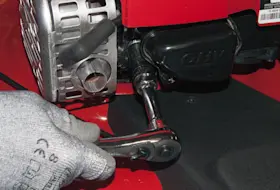
Use a spark plug socket or wrench to turn the plug counterclockwise. It should loosen easily.
Remove the spark plug carefully by hand once it is loose.
Inspect the spark plug for dirt or damage before reinstalling or replacing.
Inspecting And Cleaning
Inspecting and cleaning the spark plug on your push mower is key to keeping it running smoothly. A well-maintained spark plug ensures easy starts and efficient fuel use. Neglecting this simple task can lead to frustrating mower troubles that slow down your yard work.
Signs Of Wear
Look closely at your spark plug for any visible damage or buildup. If the electrode is rounded or worn down, the spark won’t be strong enough. Dark, oily deposits or heavy soot can also block the spark, causing misfires.
Another sign is difficulty starting your mower or the engine running rough. If you notice any of these issues, it’s time to inspect the spark plug carefully. Have you checked yours recently?
Cleaning Methods
Start by removing the spark plug with a wrench. Use a wire brush or a spark plug cleaner to gently scrub away carbon deposits from the electrode and insulator.
If the spark plug is oily, wipe it with a clean cloth before brushing. Avoid using sandpaper, as it can damage the plug’s surface. After cleaning, check the gap with a feeler gauge and adjust it to your mower’s specifications to ensure optimal performance.
Replacing The Spark Plug
Replacing the spark plug on a push mower is important for its smooth running. A worn or dirty spark plug can cause starting problems and poor performance. Changing the spark plug helps the engine run efficiently and saves time in lawn care.
Choosing The Right Plug
Pick a spark plug that matches your mower’s engine. Check the owner’s manual for the exact type and size. Use a plug with the correct heat range and gap. Avoid cheap or generic plugs as they wear out fast. A good spark plug improves fuel use and engine power.
Installation Steps
- Turn off the mower and disconnect the spark plug wire.
- Clean around the spark plug to stop dirt from entering the engine.
- Use a spark plug socket to remove the old plug by turning counterclockwise.
- Check the gap on the new plug with a feeler gauge. Adjust if needed.
- Insert the new spark plug carefully and screw it in by hand to avoid cross-threading.
- Tighten the plug with the socket. Do not overtighten.
- Reconnect the spark plug wire firmly to the plug.
- Start the mower to test if it runs smoothly.
Maintaining Spark Plug Health
Keeping your push mower’s spark plug in top shape is key to smooth starts and efficient mowing. Neglecting spark plug health can lead to frustrating engine troubles, wasted time, and even costly repairs. By staying on top of maintenance, you ensure your mower runs reliably every time you need it.
Regular Checks
Make it a habit to inspect the spark plug every 25 hours of use or at least once a mowing season. Look for signs of wear like carbon buildup, cracks, or a damaged electrode. Cleaning the spark plug with a wire brush or replacing it if it’s worn out can save you from engine misfires.
Have you ever struggled to start your mower on a busy weekend? A quick spark plug check might have prevented that hassle. Simple upkeep can keep your mower ready for action without unexpected delays.
Common Problems To Watch For
Watch out for fouling, which happens when oil or fuel residue covers the spark plug. This stops the spark from igniting the fuel properly, causing rough idling or poor performance. Also, check if the spark plug gap is too wide or too narrow; this can affect engine efficiency.
Another issue is corrosion on the spark plug’s metal parts, often due to moisture exposure. Corroded plugs reduce conductivity and can prevent your mower from starting. If you notice any of these problems, cleaning or replacing the spark plug is a quick fix that restores performance.

Credit: www.reddit.com
Frequently Asked Questions
Where Is The Spark Plug Located On A Push Mower?
The spark plug is usually found on the engine’s side. It’s near the top, attached to the cylinder head. Look for a thick wire leading to a small metal component.
How Do I Access The Spark Plug On A Push Mower?
First, ensure the mower is off and cool. Remove any engine cover if needed. Locate the spark plug wire and gently pull it off to expose the spark plug.
Why Is The Spark Plug Important In A Push Mower?
The spark plug ignites the fuel-air mixture inside the engine. This ignition starts the engine and keeps it running smoothly. Without a working spark plug, the mower won’t start.
How Often Should I Check The Spark Plug On My Mower?
Check the spark plug at least once every mowing season. Inspect it for dirt, wear, or damage. Replace it if the electrode is worn or the plug is dirty.
Conclusion
Finding the spark plug on a push mower is simple once you know where to look. It sits near the engine, usually on the side or top. Checking it helps keep your mower running well. Clean or replace the plug if the mower won’t start.
Regular care makes your mower last longer and work better. Knowing this small part makes lawn care easier and less stressful. Keep your mower ready for every cut.





