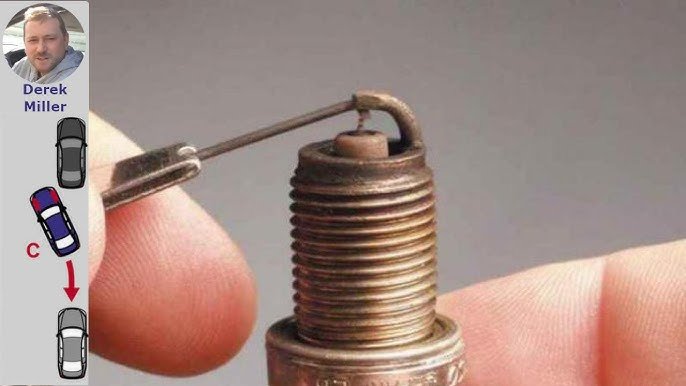
Have you ever wondered why your car might not be running as smoothly as it used to? If you’ve been experiencing sluggish starts, reduced fuel efficiency, or a shaky idle, your spark plugs could be the culprits.
These tiny components play a crucial role in your vehicle’s performance, igniting the fuel-air mixture that powers the engine. But how do you know when it’s time to check them? In this guide, you’ll discover simple steps to inspect your spark plugs and ensure your car is operating at its best.
Don’t wait until a minor issue turns into a costly repair. Equip yourself with the knowledge you need to keep your vehicle in top shape. Let’s dive in and uncover the secrets to maintaining your spark plugs effectively!
Signs Of Spark Plug Issues
Spark plugs play a crucial role in your engine’s performance. Faulty spark plugs can cause several issues that affect how your vehicle runs. Identifying these signs early helps prevent bigger problems and keeps your car running smoothly.
Engine Misfires
Engine misfires feel like sudden jerks or stutters while driving. This happens when the spark plug fails to ignite the fuel-air mix properly. Misfires reduce engine power and cause rough idling. You may also notice unusual noises or vibrations from the engine.
Poor Fuel Economy
Worn spark plugs cause incomplete fuel combustion. This leads to more fuel being used than necessary. You might see your gas mileage drop without changing your driving habits. Poor fuel economy means you spend more on fuel and produce more emissions.
Difficulty Starting
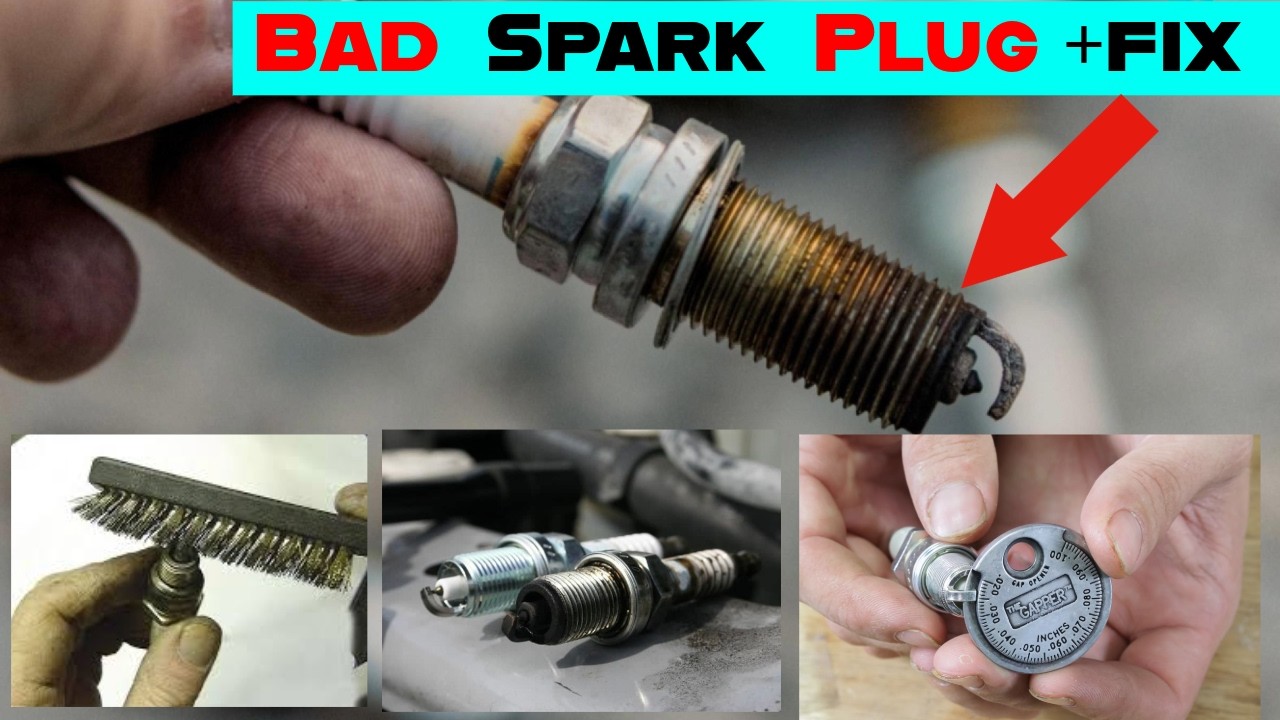
Bad spark plugs make starting the engine harder. Your car may crank longer or fail to start at all. This happens because the spark needed to ignite the fuel is weak or missing. Repeated trouble starting signals it’s time to check the spark plugs.
Credit: www.youtube.com
Tools Needed For Inspection
Checking a spark plug requires a few simple tools. These tools help you remove, measure, and test the spark plug. Each tool plays an important role in the inspection process. Having the right tools makes the job easier and more accurate.
Spark Plug Wrench
A spark plug wrench fits the spark plug perfectly. It allows you to unscrew and remove the plug without damage. Most spark plug wrenches have a rubber grip inside to hold the plug firmly. Choose the correct size wrench for your vehicle’s spark plugs.
Gap Gauge
A gap gauge measures the distance between the spark plug’s electrodes. Correct gap size is essential for proper engine performance. Use the gauge to check if the gap is too wide or too narrow. Adjust the gap carefully with the tool if needed.
Multimeter
A multimeter tests the spark plug’s electrical resistance. It helps find any internal damage or faults. Set the multimeter to measure ohms and touch the probes to the spark plug’s terminals. A good spark plug shows low resistance on the meter.
Removing The Spark Plug
Removing the spark plug is the first important step in checking its condition. This process requires care to avoid damage and ensure safety. Follow clear steps to make the removal smooth and effective.
Locating Spark Plugs
Open the car’s hood and find the engine. Spark plugs are usually on top or side of the engine block. Look for thick wires connected to small, round parts. These are the spark plugs. Some engines have covers that must be removed first.
Disconnecting Wires Safely
Hold the spark plug wire by the boot, not the wire itself. Pull the boot straight out to disconnect. Avoid twisting or yanking the wire. This prevents damage to the wire and the plug. Label wires if needed to remember their positions.
Using The Right Tools
Use a spark plug socket with a rubber insert to grip the plug. Attach the socket to a ratchet wrench. This helps turn the plug without slipping. A socket extension may be needed for deep plugs. Work slowly to avoid breaking the plug.

Credit: www.trodo.com
Visual Inspection Tips
Visual inspection of spark plugs helps spot issues early. It reveals dirt, damage, or wear that affects engine performance. A close look saves time and money on repairs. Use a clean, bright light and a magnifier if needed.
Checking For Deposits
Deposits build up on spark plugs from fuel and engine oil. Look for black, oily residue that shows oil leaks. White or light gray deposits may mean fuel mixture is too lean. Brown or tan color is normal and healthy.
- Heavy black soot means engine runs too rich.
- Greasy deposits signal oil entering combustion chamber.
- Salt-like crust suggests coolant leak or overheating.
Examining Electrode Wear
Electrodes wear down with use, affecting spark quality. Check if the center or ground electrode is rounded or eroded. Sharp edges help spark jump the gap effectively. If worn, the plug needs replacement.
- Gap widening reduces spark strength.
- Uneven wear may cause misfires or rough idle.
- Use a feeler gauge to measure the electrode gap.
Identifying Damage
Look for cracks, chips, or broken insulators on the spark plug. Damaged plugs cause poor ignition and engine problems. Check the ceramic for discoloration or burns. Metal parts should be intact without corrosion.
- Cracked insulators allow air leaks and misfires.
- Burn marks point to overheating issues.
- Corrosion on threads affects proper seating and grounding.
Measuring Spark Plug Gap
Measuring the spark plug gap is a crucial step in ensuring your engine runs smoothly and efficiently. The gap—the space between the center and ground electrode—affects how the spark ignites the fuel-air mixture. Too wide or too narrow a gap can cause misfires, poor fuel economy, or engine hesitation. Let’s look at how you can measure and adjust this gap accurately.
Using A Gap Gauge
A gap gauge is a simple tool designed to measure the spark plug gap with precision. These gauges come in several forms, such as feeler gauges, wire gauges, or plastic card types.
To use one, gently slide the appropriate gauge between the electrodes until you feel slight resistance. If the gauge fits too loosely or not at all, the gap needs adjusting. Many mechanics keep a set of gauges handy, as they’re essential for quick and precise checks.
Adjusting The Gap
Adjusting the spark plug gap requires a delicate touch. If the gap is too small, carefully bend the ground electrode outward using a spark plug gap tool or a small flathead screwdriver.
If the gap is too large, gently tap the electrode inward. Avoid forcing or bending too much, as this can damage the electrode or affect the plug’s performance. It’s better to make small adjustments and re-measure after each change.
Importance Of Correct Gap
Why does the gap size matter so much? The right gap ensures a strong spark that ignites the fuel-air mixture efficiently. A gap that’s too narrow can cause weak sparks and incomplete combustion, while a gap that’s too wide may lead to misfires or hard starts.
Have you ever noticed your car hesitating or stalling unexpectedly? The spark plug gap might be the silent culprit. Checking and setting the correct gap can save you time and money by preventing these issues before they start.
Testing Spark Plug Function
Testing the function of a spark plug is important for your engine’s performance. A working spark plug ignites the fuel mixture properly. This keeps the engine running smoothly and efficiently.
Checking the spark plug involves simple tools and quick tests. These tests help identify if the spark plug needs cleaning or replacement. Proper testing can save time and prevent engine problems.
Using A Multimeter
A multimeter measures the electrical resistance of the spark plug. First, set the multimeter to the ohms (Ω) setting. Touch one probe to the center electrode and the other to the metal shell. The reading should be low, usually between 4,000 and 8,000 ohms.
High or infinite resistance means the spark plug is faulty. A reading of zero indicates a short circuit inside the plug. Either case means the spark plug needs replacement.
Performing A Spark Test
Remove the spark plug from the engine carefully. Connect the spark plug wire to the plug and ground the metal part to the engine. Have someone crank the engine while you watch for a spark.
A healthy spark plug shows a bright blue spark between the electrodes. A weak or no spark means the plug is defective or dirty. Avoid touching the spark plug during this test to prevent shock.
When To Replace
- Visible cracks or damage on the ceramic insulator.
- Electrodes are worn down or rounded.
- Heavy deposits of carbon or oil on the plug.
- Engine misfires or runs rough despite testing.
- High resistance reading on the multimeter.
Regular replacement keeps your engine efficient and reduces fuel waste. Check your vehicle’s manual for the recommended spark plug change interval.
Reinstalling Spark Plugs
Reinstalling spark plugs correctly is key to keeping your engine running smoothly. If you don’t tighten them properly or reconnect the wires correctly, you could face poor engine performance or even damage. Let’s break down the essential steps to ensure your spark plugs go back in safely and effectively.
Proper Torque Application
Applying the right torque when reinstalling spark plugs is crucial. Too tight, and you risk stripping the threads or cracking the plug. Too loose, and the plug may not seal properly, causing misfires.
Use a torque wrench set to your vehicle manufacturer’s specifications. If you don’t have one, tighten the plug until it’s snug, then give it an extra 1/8 to 1/4 turn by hand. This helps avoid over-tightening while ensuring a secure fit.
Reconnecting Wires
After the spark plugs are in place, reconnecting the spark plug wires correctly is just as important. Each wire must match the correct plug to maintain proper firing order.
- Check that the wire boots are clean and free from damage.
- Push the boot firmly onto the plug until you feel or hear a click.
- Double-check each wire’s routing to avoid crossing or tangling.
Have you ever experienced rough idling after spark plug replacement? Misconnected wires could be the cause.
Final Engine Check
Once everything is reinstalled, it’s time to test the engine. Start it up and listen carefully for any unusual sounds or vibrations. Smooth running indicates the spark plugs and wires are in good shape.
Watch for warning lights on your dashboard and monitor fuel efficiency over the next few days. If problems persist, recheck your work or consult a mechanic to avoid long-term damage.
Credit: beachautomotive.com
Maintenance Tips For Longevity
Keeping your spark plugs in top shape is key to ensuring your engine runs smoothly and efficiently. Taking some simple maintenance steps can extend their life and save you from unexpected breakdowns. Let’s look at practical tips that you can start applying today to keep your spark plugs performing well for longer.
Regular Inspection Schedule
Set a clear schedule to check your spark plugs regularly—every 30,000 miles is a good rule of thumb, but check your vehicle’s manual for specifics.
Look for signs like worn electrodes, heavy deposits, or cracks on the ceramic insulator. These are red flags that your spark plug needs attention.
Have you ever ignored a small issue only to face a bigger engine problem later? Regular checks help you catch problems early before they escalate.
Choosing Quality Spark Plugs
Invest in spark plugs made from durable materials like iridium or platinum. They last longer and maintain performance better than standard copper plugs.
Always match the spark plug type and heat range to your engine’s requirements. Using the wrong plug can lead to poor fuel economy or engine knocking.
Don’t let price be your only guide—sometimes spending a bit more upfront saves you money and hassle down the road.
Handling Common Issues
If you notice misfires, rough idling, or difficulty starting, your spark plugs might be the culprit.
Clean minor carbon deposits gently with a wire brush, but avoid aggressive scrubbing that can damage the electrode.
Replace plugs that show signs of severe wear, corrosion, or damage. Keeping spare plugs handy can make quick replacements easier and less stressful.
Frequently Asked Questions
How Do I Know If My Spark Plug Is Bad?
A bad spark plug causes engine misfires, poor fuel economy, and rough idling. Check for worn electrodes, cracks, or heavy deposits. Replace if the engine struggles to start or runs unevenly.
What Tools Do I Need To Check Spark Plugs?
You need a spark plug socket, ratchet wrench, and a gap gauge. A flashlight helps inspect the spark plug condition clearly. Use gloves to protect your hands during removal.
How Often Should Spark Plugs Be Checked?
Check spark plugs every 30,000 to 50,000 miles, or as your car manual suggests. Regular inspections prevent engine problems and maintain optimal performance. Replace them sooner if symptoms occur.
What Does A Fouled Spark Plug Look Like?
A fouled spark plug has black, oily, or sooty deposits on its tip. This indicates oil leaks, rich fuel mixture, or poor combustion. Cleaning or replacing the plug restores engine efficiency.
Conclusion
Checking your spark plug is simple and helps your engine run well. Clean or replace the spark plug if you see dirt or damage. Regular checks can save money and avoid car troubles. Take time to inspect spark plugs every few months.
This small step keeps your vehicle healthy and saves fuel. Easy to do, important to remember. Keep your car strong and smooth by caring for spark plugs.





