
Are you wondering when you should change your spark plugs? You’re not alone.
Many car owners often overlook this small yet crucial component of their vehicle’s engine. But here’s the thing: spark plugs are vital for your car’s performance and fuel efficiency. Ignoring them could lead to costly repairs or, worse, leave you stranded on the side of the road.
Imagine the frustration of being late for an important meeting or missing a family event because of a preventable issue. By understanding when to change your spark plugs, you can keep your car running smoothly and efficiently. Stick with us, and we’ll guide you through the signs to watch for and how often you should consider changing them. Let’s ensure your car remains reliable and ready for any journey you have ahead.

Credit: www.reddit.com
Signs Of Worn Spark Plugs
Knowing the signs of worn spark plugs can save you from unexpected car troubles and costly repairs. Spark plugs play a crucial role in igniting the air-fuel mixture in your engine. When they start to wear out, your vehicle’s performance takes a hit, often in ways you can notice right away.
Engine Misfires And Rough Idling
Have you ever felt your car jerk or hesitate while driving? That’s often a sign of engine misfires caused by worn spark plugs. When spark plugs fail to ignite properly, the engine struggles to run smoothly, leading to rough idling and unpredictable power delivery.
This can make your daily drive uncomfortable and potentially damage other engine components over time. If your engine feels rough or stumbles during acceleration, it’s time to check those spark plugs.
Decreased Fuel Efficiency
Are you filling up your gas tank more often than usual? Worn spark plugs can reduce your engine’s efficiency, causing it to burn more fuel than necessary. Poor combustion means your car isn’t getting the most out of every drop of gas.
Improving fuel economy is not just about saving money; it’s also about reducing your carbon footprint. If you notice a steady drop in miles per gallon, inspecting your spark plugs should be one of your first steps.
Difficulty Starting The Engine
Struggling to start your car in the morning can be frustrating. Worn spark plugs can make the ignition process harder, especially in cold weather. When spark plugs don’t create a strong enough spark, your engine may crank longer or fail to start.
Think about the last time your car hesitated or stalled right after you turned the key. That delay can hint at spark plug issues waiting to worsen. Don’t wait until you’re stuck—addressing spark plugs early can keep your engine reliable.
Recommended Replacement Intervals
Knowing the recommended replacement intervals for spark plugs is key to keeping your engine running smoothly. Changing spark plugs too early can be a waste of money, while waiting too long can cause poor performance or damage. Let’s break down how to determine the right timing based on several important factors.
Manufacturer Guidelines
Your vehicle’s manual is the best place to start. Manufacturers provide specific intervals based on the engine design and spark plug type. These recommendations usually range from 30,000 to 100,000 miles.
Ignoring these guidelines can lead to reduced fuel efficiency and engine misfires. If you don’t have the manual handy, many automaker websites offer online access or apps with this information. Have you checked your car’s official recommendations lately?
Differences Between Spark Plug Types
Not all spark plugs wear out at the same rate. Copper plugs typically need replacement every 20,000 to 30,000 miles. On the other hand, platinum and iridium plugs can last from 60,000 to 100,000 miles or more.
Using the wrong interval for your spark plug type can cause premature wear or engine problems. For example, if you use a copper plug but wait as long as you would for an iridium one, you might face rough starts and decreased power. Check your spark plug’s material before deciding when to replace.
Impact Of Driving Conditions
Your driving habits affect how quickly spark plugs wear out. Frequent short trips, stop-and-go traffic, or towing heavy loads can cause plugs to degrade faster. Dusty or humid environments also add stress to your ignition system.
If you mostly drive in these tough conditions, consider shortening your replacement interval by 20-30%. Have you noticed any changes in your engine’s performance after city driving or long hauls? That might be a sign your plugs need earlier attention.
How To Check Spark Plugs
Checking spark plugs helps maintain your engine’s performance. Regular inspection prevents engine issues and keeps fuel efficiency high. This process is simple and does not require advanced skills.
Visual Inspection Tips
Start by removing the spark plugs carefully. Examine each plug in good light. Look for signs of wear or damage on the electrodes and insulator. Use a magnifying glass for a closer look if needed. Note any cracks, deposits, or erosion. Clean the plugs gently before further inspection.
Tools Needed For Inspection
- Spark plug socket wrench
- Ratchet or breaker bar
- Torque wrench
- Feeler gauge
- Wire brush or spark plug cleaner
- Magnifying glass (optional)
What To Look For
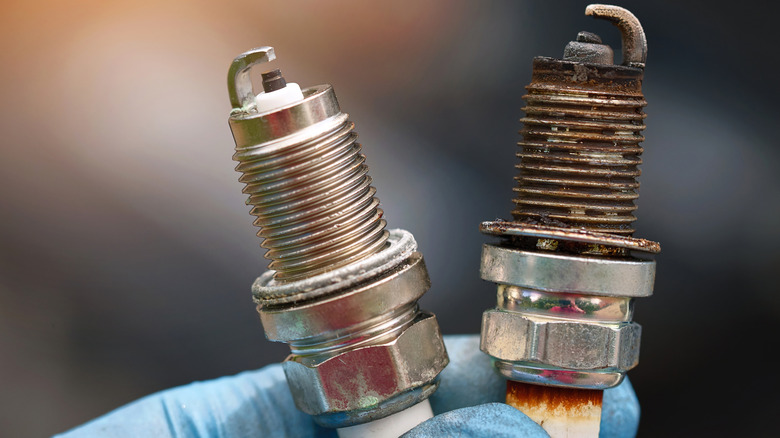
Check the gap between electrodes with a feeler gauge. It should match your vehicle’s specifications. Look for carbon buildup, which appears as black soot. This indicates a rich fuel mixture or oil leak. White deposits may signal overheating. Rust or corrosion shows moisture exposure. Worn electrodes reduce spark efficiency. Replace plugs if you find these signs.
Credit: modernautoparts.co.za
Benefits Of Timely Replacement
Replacing your spark plugs on time offers clear advantages that directly affect how your car runs. Ignoring this simple maintenance can lead to bigger issues and higher costs. Let’s look at why staying on top of spark plug replacement truly matters.
Improved Engine Performance
Fresh spark plugs ignite the fuel-air mixture more efficiently, giving your engine a stronger, smoother start. You’ll notice quicker acceleration and less hesitation when you press the gas pedal.
Think about the last time your car felt sluggish—could worn spark plugs be the reason? Keeping them in good shape means your engine runs as it was designed to, reducing rough idling and misfires.
Better Fuel Economy
Worn spark plugs cause incomplete combustion, which wastes fuel. Replacing them on schedule can help you get the most miles out of every gallon.
This means you spend less on fuel and drive longer distances without refueling. Have you ever tracked your mileage and wondered why it suddenly dropped? Old spark plugs might be the hidden culprit.
Reduced Emissions
Efficient combustion leads to fewer harmful gases released from your exhaust. Timely spark plug replacement helps your car meet emission standards and keeps the air cleaner.
By maintaining your spark plugs, you play a part in reducing pollution. It’s a small step with a big impact on the environment and your community’s health.
Diy Vs Professional Replacement
Deciding between changing your spark plugs yourself or hiring a professional can be tricky. Both options come with their own set of advantages and challenges. Understanding when to take the DIY route versus calling in a mechanic can save you time, money, and stress.
When To Replace Spark Plugs Yourself
If you have some basic tools and a bit of mechanical curiosity, replacing spark plugs can be a straightforward task. Many vehicles have easily accessible spark plugs, making the job less intimidating.
Look for clear instructions in your car’s manual or reliable online guides. You’ll need a spark plug socket, a ratchet, and possibly a gap gauge. If your engine bay is crowded or the plugs are hard to reach, it might get tricky.
Changing spark plugs yourself lets you learn more about your car and can be quite satisfying. Have you ever noticed smoother engine performance right after a spark plug swap? That’s a sign you did it right.
Signs You Need A Mechanic
Some situations are better left to the professionals. If you hear persistent engine misfires, rough idling, or experience a drop in fuel efficiency, it might be more complex than just worn spark plugs.
Mechanics can diagnose if issues stem from faulty wiring, ignition coils, or deeper engine problems. Also, if your vehicle has iridium or platinum spark plugs that require special tools or precise gap settings, a pro’s expertise can prevent costly mistakes.
Have you ever tried a repair that ended up costing more in the long run? Knowing when to ask for help can actually save your wallet.
Cost Considerations
DIY spark plug replacement mostly costs you the price of the plugs and some basic tools if you don’t already own them. Spark plugs vary widely in price, from budget-friendly copper plugs to expensive iridium ones.
Hiring a mechanic adds labor costs, which can range from $50 to $150 depending on your location and vehicle model. However, this fee includes expertise, faster service, and peace of mind that the job is done correctly.
| Aspect | DIY Replacement | Professional Replacement |
|---|---|---|
| Cost | Low (parts + tools) | Higher (parts + labor) |
| Time | Variable, can take longer | Usually quicker |
| Risk | Possible mistakes | Low with expert |
| Learning | High | None |
Are you comfortable investing time to learn and tackle the job yourself, or would you rather pay for convenience and expertise? Your answer will guide your best choice for spark plug replacement.
Tips For Maintaining Spark Plugs
Maintaining your spark plugs properly can save you from unexpected engine trouble and costly repairs. Spark plugs play a critical role in your engine’s performance, so keeping them in good shape is essential. Here are some practical tips to help you extend their life and keep your vehicle running smoothly.
Regular Maintenance Schedule
Check your spark plugs at regular intervals as recommended by your vehicle’s manual. Even if you don’t notice any problems, dirt and wear can build up over time. Staying on top of inspections helps catch early signs of damage, like corrosion or gaps that are too wide.
Have you ever skipped a spark plug check and noticed a sudden drop in fuel efficiency? That’s a clear sign your engine is struggling. Setting reminders or linking spark plug checks with other routine services, like oil changes, can make maintenance easier.
Using Quality Spark Plugs
Not all spark plugs are created equal. Opt for high-quality plugs that match your engine’s specifications. Cheaper alternatives might save money upfront but often wear out faster and cause misfires.
Choosing the right spark plug material—copper, platinum, or iridium—also matters. Iridium plugs last longer and perform better but cost more, while copper plugs are budget-friendly but need more frequent replacement. Think about your driving style and conditions to pick the best fit.
Avoiding Common Mistakes
Many drivers make simple errors that shorten spark plug life. Over-tightening plugs can damage threads, while under-tightening may cause poor contact and misfires. Using the correct torque is key to avoiding these issues.
Another common mistake is neglecting to clean or gap the plugs properly before installation. Even new plugs might need adjustment to fit your engine’s needs. Have you ever experienced rough idling after a plug change? It might be due to improper gapping.
Credit: www.slashgear.com
Frequently Asked Questions
When Is The Best Time To Change Spark Plugs?
Change spark plugs every 30,000 to 50,000 miles for most vehicles. Check your owner’s manual for specific intervals. Regular replacement improves engine performance and fuel efficiency.
What Are Signs Of Worn-out Spark Plugs?
Worn spark plugs cause engine misfires, rough idling, and poor acceleration. You may notice decreased fuel economy and difficulty starting the engine. These signs indicate it’s time to replace your spark plugs.
Can Old Spark Plugs Damage The Engine?
Yes, old spark plugs can cause misfires and incomplete combustion. This leads to engine knocking and potential damage over time. Replacing spark plugs promptly helps maintain engine health.
How Do Driving Habits Affect Spark Plug Life?
Frequent short trips and stop-and-go traffic wear spark plugs faster. High-speed driving generates more heat, also impacting their lifespan. Adjust replacement intervals based on your driving style.
Conclusion
Changing spark plugs on time keeps your car running smooth. Worn plugs cause poor fuel use and engine trouble. Check your car’s manual for the right change intervals. Watch for signs like rough idling or hard starts. Regular checks save money and prevent bigger repairs.
Simple care helps your engine stay healthy longer. Don’t wait until your car shows problems. Act early to avoid unexpected breakdowns. Keep your ride reliable with timely spark plug changes.





