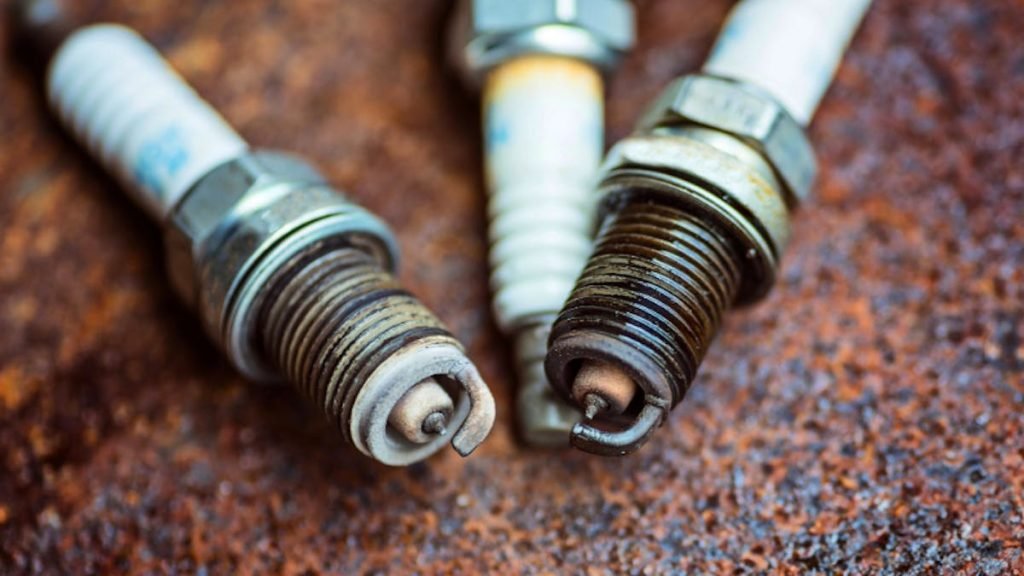
Are you trying to figure out what makes a spark plug good? Maybe your car’s performance isn’t quite what it used to be, or perhaps you’re just curious about how these little components play such a big role in your vehicle’s engine.
Either way, understanding what makes a spark plug good can save you time, money, and a whole lot of frustration. Imagine feeling confident every time you turn the key, knowing your engine will start smoothly and run efficiently. That’s what a good spark plug can do for you.
Let’s dive into what makes these small but mighty parts essential, and why choosing the right ones can make all the difference for your car. Get ready to unlock the secrets of top-notch spark plugs and transform your driving experience.

Credit: www.youtube.com
Key Features Of Quality Spark Plugs
Choosing the right spark plugs can dramatically improve your engine’s performance and fuel efficiency. Quality spark plugs come with specific features that help your vehicle run smoothly and reliably. Understanding these key features can guide you in making the best choice for your car.
Material Types And Their Benefits
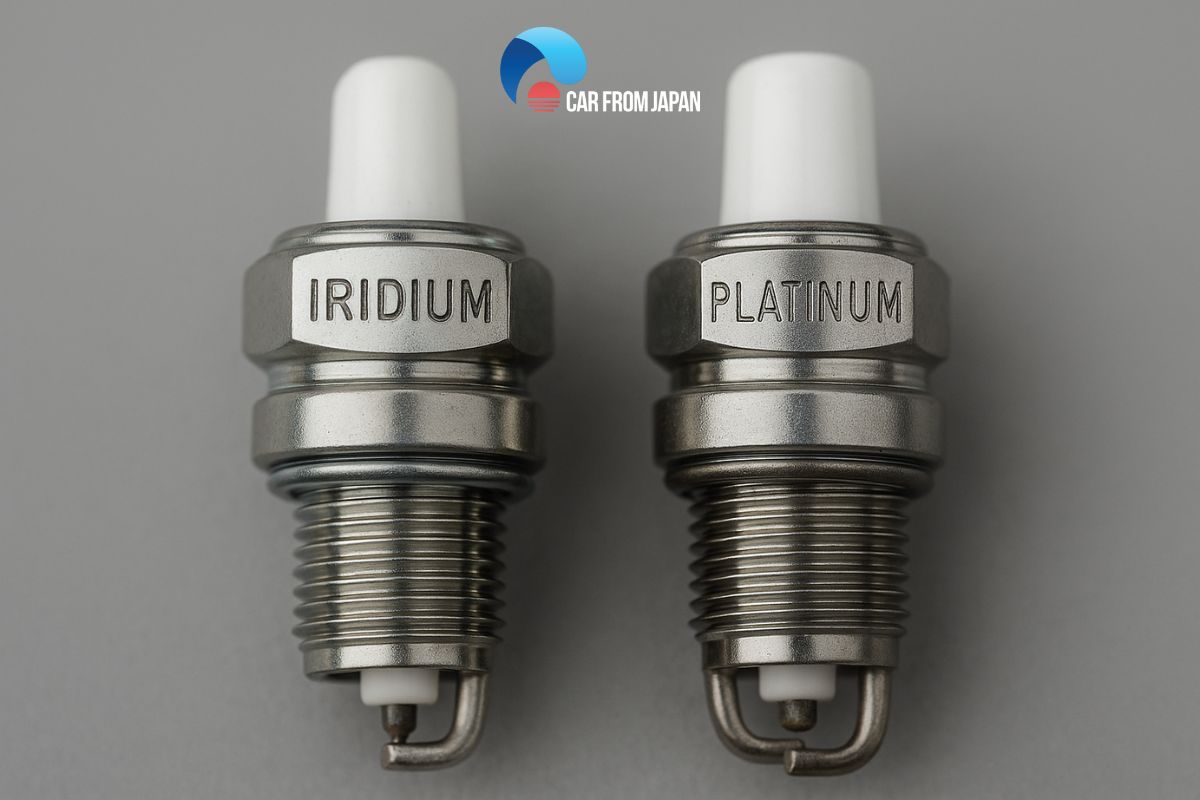
Spark plugs are made from different materials, each offering unique advantages. Copper plugs provide excellent conductivity and are cost-effective, but they wear out faster. Platinum plugs last longer and resist corrosion well, making them a great middle-ground option.
If you want maximum durability, iridium plugs are the way to go. They offer superior performance and longevity, especially in modern engines. Have you noticed how some spark plugs need replacing far more often? The material type plays a big role in that.
Heat Range Importance
The heat range of a spark plug affects how well it handles engine temperature. If the plug runs too hot, it can cause pre-ignition or engine knocking. Too cold, and it might foul quickly, leading to misfires.
Choosing the correct heat range ensures your spark plug stays clean and lasts longer. It’s like finding the right balance for your engine’s operating conditions. What heat range does your vehicle’s manual recommend, and have you ever checked if your plugs match it?
Electrode Design Variations
Electrode design influences the spark plug’s efficiency and ignition quality. Traditional designs have thicker electrodes, which can reduce spark intensity. Newer designs use fine-wire electrodes to create a stronger spark with less voltage needed.
Some plugs feature multiple ground electrodes for better ignition reliability. Others use special coatings to reduce wear and improve spark consistency. Have you ever considered how these subtle design differences impact your car’s startup and fuel economy?
Credit: carfromjapan.com
Top Spark Plug Brands To Consider
Choosing the right spark plugs can significantly affect your vehicle’s performance and fuel efficiency. Knowing which brands stand out helps you invest wisely in quality parts. Let’s look at some top spark plug brands that many car enthusiasts and mechanics trust.
Trusted Oem Manufacturers
OEM spark plugs come directly from your vehicle’s manufacturer or their trusted partners. Brands like NGKand Densooften supply OEM spark plugs for many Asian and European cars. These plugs are made to meet the exact specifications of your engine, ensuring reliable performance and longevity.
Using OEM spark plugs means you get parts designed specifically for your car, reducing the risk of misfires and poor fuel economy. If you want peace of mind and compatibility, starting with OEM options is a smart move.
Aftermarket Alternatives
If you’re looking to save money or try something different, aftermarket spark plugs provide plenty of choices. Brands like Bosch, Champion, and ACDelcooffer spark plugs that fit a wide range of vehicles.
Some aftermarket plugs can even outperform OEM options by using advanced materials or improved designs. However, quality varies a lot, so check reviews and ensure the plugs match your engine’s requirements before buying.
Premium Vs Budget Options
Premium spark plugs usually feature iridium or platinum tips, which last longer and provide better ignition. Brands like NGK’s Iridium IX or Denso’s Iridium Power are great examples. These plugs can improve throttle response and reduce emissions, which might save you money in the long run.
Budget options often use copper cores and may wear out faster but can be sufficient for older cars or daily drivers. If you drive less or maintain your vehicle regularly, budget plugs could be the practical choice. What matters most is matching the plug type to your driving habits and car needs.
Choosing Spark Plugs For Different Engines
Choosing spark plugs depends on the type of engine and its use. Different engines need different spark plugs to perform well. Using the right spark plug helps the engine run smoothly and saves fuel. It also lowers emissions and prevents engine damage.
Each engine type has unique needs. Performance cars, daily commuters, and motorcycles or small engines all require specific spark plugs. Understanding these needs helps pick the best spark plug for each engine.
Performance Cars
Performance cars need spark plugs that can handle high speeds and temperatures. Iridium or platinum spark plugs work best. They last longer and provide a strong spark for better combustion. This improves power and throttle response.
These spark plugs also resist fouling. They keep the engine running at its peak during fast acceleration and high RPMs. Using the wrong plug can cause misfires and reduce performance.
Daily Commuters
Daily commuter cars benefit from spark plugs designed for fuel efficiency and durability. Copper spark plugs suit older engines and cost less. Platinum spark plugs fit newer models and last longer.
Choose plugs that offer steady performance and low maintenance. They help keep fuel consumption down. This reduces the cost of daily driving and lowers emissions.
Motorcycles And Small Engines
Motorcycles and small engines need spark plugs that fit compact designs. These plugs must ignite quickly and work well in varying conditions. Copper spark plugs are common here due to their good conductivity and low price.
Some high-performance motorcycles use iridium plugs for better spark and durability. Always check the engine manual for the right spark plug size and heat range. Proper spark plugs prevent starting problems and engine damage.
Installation And Maintenance Tips
Installing and maintaining spark plugs correctly ensures your engine runs smoothly. Proper care extends spark plug life and improves vehicle performance. Follow key tips for installation and maintenance to avoid common issues and costly repairs.
Proper Gap Setting
The spark plug gap affects engine efficiency and fuel use. Use a gap gauge tool to measure the distance between the electrodes. Adjust the gap according to your vehicle’s manual. A correct gap ensures strong sparks and smooth engine running.
Torque Specifications
Tighten spark plugs to the recommended torque to avoid damage. Too much force can crack the plug or harm the threads. Too little force causes poor contact and misfires. Use a torque wrench and follow the vehicle manufacturer’s guidelines.
Signs Of Spark Plug Wear
Check spark plugs regularly for signs of wear. Look for:
- Black soot or carbon deposits
- Worn or rounded electrodes
- Cracks or chips on the ceramic insulator
- Oil or fuel fouling
Replace worn spark plugs promptly to maintain engine health and performance.
Impact On Engine Performance
Good spark plugs play a key role in engine performance. They help ignite the fuel-air mix properly. This ignition affects how smoothly the engine runs. Proper sparks mean better combustion, which impacts fuel use, power, and emissions. Choosing the right spark plugs can improve driving experience and engine health.
Fuel Efficiency Improvements
Efficient spark plugs create a strong, consistent spark. This leads to complete fuel burning. Complete combustion means less wasted fuel. Engines with good spark plugs use fuel more wisely. Drivers notice fewer trips to the gas station. Lower fuel consumption saves money and reduces environmental impact.
Power And Acceleration Gains
Good spark plugs produce quick and reliable sparks. This helps the engine reach full power faster. Smooth ignition improves throttle response and acceleration. Cars feel more responsive and lively. The engine runs without hesitation or misfires. Power delivery becomes steady and strong.
Emissions Reduction
Proper spark plugs reduce unburned fuel in exhaust gases. Cleaner combustion lowers harmful emissions. This helps meet environmental regulations. Engines run cleaner and produce less smoke. Reduced emissions mean better air quality and less pollution. Good spark plugs contribute to a greener drive.

Credit: www.youtube.com
Frequently Asked Questions
What Makes A Spark Plug Good For My Vehicle?
A good spark plug offers reliable ignition, durability, and efficient fuel combustion. It fits your engine’s specifications and enhances performance and fuel economy.
How Often Should I Replace Good Quality Spark Plugs?
Typically, good spark plugs last between 30,000 to 100,000 miles. Check your vehicle’s manual for specific replacement intervals to maintain optimal engine function.
Are Iridium Spark Plugs Better Than Others?
Yes, iridium spark plugs provide longer life, better ignition, and improved fuel efficiency compared to copper or platinum plugs. They handle high temperatures well.
Can Good Spark Plugs Improve Fuel Efficiency?
Absolutely. Quality spark plugs ensure efficient fuel burning, which reduces waste. This leads to better mileage and lower emissions, saving you money on fuel.
Conclusion
Good spark plugs help your engine run smooth and save fuel. They start your car easily and keep it healthy. Choose spark plugs that fit your vehicle well. Check them regularly to avoid car trouble. Clean and replace spark plugs on time for best results.
Remember, simple care keeps your engine strong and lasting longer. Spark plugs matter more than many think. Invest time in choosing the right ones. Your car will thank you with better performance every day.





