
Ever found yourself puzzled over the simple yet crucial task of removing a spark plug? You’re not alone.
This small component is often the unsung hero of your vehicle’s engine, playing a pivotal role in igniting the fuel-air mixture. Whether you’re a seasoned DIY enthusiast or a curious beginner, knowing how to properly take a spark plug out can save you time, money, and a trip to the mechanic.
Imagine the satisfaction of confidently handling this task on your own. In this guide, we’ll walk you through each step with clarity and simplicity, ensuring you can tackle this with ease. Ready to unlock the secrets to maintaining your vehicle’s performance? Let’s dive in!
Tools Needed
Before you start removing a spark plug, gathering the right tools can make the process smoother and prevent damage to your engine. Having the essential tools on hand saves time and helps you avoid frustration. It also ensures you can work safely and efficiently, especially if it’s your first time tackling this task.
Essential Spark Plug Tools
- Spark Plug Socket:This is a special socket designed to fit spark plugs perfectly. It usually has a rubber insert to grip the plug and prevent it from falling out.
- Ratchet Wrench:A ratchet wrench provides the leverage you need to loosen and tighten spark plugs easily. A 3/8-inch drive ratchet is commonly used for this task.
- Extension Bar:Sometimes spark plugs are recessed deep in the engine. An extension bar helps reach those hard-to-access plugs without straining your hands.
- Torque Wrench:Tightening spark plugs to the right torque is crucial to avoid damage. A torque wrench lets you apply the precise amount of force recommended by your vehicle’s manufacturer.
- Compressed Air or Brush:Before removing the plug, cleaning the area with compressed air or a brush prevents dirt from falling into the cylinder.
Optional Accessories
- Spark Plug Gap Tool:If you plan to check or adjust the gap on your spark plugs, this simple tool measures the space between the electrodes.
- Anti-Seize Compound:Some mechanics use a small amount of anti-seize on the threads to make future removal easier, but be cautious not to overuse it.
- Magnetic Pickup Tool:Dropping a spark plug or small parts can be frustrating. A magnetic pickup tool can save you time and hassle retrieving dropped items.
- Gloves and Safety Glasses:Protect your hands and eyes from dirt, debris, and accidental scrapes while working under the hood.
- Flashlight or Work Light:Good lighting is important. A flashlight helps you see clearly, especially in tight or dim spaces.
Have you ever tried removing a spark plug without the proper socket and ended up damaging the plug? Investing in these tools is a small price for a job done right. What tools do you already have in your garage that might come in handy for this task?

Credit: shop.advanceautoparts.com
Preparation Steps
Proper preparation is key before removing a spark plug. It ensures safety and makes the process smoother. Taking time to prepare helps avoid damage to the engine and tools.
Follow these important steps to get ready for spark plug removal.
Ensure Engine Is Cool
Never touch a spark plug when the engine is hot. Hot parts can cause burns or damage. Wait at least 30 minutes after turning off the engine. This lets metal parts cool down and contracts, making removal easier and safer.
Locate The Spark Plug
Identify the exact spot of the spark plug on your engine. Most engines have multiple spark plugs. Look for thick wires connected to the plugs. These wires carry electricity to the spark plugs. Check your vehicle manual if unsure about the location.
Clean The Area Around The Plug
Remove dirt and debris around the spark plug before removal. Use a brush or compressed air to clear dust. Cleaning prevents dirt from falling into the cylinder. It keeps the engine clean and protects internal parts.
Removing The Spark Plug
Removing the spark plug is a crucial part of maintaining your engine’s performance. It might seem tricky at first, but with the right approach, you can do it safely and efficiently. Let’s break down the process into clear, manageable steps so you can handle this task confidently.
Disconnecting The Spark Plug Wire
Before you touch the spark plug, you need to disconnect the spark plug wire carefully. Pull the boot, not the wire itself, to avoid damaging the connection. If the boot feels stuck, gently twist it back and forth while pulling.
Have you noticed how some wires seem glued on? That’s often dirt or corrosion. Cleaning the area around the boot with a rag can help loosen it up and prevent debris from falling into the spark plug hole.
Using The Spark Plug Socket
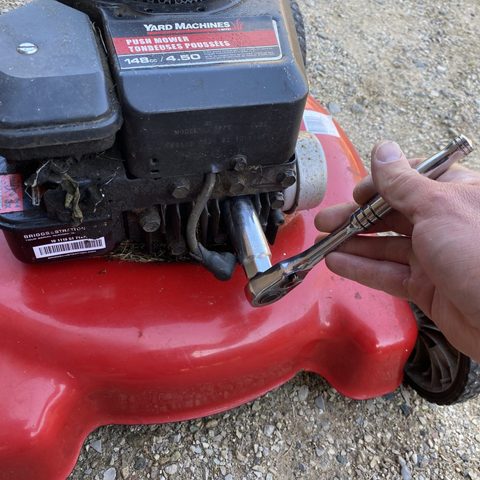
Using the right tool makes all the difference. A spark plug socket is specially designed with a rubber insert that grips the plug securely. Attach it to a ratchet or a breaker bar for better leverage.
Make sure the socket fits snugly over the spark plug. If you don’t have a spark plug socket, using a regular socket can strip the plug’s edges, making removal much harder. Investing in a proper socket saves time and frustration.
Turning And Extracting The Plug
Once your socket is attached, turn it counterclockwise to loosen the spark plug. Use slow, steady pressure to avoid breaking the plug inside the engine. If it feels stuck, don’t force it—try spraying a little penetrating oil and wait a few minutes.
After loosening, carefully pull the spark plug out with the socket still attached. Keep it straight to avoid damaging the threads. Have you ever had a plug break or get stuck? Taking your time during this step prevents costly repairs.
Credit: beachautomotive.com
Common Issues
Removing a spark plug might seem straightforward, but several common issues can complicate the process. These problems not only slow you down but can also cause damage to your engine if you’re not careful. Understanding these challenges helps you prepare better and avoid costly mistakes.
Dealing With Stuck Spark Plugs
Stuck spark plugs are a frequent headache, especially if they’ve been in place for years. Rust and debris often cause them to seize tightly in the cylinder head.
Try spraying a penetrating oil around the spark plug and let it sit for at least 15 minutes. This softens rust and makes loosening easier.
Apply steady, even pressure when turning the socket wrench. Jerking or forcing the plug can break it off inside the engine, creating a far bigger problem.
Have you ever faced a spark plug that just wouldn’t budge? Taking your time with lubrication and gentle force can save your engine from serious damage.
Avoiding Damage To Threads
Damaging the threads inside the cylinder head can lead to expensive repairs. Cross-threading happens when the spark plug isn’t aligned properly during installation or removal.
Always start threading the spark plug by hand before using any tools. This helps you feel if the plug is going in smoothly or binding.
If you feel resistance, back the plug out and realign it instead of forcing it. Using a spark plug thread chaser can clean the threads and prevent damage.
Have you checked if your spark plug socket fits perfectly? Using the right size tool reduces the risk of slipping and damaging the threads or the plug itself.
Post-removal Tips
After removing the spark plug, certain steps help maintain your engine’s health. Proper care extends the life of parts and improves performance. Follow these tips to handle the spark plug correctly before installing a new one.
Inspecting The Spark Plug
Look closely at the spark plug for damage or wear. Check the electrode for erosion or buildup. Examine the porcelain insulator for cracks or chips. If the plug looks damaged, replace it immediately. This inspection shows engine health and combustion issues.
Cleaning The Spark Plug Well
Remove dirt and debris around the spark plug hole. Use compressed air or a soft brush for cleaning. Avoid pushing dirt inside the engine cylinder. Clean the spark plug threads carefully to ensure a smooth installation. A clean area prevents engine problems and poor performance.
Preparing For Installation Of New Plugs
Choose spark plugs that match your engine specifications. Check the gap size with a gap tool before installation. Apply a small amount of anti-seize compound on the threads. This prevents the plug from sticking in the cylinder head. Tighten the new plug by hand first, then use a torque wrench to finish.
Credit: www.familyhandyman.com
Frequently Asked Questions
How Do I Safely Remove A Spark Plug?
First, disconnect the battery to avoid shocks. Use a spark plug socket and ratchet for removal. Turn counterclockwise gently to prevent damage. Clean the area before removal to avoid debris falling inside the cylinder.
What Tools Are Needed To Take Out A Spark Plug?
You need a spark plug socket, ratchet wrench, and an extension bar. A gap gauge helps measure spark plug gap. Optionally, use a torque wrench for proper reinstallation. Gloves and safety glasses protect you during the process.
Can I Remove A Spark Plug Without A Socket Wrench?
Removing a spark plug without a socket wrench is difficult and risky. Specialized tools ensure proper grip and prevent damage. Using improper tools may strip the plug or damage the engine. It’s best to use the right socket wrench.
How Do I Prevent Damage When Removing Spark Plugs?
Work slowly and avoid applying excessive force. Use the correct size spark plug socket. Clean the area around the plug before removal. If a plug is stuck, apply penetrating oil and wait before trying again.
Conclusion
Removing a spark plug is simple with the right tools and steps. Always let the engine cool before you start. Use a proper socket wrench to avoid damage. Turn the plug gently to loosen it. Keep track of each plug’s position for easy reinstallation.
Regular spark plug checks help your engine run better. Taking care of this small part saves you time and money. Practice these tips, and spark plug removal will feel easy. Ready to try it yourself?





