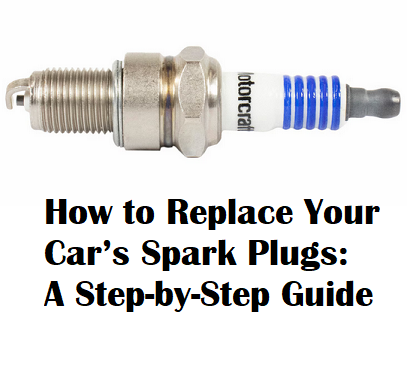
Are you noticing your car’s engine isn’t running as smoothly as it used to? It might be time to replace those spark plugs.
Don’t worry; replacing spark plugs isn’t as daunting as it sounds. In fact, it’s a straightforward task that you can handle yourself, saving you time and money. This guide will walk you through the process step-by-step, ensuring your vehicle runs efficiently and smoothly.
By the end of this article, you’ll have the confidence and knowledge to tackle this task like a pro. So, grab your tools, and let’s get started on giving your car the care it deserves!
Tools Needed
Replacing spark plugs requires specific tools to do the job correctly. Using the right tools helps avoid damage and makes the process easier. Each tool has a unique role in removing and installing spark plugs safely and efficiently.
Spark Plug Socket
This socket is designed to fit spark plugs perfectly. It usually has a rubber insert to hold the plug firmly. This prevents the plug from falling or breaking during removal or installation.
Ratchet Wrench
A ratchet wrench provides the necessary leverage to loosen or tighten spark plugs. It works smoothly in tight spaces and allows quick turning without removing the tool each time.
Gap Gauge
Checking the spark plug gap is important for proper engine performance. A gap gauge measures the space between the plug’s electrodes. Adjusting the gap ensures the spark ignites the fuel efficiently.
Torque Wrench
This wrench helps tighten spark plugs to the exact manufacturer’s specification. Over-tightening can damage the threads, while under-tightening can cause poor engine performance. The torque wrench prevents these issues.
Protective Gear
Wearing gloves protects your hands from dirt and sharp edges. Safety glasses shield your eyes from debris or accidental sparks. Using protective gear keeps the job safe and clean.
Preparing Your Vehicle
Preparing your vehicle before replacing spark plugs is essential for safety and efficiency. Taking the right steps helps avoid damage and ensures a smooth process. Proper preparation saves time and prevents mistakes.
Cool Down Engine
Always let the engine cool down before touching spark plugs. Hot engines can cause burns and damage spark plug threads. Wait at least 30 minutes after driving for the engine to reach a safe temperature.
Locate Spark Plugs
Open the hood and find the spark plugs easily. They connect to thick wires or ignition coils on the engine. Use your vehicle manual to identify the exact location of each spark plug.
Clean Around Plugs
Remove dirt and debris near spark plugs before removal. Use a brush or compressed air to clean the area gently. This prevents debris from falling into the engine cylinder when plugs are removed.
Removing Old Spark Plugs
Removing old spark plugs is a crucial step in maintaining your vehicle’s performance. If your engine misfires or struggles to start, worn-out spark plugs might be the cause. Taking the time to carefully remove them ensures you don’t damage the threads or surrounding components.
Disconnect Spark Plug Wires
Before touching the spark plugs, you must disconnect the spark plug wires. Grip the boot firmly and pull it straight off the plug to avoid damaging the wire. Twisting the boot slightly can help loosen stubborn connections.
Label each wire if you have multiple plugs to keep track of their positions. This step prevents mixing up wires, which can lead to engine misfires once reassembled.
Use Socket To Unscrew
Use a spark plug socket attached to a ratchet or breaker bar to unscrew the plug. Make sure the socket fits snugly to avoid rounding off the plug’s hex. Turn counterclockwise slowly and steadily to loosen the plug without damaging the threads.
Sometimes plugs can be very tight or stuck due to carbon buildup. Applying a small amount of penetrating oil and letting it sit for 10-15 minutes often helps.
Inspect Removed Plugs
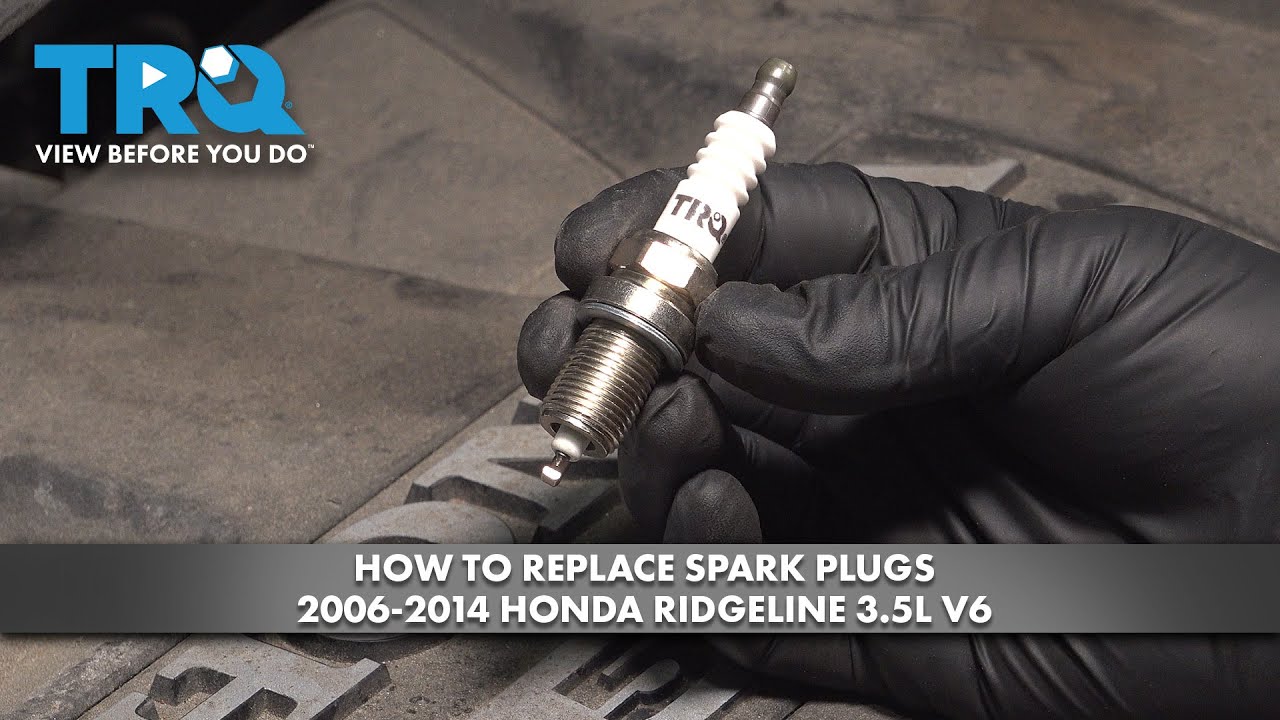
Once the plugs are out, inspect them closely for wear or deposits. Look for signs like heavy carbon buildup, oil fouling, or broken electrodes. These clues tell you about your engine’s health and whether you might have other issues to address.
Have you noticed any unusual deposits on your spark plugs before? Understanding these can save you time and money on future repairs.

Credit: www.youtube.com
Checking And Gapping New Plugs
Checking and gapping new spark plugs is a crucial step before installation. A spark plug that isn’t properly gapped can cause poor engine performance, misfires, or even damage. Taking a few minutes to verify and adjust the gap can save you from headaches down the road.
Verify Plug Type
First, make sure the spark plugs you have match the specifications for your vehicle. Check your owner’s manual or the manufacturer’s website for the correct type and model. Using the wrong plug can lead to inefficient combustion or damage to the engine.
Sometimes, plugs look similar but have different heat ranges or thread sizes. Don’t assume they’re interchangeable just because they fit physically. Double-checking this detail prevents costly mistakes.
Measure Gap
Next, you need to measure the gap between the electrodes on the plug. This gap affects how the spark jumps and ignites the air-fuel mixture. Use a feeler gauge or a spark plug gap tool for an accurate measurement.
- Slide the appropriate gauge between the electrodes.
- The tool should fit snugly without forcing it in.
- Note the gap size and compare it to your vehicle’s specification.
If the gap is off by even a few thousandths of an inch, your engine’s performance might suffer. Have you ever experienced rough idling or hesitation? Incorrect gaps could be the hidden cause.
Adjust Gap If Needed
If the gap isn’t correct, you can adjust it carefully. Use a spark plug gapper tool to gently bend the ground electrode. Avoid applying too much force, which can damage the plug.
After adjustment, re-measure the gap to confirm accuracy. Some plugs come pre-gapped, but it’s smart to double-check. Getting this right ensures a strong, consistent spark every time you turn the key.
Installing New Spark Plugs
Installing new spark plugs is a key part of car maintenance. It helps your engine run smoothly and saves fuel. New spark plugs give a better spark for ignition. That means your engine starts easier and runs cleaner.
Careful installation ensures the plugs work well. Use the right tools and follow the correct steps. This will avoid damage and make sure the plugs last longer.
Hand Thread First
Start by threading the spark plug by hand. This prevents cross-threading, which can damage the cylinder head. Turn the plug slowly until it feels snug. Never use a wrench for this part. Hand threading gives better control and protects the threads.
Torque To Specs
Use a torque wrench to tighten the spark plug. Check your car manual for the correct torque value. Tighten the plug carefully to this exact amount. Too tight can crack the plug or head. Too loose can cause poor engine performance.
Reconnect Wires
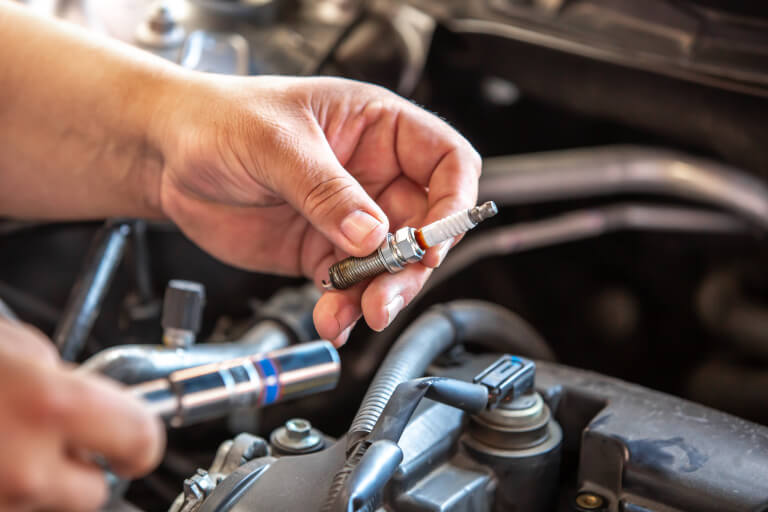
Attach the spark plug wires or ignition coils next. Make sure each wire clicks into place. A loose connection can cause misfires. Check each wire for damage before reconnecting. Proper connection ensures the spark reaches the plug every time.
Credit: www.blackcircles.com
Testing After Replacement
After replacing your spark plugs, testing them is crucial to ensure your engine runs smoothly. This step helps you catch any installation issues early and confirms that your new plugs are firing correctly. Don’t skip this part—it saves you time and potential headaches down the road.
Start Engine
Turn the ignition and start your engine. Pay close attention to how it fires up—does it start quickly or struggle? A quick, smooth start usually means your spark plugs are working well.
If the engine hesitates or stalls, it might indicate a poor connection or a faulty plug. Double-check the wiring and the spark plug gap if you notice any hesitation.
Listen For Issues
Once the engine is running, listen carefully for any unusual sounds. A consistent misfire or sputtering noise can signal that one or more spark plugs aren’t firing properly.
Sometimes, the problem might be subtle, like a slight rough idle. If your engine sounds different than usual, it’s worth investigating further before driving.
Check Engine Light
Keep an eye on your dashboard for the check engine light. If it stays on after replacement, it could mean the new spark plugs aren’t installed correctly or there’s another issue.
Use an OBD-II scanner to read error codes if the light remains on. This tool can point you directly to the problem, helping you fix it quickly.
Common Mistakes To Avoid
Replacing spark plugs seems simple but many make avoidable mistakes. These errors can harm engine performance and waste money. Avoid common pitfalls to keep your engine running smooth and safe.
Over-tightening
Too tight spark plugs can damage threads or break plugs. Use a torque wrench to apply correct tightness. Follow the vehicle’s manual for exact torque values. Hand-tighten first, then use a wrench carefully.
Wrong Gap Size
Spark plugs need a specific gap for good sparks. A gap too small or large causes poor combustion and engine misfire. Check the gap with a feeler gauge before installation. Adjust to the size recommended in the manual.
Ignoring Safety
Never skip safety steps while changing spark plugs. Disconnect the battery to avoid electric shocks. Work on a cool engine to prevent burns. Wear gloves and eye protection to guard against dirt and debris.
Credit: www.youtube.com
Frequently Asked Questions
How Often Should Spark Plugs Be Replaced?
Spark plugs typically last 30,000 to 100,000 miles. Check your vehicle’s manual for exact intervals. Regular replacement ensures optimal engine performance and fuel efficiency.
What Tools Are Needed To Replace Spark Plugs?
You need a spark plug socket, ratchet wrench, extension bar, and a gap gauge. These tools help safely remove and install spark plugs without damage.
How Do You Check Spark Plug Condition?
Inspect spark plugs for wear, carbon deposits, or damage. Clean or replace if they appear fouled, cracked, or worn out. Proper condition ensures efficient engine combustion.
Can I Replace Spark Plugs Myself Safely?
Yes, with basic tools and safety precautions, you can replace spark plugs. Follow your vehicle’s manual and work carefully to avoid engine damage or injury.
Conclusion
Replacing spark plugs can save you time and money. It keeps your engine running smooth and strong. Follow the steps carefully and use the right tools. Take your time and work safely. Regular spark plug changes improve fuel efficiency and reduce engine problems.
Now, you can handle this simple car task yourself. Feel confident under your car’s hood. Routine care helps your vehicle last longer. Small efforts lead to big benefits. Ready to try it?





