Picture this: it’s a sunny weekend morning, and you’re all set to tackle your lawn, but your lawn mower just won’t start. Frustrating, right?
You might wonder if the solution is as simple as charging a battery. But do lawn mowers actually charge batteries? This is a common question that many homeowners like you have. Understanding how your lawn mower’s battery works can save you time and hassle, ensuring your weekends are spent enjoying your garden, not struggling with stubborn equipment.
Dive into this article, and you’ll discover whether your mower has the power to recharge itself, and how you can keep it running smoothly every time you need it. Let’s get to the bottom of this mystery and make your lawn care routine as effortless as possible.
Types Of Lawn Mower Batteries
Choosing the right battery for your lawn mower can make a big difference in performance and maintenance. Each type of battery offers unique benefits and challenges. Understanding these can help you get the most out of your mower and avoid unexpected downtime.
Lead-acid Batteries
Lead-acid batteries are one of the oldest types used in lawn mowers. They are heavier but generally cheaper than other options. If you need a battery that delivers steady power and don’t mind the weight, this could work well for you.
However, they require regular maintenance like checking water levels. Have you ever had to top up your battery acid? It’s not the most pleasant task, but it keeps the battery healthy.
Lithium-ion Batteries
Lithium-ion batteries are popular in newer electric mowers. They are lighter and hold a charge longer than lead-acid batteries. This means you can mow more area on a single charge without worrying about running out of power.
They also charge faster and don’t need much maintenance. If you value convenience and longer runtime, lithium-ion is likely your best bet.
Nickel-cadmium Batteries
Nickel-cadmium (NiCd) batteries have been used in power tools for years and are sometimes found in lawn mowers. They can handle a lot of charge cycles, which means they last a long time if used correctly.
On the downside, they suffer from memory effect, which can reduce their capacity if you don’t fully discharge them regularly. Have you ever noticed your battery dying quicker even though it looked fully charged? This might be why.
How Battery Charging Works
Understanding how battery charging works in lawn mowers can help you maintain your equipment better and extend battery life. Different models use various charging methods, each with its pros and cons. Knowing these details lets you choose the best way to keep your mower ready for action.
Internal Charging Mechanisms
Some lawn mowers have built-in chargers that allow you to plug the mower directly into a power source. This internal system manages the battery charging without needing extra devices. It often includes safety features to prevent overcharging, protecting your battery.
With internal charging, you simply connect your mower to an outlet, and the charging starts automatically. This convenience means fewer steps and less equipment to handle. However, charging speed might be slower compared to external options.
External Chargers
Many battery-powered lawn mowers come with separate external chargers. You remove the battery from the mower and connect it to the charger, which you then plug into a wall socket. This method allows you to charge multiple batteries if you have spares.
External chargers often come with advanced technology to balance charging speed and battery health. Some models even offer quick-charge options, cutting down wait times significantly. Are you making the most out of your charger’s features?
Charging Times And Indicators
Charging times vary depending on the battery size, charger type, and battery condition. Most lithium-ion batteries take between 1 to 3 hours to fully charge, but some quick chargers can reduce this to under an hour.
Look for LED indicators or digital displays on your charger or mower to monitor the charging status. These signals tell you when charging is complete or if there’s an issue. Paying attention to these indicators helps avoid overcharging and extends your battery’s lifespan.
Do Lawn Mowers Charge Batteries?
Wondering if your lawn mower can actually charge its own battery while you’re mowing? It’s a common question, especially for those new to battery-powered mowers. Understanding whether your mower has self-charging capabilities or if it drains the battery as it works can save you time and frustration.
Self-charging Capabilities
Most modern battery-powered lawn mowers do not charge their batteries while running. Instead, they rely on a separate charger to recharge the battery once you’re done mowing. Some older gas-powered mowers with electric start systems have alternators that can charge the battery, but this is rare in cordless electric mowers.
If you have a mower with a removable lithium-ion battery, you’ll typically need to take the battery out and place it on a charger. This design helps preserve battery life and ensures it’s fully charged before each use. Have you noticed your mower slowing down? It’s likely a sign your battery needs recharging, not that it’s charging itself.
Battery Drain Vs. Charge During Use
While mowing, your battery is actively powering the motor, which means it’s draining energy. The more grass you cut or the thicker the lawn, the faster the battery drains. If you’re mowing uneven terrain or tall grass, expect even shorter battery life.
It’s important to plan your mowing in sections if your battery capacity is limited. Charging on the go isn’t typically an option, so consider having a spare battery if your lawn is large. This way, you can swap batteries and avoid interruptions.
Myths And Facts
- Myth:Lawn mowers charge their batteries while mowing.
- Fact:Battery-powered mowers consume power during use and require external charging.
- Myth:Leaving the battery in the mower charges it.
- Fact:Batteries need to be placed on a charger to recharge properly.
Understanding these facts can help you maintain your mower’s battery health. Have you ever left a battery in the mower overnight expecting it to charge? You’re not alone, but it doesn’t work that way. Always use the charger designed for your battery to keep it in good shape.

Credit: www.yahoo.com
Maintaining Battery Health
Maintaining the health of your lawn mower’s battery is key to keeping it running smoothly and extending its lifespan. Batteries don’t just wear out overnight—they need regular care and attention. Neglecting simple practices can lead to poor performance or even complete failure.
Proper Charging Practices
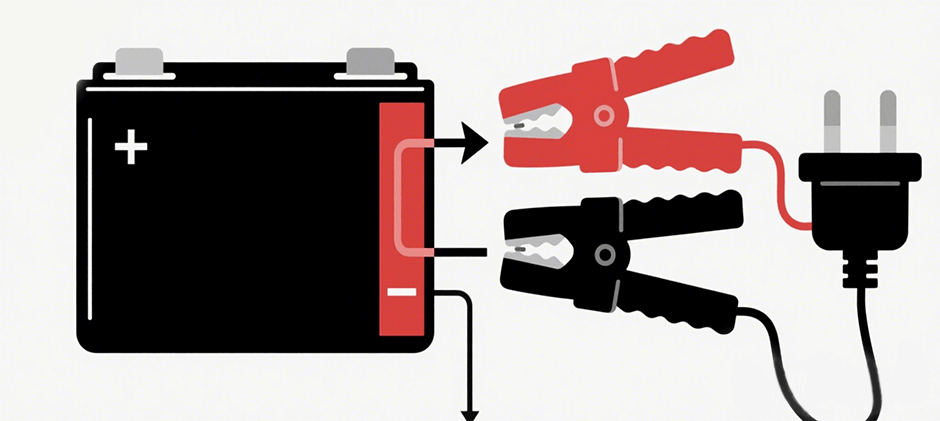
Always use the charger that came with your lawn mower or one recommended by the manufacturer. Using the wrong charger can damage the battery or reduce its capacity. Avoid overcharging by unplugging the charger once the battery is full; many modern chargers have indicators to help you with this.
Charging your battery after every use, even if it’s only partially drained, helps keep it in good condition. Think of it as topping off your fuel tank rather than letting it run empty. Have you noticed how a battery left unused for weeks often struggles to start? That’s a sign charging habits need adjustment.
Storage Tips
Store your battery in a cool, dry place away from direct sunlight and extreme temperatures. High heat can accelerate battery degradation, while freezing temperatures can cause permanent damage. If you won’t use your lawn mower for a long time, charge the battery to about 50-70% before storing it.
Remove the battery from the mower if possible during storage. This helps prevent slow discharge and potential damage to both the battery and the mower. Would you leave your car parked with an empty gas tank for months? Treat your battery with the same care.
Signs Of Battery Wear
Pay attention to how your mower performs. If it takes longer to start or runs for a shorter time, your battery might be losing its charge capacity. Frequent need for recharging after minimal use is another clear sign.
Physical signs like swelling, corrosion on the terminals, or unusual heat during charging indicate serious battery issues. Ignoring these signs can lead to sudden failures and costly replacements. What small changes in performance have you noticed that might hint at battery wear?
Choosing The Right Battery For Your Mower
Choosing the right battery for your lawn mower can make a huge difference in performance and convenience. The battery powers your mower, so picking one that fits well with your machine ensures smooth operation. Let’s break down what to look for when selecting a battery that matches your needs and mower type.
Compatibility Considerations
Not all batteries work with every mower. You need to check the voltage and connector type your mower requires. Using a battery that doesn’t fit can cause damage or simply won’t power the mower effectively.
Look at your mower’s manual or label to find the recommended battery specs. Some brands have proprietary designs, meaning only their batteries fit properly. Have you ever tried forcing a battery that just wouldn’t click into place? It’s frustrating and avoidable.
Battery Capacity And Runtime
Battery capacity, measured in amp-hours (Ah), tells you how long your mower can run on a single charge. A higher capacity means more mowing time but often comes with added weight and cost.
If your yard is large, a battery with at least 4Ah or more is ideal. For smaller lawns, a lighter battery with around 2Ah might suffice. Think about how long you usually spend mowing—would a short runtime force you to recharge in the middle?
Cost And Warranty Factors
Batteries vary widely in price. Cheaper batteries might save money upfront but often have shorter lifespans or less power. Investing a bit more can mean better performance and longer use before replacement.
Also, check the warranty terms. Some manufacturers offer 2 to 3 years of coverage, which can save you money if the battery fails early. Would you prefer a budget option now or a reliable battery that lasts through many mowing seasons?

Credit: www.tycorunenergy.com
Credit: www.fridayparts.com
Frequently Asked Questions
Do Lawn Mowers Charge Their Own Batteries?
No, most lawn mowers do not charge their batteries while running. They require an external charger to recharge the battery safely and efficiently.
Can You Use A Lawn Mower Battery Charger Separately?
Yes, you can use a lawn mower battery charger independently to recharge the battery. It ensures the battery is fully charged before mowing.
How Long Does It Take To Charge A Lawn Mower Battery?
Charging time varies by battery type and charger. Typically, it takes 1 to 5 hours for a full charge.
Are All Lawn Mower Batteries Rechargeable?
Most modern lawn mower batteries are rechargeable, usually lithium-ion or lead-acid types. Always check your model’s specifications for compatibility.
Conclusion
Battery charging depends on the lawn mower type. Cordless mowers need separate chargers. They do not charge while cutting grass. Electric mowers with cords get power directly. Knowing your mower’s battery system helps. It saves time and avoids damage. Always follow the user manual instructions.
Choose the right charger for your mower. Keep batteries healthy by proper charging. This way, your lawn stays neat and green. Simple steps make mowing easier and safer.





