
Have you ever been in the middle of mowing your lawn when suddenly your trusty lawn mower decides to call it quits? You’re not alone.
One common issue that many lawn owners face is overheating of their lawn mowers. This can be frustrating, especially when you’re in the groove of tidying up your yard. But why does this happen, and more importantly, how can you prevent it?
You’ll discover the reasons behind lawn mower overheating and learn practical tips to keep your mower running smoothly. Stick around, because understanding these simple solutions could save you time, money, and a whole lot of hassle in the future.
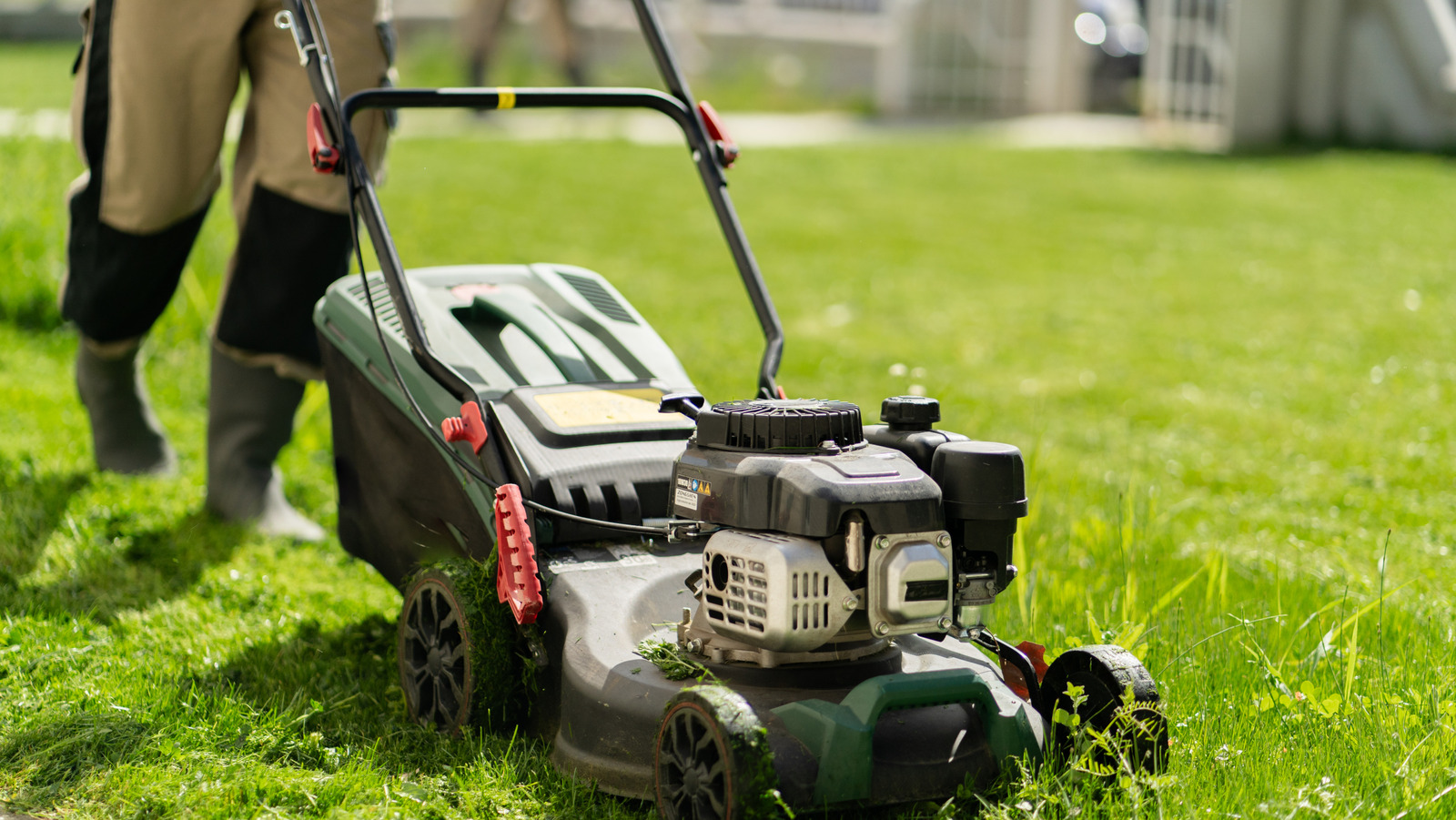
Credit: www.housedigest.com
Why Lawnmowers Overheat
Lawnmowers can overheat for several reasons. Overheating causes damage and stops your mower from working. Understanding why it happens helps you avoid problems and keep your mower in good shape.
Engine Strain And Overuse
Running the mower for a long time can strain the engine. Cutting thick or tall grass adds extra load. The engine works harder and heats up quickly. Resting the mower often prevents overheating.
Poor Airflow And Blockages
Air cools the engine while the mower runs. Dirt, grass clippings, or debris can block vents and cooling fins. Blocked airflow traps heat inside the engine. Cleaning these areas keeps air moving and engine cool.
Low Oil Levels
Oil lubricates engine parts and helps reduce heat. Low oil means more friction and higher temperatures. Check oil levels before every use. Add oil if levels are below the recommended mark.
Dirty Or Clogged Filters
Air filters stop dirt from entering the engine. Dirty or clogged filters reduce airflow. This forces the engine to work harder and get hotter. Replace or clean filters regularly for smooth operation.
Common Overheating Signs
Knowing the common signs of lawn mower overheating helps prevent serious damage. These signs often appear before the mower stops working. Spotting them early keeps your mower safe and extends its life.
Unusual Smells And Smoke
A burning smell means the mower is too hot. Smoke coming from the engine or exhaust shows overheating. These smells come from burning oil, fuel, or parts inside the mower.
Engine Stalling Or Hesitation
The engine may stall or hesitate while mowing. This happens because overheating affects the fuel and air mix. The mower might stop suddenly or run unevenly.
High Temperature Gauge Readings
The temperature gauge shows if the engine is too hot. High readings warn that the mower is overheating. Watch this gauge during use to catch problems early.
Reduced Cutting Performance
The mower cuts grass less well when it overheats. Blades may slow down or stop moving smoothly. The engine loses power and the cut looks uneven or patchy.
Immediate Steps To Cool Down
Overheating can harm your lawn mower’s engine quickly. Acting fast helps prevent damage and keeps your mower working well. Follow these immediate steps to cool down your mower safely and effectively.
Turn Off And Let It Rest
Stop the mower immediately. Turn off the engine and remove the key. Let it sit for at least 20 to 30 minutes. This pause cools the engine naturally and prevents burns.
Check And Clean Air Filters
Dirty air filters block airflow and cause overheating. Remove the air filter cover carefully. Take out the filter and inspect it. Clean dust and grass with a soft brush or replace it if very dirty.
Inspect Oil And Refill
Low or dirty oil increases engine temperature. Check the oil level using the dipstick. Add the right type of oil if it is low. Change old oil if it looks dark or thick.
Clear Grass And Debris
Grass clippings and dirt block cooling vents. Use a brush or compressed air to clear debris. Remove buildup around the engine and blades. This improves airflow and helps the mower cool down faster.
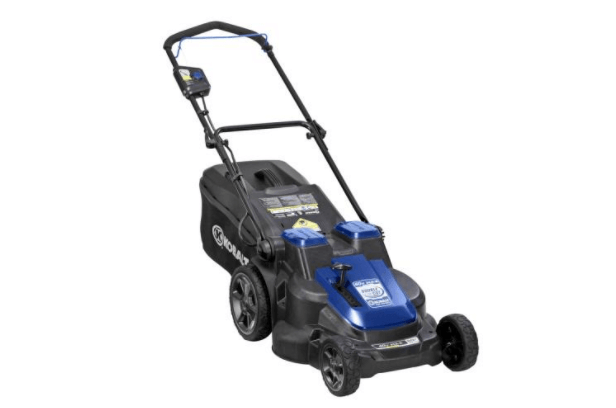
Credit: www.aboutlawsuits.com
Preventing Future Overheating
Preventing future overheating of your lawn mower is essential for its long life and safe use. Overheating can cause engine damage and reduce mower performance. Proper care and attention keep the mower running smoothly and avoid costly repairs.
Regular Maintenance Schedule
Follow a routine maintenance plan to keep the mower in good shape. Clean the air filter often to ensure proper airflow. Check and replace spark plugs as needed. Inspect the cooling fins and remove grass clippings or dirt. Regular oil changes help the engine run cool and efficiently.
Proper Storage Conditions
Store the mower in a dry, shaded area to prevent moisture damage. Avoid places with extreme heat or cold. Cover the mower with a breathable cover to keep dust and debris away. Proper storage protects the engine and other parts from rust and corrosion.
Using Correct Fuel And Oil
Use the fuel and oil recommended by the mower manufacturer. Avoid old or contaminated fuel, which can cause engine problems. Check oil levels before each use and refill as needed. Using the right fluids helps the engine stay cool and run smoothly.
Avoiding Overloading The Mower
Do not cut grass that is too tall or thick in one pass. Overloading the mower causes the engine to work too hard and overheat. Cut smaller sections and take breaks if the mower feels hot. This practice protects the engine and improves cutting performance.
When To Seek Professional Help
Knowing when to seek professional help for your lawn mower can save you time, money, and frustration. Some overheating issues are simple fixes, but others signal deeper mechanical problems that need expert care. Recognizing these warning signs early helps you avoid bigger breakdowns and keeps your mower running smoothly.
Persistent Overheating Issues
If your lawn mower keeps overheating despite cleaning the air filters and checking the oil, it’s time to call a professional. Continuous overheating can damage the engine’s internal parts, leading to costly repairs. Have you noticed your mower shutting down mid-job or smelling burnt? These are clear signs something more serious is going on.
Unusual Noises Or Leaks
Strange sounds like knocking, grinding, or whining often indicate internal damage that you can’t fix with simple maintenance. Leaks of oil or fuel are equally concerning and may point to worn-out seals or a cracked engine block. Don’t ignore these symptoms—letting them slide can turn a minor issue into a full breakdown.
Electrical System Concerns
If your mower struggles to start, stalls unexpectedly, or the battery drains quickly, electrical problems might be the cause. Faulty wiring or a malfunctioning ignition switch requires specialized tools and knowledge to diagnose correctly. Trying to fix these issues on your own could make things worse, so it’s safer to get professional assistance.

Credit: www.eufy.com
Frequently Asked Questions
Can Lawn Mowers Overheat During Use?
Yes, lawn mowers can overheat if used continuously without breaks. Overheating often results from clogged air filters, dirty blades, or low oil levels.
What Causes A Lawn Mower To Overheat?
Common causes include dirty air filters, low oil, blocked cooling fins, and prolonged operation in hot weather. Regular maintenance prevents overheating.
How To Prevent Lawn Mower Overheating?
Regularly clean air filters, check oil levels, sharpen blades, and avoid mowing in extreme heat. Allow the mower to cool down between uses.
What Are Signs Of An Overheating Lawn Mower?
Signs include smoke, unusual engine noise, loss of power, and a hot engine surface. Stop mowing immediately if these occur.
Conclusion
Lawn mowers can overheat if not used properly. Regular breaks help the engine stay cool. Cleaning the mower keeps it running well. Check oil and air filters often. Overheating can cause damage and stop your work. Taking simple steps saves time and money.
Keep your mower in good shape for long use. Stay safe and enjoy a healthy lawn.





