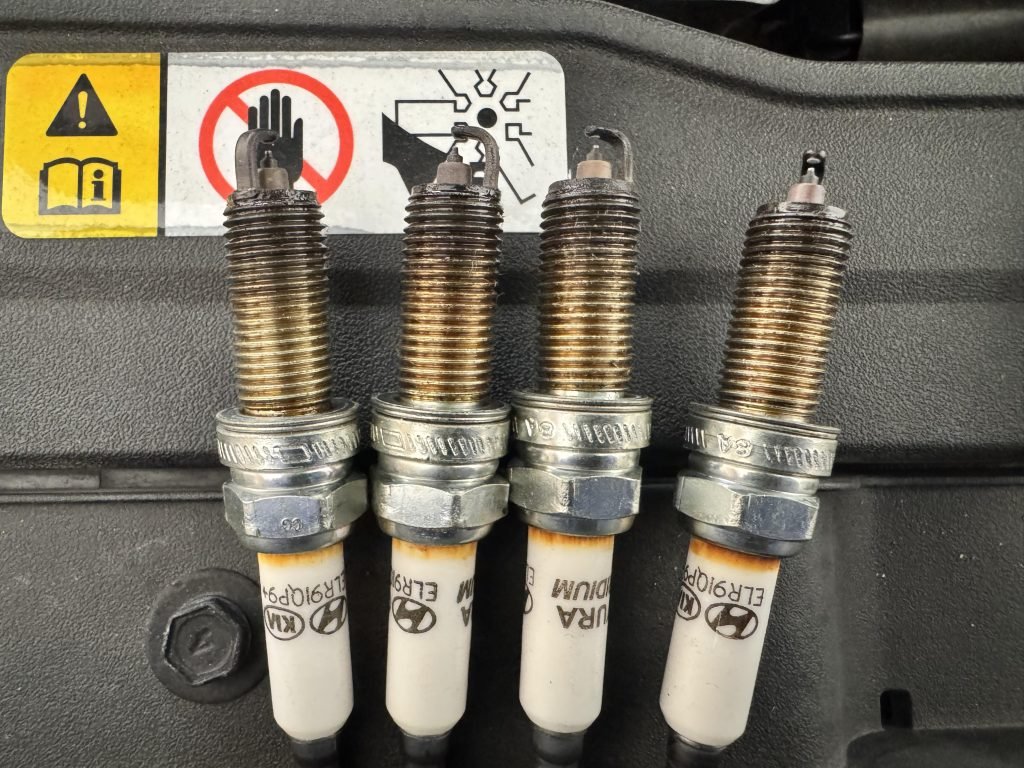
Imagine this: you’ve just popped the hood of your car to do a routine check, and there it is—oil on your spark plugs. Instantly, you feel a mix of concern and curiosity.
Why is this happening, and what does it mean for your vehicle’s health? You’re not alone in this predicament, and understanding the reasons behind oily spark plugs can save you time, stress, and money. We’ll unravel the mystery and provide clear answers to help you keep your car running smoothly.
So, are you ready to uncover the truth behind those oily spark plugs? Let’s dive in!

Credit: www.reddit.com
Common Causes Of Oil On Spark Plugs
Oil on spark plugs is a sign of engine trouble. It affects how your engine runs. Understanding the causes helps in fixing the problem early. Several parts in your engine can let oil reach the spark plugs. These common causes explain why oil appears where it should not be.
Worn Valve Cover Gasket
The valve cover gasket seals the top of the engine. Over time, it can wear out or crack. This allows oil to leak into the spark plug wells. Oil in these wells can coat the spark plugs. This stops them from firing properly, causing rough engine performance.
Damaged Piston Rings
Piston rings keep oil out of the combustion chamber. If they wear out or break, oil can seep past them. This oil reaches the spark plugs inside the cylinder. Oil on spark plugs means incomplete combustion and engine misfires. Worn piston rings need quick repair to avoid engine damage.
Faulty Valve Seals
Valve seals stop oil from entering the engine’s combustion chamber. When seals fail, oil leaks down the valve guides. This oil collects on the spark plugs and fouls them. Faulty valve seals cause smoke from the exhaust. Engine performance drops as spark plugs get coated with oil.
Cracked Cylinder Head
The cylinder head holds the combustion chamber parts. Cracks in the head let oil leak into the combustion area. Oil reaches the spark plugs and fouls them quickly. A cracked cylinder head causes overheating and engine misfires. This problem needs immediate attention to avoid serious damage.
Pcv Valve Malfunction
The Positive Crankcase Ventilation (PCV) valve controls engine pressure. A stuck or broken PCV valve causes oil to be pushed into the intake. Oil then reaches the spark plugs and fouls them. PCV valve problems often cause rough idling and increased emissions. Replacing the PCV valve restores normal engine function.

Credit: www.reddit.com
How Oil Affects Spark Plug Performance
Oil on your spark plugs can seriously disrupt how your engine runs. It creates a barrier that prevents the spark plug from firing correctly, which impacts your engine’s overall performance. Understanding how oil affects spark plugs helps you recognize symptoms early and avoid costly repairs.
Misfiring And Engine Roughness
Oil fouling on spark plugs often causes misfires. The oil creates a coating that stops the spark from jumping across the gap, so combustion doesn’t happen smoothly. You might notice your engine shaking or running unevenly, especially during acceleration.
Have you ever felt your car hesitate or stumble while driving? That could be oil on your spark plugs causing inconsistent firing. If this happens regularly, your engine struggles to deliver the power you expect.
Reduced Fuel Efficiency
When spark plugs don’t ignite the fuel-air mix properly, your engine burns more fuel to make up for the lost power. This inefficient combustion lowers your miles per gallon. Over time, you’ll spend more money at the pump without getting the performance you paid for.
Imagine driving the same route every day but suddenly needing to fill up your tank more often. That’s a clear sign your spark plugs might be compromised by oil contamination. Fixing this can restore your fuel economy quickly.
Difficulty Starting The Engine
Oil on spark plugs makes it harder for your engine to start. The oily residue can short-circuit the spark or reduce its intensity, meaning your engine won’t ignite the fuel mixture easily. You might notice longer cranking times or even failure to start in cold weather.
Think about those frustrating mornings when your car just won’t start smoothly. Checking your spark plugs for oil fouling can save you from unexpected delays. Addressing this early keeps your engine reliable and ready to go.
Diagnosing Oil On Spark Plugs
Diagnosing oil on spark plugs helps find the cause of engine problems. Oil on spark plugs can cause misfires and poor engine performance. Early diagnosis saves time and money on repairs.
Visual Inspection Techniques
Remove the spark plugs carefully. Check the plug tips for wet, oily deposits. Look for black, shiny oil covering the electrodes. Inspect multiple plugs to see if the problem is on all or just some. Note any unusual wear or damage on the plugs.
Using Compression Tests
A compression test measures cylinder pressure. Low pressure may mean worn piston rings or valve seals. These issues let oil enter the combustion chamber. Use a compression gauge on each cylinder. Compare results to the manufacturer’s specifications. Differences between cylinders can pinpoint the problem area.
Checking For Other Symptoms
Listen for rough engine idle or frequent stalling. Notice increased smoke from the exhaust, especially blue smoke. Watch for higher oil consumption without visible leaks. Check if the engine runs poorly or loses power. These signs often accompany oil on spark plugs and help identify the root cause.
Quick Fixes For Oil On Spark Plugs
Spotting oil on your spark plugs can be frustrating, but fixing the issue doesn’t always require a full engine overhaul. Some quick fixes can save you time and money, helping your engine run smoothly again. Let’s look at practical ways to tackle oil on spark plugs so you can get back on the road with confidence.
Replacing Valve Cover Gasket
The valve cover gasket often causes oil leaks that end up on your spark plugs. Over time, the gasket can crack or wear out, allowing oil to seep into the spark plug wells. Replacing this gasket is a straightforward fix that stops oil from pooling around the plugs.
If you notice oil dripping near the top of your engine, check the gasket first. Replacing it usually requires removing the valve cover, cleaning the surface, and installing a new gasket. This simple repair can prevent further damage and improve engine performance.
Cleaning Or Replacing Spark Plugs
If the spark plugs already have oil on them, cleaning or replacing them is necessary. Oil fouled plugs can cause misfires, rough idling, and poor fuel economy. You can clean the plugs using a wire brush and spark plug cleaner, but often replacement is more effective.
After fixing the oil leak, inspect the plugs closely. If they look worn or heavily coated in oil, replacing them ensures your engine ignites the fuel properly. Have you checked your plugs lately? It might be time to give them a fresh start.
Fixing Pcv Valve Issues
The Positive Crankcase Ventilation (PCV) valve controls engine pressure and prevents oil from entering the combustion chamber. A faulty PCV valve can cause oil buildup on spark plugs by allowing excess oil vapor to pass through. Testing and replacing a bad PCV valve is a quick way to reduce oil contamination.
Replacing the PCV valve is usually inexpensive and easy to do yourself. Simply locate the valve, remove it, and swap it out with a new one. Fixing this small part can have a big impact on your engine’s cleanliness and efficiency.
When To Seek Professional Help
Oil on spark plugs is not normal and signals a problem. Some issues can be fixed at home. Others need a mechanic’s expertise. Knowing when to seek professional help can save your engine.
Persistent Oil Leakage
Small oil traces might appear once in a while. But constant oil on spark plugs means a serious leak. This could damage the engine over time. A mechanic can find the exact leak source and fix it properly.
Engine Performance Problems
Oil fouled spark plugs can cause misfires and rough idling. The engine might lose power or stall. These symptoms affect driving safety. Professionals use tools to diagnose and restore engine health.
Complex Repairs Beyond Diy
Fixing oil leaks often requires removing engine parts. Replacing seals or gaskets is tricky and needs skill. Incorrect repairs can worsen the problem. Trusting an expert ensures the job is done right and your car stays reliable.
Preventing Oil On Spark Plug Issues
Oil on spark plugs can cause engine problems and reduce performance. Preventing this issue helps keep your engine running smoothly. Simple care and checks can stop oil from reaching the spark plugs. This saves money and avoids costly repairs later.
Regular Maintenance Tips
Keep your engine clean and well-maintained. Change your oil and oil filter at the recommended intervals. Check for leaks around the valve cover gasket and other seals. Replace worn spark plugs to maintain good ignition. Regularly inspect your air filter to avoid dirt buildup. Clean engine parts help prevent oil leaks and spark plug fouling.
Using Quality Engine Oil
Choose engine oil that meets your car’s specifications. High-quality oil flows better and protects engine parts. Avoid cheap oils that break down quickly. Proper oil viscosity keeps oil where it belongs. Using the right oil reduces the chance of oil leaking onto spark plugs. This helps the engine run cleaner and last longer.
Timely Valve And Seal Inspections
Check valves and seals often for signs of wear or damage. Worn valve seals let oil enter the combustion chamber. Replace faulty seals to stop oil from reaching spark plugs. Inspect the valve cover gasket and replace it if cracked. Early detection of seal problems prevents oil fouling on plugs. Regular inspections ensure your engine stays in good condition.

Credit: www.reddit.com
Frequently Asked Questions
Why Is Oil Found On My Spark Plugs?
Oil on spark plugs usually indicates worn valve guides or piston rings. This causes oil to leak into the combustion chamber, fouling the plugs and affecting engine performance.
Can Oil On Spark Plugs Cause Engine Misfire?
Yes, oil-fouled spark plugs can cause engine misfires. Oil disrupts the spark, leading to incomplete combustion and rough idling or reduced power.
How Do I Clean Oil Off My Spark Plugs?
To clean oil off spark plugs, remove them and use a wire brush or spark plug cleaner. However, fix the oil leak source to prevent recurrence.
Does Oil On Spark Plugs Damage The Engine?
Oil on spark plugs can cause poor engine performance and increased emissions. If untreated, it may lead to costly engine damage over time.
Conclusion
Oil on spark plugs can cause engine problems and poor performance. Check for worn valve seals or piston rings that might leak oil. Fixing these issues early helps avoid costly repairs later. Regular maintenance keeps your engine running smoothly. Watch your spark plugs during service to spot oil buildup.
Clean or replace them if needed to maintain good ignition. Taking care of small problems prevents bigger ones. Stay alert and keep your vehicle in top shape for safe driving.





