
Have you ever wondered what makes your car’s engine come to life with just a turn of the key? It’s all thanks to a small, yet crucial component known as the spark plug.
These little devices play a big role in ensuring your vehicle runs smoothly and efficiently. Understanding what spark plugs are used for can transform the way you look at car maintenance and performance. Imagine the satisfaction of knowing exactly how this tiny part helps power your daily drive.
You’re about to uncover how spark plugs ignite not just your engine, but also your curiosity about what’s under the hood. Ready to learn more? Let’s dive into the fascinating world of spark plugs and discover their significance in your vehicle’s performance.
Role In Engine Ignition
The role of spark plugs in engine ignition is crucial to how your vehicle starts and runs smoothly. Without spark plugs, the entire ignition process would fail, leaving your engine silent. Understanding their function helps you appreciate why keeping them in good shape is essential for performance and fuel efficiency.
Generating The Spark
Spark plugs create a tiny but powerful electric spark that ignites the fuel-air mixture inside the engine’s cylinders. This spark must be strong enough to jump across a small gap inside the plug. If the spark is weak or inconsistent, your engine may misfire or stall.
Think about the last time your car hesitated at a stoplight. Often, this is a sign the spark plugs are struggling to generate a consistent spark. Regular maintenance ensures this critical spark fires every time you turn the key.
Timing And Combustion
Timing is everything in engine ignition. Spark plugs must fire at the perfect moment during the engine’s compression stroke to ignite the fuel-air mix efficiently. If the spark comes too early or too late, it wastes fuel and reduces power.
Your engine’s computer controls this timing precisely, but worn or incorrect spark plugs can throw off the balance. Have you noticed reduced acceleration or rough idling? It might be due to timing issues linked to your spark plugs.
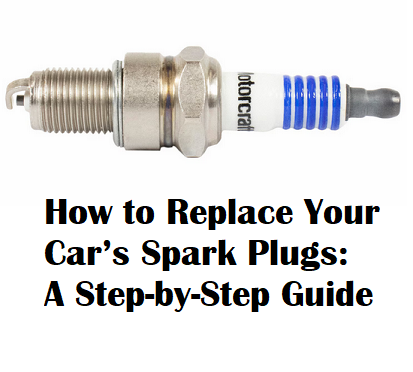
Credit: beachautomotive.com
Types Of Spark Plugs
Spark plugs are essential parts of an engine’s ignition system. They create the spark that lights the fuel-air mix inside the cylinder. Different types of spark plugs suit different engines and driving styles. Choosing the right one can improve engine performance and fuel efficiency.
Copper Plugs
Copper spark plugs have a solid copper core. They conduct heat very well, which helps keep the plug cool. These plugs are best for older cars or engines with low voltage. They wear out faster than other types but are cheaper to buy.
Platinum Plugs
Platinum spark plugs last longer than copper ones. They have a thin layer of platinum on the electrode. This metal resists corrosion and high temperatures. These plugs provide better performance and fuel economy. They suit newer engines and cars with electronic ignition systems.
Iridium Plugs
Iridium spark plugs are the most durable type. Iridium is a very hard metal that withstands extreme heat. These plugs create a strong, consistent spark. They improve engine start-up and reduce fuel consumption. Iridium plugs cost more but offer excellent longevity and reliability.
Impact On Engine Performance
The impact of spark plugs on engine performance is often underestimated, yet these small components play a crucial role in how your engine runs every day. A spark plug’s condition directly affects how efficiently your engine ignites the fuel-air mixture inside the cylinders. This ignition process influences everything from fuel consumption to power delivery and emissions.
Think about the last time your car felt sluggish or struggled to start. Chances are, worn or dirty spark plugs were part of the problem. Keeping your spark plugs in good shape can make a noticeable difference in how your engine performs under various conditions.
Fuel Efficiency
Spark plugs ignite the fuel-air mixture in your engine’s combustion chamber. If the spark is weak or inconsistent, the fuel may not burn completely. This leads to wasted fuel and reduced miles per gallon.
Have you ever noticed your fuel gauge dropping faster than usual? It might be time to check your spark plugs. Clean and properly gapped plugs help your engine burn fuel more efficiently, saving you money at the pump.
Power Output
Your engine’s power depends on how well the spark plugs can ignite the fuel mixture. A strong, consistent spark ensures maximum combustion and better power delivery. If your spark plugs are failing, your engine might feel less responsive and slow to accelerate.
Imagine trying to sprint with a weak push-off; that’s how your engine feels with bad spark plugs. Replacing them can restore lost power and give your vehicle the performance you expect.
Emissions Control
Incomplete combustion caused by faulty spark plugs increases harmful emissions. This means your car releases more pollutants into the air. Properly functioning spark plugs help reduce emissions by ensuring fuel burns cleanly and fully.
Are you concerned about passing an emissions test? Regularly inspecting and replacing spark plugs can help you meet environmental standards and avoid costly repairs later on.
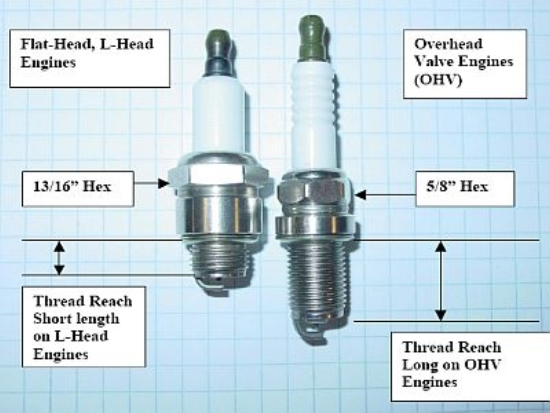
Credit: www.vanguardpower.com
Signs Of Worn Spark Plugs
Worn spark plugs affect your vehicle’s performance and fuel efficiency. They cause several noticeable problems that signal it’s time for a replacement. Recognizing these signs early helps avoid costly repairs and keeps your engine running smoothly.
Engine Misfires
Worn spark plugs often cause engine misfires. Misfires happen when the spark plug fails to ignite the fuel-air mixture properly. This leads to rough engine running, shaking, and unusual noises. Misfires reduce power and increase emissions.
Starting Problems
Old spark plugs make starting the engine harder. They struggle to create a strong spark, especially in cold weather. This causes longer cranking times or failure to start. Replacing worn plugs improves ignition and quick starts.
Poor Acceleration
Weak or damaged spark plugs reduce engine power during acceleration. The engine may hesitate or lag when you press the gas pedal. This happens because the spark plugs cannot burn fuel efficiently. New spark plugs restore smooth and responsive acceleration.
Maintenance And Replacement Tips
Maintaining your spark plugs is essential for keeping your engine running smoothly and efficiently. Neglecting this small but critical component can lead to poor fuel economy, rough idling, and even engine misfires. Paying attention to spark plug health not only saves money but also prevents unexpected breakdowns.
Checking Spark Plugs
Regularly inspecting your spark plugs can reveal a lot about your engine’s condition. Remove the plugs and look for signs like carbon buildup, oil deposits, or worn electrodes.
If the spark plug tip looks black and sooty, it could mean your engine is running too rich. A white or blistered tip might indicate overheating. Checking spark plugs every 30,000 miles or during routine oil changes helps catch issues early.
Replacement Intervals
Different spark plugs have varying lifespans depending on their type and your vehicle’s make. Copper plugs typically last around 20,000 to 30,000 miles, while platinum and iridium plugs can go up to 60,000 to 100,000 miles.
Ignoring replacement intervals can cause sluggish performance and increased emissions. Don’t wait for symptoms; following the manufacturer’s recommended schedule keeps your engine at its best.
Choosing The Right Spark Plug
Choosing the correct spark plug is more than just matching the size. Your vehicle’s manual provides specifications including heat range, thread size, and gap size.
Using the wrong plug can lead to poor combustion and damage. If you’re unsure, consult a trusted mechanic or check online forums specific to your car model. Have you ever tried a different spark plug brand and noticed a difference in performance?
Common Misconceptions
Many people have wrong ideas about spark plugs. These small parts are often misunderstood. Clearing up these myths helps you understand their true role. Misconceptions can lead to poor maintenance and car problems. Knowing the facts keeps your engine running smoothly.
Spark Plugs And Engine Size
Some believe bigger engines need special spark plugs. Actually, spark plugs fit the engine type, not just size. Manufacturers design plugs to match engine needs. Using the right spark plug ensures proper ignition and fuel burn.
Engine size does not mean you need a stronger spark plug. The spark plug must meet the engine’s specifications for best performance. Always check the owner’s manual for correct spark plug type.
Effect On Oil Consumption
Many think bad spark plugs cause high oil use. Spark plugs do not affect oil levels directly. Oil consumption is tied to engine seals, piston rings, or valve guides.
Worn spark plugs may cause misfires, but they don’t make the engine burn oil. Fixing oil problems means inspecting engine parts, not just replacing spark plugs.
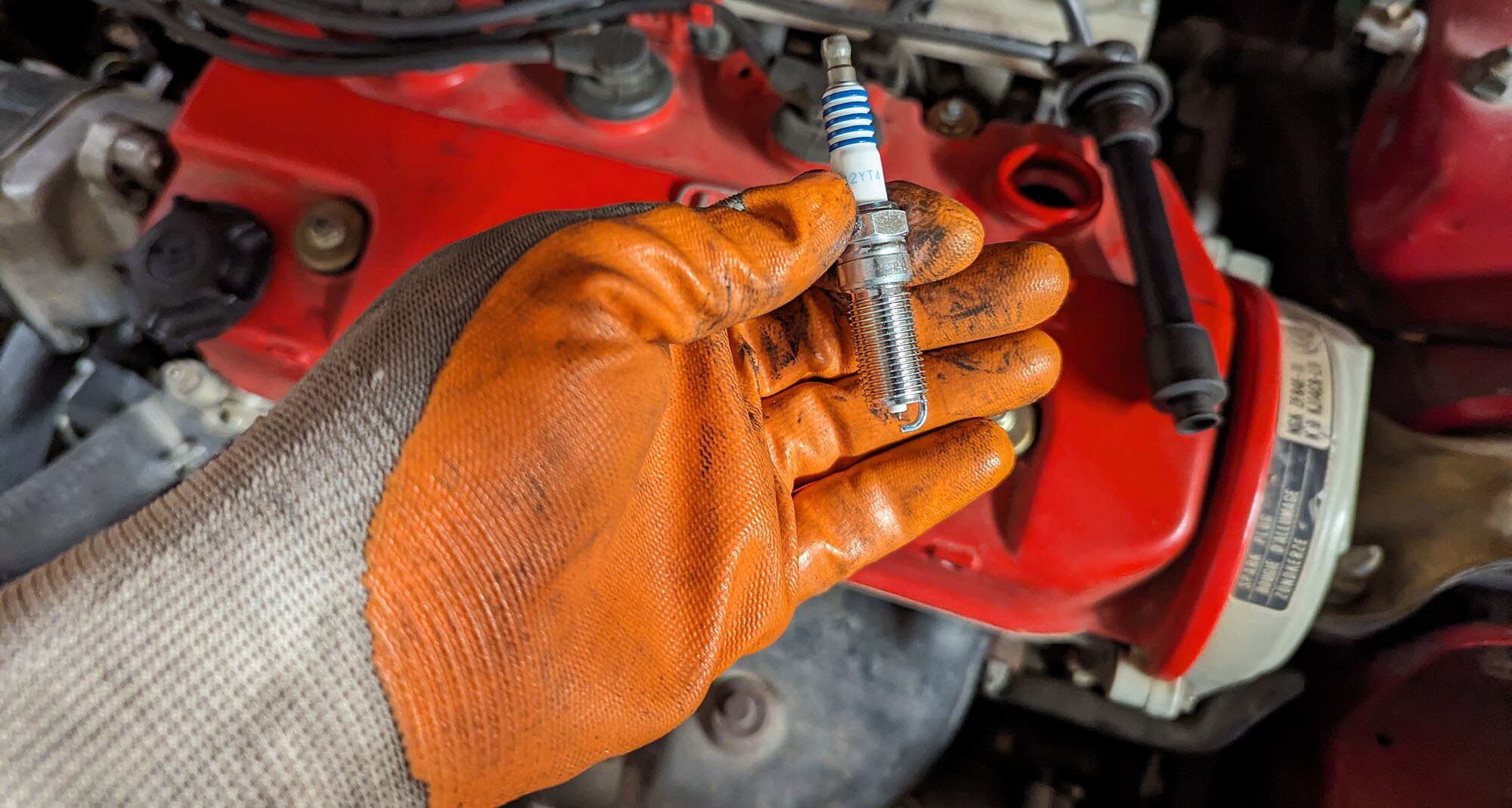
Credit: www.capitalone.com
Frequently Asked Questions
What Is The Primary Function Of Spark Plugs?
Spark plugs ignite the air-fuel mixture in an engine’s combustion chamber. This ignition powers the engine and starts the vehicle.
How Do Spark Plugs Affect Engine Performance?
Spark plugs ensure efficient combustion, improving fuel economy and engine power. Worn plugs can cause misfires and rough idling.
When Should Spark Plugs Be Replaced?
Replace spark plugs every 30,000 to 100,000 miles, depending on type. Check your vehicle’s manual for specific recommendations.
Can Faulty Spark Plugs Cause Starting Problems?
Yes, bad spark plugs can prevent the engine from starting. They fail to create the necessary spark for ignition.
Conclusion
Spark plugs help start the engine by creating a spark. They also keep the engine running smoothly. Without spark plugs, cars and machines cannot work well. Regular checks keep spark plugs in good shape. Clean and working spark plugs improve fuel use and lower pollution.
Simple parts, but very important for your vehicle. Understanding spark plugs helps you care for your engine better. Keep them clean and replace them when needed. Your engine will thank you with better performance.





