
Imagine cruising down the open road, your car purring like a contented cat. But what if one small component could make all the difference between a smooth ride and a sudden stall?
Enter the spark plug, a tiny yet mighty hero under your car’s hood. You might not think about it often, but understanding the spark plug could transform how you care for your vehicle. Are you curious about what this little part does and why it’s crucial for your car’s performance?
Stick around to uncover the secrets of the spark plug and how it keeps your engine running like a dream.
Role Of Spark Plug
The spark plug plays a vital role in a car’s engine. It helps start the engine and keeps it running smoothly. Without a spark plug, the engine cannot ignite the fuel-air mixture. This part ensures the car delivers power efficiently and reliably.
Ignition Process
The spark plug creates a small electric spark inside the engine’s cylinder. This spark lights the fuel and air mixture. The ignition causes a controlled explosion, which pushes the piston down. This movement generates the power needed to move the car.
The timing of the spark is very important. It must occur at the exact moment to maximize engine power. A good spark plug ensures this precise timing, improving engine performance.
Engine Efficiency
A clean and functioning spark plug helps the engine burn fuel completely. This improves fuel efficiency and reduces emissions. Worn or dirty spark plugs can cause misfires and waste fuel.
Efficient combustion keeps the engine running smoothly. It also prevents rough idling and engine hesitation. Regular maintenance of spark plugs helps maintain engine health and saves money on fuel costs.
Types Of Spark Plugs
Spark plugs come in different types based on their materials and design. Each type offers unique benefits for car engines. Choosing the right spark plug helps improve engine performance and fuel efficiency.
Copper Spark Plugs
Copper spark plugs have a solid copper core. They provide good heat conduction and strong sparks. These plugs are usually cheaper but wear out faster. Copper plugs work best in older cars with low to moderate engine demands.
Platinum Spark Plugs
Platinum spark plugs have a platinum disc on the electrode tip. This design lasts longer than copper plugs. They resist corrosion and maintain stable performance. Platinum plugs suit modern cars with electronic ignition systems.
Iridium Spark Plugs
Iridium spark plugs use a very hard metal on the electrode tip. They offer excellent durability and better ignition. Iridium plugs improve fuel efficiency and reduce emissions. These plugs are ideal for high-performance and newer engines.
Signs Of A Failing Spark Plug
Knowing the signs of a failing spark plug can save you from unexpected car troubles and costly repairs. Spark plugs play a crucial role in your engine’s performance, and when they start to wear out, your car will send clear signals. Paying attention to these warnings helps you act quickly and keep your vehicle running smoothly.
Engine Misfires
One of the most obvious signs of a bad spark plug is engine misfires. You might feel your car hesitate or jerk while driving, especially during acceleration. This happens because the spark plug fails to ignite the fuel-air mixture properly, causing incomplete combustion.
Have you ever noticed your engine shaking or the RPM gauge jumping unexpectedly? These can be direct clues that your spark plugs need checking. Ignoring misfires can lead to more serious engine damage down the road.
Poor Fuel Economy
If your car suddenly starts guzzling more fuel, a failing spark plug could be the culprit. Worn spark plugs don’t create a strong enough spark, which means your engine burns fuel inefficiently. This inefficiency directly lowers your miles per gallon.
Think about the last time you filled up your tank—did you feel it was more often than usual? Tracking your fuel consumption can help you spot this problem early. Fixing spark plugs can restore your car’s fuel efficiency quickly.
Starting Issues
Struggling to start your car can be frustrating and a clear indication of spark plug trouble. When spark plugs wear out, they don’t produce the spark needed to ignite the engine on the first try. This leads to longer cranking times or the engine failing to start altogether.
Have you found yourself turning the key multiple times before the engine catches? This delay is a warning sign you shouldn’t ignore. Replacing spark plugs can bring back quick, reliable starts and save you from being stranded unexpectedly.
Choosing The Right Spark Plug
Choosing the right spark plug for your car is more than just picking a part off the shelf. The correct spark plug can improve engine performance, fuel efficiency, and even extend the life of your engine. Let’s break down the main factors you need to consider to make the best choice.
Compatibility With Engine
Your engine’s design dictates which spark plugs will work best. Using a plug that doesn’t match your engine can cause misfires or poor combustion. Check your vehicle’s manual or consult with a mechanic to find plugs that fit your specific engine model and make.
Have you ever tried using parts that weren’t made for your car? It usually leads to frustrating results. Ensuring compatibility saves you time and money in the long run.
Heat Range Importance
Heat range refers to how quickly a spark plug can transfer heat from the combustion chamber to the engine head. A plug that runs too hot can cause pre-ignition, while one that runs too cold can foul quickly. Choose a heat range that matches your driving style and engine conditions.
If you drive mostly in stop-and-go traffic or short trips, a colder plug might be better. For high-performance or long-distance driving, a hotter plug could help avoid overheating issues.
Gap Size
The gap size is the distance between the center and ground electrode on the spark plug. It affects the strength and consistency of the spark. Too wide a gap can cause weak sparks or misfires, while too narrow a gap might reduce ignition efficiency.
You can measure and adjust the gap with a feeler gauge before installation. Always follow the specifications provided for your engine to keep the spark plug firing at its best.
Maintenance Tips
Keeping your spark plugs in good condition is key to ensuring your car runs smoothly and efficiently. Regular maintenance can prevent engine misfires, improve fuel economy, and avoid costly repairs down the line. Let’s look at some practical tips that you can apply to take care of your spark plugs effectively.
Cleaning Techniques
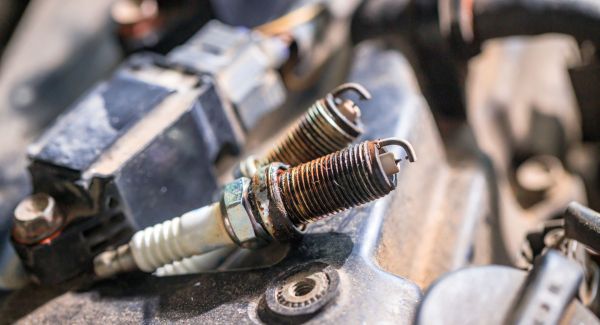
Over time, spark plugs accumulate carbon deposits and dirt that reduce their performance. Cleaning them gently with a wire brush or spark plug cleaner can restore their function without the need for immediate replacement.
Make sure to remove all debris from the electrode and insulator areas. Avoid harsh chemicals that might damage the spark plug’s components. If the deposits are stubborn, soaking the spark plug in a carburetor cleaner for a few minutes can help loosen grime.
Replacement Intervals
Knowing when to replace your spark plugs is crucial. Most manufacturers recommend changing them every 30,000 to 50,000 miles, but this can vary based on your car model and driving conditions.
If your engine is rougher than usual or your fuel efficiency drops, it might be time for new spark plugs. Keep a maintenance log to track replacements and avoid unexpected engine trouble.
Inspection Methods
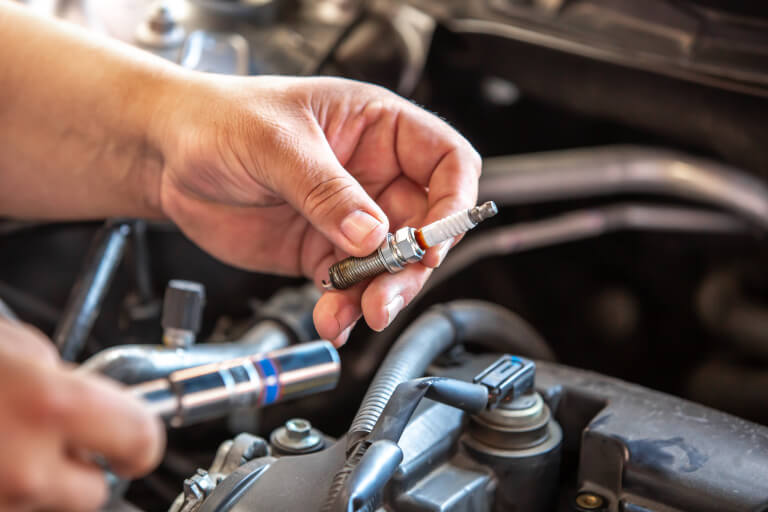
Regular inspection can catch potential spark plug issues early. Check for signs like worn electrodes, cracks in the ceramic insulator, or heavy soot buildup.
Use a spark plug gap tool to measure the gap and adjust it according to your car’s specifications. If the gap is too wide or narrow, your engine won’t run properly, causing poor performance or difficulty starting.
Have you noticed any changes in how your car starts or runs lately? A quick spark plug inspection might reveal the culprit behind those issues.
Credit: www.blackcircles.com
Installation Best Practices
Installing a spark plug correctly is crucial for your car’s engine to run smoothly and efficiently. Paying attention to the details during installation can save you from costly repairs and ensure optimal performance. Let’s look at some best practices that will help you get the job done right.
Tools Required
Having the right tools makes the installation easier and reduces the risk of damage. Here’s what you’ll need:
- Spark plug socket:A deep socket with a rubber insert to hold the plug securely.
- Ratchet wrench:For turning the socket smoothly without slipping.
- Torque wrench:To tighten the plug to the exact manufacturer specifications.
- Gap gauge:To check and adjust the spark plug gap if necessary.
- Anti-seize compound (optional):Helps prevent the spark plug from sticking in the cylinder head.
Without these tools, you risk improper installation or damaging the spark plug threads.
Torque Specifications
Applying the right amount of torque is more important than just tightening the spark plug as much as possible. Over-tightening can strip the threads or break the plug, while under-tightening can cause poor engine performance or even spark plug blowout.
Consult your vehicle’s manual for the exact torque value. Typically, torque ranges between 10 to 20 Nm (7 to 15 ft-lbs)depending on the spark plug type and engine.
Use a torque wrench to apply a smooth, steady force. Imagine you’re turning a delicate valve—you want it snug but not forced.
Avoiding Common Mistakes
Many drivers overlook simple yet critical steps that lead to spark plug problems later on. Have you ever wondered why a new spark plug fails soon after installation?
- Don’t forget to check the gap:Even new plugs can have incorrect gaps, affecting ignition quality.
- Avoid cross-threading:Start threading by hand to ensure the plug goes in straight before using tools.
- Skip excessive anti-seize:Too much can change the torque reading and cause over-tightening.
- Disconnect the battery:Prevents accidental electrical shocks during installation.
- Clean the spark plug hole:Dirt or debris can prevent proper seating and cause misfires.
Taking your time and following these tips can make a big difference in your car’s reliability. What’s one mistake you’ve seen or made during spark plug replacement?
Impact On Engine Performance
The spark plug plays a crucial role in your car’s engine performance. It ignites the air-fuel mixture inside the engine’s cylinders, directly affecting how well your engine runs. Understanding its impact can help you maintain or even improve your vehicle’s efficiency and reliability.
Power Output
The spark plug’s ability to create a strong and consistent spark determines your engine’s power. A worn or faulty spark plug can cause misfires, reducing engine power and acceleration.
Think about times when your car felt sluggish or slow to respond. That could be your spark plugs struggling to ignite the fuel properly. Replacing old spark plugs often restores the lost power, making your drive smoother and more responsive.
Emission Control
Proper ignition helps burn fuel more completely, which means fewer harmful emissions leave your exhaust. Faulty spark plugs can cause incomplete combustion, increasing pollutants like carbon monoxide and unburned hydrocarbons.
Are you concerned about your car’s environmental impact or failing an emissions test? Checking and maintaining your spark plugs is one simple way to reduce your car’s pollution output and keep it running cleaner.
Smooth Operation
Consistent sparks ensure that your engine runs smoothly without shaking or hesitation. When spark plugs wear out, you might notice rough idling, engine vibrations, or difficulty starting your car.
Imagine driving on a busy road and feeling your engine stumble unexpectedly—that’s often a sign of spark plug trouble. Regular inspection and timely replacement keep your engine firing evenly, so your ride stays comfortable and reliable.

Credit: www.carsales.com.au
Credit: www.waynesgarageinc.net
Frequently Asked Questions
What Is A Spark Plug In A Car?
A spark plug is a device that ignites the air-fuel mixture inside the engine. It creates a spark to start combustion. This process powers the engine and keeps the car running smoothly.
How Does A Spark Plug Work In An Engine?
A spark plug receives electrical energy from the ignition system. It produces a spark between its electrodes. This spark ignites the fuel-air mixture, causing combustion and powering the engine.
Why Is A Spark Plug Important For Cars?
Spark plugs are essential because they ignite the fuel-air mixture. Without them, the engine won’t start or run efficiently. They ensure smooth engine performance and fuel efficiency.
When Should You Replace Spark Plugs?
Spark plugs should be replaced every 30,000 to 100,000 miles, depending on type. Worn spark plugs cause engine misfires, poor fuel economy, and rough idling.
Conclusion
A spark plug plays a key role in a car’s engine. It creates the spark that starts the fuel burning. Without it, the engine won’t run well or might stop. Keeping spark plugs clean and in good shape helps the car work smoothly.
Regular checks can prevent bigger problems later. Understanding what a spark plug does helps you care for your car better. Simple maintenance keeps your ride safe and efficient. Spark plugs may be small, but they matter a lot.





