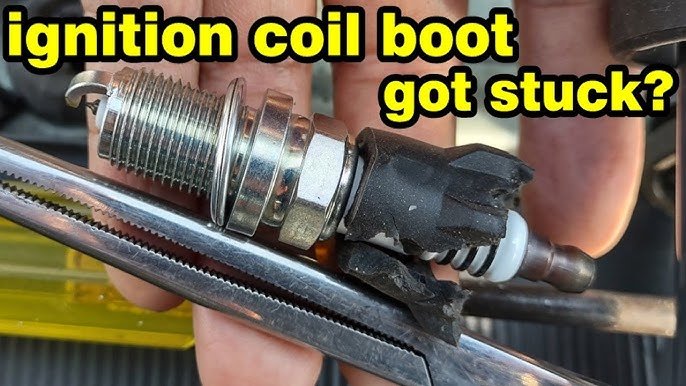
Facing a stuck spark plug can be one of the most frustrating moments when working on your vehicle. You’re ready to get the job done, but that stubborn spark plug just won’t budge.
The worry of causing damage or the thought of a costly mechanic visit may be looming over you. But before you throw in the towel, there’s good news. You can tackle this issue yourself with the right approach. Imagine the satisfaction of hearing that satisfying click as the plug finally comes free.
We’ll walk you through the steps you need to safely and effectively remove a stuck spark plug, ensuring you feel confident and in control. By the end of this guide, you’ll not only have solved the problem but also gained valuable skills for future maintenance tasks. Let’s dive in and get you back on the road with ease!

Credit: www.odyclub.com
Causes Of A Stuck Spark Plug
Dealing with a stuck spark plug can be frustrating, especially when you don’t know why it got stuck in the first place. Understanding the causes can help you avoid this problem in the future and make removal easier. Let’s look at the main reasons spark plugs get stuck in your engine.
Corrosion And Rust
One common cause of a stuck spark plug is corrosion and rust buildup inside the engine’s cylinder head. Moisture can seep in over time, especially if your vehicle is exposed to humid or wet conditions. This moisture reacts with the metal threads, creating rust that fuses the spark plug to the cylinder head.
Have you noticed how sometimes a spark plug looks perfectly fine but still won’t budge? That’s often corrosion silently locking it in place. Regular maintenance and using anti-seize lubricant during installation can help prevent this issue.
Over-tightening Issues
It’s tempting to tighten your spark plugs as much as possible, thinking it will secure them better. However, over-tightening can cause the threads to become damaged or even cause the spark plug to bind inside the cylinder head. This makes removal extremely difficult and increases the risk of breaking the plug.
Think about the last time you tightened a bolt too hard—did it feel like it was stuck? The same principle applies here. Proper torque specifications are crucial for easy removal and engine health.
Heat And Engine Wear
Engines run hot, and the constant heating and cooling cycles cause metal parts to expand and contract. Over time, this can cause the spark plug threads to seize up due to thermal expansion and wear. Older engines or those with high mileage are more prone to this problem.
If your engine has been through many heat cycles without spark plug replacement, the chances of a stuck plug rise significantly. Have you checked your spark plugs recently? Staying on top of replacement schedules can save you from this headache.

Credit: www.youtube.com
Tools Needed For Removal
Removing a stuck spark plug demands the right set of tools to avoid damage and frustration. Having these tools at hand not only makes the job easier but also protects your engine components. Let’s break down what you need to tackle this task confidently.
Socket Wrench And Spark Plug Socket
A socket wrench paired with a spark plug socket is essential. The spark plug socket is specially designed with a rubber insert or a magnetic feature that grips the plug securely. This prevents the plug from falling and getting lost once loosened.
Choose the correct socket size, usually 5/8 inch or 13/16 inch, depending on your spark plug. Using the wrong size can strip the plug and make removal much harder. Have you checked your vehicle’s manual to confirm the right socket size?
Penetrating Oil
Penetrating oil is a game-changer when dealing with stuck spark plugs. It seeps into the threads, loosening rust and corrosion that cause the plug to stick. Spray it around the base of the spark plug and let it sit for at least 10-15 minutes before attempting removal.
Don’t rush this step; patience can save you hours of frustration. If your spark plug has been in place for years, multiple applications may be necessary. Have you ever underestimated the power of a good penetrating oil?
Breaker Bar And Torque Wrench
A breaker bar gives you extra leverage to loosen a stubborn spark plug without risking damage to your wrench or socket. Its long handle multiplies your force, making stuck plugs easier to turn.
Once the plug is free, use a torque wrench to reinstall it correctly. Proper torque prevents over-tightening, which can cause thread damage or breakage. Are you confident in applying the right torque, or will you rely on your tool’s settings?
Additional Helpful Tools
- Spark Plug Gap Tool:To check and adjust the gap before installing a new plug.
- Compressed Air:To blow out debris around the plug hole before removal.
- Gloves and Safety Glasses:Protect your hands and eyes during the process.
- Extension Bars:For reaching plugs in tight or deep engine compartments.
Having these extras ready can save you from unexpected setbacks. What’s your go-to tool that always comes in handy during car repairs?
Preparation Steps
Before removing a stuck spark plug, proper preparation is essential. Taking the right steps ensures safety and makes the task easier. Skipping these steps can cause damage or injury. Follow these preparation steps carefully to protect your engine and tools.
Allowing The Engine To Cool
Never touch the spark plug while the engine is hot. A hot engine can burn your hands. Let the engine cool down for at least 30 minutes. This prevents damage to the spark plug and surrounding parts. Cooling also helps the metal contract, making removal safer.
Cleaning Around The Spark Plug
Dirt and debris around the spark plug can fall into the cylinder. Use a brush or compressed air to clean the area well. Remove all dust and grime before loosening the spark plug. This keeps the engine clean and avoids costly repairs.
Applying Penetrating Oil
Spray penetrating oil on the spark plug threads. This oil loosens rust and dirt that hold the plug tight. Let the oil sit for 10 to 15 minutes. Applying oil reduces the risk of breaking the spark plug during removal.

Credit: www.reddit.com
Techniques To Loosen The Spark Plug
Removing a stuck spark plug can be frustrating, but the right techniques can make the job much easier. Loosening a stubborn spark plug requires patience and careful handling to avoid damaging the threads or the engine. Below are practical methods you can try to free that stuck plug safely and effectively.
Gentle Rocking Motion
Start by applying a gentle rocking motion with your spark plug wrench. Instead of forcing it in one direction, try turning it slightly back and forth. This helps break the grip of rust or carbon deposits without putting too much strain on the threads.
Be patient and avoid rushing. Sometimes, just a few minutes of careful rocking can make the spark plug start to move. Have you noticed how a little back-and-forth movement can often prevent stripping the plug?
Using Heat To Expand Metal
Heat causes metal to expand, which can help loosen a stuck spark plug. You can carefully apply heat around the plug area using a heat gun or a propane torch. Just be cautious to protect nearby plastic or rubber parts from damage.
After heating, try turning the plug again with the wrench. The expansion and contraction from heating and cooling often break the bond holding the plug tight. Have you tried this technique when a plug just won’t budge?
Tapping To Loosen Debris
Tapping gently around the spark plug can help shake loose debris or corrosion that’s locking it in place. Use a small hammer or the handle of a screwdriver to tap the spark plug socket lightly. This vibration can free up particles that cause the plug to stick.
Don’t hit too hard—just enough to create some movement. This method works well in combination with the rocking motion to get things moving. When was the last time you used tapping to solve a mechanical problem?
When To Seek Professional Help
Knowing when to call a professional to remove a stuck spark plug can save you from costly repairs and frustration. Some situations demand expert attention because the risks involved could cause more harm than good if handled incorrectly. Recognizing these signs early will help you protect your engine and your wallet.
Signs Of Thread Damage
If you notice that the spark plug threads look stripped or damaged, stop immediately. Damaged threads can lead to poor engine performance and expensive repairs like re-threading or replacing the cylinder head. Trying to force a stuck plug with damaged threads often makes the problem worse.
Have you ever felt the spark plug spinning freely without loosening? That’s a clear sign the threads are compromised. At this point, professional tools and techniques are needed to fix the issue properly.
Risk Of Breaking The Plug
Stuck spark plugs sometimes resist removal so strongly that they break inside the engine. When this happens, you’re dealing with a much bigger problem. Extracting broken spark plug pieces requires special tools and experience.
If your spark plug feels unusually tight or you hear cracking noises, it’s time to stop. Pushing further could snap the plug’s ceramic insulator, making removal far more complicated. Professionals know how to handle these delicate situations without damaging your engine.
Complex Engine Designs
Modern engines often have tight spaces and complex layouts around spark plugs. This can make simple removal tricky for anyone without the right tools or knowledge. If your engine looks cramped or you’re unsure about how to access the plug, consider expert help.
Some engines require specific techniques or specialized equipment to avoid damaging surrounding parts. Have you checked your vehicle’s manual or researched online about your engine type? If you feel uncertain, a mechanic’s experience can prevent costly mistakes and save time.
Preventing Future Stuck Spark Plugs
Preventing spark plugs from getting stuck saves time and protects your engine. Stuck spark plugs happen when they are over-tightened or corroded inside the engine. Taking simple steps during installation and maintenance keeps spark plugs in good condition. Follow these easy tips to avoid future problems and keep your engine running smoothly.
Proper Installation Practices
Always clean the spark plug hole before installation. Use a torque wrench to tighten spark plugs to the correct specification. Avoid over-tightening, which can damage threads or cause plugs to seize. Hand-thread the spark plug first to ensure it fits smoothly. Correct installation reduces the risk of spark plugs getting stuck later.
Using Anti-seize Compound
Apply a small amount of anti-seize compound on the spark plug threads. This prevents corrosion and makes removal easier. Do not use too much compound; a thin layer is enough. Anti-seize protects metal parts from rust and heat damage. It helps spark plugs turn freely even after long use.
Regular Maintenance Tips
- Inspect spark plugs every 20,000 to 30,000 miles.
- Replace worn or damaged spark plugs promptly.
- Check for oil or debris around spark plug holes.
- Keep engine clean to reduce corrosion risks.
- Use quality spark plugs designed for your engine.
Routine checks catch issues early and prevent spark plugs from sticking. Clean and well-maintained spark plugs improve engine performance and fuel efficiency.
Frequently Asked Questions
How Do I Safely Remove A Stuck Spark Plug?
Apply penetrating oil and let it sit for 15-20 minutes. Use a spark plug socket with a breaker bar for gentle, steady pressure. Avoid sudden force to prevent thread damage.
What Tools Are Needed To Remove A Stuck Spark Plug?
You’ll need a spark plug socket, breaker bar, penetrating oil, and possibly a torque wrench. These tools help loosen and safely extract the stuck spark plug.
Can Heat Help Loosen A Stuck Spark Plug?
Yes, heating the engine area can expand metal parts, easing removal. Use a heat gun carefully; avoid excessive heat to prevent damage.
How To Prevent Spark Plugs From Getting Stuck?
Apply anti-seize lubricant to spark plug threads before installation. Proper torque and regular maintenance also reduce the chance of spark plugs sticking.
Conclusion
Removing a stuck spark plug takes patience and care. Use the right tools and apply gentle force. Avoid rushing to prevent damage to your engine. A little effort can save you time and money. Keep your spark plugs clean and well-maintained for best results.
Remember, safety comes first when working on any vehicle. Follow these steps, and you will handle stuck spark plugs with confidence. Simple actions lead to smoother engine performance and longer spark plug life.





