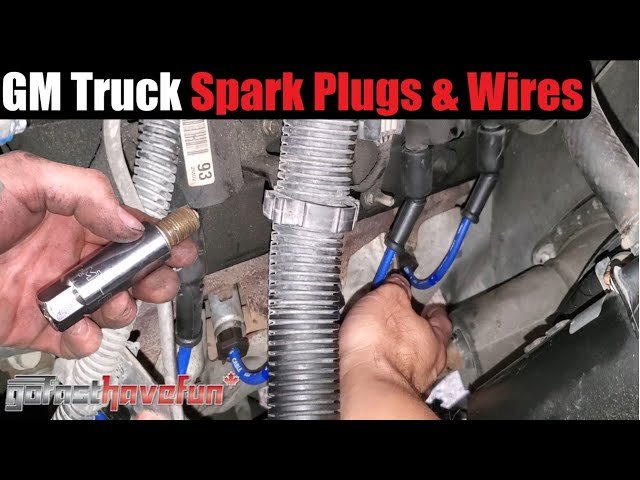
Have you ever felt your car isn’t running as smoothly as it used to? It might be time to replace your spark plugs and wires.
These small components play a big role in keeping your engine running efficiently. When they start to wear out, your car can lose power and fuel efficiency. But don’t worry, replacing them is easier than you might think, and doing it yourself can save you money.
In this guide, you’ll discover the simple steps to swap out those old plugs and wires with fresh ones, ensuring your car runs like a dream. Stick around, and you’ll gain the confidence and know-how to tackle this essential maintenance task.

Credit: www.youtube.com
Tools And Materials Needed
Replacing spark plugs and wires requires specific tools and materials. Having the right items makes the job easier and safer. Prepare everything before starting to avoid interruptions.
Essential Tools
- Spark plug socket wrench – fits spark plugs perfectly
- Ratchet with extension – helps reach deep spark plugs
- Gap gauge – measures spark plug gap accurately
- Torque wrench – tightens plugs to manufacturer specs
- Dielectric grease – protects spark plug boots from moisture
- Flathead screwdriver – removes clips or covers
- Gloves – protect your hands from dirt and heat
- Safety glasses – shield eyes from debris
Choosing The Right Spark Plugs And Wires
Select spark plugs recommended for your vehicle model. Check the owner’s manual or manufacturer’s website for specifications.
Match the wire set to your engine type and plug design. High-quality wires ensure better spark delivery and engine performance.
| Type | Material | Best For |
|---|---|---|
| Copper | Copper core | Older cars, budget-friendly |
| Platinum | Platinum tip | Longer life, better durability |
| Iridium | Iridium tip | High performance, long-lasting |

Credit: www.carsales.com.au
Preparing Your Vehicle
Before diving into replacing your spark plugs and wires, getting your vehicle ready is key. Proper preparation not only makes the task smoother but also keeps you safe and prevents damage to your engine. Taking a moment to prepare sets a solid foundation for success and confidence in your DIY skills.
Safety Precautions
Always start by disconnecting the battery. This cuts off electrical power and reduces the risk of shocks or short circuits.
Wear gloves to protect your hands from dirt and sharp edges. Safety glasses are also a good idea to shield your eyes from debris or accidental sparks.
Make sure the engine is completely cool before touching any components. Hot parts can cause burns and make the job uncomfortable or dangerous.
Locating Spark Plugs And Wires
Open your vehicle’s hood and look for the spark plug wires connected to the engine block or cylinder head. They usually run from the distributor or ignition coil pack to the spark plugs.
If you’re unsure, check your vehicle’s manual or look for online diagrams specific to your car model. Identifying each wire’s position helps avoid mixing them up later.
Take a photo or label each wire before removal. This small step saves you from a frustrating guessing game during reinstallation.
Removing Old Spark Plugs And Wires
Removing old spark plugs and wires is a key step before installing new ones. This process ensures the engine runs smoothly and efficiently. Take your time to avoid damaging any parts.
Careful handling of wires and plugs helps prevent future engine problems. Clean removal allows you to check for wear or damage on each component.
Disconnecting Spark Plug Wires
Start by locating each spark plug wire on the engine. Gently grasp the boot, not the wire itself. Pull the boot straight out to disconnect it. Twisting or yanking the wire can cause damage. Use a bit of force, but be careful.
Keep track of the wire order. Labeling wires with tape helps keep them organized. This step prevents mixing up connections later.
Extracting Spark Plugs
Use a spark plug socket and ratchet to loosen each plug. Turn counterclockwise until the plug is free. Remove the plug carefully by hand afterward. Check the plug condition for signs of wear or damage.
Clean the spark plug hole with compressed air before installing new plugs. This clears debris and helps ensure a good seal.
Installing New Spark Plugs
Installing new spark plugs is a key part of maintaining your car’s engine. Fresh plugs improve fuel efficiency and engine power. Proper installation ensures your engine runs smoothly without misfires or rough idles.
Checking And Gapping Spark Plugs
Check the spark plugs before installation. Make sure they match your vehicle’s specifications. Use a spark plug gap tool to measure the gap between the electrodes. Adjust the gap carefully if it is not correct. A wrong gap can cause poor engine performance or damage.
Inserting And Tightening Spark Plugs
Insert the spark plug into the cylinder head by hand first. This prevents cross-threading and damage. Use a spark plug socket and ratchet to tighten the plug. Tighten until snug, then give a small additional turn. Do not overtighten, as this can strip the threads or break the plug.
Installing New Spark Plug Wires
Installing new spark plug wires ensures your engine runs smoothly. Proper installation helps avoid misfires and power loss. Take care to handle wires gently to prevent damage. Correct placement of each wire is crucial for engine performance.
Matching Wire Lengths
Use the new wires that match the old ones in length. Each wire has a specific length for its cylinder. Lay the wires side by side to check their size. Avoid stretching wires to fit. Proper length prevents strain and connection problems.
Connecting Wires Correctly
Attach wires to the correct spark plug and distributor terminal. Each wire should connect to the matching cylinder. Follow the firing order of your engine carefully. Push wires firmly onto the spark plug and terminal. Loose connections cause engine misfires and rough running.

Credit: www.youtube.com
Testing The Replacement
Testing the replacement spark plugs and wires is a key step to confirm proper installation. This ensures your engine runs smoothly and avoids future issues. Careful checks help catch any mistakes early and maintain vehicle performance.
Starting The Engine
Turn the ignition key and listen closely as the engine starts. A smooth start means the spark plugs and wires are working well. If the engine struggles or stalls, turn it off immediately. Double-check connections and the spark plug gaps before trying again.
Checking For Performance Issues
Drive the vehicle at different speeds to monitor its response. Watch for rough idling, hesitation, or misfires. These signs suggest a problem with the spark plugs or wires. Check all connections and replace any faulty parts if needed. Proper testing prevents engine damage and improves fuel efficiency.
Maintenance Tips
Proper maintenance of spark plugs and wires keeps your engine running smoothly. Regular checks prevent engine misfires and poor fuel economy. Knowing when and how to replace these parts saves money and time. Follow simple tips to extend their life and maintain performance.
When To Replace Spark Plugs And Wires
Replace spark plugs every 30,000 to 50,000 miles. This varies by car model and plug type. Wires should be replaced every 60,000 miles or sooner if damaged. Check your vehicle’s manual for exact intervals. Early replacement avoids engine problems and improves fuel efficiency.
Signs Of Wear And Tear
- Engine misfires or rough idling.
- Difficulty starting the engine.
- Reduced fuel efficiency.
- Visible damage or corrosion on wires.
- Worn or dirty spark plug tips.
- Engine hesitation or loss of power.
Spot these signs quickly to prevent bigger issues. Regular inspection helps catch wear before failure.
Frequently Asked Questions
How Often Should Spark Plugs And Wires Be Replaced?
Spark plugs and wires usually last 30,000 to 50,000 miles. Check your vehicle’s manual for specific intervals. Replace sooner if you notice engine misfires or poor performance.
What Tools Are Needed To Replace Spark Plugs And Wires?
You need a spark plug socket, ratchet, extension, and a gap gauge. Also, use dielectric grease and pliers to remove and install wires safely.
Can I Replace Spark Plugs And Wires Myself?
Yes, with basic mechanical skills and proper tools, you can replace them. Follow safety precautions and your vehicle’s guide for a smooth process.
How Do I Know If Spark Plugs Or Wires Are Faulty?
Look for engine misfires, rough idling, or poor fuel efficiency. Visual inspection may show worn plugs or cracked wires. These signs indicate replacement is needed.
Conclusion
Replacing spark plugs and wires can save money and improve car performance. Follow each step carefully for best results. Take your time and stay safe during the process. Regular maintenance keeps your engine running smoothly. Small efforts lead to big benefits for your vehicle.
Try this task yourself and gain confidence. Your car will thank you with better starts and fuel use. Simple care helps avoid costly repairs later. Keep tools ready and instructions close by. Now, you know how to replace spark plugs and wires easily.





