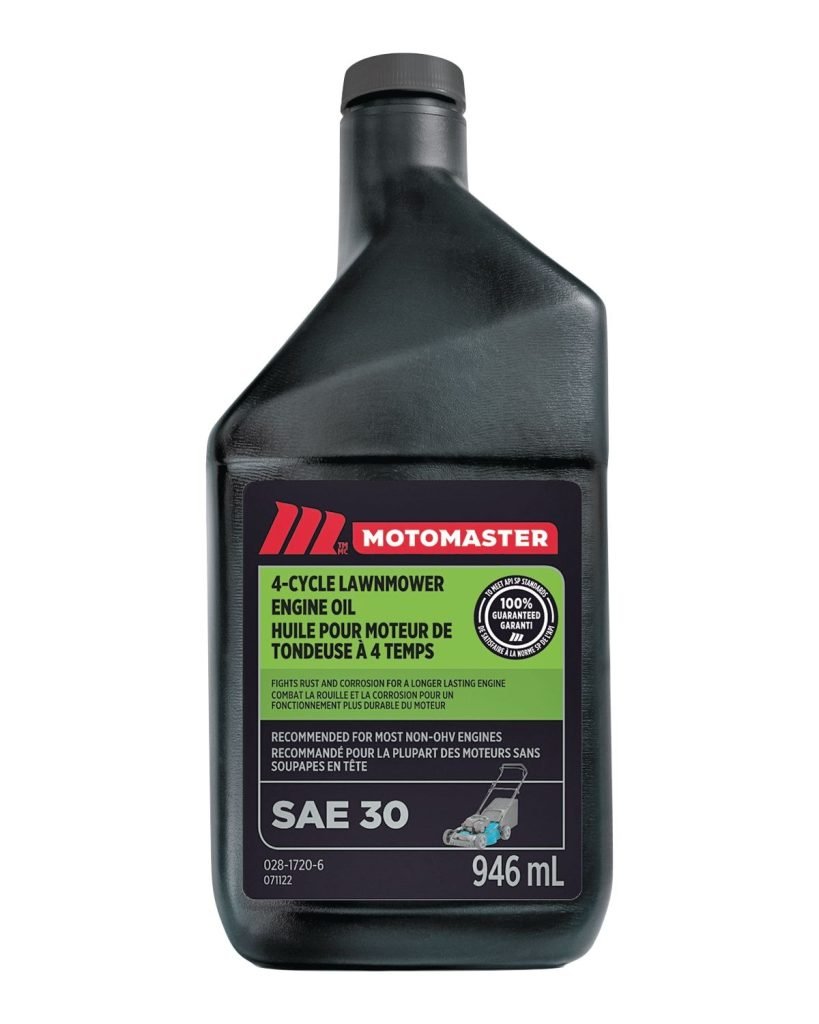
Are you scratching your head over which oil to use for your lawn mower? You’re not alone!
Choosing the right oil is crucial for keeping your mower running smoothly and extending its life. You might be tempted to grab any old bottle off the shelf, but that could lead to costly repairs or even a new mower purchase sooner than you’d like.
The wrong oil can cause overheating, reduced efficiency, and can even damage your engine. By the end of this article, you’ll have a clear understanding of the best oil options for your lawn mower, ensuring it performs at its peak. Ready to make the best choice for your machine? Let’s dive in!

Credit: lawnsmartkc.com
Choosing The Right Oil
Choosing the right oil for your lawn mower is key to keeping it running smoothly and extending its life. Using the incorrect oil can lead to poor performance, increased wear, or even engine damage. Understanding the types of oils available and how to pick the right one for your mower can save you time and money.
Types Of Lawn Mower Oils
Lawn mower oils come in several types, each designed for different engine needs. The most common ones are:
- SAE 30:Ideal for warm weather and single-cylinder engines.
- 10W-30:A multi-viscosity oil that works well in varying temperatures.
- 5W-30:Best for cold starts and cooler climates.
Many mower manufacturers specify the oil type in the manual. Ignoring these recommendations can cause your engine to run inefficiently or overheat.
Synthetic Vs Conventional Oils
Synthetic oils are chemically engineered to provide better protection under extreme conditions. They resist breakdown, reduce engine deposits, and improve fuel efficiency.
Conventional oils, on the other hand, are refined from crude oil and typically cost less. They work fine for most standard lawn mower engines but may require more frequent changes.
Think about how often you mow and the conditions you mow in. If you mow frequently or in hot weather, synthetic oil might be worth the investment for longer engine life.
Viscosity And Its Importance
Viscosity measures how thick or thin the oil is at certain temperatures. The right viscosity ensures the oil flows well and protects engine parts effectively.
Using oil that’s too thick can cause poor circulation, while oil that’s too thin may not protect the engine adequately. Check your mower’s manual for the recommended viscosity grade.
Have you noticed your mower struggles to start or runs roughly? The wrong oil viscosity could be the culprit. Adjusting it can improve performance and reduce wear.
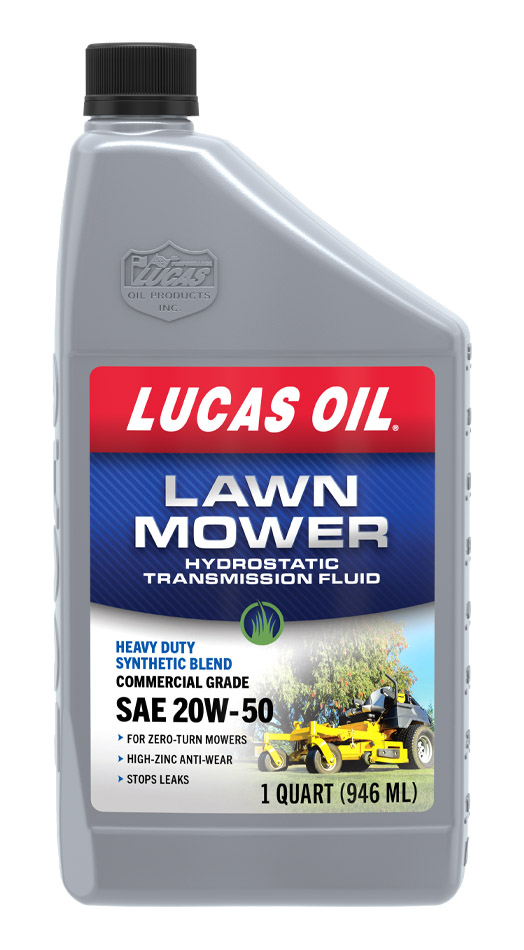
Credit: www.lucasoil.com
Oil Specifications To Look For
Choosing the right oil for your lawn mower helps keep the engine healthy. Knowing what oil specifications to check ensures better performance and longer engine life. Several factors affect oil quality and suitability for your mower.
Understanding oil specifications helps you pick the best option. These details guide you in selecting oil that fits your mower’s needs and running conditions.
Sae Ratings Explained
SAE stands for Society of Automotive Engineers. It measures oil thickness or viscosity. Viscosity affects how oil flows at different temperatures.
- Lower numbers like 5W mean thinner oil at cold start.
- Higher numbers like 30 mean thicker oil at normal engine heat.
- Common lawn mower oils are SAE 30 or 10W-30.
- 10W-30 works well in both cold and warm weather.
Choose an SAE rating based on your climate and mower use.
Api Service Categories
API stands for American Petroleum Institute. It sets oil quality standards. The API service category tells you the oil’s performance level.
- For lawn mowers, look for “SJ” or higher categories.
- “SL” and “SM” indicate better protection and cleaner engines.
- Using the right API rating prevents engine wear and deposits.
Check the oil label for the API service symbol before buying.
Manufacturer Recommendations
Always check your mower’s manual for oil specs. Manufacturers test and suggest oil types for their engines.
- Some mowers need synthetic oil; others use conventional.
- Using the recommended oil keeps warranty valid.
- Following guidance helps avoid engine damage and costly repairs.
When unsure, trust the manufacturer’s advice over general rules.
Changing Lawn Mower Oil
Changing the oil in your lawn mower is a simple yet essential task that keeps your mower running smoothly and extends its life. Fresh oil lubricates the engine parts, reduces friction, and prevents overheating. Ignoring oil changes can lead to costly repairs and poor performance.
When To Change Oil
Check your mower’s manual for specific recommendations, but a common rule is to change the oil after the first 5 hours of use on a new mower. After that, changing the oil every 25 to 50 hours of operation or at least once a mowing season works well.
If your mower has been sitting unused for months, it’s a good idea to change the oil before starting it up again. Dark, dirty oil or oil that smells burnt is a clear sign it needs replacing. Have you ever noticed your mower running rough? Old oil could be the culprit.
Step-by-step Oil Change Process
- Start by warming up the engine for a few minutes to thin the oil, making it easier to drain.
- Turn off the mower and disconnect the spark plug wire for safety.
- Place an oil drain pan under the mower’s oil drain plug or oil fill tube.
- Remove the drain plug or tip the mower to drain the old oil into the pan.
- Once drained, replace the drain plug securely.
- Use a funnel to pour the recommended type and amount of fresh oil into the fill tube.
- Check the oil level with the dipstick and add more if necessary.
- Reconnect the spark plug wire and start the mower to check for leaks.
Following these steps carefully ensures your mower engine stays protected. Have you ever skipped a step and paid for it later?
Disposing Of Used Oil Properly
Used motor oil is hazardous to the environment and must never be poured on the ground or into drains. Collect the drained oil in a sealed container to avoid spills.
Take the used oil to a local recycling center, auto parts store, or service station that accepts oil for recycling. Many communities offer free disposal services—check what’s available near you.
Proper disposal protects wildlife and water supplies, turning your small action into a positive impact. What’s your plan for handling used oil safely?
Common Oil Mistakes To Avoid
Using the correct oil for your lawn mower is vital for its smooth operation. Many people make simple oil mistakes that can harm the engine. Avoiding these errors can extend your mower’s life and keep it running well.
Using Wrong Oil Type
Not all oils work the same for lawn mowers. Using the wrong oil type can cause poor lubrication and engine damage. Always check the mower’s manual for the recommended oil. Choose oils made for small engines. Avoid car engine oils unless specified.
Overfilling Or Underfilling
Adding too much oil can cause pressure build-up and leaks. Too little oil leads to poor lubrication and engine wear. Fill the oil to the level mark on the dipstick. Check the level regularly and adjust as needed.
Neglecting Regular Oil Changes
Old oil loses its ability to protect the engine. Dirt and debris collect in the oil over time. Change the oil after every 25 hours of use or once a season. Fresh oil helps the engine run cooler and lasts longer.
Tips For Maintaining Peak Performance
Maintaining your lawn mower’s peak performance needs regular care and attention. Small efforts keep the engine running smoothly and extend the mower’s life. Proper oil use is just one part of good upkeep.
Regular Maintenance Schedule
Set a routine for mower check-ups. Follow the manufacturer’s guide for oil changes and air filter cleaning. Regular checks prevent damage and improve cutting quality. Keep a calendar or reminder for service dates.
Checking Oil Levels
Check oil before every use or at least once a week. Use the dipstick to measure oil level correctly. Add oil if it’s below the recommended mark. Clean oil helps the engine run cool and reduces wear.
Storing Lawn Mower Correctly
Store your mower in a dry, covered place. Drain the oil or use a stabilizer if storing for months. Clean the mower to remove grass and dirt. Proper storage prevents rust and engine problems.
Credit: www.equipmentguys.ca
Frequently Asked Questions
What Type Of Oil Is Best For Lawn Mowers?
Use SAE 30 oil for most lawn mowers in warm weather. For colder climates, 10W-30 multi-viscosity oil works well. Always check your mower’s manual for specific recommendations to ensure optimal engine performance and longevity.
How Often Should I Change Lawn Mower Oil?
Change your lawn mower oil after every 25 hours of use or at least once per mowing season. Regular oil changes keep the engine lubricated, reduce wear, and improve mower efficiency.
Can I Use Automotive Oil In My Lawn Mower?
Yes, you can use automotive 10W-30 oil in lawn mowers, especially in multi-viscosity formulations. However, always verify with your mower’s manual to ensure compatibility and maintain engine health.
Why Is Synthetic Oil Good For Lawn Mowers?
Synthetic oil offers better engine protection in extreme temperatures. It reduces engine wear, improves fuel efficiency, and lasts longer than conventional oil. Synthetic oil is ideal for high-performance or frequently used mowers.
Conclusion
Choosing the right oil keeps your lawn mower running smoothly. Use the oil type recommended in your mower’s manual. Regular oil changes protect the engine from damage and wear. Clean oil helps the mower work efficiently and last longer. Always check the oil level before each use.
A well-maintained mower saves time and money on repairs. Take care of your mower, and it will take care of your lawn. Simple steps make a big difference in mower performance.





