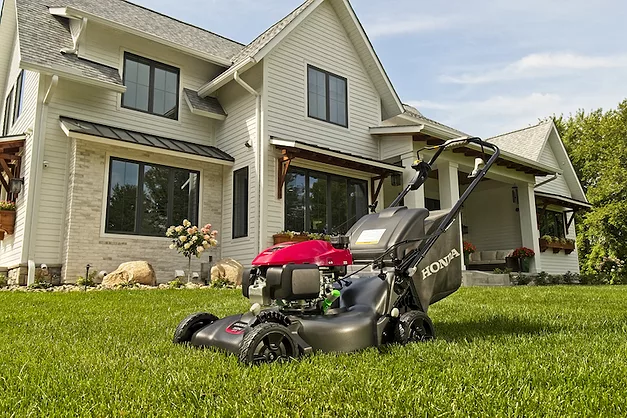
Have you ever wondered why one of the most trusted names in outdoor equipment is stepping away from the lawn mower market? If you’re a proud Honda lawn mower owner or considering buying one, this news might have caught your attention.
You might be asking yourself, “What does this mean for me and my lawn care routine? ” We’ll uncover the real reasons behind Honda’s surprising decision to discontinue their lawn mowers. You’ll discover the factors influencing this move and what it could mean for you as a consumer.
Stay with us as we delve into the future of lawn care and explore how this change might affect your weekend mowing plans. Get ready to learn everything you need to know about Honda’s strategic shift and its impact on your backyard maintenance.
Honda’s lawn mower Legacy
Honda’s lawn mower legacy is a story of reliability and innovation that has stood the test of time. For decades, Honda mowers have been trusted by homeowners and professionals alike. Their machines are known for durability, ease of use, and outstanding performance.
If you’ve ever used a Honda lawn mower, you know they feel solid and well-built. This reputation didn’t come overnight; it was earned through consistent quality and smart design choices. But what exactly made Honda a key player in the lawn mower market?
Market Presence And Popular Models
Honda established a strong market presence by offering a wide range of lawn mowers tailored to different needs. From compact push mowers perfect for small yards to powerful self-propelled models, Honda covered it all.
Some popular models include the HRX series, known for its Versamow system that lets you mulch, bag, discharge, or shred leaves with one mower. The HRR series also gained fans for its reliability and easy handling.
Honda’s focus on customer needs helped build a loyal base. Many users appreciated the quiet operation and fuel efficiency, especially in comparison to other brands.
Technological Innovations
Honda didn’t just make mowers; they engineered smarter machines. Their advanced engine technology reduced emissions and improved fuel economy, which made a real difference for regular users.
One standout feature is the GCV engine, designed to deliver smooth power while being compact and lightweight. This innovation made mowing less tiring and more efficient.
Another innovation was the micro-cut twin blades that deliver finer clippings, enhancing lawn health by promoting quicker decomposition. Have you noticed how your grass looks greener and healthier after mowing with a Honda?
Honda’s commitment to easy maintenance also set them apart. Features like tool-less blade removal and simple oil checks meant you could spend less time fixing and more time enjoying your yard.

Credit: www.reddit.com
Industry Challenges Faced
The decision by Honda to discontinue their lawn mowers is not made lightly. Behind this move lie significant challenges faced by the industry as a whole. Understanding these hurdles helps you see why even a giant like Honda must adapt or step back from certain markets.
Rising Production Costs
Costs for raw materials like steel and plastic have surged dramatically in recent years. These increases directly affect how much it costs to build each lawn mower.
Labor expenses are also climbing, especially with the need for skilled technicians in manufacturing. Honda must balance quality with affordability, but rising costs squeeze profit margins tightly.
Have you noticed prices going up on other outdoor equipment too? This trend forces companies to rethink their entire production approach or risk losing customers.
Changing Consumer Preferences
More people now prefer eco-friendly and quieter lawn care options. Gas-powered mowers, which Honda is known for, don’t always fit these new expectations.
Battery-powered and robotic mowers are gaining popularity because they require less maintenance and produce zero emissions. This shift means companies must invest heavily in new technology to stay relevant.
Are you considering switching to a battery-powered mower? This change in what buyers want plays a huge role in Honda’s decision to exit the traditional mower market.
Competitive Market Landscape
The lawn mower market has become fiercely competitive over the years. Many brands now offer a wide range of products. This competition affects established companies like Honda. They face pressure to maintain market share and profitability. The competitive landscape shapes Honda’s decision to stop making lawn mowers.
Emergence Of New Competitors
Many new brands have entered the lawn mower market recently. These companies offer innovative and affordable models. Some specialize in electric and battery-powered mowers. They attract customers looking for eco-friendly options. New competitors use aggressive marketing to gain attention. This increases the challenge for Honda to stand out.
Price Wars And Profit Margins
Price competition is intense among lawn mower manufacturers. Brands often lower prices to attract more buyers. This strategy reduces profit margins for all players. Honda struggles to compete with lower-priced alternatives. Maintaining quality while cutting costs becomes difficult. Lower profits make it hard to justify continuing production.
Environmental And Regulatory Pressures
Honda’s decision to stop making lawn mowers is influenced by growing environmental and regulatory pressures. Governments worldwide enforce strict rules to reduce pollution. These rules affect how lawn mowers are designed and produced. Meeting new standards can be costly and complex for manufacturers. Honda must adapt to these changes or shift focus to other products.
Emission Standards Impact
New emission standards limit harmful gases from small engines. Lawn mowers emit carbon monoxide and other pollutants. These emissions contribute to air pollution and health problems. Honda faces challenges in redesigning engines to meet stricter limits. The cost to develop cleaner engines rises significantly. Compliance with these standards requires advanced technology and investment.
Shift Toward Eco-friendly Alternatives
Consumers and governments prefer eco-friendly lawn care options. Electric and battery-powered mowers produce zero emissions. These alternatives reduce noise and pollution in neighborhoods. Honda is investing more in electric power equipment. The market demand for gas-powered mowers is shrinking fast. This shift encourages Honda to focus on greener products and phase out old models.
Strategic Business Decisions
Honda’s decision to discontinue their lawn mowers reflects more than just a shift in product availability. It’s a strategic move shaped by careful business planning. Understanding these decisions can help you see how large companies adapt to changing markets and focus their energy where it counts.
Focus On Core Product Lines
Honda is known for its strong presence in motorcycles, cars, and power equipment. By stepping back from lawn mowers, the company can channel resources into these core areas. This means better innovations and improved quality where Honda already leads.
Think about your own priorities. Would focusing on fewer things help you deliver better results? Honda believes the answer is yes, and they are making tough choices to stick to their strengths.
Investment In New Technologies
Technology is moving fast, especially in clean energy and automation. Honda wants to put more effort into developing electric vehicles and advanced robotics rather than traditional gas-powered mowers. This shift aligns with global trends and customer demands for sustainability.
Imagine if you had to choose between updating old tools or investing in the latest tech. Which would give you a bigger advantage? Honda’s choice shows a clear bet on the future, leaving behind products that don’t fit that vision.

Credit: www.youtube.com
Customer Reactions And Market Impact
The decision by Honda to discontinue its lawn mower line has stirred a mix of emotions among customers and created noticeable ripples in the market. This change affects not only those who rely on Honda’s reliable equipment but also dealers and service providers connected to the brand. Understanding these reactions can help you see the bigger picture and prepare for what’s next in lawn care options.
Consumer Sentiments
Many loyal Honda mower users feel a sense of loss. They trusted Honda for durability and performance, so the announcement hit them hard.
Some customers worry about finding equally reliable replacements. You might ask yourself, what brand will offer the same quality and longevity?
Others see this as a chance to explore new technologies, such as battery-powered mowers. This shift could change how you maintain your lawn and what features you prioritize.
- Concern over parts availability for existing mowers
- Curiosity about alternative brands and models
- Interest in electric and eco-friendly options
Effect On Dealers And Service Networks
Dealers who specialized in Honda lawn mowers face a tough adjustment. Their sales strategies must pivot quickly to meet changing customer demands.
Service centers worry about maintaining support for current Honda mower owners. You might find it harder to get repairs or replacement parts as time goes on.
Some dealers are expanding their product lines to include other trusted brands. This move aims to keep customers satisfied and maintain steady business.
| Impact Area | Details |
|---|---|
| Sales | Reduced Honda mower inventory, shift to alternative brands |
| Service | Challenges in sourcing parts, increased focus on servicing existing machines |
| Customer Support | Need for enhanced support to ease customer transitions |
How will this change your lawn care routine? Will you stick with familiar brands or explore new options? Your choice may shape the future of your outdoor maintenance.
Future Of Lawn Care Post-honda
The future of lawn care is changing as Honda steps away from lawn mower production. This shift creates space for new ideas and technology. Homeowners and professionals will soon experience different choices in lawn equipment. The industry is moving toward smarter, greener solutions. This change opens doors for innovation and better tools for lawn maintenance.
Emerging Trends In Lawn Equipment
Battery-powered mowers are gaining popularity. They offer quieter operation and less pollution. Robotic mowers are becoming common for easy, automatic lawn care. Smart technology lets users control mowers with apps and voice commands. Eco-friendly designs focus on reducing energy use and emissions. Lightweight materials improve maneuverability and user comfort. These trends point to a future with more efficient and user-friendly lawn tools.
Opportunities For Other Brands
Honda’s exit allows other companies to grow. Brands that innovate can attract Honda’s loyal customers. New players can introduce unique features to stand out. Businesses can focus on sustainability to meet rising demand. There is room for both affordable and premium products. Service and support will be key to winning trust. This moment is a chance for brands to reshape lawn care.

Credit: www.reddit.com
Frequently Asked Questions
Why Is Honda Stopping Lawn Mower Production?
Honda is discontinuing lawn mowers due to shifting business priorities. They aim to focus on more profitable and innovative product lines. Market demand and environmental regulations also influenced this strategic decision.
When Will Honda Lawn Mowers Be Discontinued?
Honda plans to phase out lawn mower production by the end of 2024. Existing inventory will be available through dealers until supplies last. Customers should act soon if interested in Honda mowers.
Will Honda Continue Making Lawn Mower Parts?
Yes, Honda will support existing lawn mowers with replacement parts. Parts availability will continue for several years to assist current mower owners. This ensures product longevity despite discontinuation.
What Alternatives Does Honda Offer For Lawn Care?
Honda is focusing on robotic mowers and power equipment. These alternatives offer advanced technology and eco-friendly solutions. Customers can explore these options for efficient lawn maintenance.
Conclusion
Honda is stopping lawn mower production to focus on new areas. They want to invest in electric and robotic technologies. This shift aims to meet changing customer needs and environmental rules. Honda will keep making other outdoor tools and vehicles.
Many fans may feel disappointed but can expect fresh innovations soon. The lawn mower market will see changes, and other brands will fill the gap. Staying informed helps you choose the best products for your lawn care needs. Change brings new chances and options for everyone.





