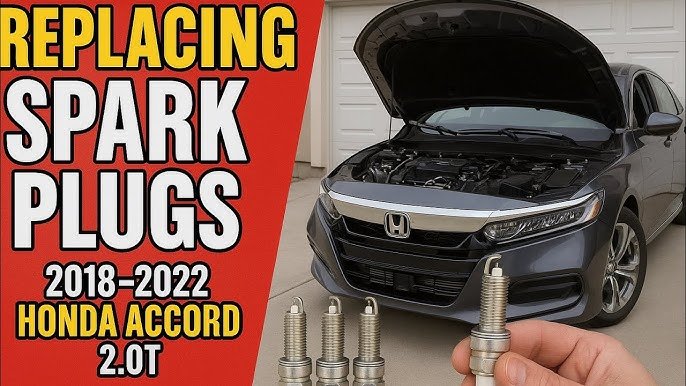
Are you wondering if it’s time to change the spark plugs in your Honda Accord? You’re not alone.
Many Honda Accord owners grapple with this question, unsure of the signs to look for or the potential risks of waiting too long. Spark plugs might be small, but they play a huge role in your car’s performance. Ignoring them could lead to poor fuel efficiency, sluggish acceleration, and even more costly repairs down the line.
In this guide, we’ll help you identify the tell-tale signs that it’s time for a change. Plus, we’ll share expert tips to ensure your Honda Accord stays in peak condition. Ready to keep your ride smooth and efficient? Let’s dive in.
Signs Of Worn Spark Plugs
Worn spark plugs can cause many problems in your Honda Accord. They affect how the engine runs and how your car feels. Knowing the signs helps you fix the issue early. This keeps your car safe and saves money on repairs.
Engine Misfires And Rough Idling
Worn spark plugs cause the engine to misfire. The engine may jerk or hesitate while driving. You might feel rough idling when the car is stopped. The engine sound can be uneven or shaky. These signs show the spark plugs are not firing properly.
Reduced Fuel Efficiency
Bad spark plugs waste fuel. Your Honda Accord will use more gas than usual. You may notice fewer miles per gallon on trips. This happens because the engine burns fuel less efficiently. Changing spark plugs improves fuel economy and saves money.
Difficulty Starting The Engine
Old spark plugs make starting the car harder. The engine might take longer to start or fail to start. You could hear a clicking sound when turning the key. This means the spark plugs cannot ignite the fuel properly. Replacing them helps the engine start smoothly again.

Credit: www.youtube.com
Recommended Replacement Intervals
Knowing the recommended replacement intervals for spark plugs in your Honda Accord can save you time and money. Spark plugs play a crucial role in your engine’s performance and fuel efficiency. Changing them at the right time ensures your car runs smoothly and avoids unexpected breakdowns.
Manufacturer Guidelines For Honda Accord
Honda provides specific recommendations for spark plug replacement based on the model year and engine type of your Accord. Typically, newer models with iridium or platinum spark plugs can last between 60,000 to 100,000 miles. Older models or those with standard copper plugs usually require replacement every 30,000 miles.
Always refer to your owner’s manual for exact intervals. Honda’s guidelines are designed to optimize engine performance and maintain warranty coverage. Ignoring these intervals can lead to reduced fuel efficiency and engine misfires.
Factors Affecting Spark Plug Lifespan
Your driving habits and conditions heavily influence how long spark plugs last. Frequent short trips, stop-and-go traffic, or dusty environments can wear spark plugs faster. If you often tow heavy loads or drive in extreme temperatures, expect to replace them sooner.
Quality of the spark plug also matters. High-performance or OEM (original equipment manufacturer) plugs tend to last longer. Have you noticed rough idling or difficulty starting your car? These signs might mean it’s time to inspect your spark plugs regardless of mileage.
Types Of Spark Plugs For Honda Accord
Spark plugs are essential for a Honda Accord’s engine to run smoothly. Different types of spark plugs offer various benefits. Choosing the right type helps maintain engine performance and fuel efficiency.
Each spark plug type has a unique material and design. These factors affect longevity, ignition, and cost. Understanding these types guides you to the best choice for your Accord.
Standard Copper Plugs
Standard copper spark plugs have a solid copper core. They provide excellent heat conductivity. Copper plugs ignite fuel well but wear out faster than other types. These plugs usually last around 20,000 to 30,000 miles. They are affordable and easy to replace. Ideal for older Accord models or low-mileage drivers.
Platinum And Iridium Plugs
Platinum plugs have a platinum tip for longer life. They resist wear better than copper plugs. Iridium plugs have an even finer tip, offering superior durability. Both types last between 60,000 to 100,000 miles. They improve fuel efficiency and reduce emissions. These plugs are suitable for newer Honda Accord models. They cost more but need fewer replacements.
Choosing The Right Spark Plug
Check the owner’s manual for recommended spark plugs. Consider your driving habits and car age. Copper plugs fit well for short trips or older cars. Platinum or iridium plugs suit daily drivers or long distances. Always pick spark plugs that match your engine’s needs. Proper plugs ensure smooth starts and better fuel use.
How To Check Spark Plug Condition
Checking the condition of your Honda Accord’s spark plugs is key to maintaining smooth engine performance and fuel efficiency. You don’t need to be a mechanic to spot signs that your spark plugs might need changing. Let’s break down simple ways you can inspect them yourself and know when it’s time to get professional help.
Visual Inspection Tips
Start by removing the spark plug carefully using the right socket wrench. Look closely at the electrode and insulator for wear or damage.
- Color:A healthy spark plug usually has a light tan or grayish color on the tip.
- Deposits:Black, oily, or sooty deposits can signal engine oil leaks or poor combustion.
- Wear:Rounded or eroded electrodes reduce spark efficiency and indicate the plug is past its prime.
- Cracks or Chips:Any visible damage means it should be replaced immediately.
Have you ever noticed your car stalling or misfiring? Visual checks might reveal the cause right there on the plug.
Using Diagnostic Tools
Modern tools make spark plug assessment easier and more precise. A multimeter can measure the plug’s resistance and detect internal faults.
- Use an ohmmeter setting to test resistance between the terminal and the electrode.
- High resistance often means the spark plug is failing to conduct electricity properly.
- OBD-II scanners can also detect misfire codes related to spark plug problems.
These tools can save you from guessing and help pinpoint issues early. Do you have access to these diagnostic gadgets, or would you consider investing in one?
When To Consult A Mechanic
If you’re unsure about the condition after your checks, or if your Honda Accord shows symptoms like rough idling, poor fuel economy, or hard starting, it’s wise to see a professional.
Complex engine issues might affect spark plug performance, and a mechanic can perform a thorough inspection and replacement if needed.
Sometimes, what looks like a spark plug problem could be something else entirely. Don’t risk further damage by delaying expert advice.
Diy Spark Plug Replacement Steps
Changing spark plugs in a Honda Accord can improve engine performance and fuel efficiency. Doing it yourself saves money and helps you understand your car better. Follow these simple steps to replace your spark plugs safely and correctly.
Tools Needed
- Spark plug socket (usually 5/8 inch)
- Ratchet wrench with extension
- Torque wrench
- Spark plug gap tool
- Dielectric grease
- Compressed air or a small brush
- Protective gloves
Removing Old Spark Plugs
Start by opening the hood and locating the spark plugs. Clean the area around each plug using compressed air or a brush to prevent debris from falling inside. Remove the spark plug wire or coil pack carefully by pulling straight out.
Attach the spark plug socket to the ratchet and insert it over the spark plug. Turn counterclockwise to loosen and remove the old spark plug. Do this gently to avoid damaging the threads.
Installing New Spark Plugs
Check the gap on the new spark plugs with the gap tool. Adjust the gap if it does not match the manufacturer’s specification. Apply a small amount of dielectric grease inside the spark plug boot for better connection and protection.
Insert the new spark plug into the socket and carefully screw it into the cylinder by hand. This prevents cross-threading. Use the ratchet to tighten the spark plug snugly but do not over-tighten.
Torque Specifications
| Engine Type | Spark Plug Torque |
|---|---|
| 4-Cylinder (2.0L / 2.4L) | 13 lb-ft (18 Nm) |
| V6 (3.5L) | 13 lb-ft (18 Nm) |
Use a torque wrench to tighten the spark plugs to the correct specification. This ensures a proper seal and prevents damage. Reattach the spark plug wires or coil packs firmly. Repeat for all spark plugs.

Credit: www.accordxclub.com
Impact Of Delayed Spark Plug Replacement
Delaying the replacement of spark plugs in your Honda Accord can lead to several problems. Spark plugs play a key role in engine ignition and performance. When they wear out, the engine does not run as smoothly. This affects fuel efficiency and overall driving experience. Ignoring spark plug replacement can cause damage beyond just poor performance.
Engine Performance Issues
Old spark plugs cause misfires and rough idling. The engine may hesitate during acceleration. This reduces power and responsiveness. Fuel consumption also rises because the combustion is incomplete. The car may stall or have trouble starting. Smooth driving becomes difficult with worn-out spark plugs.
Potential Damage To Ignition System
Delayed spark plug replacement stresses other ignition parts. The ignition coils work harder, increasing wear and tear. This can lead to costly repairs of the ignition system. A damaged ignition system can cause engine failure. Keeping spark plugs updated prevents extra damage and expenses.
Increased Emissions
Worn spark plugs cause incomplete fuel burning. This raises harmful emissions from your vehicle. Higher emissions contribute to air pollution and may fail emission tests. Clean spark plugs help maintain low emissions. Timely replacement supports a cleaner environment and legal compliance.

Credit: www.youtube.com
Frequently Asked Questions
When Should I Replace Spark Plugs On A Honda Accord?
Honda recommends changing spark plugs every 60,000 to 100,000 miles. Check your owner’s manual for exact intervals. Regular replacement ensures optimal engine performance and fuel efficiency.
How Do Worn Spark Plugs Affect My Honda Accord?
Worn spark plugs cause misfires, rough idling, and poor acceleration. They reduce fuel efficiency and increase emissions. Timely replacement prevents engine damage and maintains smooth driving.
Can I Change Spark Plugs Myself On A Honda Accord?
Yes, if you have basic tools and mechanical skills. Follow the service manual steps carefully. Otherwise, seek professional help to avoid damage or incorrect installation.
What Type Of Spark Plugs Does A Honda Accord Need?
Honda Accords typically use iridium or platinum spark plugs. These last longer and provide better performance. Always check your model’s specifications before buying replacements.
Conclusion
Changing spark plugs in your Honda Accord keeps the engine running smooth. Worn plugs can cause poor fuel efficiency and rough idling. Check your owner’s manual for the right replacement interval. Signs like hard starts or engine misfires mean it’s time to replace them.
Regular maintenance helps avoid costly repairs later. Keep your car healthy by staying on top of spark plug changes. Simple steps like this protect your vehicle and improve driving comfort. Don’t wait until problems appear; keep your Honda Accord in good shape.





