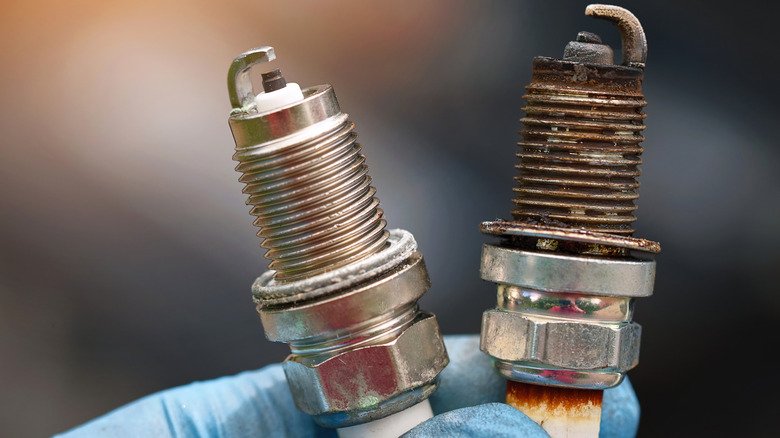
Have you ever wondered how long your spark plugs can last before needing a replacement? You might not think about them often, but these small components play a crucial role in keeping your vehicle running smoothly.
Neglecting them can lead to poor engine performance, reduced fuel efficiency, and even costly repairs. Understanding the lifespan of your spark plugs can save you time, money, and stress. You’ll discover the factors that influence their longevity and learn how to spot the signs of wear and tear.
Stay with us to ensure your car remains in top shape and to uncover essential tips that could extend the life of your spark plugs beyond what you imagined.

Credit: www.toyotanation.com
Spark Plug Lifespan Basics
Spark plugs are small but vital parts of your vehicle’s engine. They create the spark that ignites the air-fuel mix inside the engine cylinders. Knowing how long spark plugs last helps you keep your car running smoothly. The lifespan of spark plugs depends on their type and use. Understanding the basics will help you know when to replace them.
Standard Lifespan Range
Most spark plugs last between 20,000 and 100,000 miles. Copper spark plugs usually last around 20,000 to 30,000 miles. Platinum and iridium spark plugs offer longer life, often reaching 60,000 to 100,000 miles. Your vehicle’s make and model can also affect this range. Always check your owner’s manual for specific recommendations.
Factors Influencing Durability
- Driving habits: Frequent short trips cause faster wear.
- Engine type: High-performance engines may wear plugs quicker.
- Fuel quality: Poor fuel can lead to deposits on plugs.
- Maintenance: Regular tune-ups extend spark plug life.
- Operating conditions: Extreme temperatures can reduce durability.
Types Of Spark Plugs
Spark plugs are essential for your engine’s performance. They ignite the air-fuel mixture inside the cylinders. Different types of spark plugs last different lengths of time. Knowing the types helps you choose the right one for your vehicle and driving style.
Copper Spark Plugs
Copper spark plugs use a copper core for better heat conduction. They heat up quickly and perform well in older engines. Copper plugs wear out faster than others, usually lasting about 20,000 to 30,000 miles. They are affordable and easy to replace.
Platinum Spark Plugs
Platinum spark plugs have a platinum tip that lasts longer than copper. They resist wear and provide a more stable spark. These plugs can last around 60,000 miles. Platinum plugs are a good balance between cost and durability.
Iridium Spark Plugs
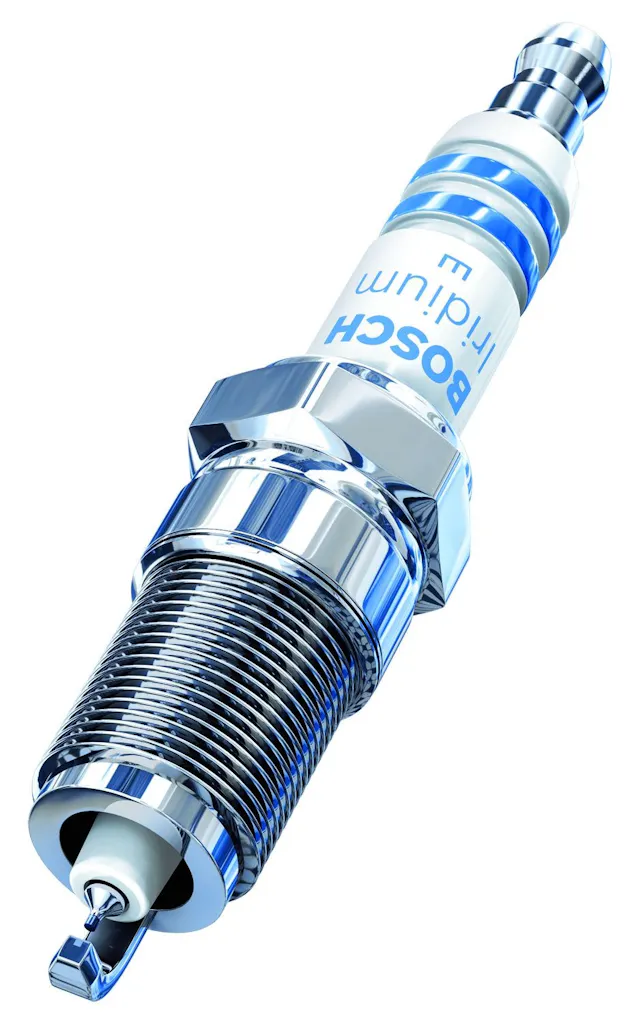
Iridium spark plugs use a very hard and durable metal for the tip. They offer excellent performance and last much longer, often up to 100,000 miles. Iridium plugs keep your engine running smoothly for a long time. They cost more but save money on replacements.
Signs Of Worn Spark Plugs
Worn spark plugs affect your car’s performance in many ways. They cause problems that are easy to notice while driving. Recognizing these signs helps you replace spark plugs on time. This keeps your engine running smoothly and saves fuel.
Engine Misfires
Worn spark plugs can cause engine misfires. The engine runs rough or shakes. You may hear popping sounds from the engine. Misfires reduce power and make driving unsafe. They also increase emissions and damage the catalytic converter.
Poor Fuel Efficiency
Old spark plugs waste fuel. They do not burn fuel completely. This causes your car to use more gas. You will need to fill the tank more often. Poor fuel efficiency means higher costs and more pollution.
Starting Problems
Worn spark plugs make it hard to start the engine. The engine may crank longer or not start at all. Cold weather worsens this problem. Replacing spark plugs fixes starting issues quickly.

Credit: www.reddit.com
Maintenance Tips To Extend Life
Extending the life of your spark plugs doesn’t have to be complicated. With a little care and attention, you can avoid premature wear and keep your engine running smoothly. Here are some practical tips to help you get the most out of your spark plugs.
Regular Inspections
Check your spark plugs regularly to spot signs of wear or damage early. Look for fouling, corrosion, or buildup that can affect performance. Catching these issues early can prevent bigger engine problems and save you money.
Have you noticed your engine misfiring or struggling to start? It might be time to take a closer look at your spark plugs. A quick inspection every 10,000 miles can make a big difference.
Proper Installation
Installing spark plugs correctly is crucial to their longevity. Make sure you use the right torque to avoid damaging the threads or causing poor contact. Too tight or too loose installation can lead to problems like misfires or overheating.
Use a torque wrench if you can, and always follow your vehicle’s manual instructions. Also, ensure the spark plug gaps are set properly before installation—this affects how well the spark ignites the fuel-air mixture.
Using Quality Fuel
The type of fuel you use impacts how long your spark plugs last. Low-quality fuel can leave deposits on the plugs, causing buildup and reducing efficiency. Opt for cleaner fuels with fewer additives to keep your spark plugs cleaner longer.
Have you ever noticed black soot on your spark plugs? This might be from using fuel with contaminants or improper combustion. Switching to premium or higher-octane fuel occasionally can help maintain spark plug health and improve engine performance.
When To Replace Spark Plugs
Knowing when to replace your spark plugs is key to keeping your engine running smoothly and efficiently. Worn-out spark plugs can cause misfires, reduce fuel economy, and even damage your engine over time. Paying attention to mileage guidelines and performance changes can help you decide the right time to swap them out.
Mileage Recommendations
Most spark plugs have a recommended replacement interval, typically between 30,000 and 100,000 miles depending on the type and quality. Copper spark plugs usually need changing every 30,000 miles, while platinum or iridium plugs can last up to 100,000 miles or more.
Check your vehicle’s owner manual for the exact mileage suggested by the manufacturer. If you’ve driven close to or beyond that mileage, it’s wise to inspect or replace the plugs to avoid unexpected engine troubles.
Performance Indicators
Are you noticing your car hesitating during acceleration, rough idling, or difficulty starting? These are common signs that your spark plugs may be failing. Reduced fuel efficiency and increased emissions also point to worn plugs.
Sometimes, the engine warning light may come on, signaling ignition problems linked to spark plugs. Regularly monitoring your car’s performance helps catch issues early before they escalate into costly repairs.
Impact Of Driving Conditions
The lifespan of your spark plugs can change a lot depending on how and where you drive. Driving conditions have a direct effect on the wear and tear of spark plugs. Understanding these effects helps you know when to check or replace them to keep your engine running smoothly.
City Vs. Highway Driving
City driving often means stop-and-go traffic, which causes your engine to run at lower speeds more frequently. This can lead to carbon buildup on your spark plugs, reducing their efficiency and shortening their lifespan.
Highway driving, on the other hand, keeps your engine running at a more consistent speed and temperature. This steady operation tends to burn off deposits and can extend the life of your spark plugs.
Have you noticed your car feeling sluggish after lots of city driving? That could be a sign your spark plugs need attention. Regular highway trips might actually help keep your plugs cleaner and last longer.
Extreme Weather Effects
Extreme heat can cause spark plugs to wear out faster by increasing the metal’s expansion and stress. In very cold weather, starting your engine strains the spark plugs more, especially if the engine struggles to reach optimal temperature.
Humidity and moisture can also lead to corrosion or fouling on spark plugs. If you live in a place with harsh winters or hot summers, checking your spark plugs more often can save you from unexpected engine troubles.
Think about the last time you had trouble starting your car on a freezing morning. That struggle is a reminder that harsh weather affects spark plug performance and lifespan.
Cost Considerations
Cost plays a big role when choosing spark plugs. Understanding the expenses helps in making smart decisions. Different types of spark plugs vary in price. Some cost more upfront but last longer. Others are cheaper but may need frequent replacement. Balancing these factors saves money over time.
Price Differences By Type
Spark plugs come in several types, each with its price range. Copper plugs are the least expensive. They work well but wear out faster. Platinum plugs cost more but last longer than copper. Iridium plugs are the priciest but offer the best durability. Prices can also vary by brand and vehicle model.
- Copper: Low price, shorter lifespan
- Platinum: Mid-range price, longer life
- Iridium: High price, longest lifespan
Long-term Savings
Choosing a durable spark plug can reduce replacement frequency. Fewer changes mean less labor cost and downtime. High-quality plugs improve engine performance and fuel efficiency. This leads to savings on fuel and repairs. Spending more initially can lower overall vehicle maintenance costs.
Credit: www.moderntiredealer.com
Frequently Asked Questions
How Often Should Spark Plugs Be Replaced?
Spark plugs typically last between 30,000 to 100,000 miles. Replacement depends on the type and vehicle usage. Regular inspection helps maintain engine efficiency and prevents misfires.
What Factors Affect Spark Plug Lifespan?
Heat, engine type, driving habits, and fuel quality impact spark plug life. Harsh conditions cause faster wear. Proper maintenance extends their durability and performance.
Can Old Spark Plugs Damage My Engine?
Yes, worn spark plugs can cause poor combustion. This leads to reduced fuel efficiency, engine misfires, and potential damage over time. Timely replacement avoids costly repairs.
How To Know If Spark Plugs Need Replacement?
Signs include rough idling, poor acceleration, and increased fuel consumption. Visual inspection shows deposits or wear. Regular checks ensure optimal engine performance.
Conclusion
Spark plugs usually last between 30,000 and 100,000 miles. Their lifespan depends on the type and driving habits. Regular checks can catch problems early. Clean and well-maintained spark plugs keep engines running smoothly. Replacing worn plugs improves fuel efficiency and power.
Don’t ignore signs like rough idling or poor acceleration. Routine maintenance saves money and prevents bigger issues. Keep an eye on your spark plugs for a healthy engine. Simple care extends their life and your vehicle’s performance.





