Have you ever wondered if cleaning your spark plugs could bring new life to your engine? You’re not alone!
Many car enthusiasts and DIY mechanics often debate whether it’s better to clean spark plugs or simply replace them. But before you make a decision, there’s important information you need to know. Understanding how spark plugs work, their role in your vehicle’s performance, and the impact of dirt and grime could save you time, money, and hassle.
Dive into this article to discover whether cleaning spark plugs is a feasible solution for you, and learn the best practices if you decide to tackle the task yourself. Your engine’s efficiency might just depend on it!

Credit: beachautomotive.com
Why Clean Spark Plugs Matter
Keeping your spark plugs clean is more important than many drivers realize. These small components play a crucial role in how your engine runs. If they get dirty, your car’s performance can suffer in ways you might not immediately notice.
Impact On Engine Performance
Dirty spark plugs can cause your engine to misfire or hesitate during acceleration. This happens because the spark needed to ignite the fuel-air mixture gets weak or inconsistent. You might feel your car struggling to start or notice it uses more fuel than usual.
When I ignored dirty spark plugs in my own car, I experienced rough idling and poor gas mileage. After cleaning them, the engine ran smoother and I saved money on fuel. This shows how regular maintenance can improve your driving experience.
Signs Of Dirty Spark Plugs
How can you tell if your spark plugs need cleaning? Look out for these common signs:
- Difficulty starting the engine
- Engine misfires or rough idling
- Reduced fuel efficiency
- Poor acceleration or sluggish response
Ignoring these symptoms can lead to bigger engine problems. Have you noticed any of these issues in your car lately? Checking your spark plugs might be the simple fix you need.
Credit: www.jalopnik.com
Tools You’ll Need
Cleaning spark plugs requires a few simple tools. Having the right supplies makes the task easier and safer. Prepare all items before starting the cleaning process. This prevents interruptions and ensures a smooth job.
Basic Cleaning Supplies
- Wire brush to remove dirt and deposits
- Carburetor or spark plug cleaner spray
- Compressed air or a small air compressor
- Clean cloth or rag for wiping
- Socket wrench with spark plug socket for removal
- Gap gauge to check spark plug gap
Safety Equipment
- Safety goggles to protect your eyes
- Gloves to keep your hands clean and safe
- Mask to avoid inhaling dust or chemicals
- Work clothes that can get dirty
Step-by-step Cleaning Process
Cleaning your spark plugs can bring back your engine’s smooth performance and save you money on replacements. The process isn’t complicated, but it requires care and attention to detail. Knowing the right way to remove, clean, and inspect spark plugs helps you avoid damage and ensures your vehicle runs efficiently.
Removing Spark Plugs Safely
Before you touch the spark plugs, make sure the engine is cool to avoid burns or damage to the threads. Use a spark plug socket with a rubber insert to grip the plug securely without scratching it.
Disconnect the spark plug wire by pulling on the boot, not the wire itself, to prevent tearing. Turn the spark plug counterclockwise slowly and steadily until it loosens. If it feels stuck, applying a small amount of penetrating oil and letting it sit can help.
Cleaning Methods That Work
One effective cleaning method is using a wire brush to gently remove carbon deposits on the plug’s electrode and threads. Avoid harsh scrubbing that can damage the ceramic insulator.
For stubborn grime, soak the spark plug in a small container of gasoline or a specialized spark plug cleaner for about 10 to 15 minutes. After soaking, scrub off any remaining residue carefully.
Drying And Inspecting
After cleaning, dry the spark plug thoroughly with a clean cloth or compressed air. Moisture left inside can cause misfires or corrosion.
Look closely for cracks, worn electrodes, or heavy deposits that can’t be cleaned off. If you spot any, it’s safer to replace the spark plug instead of risking engine problems later.
When To Replace Instead
Knowing when to replace your spark plugs instead of cleaning them can save you time and prevent further engine issues. While cleaning can be a quick fix, worn or damaged spark plugs often need replacement to keep your engine running smoothly. Let’s look at how to recognize the signs and weigh the cost versus benefit of replacing spark plugs.
Signs Of Wear And Damage
You should replace spark plugs if you notice any visible signs of wear or damage. Look for:
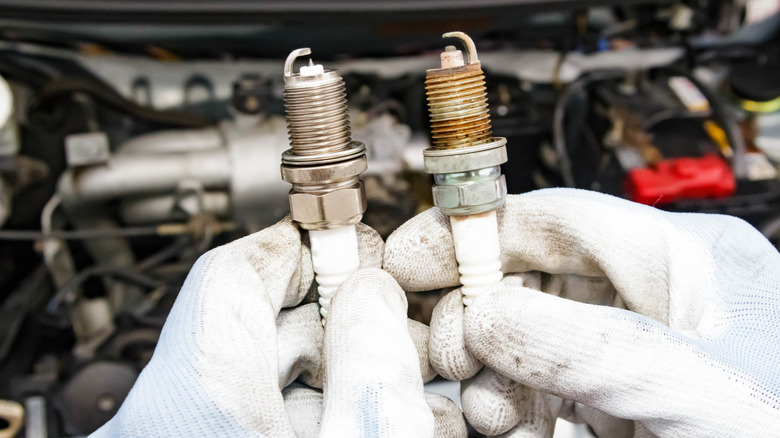
- Cracked or broken insulator:This can cause misfires and poor engine performance.
- Heavy carbon deposits or oil fouling:These indicate combustion problems that cleaning may not fix.
- Worn electrodes:If the gap is too wide or the electrodes are rounded, the spark won’t be strong enough.
- Engine misfires or rough idling:These symptoms often point to failing spark plugs.
I once tried cleaning a heavily worn spark plug to save money, but my car kept stalling. Replacing it solved the issue immediately.
Cost Vs. Benefit
Consider the cost of new spark plugs compared to the effort and temporary fix cleaning provides. New spark plugs often cost between $10 and $30 each, depending on your vehicle. Cleaning may seem cheaper but can waste time and cause repeated engine problems.
Ask yourself: Is it worth risking engine damage and poor fuel efficiency to save a few dollars now? If your spark plugs have been in use for over 30,000 miles or show clear signs of wear, replacement is usually the smarter choice.
Replacing spark plugs can improve fuel economy, reduce emissions, and restore engine power quickly. Investing in new plugs may save you money in the long run by avoiding more costly repairs.
Tips To Keep Spark Plugs Clean Longer
Keeping your spark plugs clean longer is key to maintaining your vehicle’s smooth performance and fuel efficiency. Dirty or fouled spark plugs can cause misfires, poor acceleration, and increased emissions. Let’s look at practical tips that help you extend the life of your spark plugs and avoid frequent replacements.
Regular Maintenance Habits
Regular checks are your first defense. Make it a habit to inspect your spark plugs during oil changes or every 30,000 miles. Look for signs of wear like carbon buildup, oil deposits, or electrode erosion.
Cleaning spark plugs occasionally can prevent dirt from causing bigger problems. Use a wire brush or spark plug cleaner to remove deposits gently. Be careful not to damage the ceramic insulator or the electrode.
Also, check your ignition wires and coils. Faulty parts can cause incomplete combustion, leading to faster spark plug fouling. Keeping the entire ignition system in good shape means your spark plugs stay cleaner longer.
Fuel And Oil Quality
The quality of fuel and oil you use directly affects spark plug cleanliness. Low-quality or contaminated fuel leaves more deposits on the plugs.
Choose fuels with detergents that help keep the engine and spark plugs clean. These additives reduce carbon buildup and improve combustion.
Similarly, using the right grade and clean engine oil prevents oil from leaking into the combustion chamber. Oil fouling is a common cause of dirty spark plugs. Regularly changing your oil and using manufacturer-recommended types reduces this risk.
Have you noticed how your driving habits affect your engine’s cleanliness? Short trips and stop-and-go traffic can cause incomplete combustion, dirtying spark plugs faster. Consider longer drives occasionally to help burn off deposits naturally.
Common Mistakes To Avoid
Cleaning spark plugs can seem straightforward, but there are several common mistakes that can turn a simple task into a frustrating experience. Avoiding these errors ensures you don’t damage your spark plugs or reduce their efficiency. Let’s look at the pitfalls you should watch out for when giving your spark plugs a clean.
Using The Wrong Cleaning Materials
Not all cleaning tools are safe for spark plugs. Harsh abrasives like sandpaper or steel wool can scratch the ceramic insulator or damage the electrode. Instead, opt for a wire brush specifically designed for spark plugs or use a dedicated spark plug cleaner to avoid harm.
Neglecting To Check The Gap
After cleaning, many skip measuring the spark plug gap. This gap is crucial for proper engine performance. If the gap is off, your engine might misfire or run inefficiently. Always use a feeler gauge to check and adjust the gap to the manufacturer’s specifications.
Overlooking The Importance Of Drying
Cleaning involves liquids like carburetor cleaner or water, which need to be fully dried before reinstallation. Installing a wet spark plug can cause misfires and damage. Take your time to let the spark plug air dry completely or use compressed air for faster results.
Reinstalling Without Inspecting Threads
Damaged threads can cause poor installation or even engine damage. Before putting the spark plug back, carefully inspect the threads for wear or cross-threading. If you feel resistance when screwing it in, stop and reassess to avoid stripping the threads.
Ignoring Signs Of Wear Or Damage
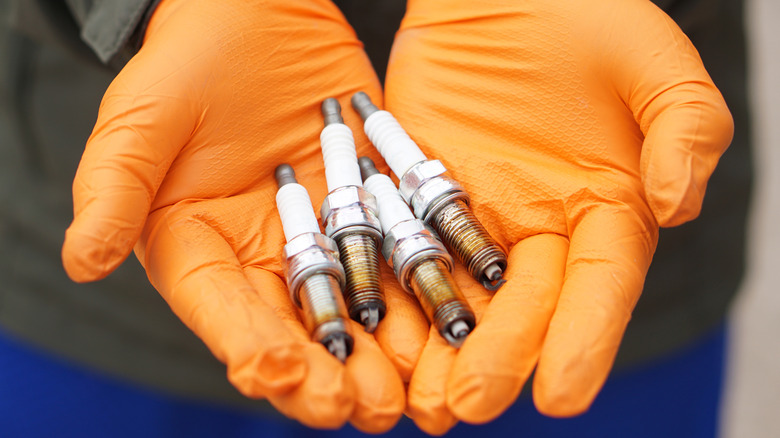
Cleaning isn’t a fix-all. If your spark plugs show cracks, heavy deposits, or worn electrodes, replacing them is better than cleaning. Persisting with damaged plugs can lead to poor engine performance and wasted time.
Credit: www.jalopnik.com
Frequently Asked Questions
Can You Clean Spark Plugs To Improve Engine Performance?
Yes, cleaning spark plugs can enhance engine performance by removing carbon deposits. It restores proper spark and fuel combustion, boosting efficiency.
How Often Should Spark Plugs Be Cleaned Or Replaced?
Spark plugs should be cleaned or replaced every 30,000 to 50,000 miles, depending on your vehicle’s make and driving conditions.
What Tools Are Needed To Clean Spark Plugs Effectively?
You need a wire brush, spark plug cleaner, and compressed air to clean spark plugs safely and effectively.
Can Cleaning Spark Plugs Prevent Misfires And Rough Idling?
Yes, clean spark plugs ensure proper ignition, reducing misfires and rough idling issues in your engine.
Conclusion
Cleaning spark plugs can help your engine run smoother and last longer. It saves money compared to buying new plugs every time. You should clean them carefully to avoid damage. Using the right tools and methods is important. Regular checks keep your car in good shape.
Spark plug care is simple but effective. Try cleaning before deciding to replace. Your engine will thank you for the extra attention.





