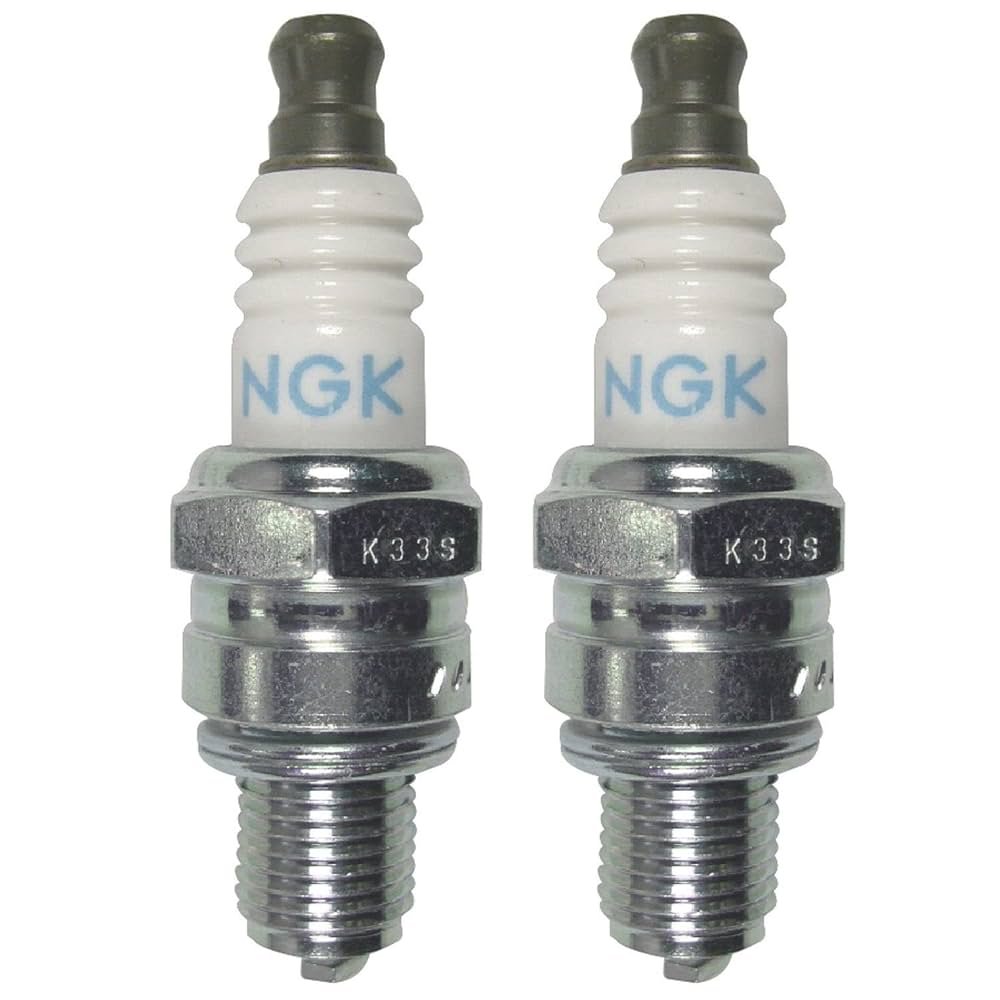
Have you ever wondered if spark plugs are truly universal? Picture this: you’re all set to replace your car’s spark plugs, only to find yourself lost in a sea of options.
It’s a common dilemma that can leave you feeling overwhelmed. The truth is, not all spark plugs are created equal, and choosing the right one can make a significant difference in your vehicle’s performance. You’ll discover the key factors that determine whether spark plugs are universal or not.
By the end, you’ll have the confidence to make the right choice for your car, ensuring smooth rides and peace of mind. Ready to dive in and uncover the facts? Let’s get started!

Credit: www.amazon.com
Spark Plug Basics
Spark plugs play a vital role in the engine’s performance. They create the spark that ignites the fuel-air mix inside the engine cylinders. Without spark plugs, the engine would not run. Understanding their basics helps in choosing the right spark plug for your vehicle.
How Spark Plugs Work
Spark plugs deliver an electric spark to ignite the fuel. They connect to the ignition system and sit in the engine cylinder head. When the spark plug fires, it creates a small spark between its electrodes. This spark causes fuel and air to burn, powering the engine.
The spark must be strong and timed correctly. Good spark plugs ensure smooth engine start and efficient fuel use. Worn or wrong spark plugs can cause poor engine performance and higher fuel consumption.
Types Of Spark Plugs
Spark plugs come in different types based on materials and design. Each type suits different engine needs and driving styles.
- Copper Spark Plugs:Offer good conductivity and are budget-friendly. They wear out faster than others.
- Platinum Spark Plugs:Last longer and resist corrosion better than copper plugs.
- Iridium Spark Plugs:Have a very fine tip for a stronger spark and longer life.
- Double Platinum Spark Plugs:Provide longer life and better performance for modern engines.
Choosing the right type depends on your vehicle’s make and driving needs. Using the correct spark plug helps keep your engine running well.
Compatibility Factors
Understanding the compatibility factors of spark plugs is crucial before making a purchase. Not all spark plugs fit every engine, and using the wrong type can affect your vehicle’s performance or even cause damage. Let’s break down the key elements that determine whether a spark plug will work with your engine.
Thread Size And Length
The thread size and length of a spark plug must match your engine’s cylinder head exactly. If the thread is too long, it can hit the piston, causing serious engine damage. On the other hand, a too-short thread may not seal properly, leading to compression loss or misfires.
Think about it like a puzzle piece—only the right size fits perfectly. Always check your vehicle’s manual or consult a professional to confirm the correct thread specifications.
Heat Range Importance
The heat range of a spark plug determines how quickly it dissipates heat from the combustion chamber. Using a plug with an incorrect heat range can cause overheating or fouling.
For example, if your spark plug runs too hot, it might cause pre-ignition, damaging your engine. If it’s too cold, carbon deposits can build up, leading to poor performance.
Have you ever wondered why some spark plugs last longer in certain engines? The heat range plays a big role in that durability.
Electrode Design Variations
Electrode design affects how efficiently a spark plug ignites the air-fuel mixture. Different engines require different designs to optimize combustion.
You might find plugs with single, double, or even multiple ground electrodes. Some use precious metals like platinum or iridium to increase lifespan and improve ignition.
Choosing the right electrode design can improve fuel efficiency and reduce emissions. Have you noticed a difference in your engine’s smoothness with different spark plugs? That’s the electrode design at work.
Universal Spark Plug Myths
Many people believe spark plugs are universal. This idea is common but not true. Spark plugs differ in size, heat range, and design. Using the wrong spark plug can cause engine problems. Understanding these myths helps avoid costly mistakes.
Why One Size Doesn’t Fit All
Engines have unique requirements for spark plugs. Different engines need specific thread sizes and lengths. Heat range matters to prevent overheating or fouling. Electrode design affects spark quality and performance. A plug that fits one engine may damage another. Manufacturers design plugs for precise engine needs.
Risks Of Using Incorrect Plugs
Wrong spark plugs reduce engine efficiency. They can cause poor fuel economy and misfires. Overheating plugs can damage the engine’s cylinder head. Using too cold plugs leads to carbon build-up. Incorrect plugs may cause starting problems. Avoid risks by choosing the right plug model.

Credit: carfromjapan.com
Choosing The Right Spark Plug
Choosing the right spark plug is more than just picking any part that fits your engine. The right spark plug affects your vehicle’s performance, fuel efficiency, and even emissions. Understanding how to select the right spark plug helps you avoid engine problems and saves you money on repairs.
Vehicle Manufacturer Recommendations
Your vehicle’s manufacturer provides specific spark plug recommendations based on engine design and performance needs. These guidelines include the right heat range, thread size, and electrode type. Ignoring these can lead to poor engine performance or even damage.
Check your owner’s manual or the manufacturer’s website for the exact spark plug model. Some brands also print this info on the underside of the hood or inside the fuel door. Following these recommendations ensures your engine runs smoothly.
Aftermarket Options
Aftermarket spark plugs offer a wide range of choices beyond the original equipment manufacturer (OEM) parts. You might find options that provide better durability or improved ignition performance. However, not all aftermarket plugs meet the quality standards of OEM parts.
Look for trusted brands with positive reviews and proper certifications. Ask yourself: Are you prioritizing cost savings or enhanced engine performance? Balancing these factors helps you pick the best aftermarket spark plug for your vehicle.
Tools For Proper Selection
Several tools and resources make selecting the right spark plug easier. Online lookup tools allow you to enter your vehicle’s make, model, and year to find compatible plugs. Some websites even compare different spark plugs side-by-side.
You can also visit local auto parts stores where experts can guide you based on your vehicle and driving habits. Having a spark plug gap tool on hand ensures the plug fits perfectly if you need to adjust the gap yourself. Are you ready to take control of your vehicle’s performance by choosing the right spark plug?
Installation And Maintenance Tips
Proper installation and regular maintenance of spark plugs can significantly impact your vehicle’s performance and fuel efficiency. Understanding how to correctly install them and recognize signs of wear helps you avoid engine troubles and costly repairs. Let’s dive into practical tips that you can apply right away to keep your spark plugs in top shape.
Correct Installation Techniques
Ensure the engine is cool before you start working on the spark plugs to prevent damage and injury. Use a spark plug socket with a rubber insert to avoid scratching the plug’s ceramic insulator. Always check the gap between the electrodes with a feeler gauge; a wrong gap can cause misfires or poor fuel economy.
Tighten the spark plugs to the manufacturer’s recommended torque specification. Over-tightening can strip the threads in the cylinder head, while under-tightening may cause poor contact and engine misfires. If you’re unsure about torque values, a torque wrench is a worthwhile investment.
Signs Of Spark Plug Wear
Pay attention to rough idling, difficulty starting the engine, and decreased fuel efficiency—these can all signal worn spark plugs. Visually inspect the plugs for black soot, oily deposits, or erosion of the electrodes. Such signs indicate incomplete combustion or oil leakage, which affect engine performance.
Have you noticed your engine misfiring during acceleration? This often points to spark plugs that can no longer deliver a strong enough spark. Regular checks can catch these issues before they turn into bigger problems.
When To Replace Spark Plugs
Most spark plugs last between 30,000 to 100,000 miles, depending on the type and driving conditions. If you drive mostly in stop-and-go traffic or harsh environments, consider replacing them sooner. Always refer to your vehicle’s owner manual for specific recommendations.
If your spark plugs show visible wear or your engine struggles despite maintenance, it’s time for a change. Don’t wait for a breakdown; replacing spark plugs proactively saves you money and hassle. Have you checked your plugs lately?
Credit: modernautoparts.co.za
Frequently Asked Questions
Are Spark Plugs The Same For All Vehicles?
No, spark plugs are not universal. Different engines require specific spark plug types based on size, heat range, and electrode design. Always check your vehicle’s manual to choose the correct spark plug for optimal performance.
Can I Use Any Spark Plug In My Car?
Using any spark plug can cause engine issues. Incorrect plugs may lead to poor combustion, misfires, or damage. Always select spark plugs that match your car manufacturer’s specifications to ensure proper engine function.
How Do I Know Which Spark Plug Fits My Engine?
Refer to your vehicle’s owner manual or manufacturer website. They list the correct spark plug model, size, and heat range. You can also consult auto parts stores for expert advice on the right spark plug.
What Happens If I Use The Wrong Spark Plug?
Using the wrong spark plug can cause engine misfires, reduced fuel efficiency, and potential damage. It may also affect ignition timing and overall engine performance, leading to costly repairs.
Conclusion
Spark plugs are not universal for every vehicle. Each engine needs the right type and size. Using the wrong spark plug can cause problems. It may reduce engine performance or damage parts. Always check your vehicle manual before buying spark plugs.
Matching the plug to your engine keeps it running smoothly. Choose quality spark plugs for better fuel efficiency. Simple care helps your car start easily every time. Remember, the right spark plug matters for a healthy engine.





